
If you’re an avid chicken enthusiast or just starting to explore the world of backyard poultry, you might have come across the term “Silkie Polish” hen. These unique birds have gained popularity in recent years due to their striking appearance and charming personalities. But what makes them so special? In this article, we’ll delve into the distinctive characteristics of Silkie Polish hens, including their fluffy coats and beards, as well as the challenges and considerations involved in breeding and caring for these remarkable birds. Whether you’re interested in showing or simply keeping them as pets, our guide will cover everything from health concerns to the benefits of owning a Silkie Polish hen.
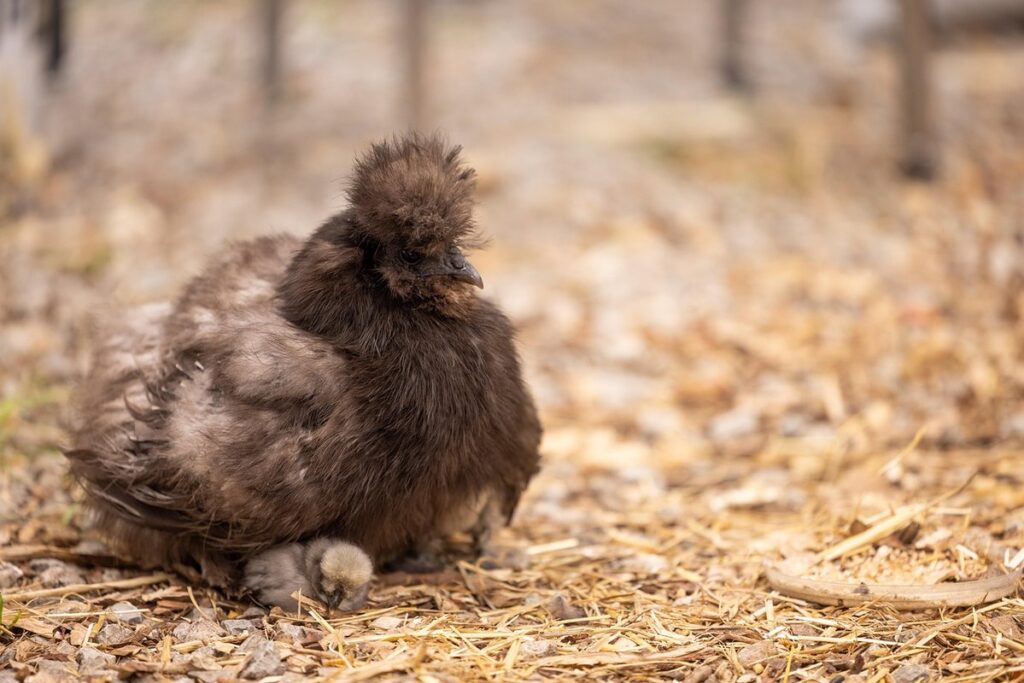
Introduction to Silkie Polish Hens
Let’s get started with one of the most iconic and beloved breeds in the world: the Silkie Polish Hen. These fluffy feathered friends are a favorite among backyard chicken enthusiasts, and for good reason!
History and Origin of Silkie Chickens
Silkies have been around for centuries, originating from China during the 13th century. It is believed that they were first bred by monks who selectively bred chickens with unique characteristics. These birds caught their attention due to their distinctive fluffy feathers and docile nature.
It’s worth noting that Silkies were highly valued in ancient China not only for their appearance but also for their egg-laying abilities. They were said to produce a higher number of eggs per year compared to other breeds, making them a prized possession among farmers.
Interestingly, the Silkie breed was brought to Europe by Portuguese traders during the 14th century and became popular among royal families. However, they nearly disappeared in the early 20th century due to disease and cross-breeding efforts aimed at improving their egg-laying capabilities.
Fortunately, dedicated breeders worked tirelessly to preserve the breed’s unique characteristics, and today Silkies are once again cherished for their lovable personalities and striking appearance.
Characteristics of Silkie Polish Hens
Silkie Polish hens are easily recognizable due to their unique physical characteristics. One of the most distinctive features is their feathers, which are soft and fluffy, giving them a silken appearance. They have a mutation that prevents their feathers from having barbs, making them appear more like down than typical chicken feathers.
In terms of size, Silkie Polish hens tend to be smaller than other breeds, with an average weight range of 2-3 pounds (0.9-1.4 kg). Despite their small stature, they are known for being quite active and can often be seen strutting around the coop or scratching in the yard.
Temperament-wise, Silkie Polish hens are friendly and docile, making them an excellent choice for backyard chicken keepers with children or who want a low-maintenance pet. They are also known to be relatively quiet compared to other breeds, which can be beneficial for those living in urban areas or who have noise restrictions.
When it comes to introducing Silkie Polish hens to your flock, it’s essential to consider their gentle nature and provide them with plenty of space to roam and exercise. With proper care and attention, they can thrive as part of a diverse and happy chicken community.
Breeding and Raising Silkie Polish Hens
If you’re ready to bring home these lovable hens, understanding how to breed and raise Silkie Polish chicks is essential for a successful and healthy flock. Let’s dive into the specifics of raising these adorable birds from day one.
Choosing the Right Silkie Breed
When choosing the right Silkie breed for your flock, you have several options to consider. One of the most popular and authentic breeds is the purebred Polish Silkie, which has been bred specifically for its unique characteristics and features. These birds are known for their fluffy feathers, gentle nature, and docile temperament.
However, crossbreeds can also be a great option if you’re looking for specific traits or characteristics in your flock. For example, crossing a Silkie with another breed like the Cochin or Orpington can result in birds that exhibit the best qualities of both parents.
When selecting a breed or supplier, it’s crucial to prioritize purchasing from reputable sources. Look for breeders who have experience working with Silkies and can provide health guarantees and proper documentation. Researching online reviews and asking for referrals from other Silkie owners can also help you find trustworthy suppliers.
Ultimately, the choice between purebred and crossbreed Silkies comes down to your personal preferences and needs. Consider what characteristics are most important to you, such as egg-laying ability or temperament, and choose a breed that meets those requirements.
Housing and Nutrition for Silkie Chickens
When it comes to housing and nutrition for Silkie chickens, providing an ideal environment is crucial for their health and well-being. Start by designing a coop that’s spacious enough for your birds to move around comfortably. A good rule of thumb is to provide at least 3-4 square feet of space per bird inside the coop, not including the run area. This will give them ample room to stretch their wings and engage in natural behaviors.
Proper ventilation is also essential to prevent ammonia buildup from droppings and maintain a healthy environment. Install windows or vents that allow for airflow while keeping predators out. Ensure the coop is well-insulated to protect your birds from extreme temperatures.
Nutritionally, Silkie chickens require a balanced diet rich in protein, vitamins, and minerals. Provide high-quality layer feed as their main staple, supplemented with fresh fruits and vegetables daily. A calcium-rich oyster shell can also be offered to support strong eggshell production. Avoid overfeeding, as obesity can lead to health issues in these gentle birds.
Monitor your flock’s nutrition and adjust accordingly based on their individual needs. This may involve adding probiotics or digestive enzymes to promote a healthy gut.
Health Considerations for Silkie Polish Hens
When it comes to caring for your Silkie Polish hens, there are several health considerations you’ll want to keep in mind as you create a safe and healthy environment. This includes monitoring their specific needs.
Common Health Issues in Silkies
Silkies are prone to several health issues that can affect their quality of life and even shorten their lifespan if left unchecked. One common problem is frostbite, which occurs when the chicken’s feathers get wet and cold. This can happen during extreme weather conditions or if they’re not provided with adequate shelter. To prevent this, make sure your Silkie has a dry coop with good ventilation and access to warm bedding.
Another issue that affects Silkies is obesity. Their fluffy coat and calm nature can lead them to overeat, which puts a strain on their internal organs. Feed them a balanced diet, limit treats, and provide regular exercise to keep them healthy. Respiratory problems are also common in Silkies due to their flat face and short beak, making it difficult for them to breathe.
To prevent respiratory issues, ensure your Silkie has plenty of space to move around and fresh air circulation. Regular cleaning of the coop and proper ventilation can help reduce dust and bacteria that can exacerbate these problems. By being aware of these common health issues and taking preventative measures, you can keep your Silkie Polish Hen happy and healthy for years to come.
Veterinary Care and First Aid for Silkies
As a responsible Silkie owner, it’s essential to prioritize veterinary care for your Polish hens. Regular check-ups with a veterinarian experienced in caring for chickens can help prevent and detect health issues early on.
Signs of illness or injury in Silkies may include labored breathing, lethargy, changes in appetite or droppings, and unusual behavior such as pacing or vocalization. If you notice any of these symptoms, consult a veterinarian promptly. In the meantime, provide a safe environment for your hen to rest, keeping her away from other birds to prevent stress.
First aid may be necessary if your Silkie experiences minor injuries like cuts or scrapes. Clean the wound gently with mild soap and water, apply an antibiotic ointment, and cover it with a bandage. However, if you suspect a more serious injury or illness, seek veterinary attention immediately. Remember to keep accurate records of vaccinations, health checks, and any medical treatments your Silkie receives.
Maintaining a clean coop environment also contributes to preventing illnesses in Silkies. Make sure to remove soiled bedding regularly and provide fresh food and water daily.
Showing and Marketing Silkie Polish Hens
If you’re planning to show off your silkie polish hen’s unique features, or even sell them, understanding how to showcase their charm is crucial. We’ll cover the essential tips and strategies for successful showing and marketing.
The Basics of Showing Silkie Chickens
Showing silkie chickens in competitions is an exciting experience for breeders and enthusiasts. However, it requires careful preparation to ensure a successful show. To start, you’ll need to register your chicken with the American Bantam Association (ABA) or another recognized poultry association. This involves submitting documentation such as the chicken’s pedigree, birth certificate, and photographs.
Once registered, it’s essential to prepare your silkie for presentation. This includes trimming its nails, cleaning its beak, and ensuring it’s in top condition. On show day, make sure you’re familiar with the competition rules and guidelines for presenting silkie chickens.
When presenting your chicken, pay attention to detail: make sure it’s standing upright, its plumage is clean and well-groomed, and its features are clearly visible. Judges will evaluate your chicken based on its breed standard, temperament, and overall appearance. To increase your chances of success, practice handling and grooming your silkie regularly, and study the breed standard to understand what judges look for in a top-notch silkie polish hen.
Marketing Your Silkies: Tips for Breeders and Owners
When it comes to marketing your Silkie Polish Hens, whether you’re a breeder or owner, there are several strategies you can employ. Online platforms such as social media and specialized poultry websites like BackYard Chickens, Chicken Forum, and Silkies.com offer excellent opportunities for exposure.
Joining breed clubs or organizations dedicated to Silkie chickens is also highly recommended. These groups not only provide valuable resources but often have member directories, which can help connect you with potential buyers. Attend local shows and events to showcase your birds, as this will allow you to network and gain visibility within the community.
Local advertising options such as classifieds in poultry magazines or online marketplaces like Craigslist should also be considered. When creating an advertisement, make sure to include clear photos of your Silkie Polish Hens, along with their breed standards, weights, and any notable characteristics.
Benefits of Keeping Silkie Polish Hens
Silkie Polish hens bring joy and benefits to any backyard flock, from their adorable fluffy feathers to their gentle nature. Let’s explore the advantages of owning these lovable birds.
Reasons Why Silkies Make Great Pets
When it comes to choosing a pet from the world of poultry, Silkie Polish Hens are an excellent option for many reasons. One of the most significant benefits of keeping Silkie Polish Hens as pets is their friendly and docile nature. These gentle birds are known to form strong bonds with their owners and can become quite affectionate, often seeking out human interaction and even cuddling on occasion.
Another advantage of having Silkie Polish Hens as pets is that they are relatively low-maintenance when it comes to noise levels. Unlike some other breeds, Silkie Polish Hens are quiet birds that won’t disturb you or your neighbors with loud clucking or squawking.
But what really sets Silkie Polish Hens apart as pets is their entertainment value. They’re natural foragers and love to explore their surroundings, making them great companions for owners who enjoy watching animals at play. Plus, their adorable fluffy feathers and charming personalities are sure to delight both children and adults alike. Whether you have a small backyard or a spacious farm, Silkie Polish Hens can bring endless joy and entertainment to your life.
Egg-Laying Potential of Silkie Chickens
Silkies are known for their stunning appearance, gentle nature, and impressive egg-laying abilities. While they may not be as prolific layers as some other breeds, Silkie Polish Hens can produce a surprising number of eggs per year.
On average, a healthy Silkie hen will lay around 120-180 brown or tan eggs annually, with an average daily production of about 3-4 eggs. However, this number can vary depending on several factors such as diet, exercise, and living conditions. A well-fed and cared-for Silkie hen is more likely to produce a steady supply of eggs throughout the year.
It’s also worth noting that Silkies tend to be lighter layers in the winter months due to reduced daylight hours. To encourage consistent egg production, it’s essential to provide your Silkie hens with adequate light exposure, fresh water, and a balanced diet rich in protein and calcium. With proper care and attention, you can expect your Silkie Polish Hens to become reliable and rewarding layers.
Conclusion
Now that you’ve learned all about silkie polish hens, it’s time to wrap up with a summary of what we’ve covered and some final thoughts on keeping these charming birds.
Recap of Key Points for Raising and Caring for Silkies
When raising and caring for Silkie Polish hens, it’s essential to remember that these gentle birds have specific needs that must be met. From their unique feathering to their delicate health requirements, Silkies demand a special touch.
First and foremost, Silkies need regular grooming to prevent matting and tangling of their fluffy feathers. Daily brushing or combing is crucial to keep their plumage clean and healthy. Additionally, provide a balanced diet rich in protein and essential vitamins to promote overall well-being. Silkies are prone to obesity, so be sure to limit treats and ensure they get enough exercise through regular walks and playtime.
Another critical aspect of caring for Silkies is maintaining their health. These birds are susceptible to respiratory issues, so keep their coop well-ventilated and free from drafts. Regular vaccinations and parasite control measures should also be implemented. A clean living environment is paramount – make sure to disinfect the coop regularly and provide a nutritious diet.
Some key characteristics of Silkie Polish hens that must be considered include their friendly yet timid nature, making them an excellent choice for families with children or those looking for a low-maintenance pet. However, Silkies are not ideal for first-time chicken keepers due to their sensitive health requirements.
In summary, raising and caring for Silkie Polish hens requires attention to detail and patience. By understanding their unique needs and characteristics, you can provide the best possible life for these gentle birds. By following this comprehensive guide, you’ll be well-equipped to raise happy, healthy Silkies that bring joy and companionship to your family.
It’s also worth noting that Silkies are prolific layers, producing an average of 180-200 eggs per year. With proper care and attention, they can thrive in a backyard flock or as a solo pet.
Frequently Asked Questions
Can I breed Silkies with other breeds to create a hybrid flock?
Breeding Silkies with other breeds can be challenging due to their unique genetics and characteristics. It’s essential to research the specific breed you want to cross with Silkies and understand their temperaments, egg-laying abilities, and feather types. Start by selecting birds with desirable traits from both parents, and prioritize careful planning and record-keeping to ensure a successful breeding program.
How do I care for my Silkie’s beards and feathers during the moulting season?
During molting, Silkies may experience stress, leading to excessive shedding or breaking of their beards and feathers. Provide a balanced diet rich in protein and essential vitamins, and ensure your flock has access to clean water and shelter. Consider supplementing with omega-3 fatty acids to promote healthy feather growth.
What are some common health issues I should watch out for in my Silkie flock?
Silkies are generally hardy birds but may be prone to respiratory issues due to their compact bodies and fluffy feathers. Monitor your flock’s breathing, and keep an eye out for signs of stress or disease like lethargy, loss of appetite, or changes in droppings.
Can I show my Silkies if they’re not purebred?
While purebred Silkies may have a competitive advantage in shows, many breed associations allow registered breeders to exhibit non-purebred birds that meet specific standards. Research your local and national regulations regarding breeding and showing programs for Silkies.
How often should I collect eggs from my Silkie hens, and what’s the ideal storage method?
Collect eggs daily or every other day to prevent breakage and maintain cleanliness. Store them in a cool, dry place away from direct sunlight to preserve their quality and extend shelf life.