
Are you ready to add some elegance and charm to your backyard flock? Look no further than the beautiful Silver Laced Polish chicken! With their stunning silver-gray plumage and adorable, crested heads, these birds are sure to capture your heart. But they’re not just a pretty face – Silver Laced Polishes are also known for their friendly, docile nature, making them an excellent choice for families or beginners.
If you’re considering adding some of these gorgeous girls to your farm or backyard, you’ll want to know the ins and outs of raising and managing them. That’s where this ultimate guide comes in – covering everything from the history and characteristics of Silver Laced Polishes to their care and uses, whether for eggs or meat. By the end of this article, you’ll be well on your way to becoming a confident Silver Laced Polish owner!
History and Origin
Let’s take a step back in time and explore how Silver Laced Polish chickens came into existence, tracing their roots back to 17th-century Poland. We’ll uncover their fascinating history.
Early Development
The Silver Laced Polish breed has its roots in Poland, dating back to the 16th century. The early history of this breed is closely tied to the development of other Polish breeds, such as the White Crested Black and the Golden Spangled. These birds were highly valued for their unique characteristics and temperaments.
As the demand for ornamental birds grew, Polish farmers began to selectively breed these birds to emphasize specific traits, including their striking plumage patterns. The Silver Laced Polish was one of the first breeds developed from this process, with its distinctive silver-gray feathers and lacy pattern.
It’s believed that the Silver Laced Polish originated in the Krakow region of Poland, where farmers would often crossbreed different breeds to create new and exciting varieties. This selective breeding process allowed farmers to concentrate on specific traits, resulting in a distinct breed that was both visually stunning and well-suited for backyard flocks.
The early development of the Silver Laced Polish Breed laid the foundation for its popularity today. By understanding where this breed came from, you can better appreciate its unique characteristics and how they’ve been shaped over centuries by dedicated breeders.
Breed Standardization
The breed standardization of silver laced polish chickens is a fascinating topic that requires attention to detail and a clear understanding of what makes this breed unique. When the breed was first developed, breeders worked tirelessly to establish a set of guidelines that would define the characteristics of the silver laced polish chicken.
In 1870, the American Poultry Association (APA) recognized the Polish breed as one of its official breeds, and subsequently established a breed standard for it. The APA’s breed standard specified that the silver laced polish chicken should have a stout build, a flat beak, and a unique crest on top of its head.
Some essential characteristics that were deemed essential for the breed’s recognition include:
* A predominantly white plumage with black hackle feathers
* A distinctive silver sheen on the breast, wings, and tail
* A well-developed rose comb that is erect and symmetrical
* A deep-set eye that is dark in color
These characteristics have remained relatively unchanged over the years and are still considered essential for a silver laced polish chicken to be recognized as a true breed. By understanding these guidelines, you can better appreciate what makes your silver laced polish chicken so unique and special.
Physical Characteristics
When it comes to identifying a Silver Laced Polish chicken, there are several physical characteristics you’ll want to look for. Let’s take a closer look at these distinctive features together!
Plumage and Coloration
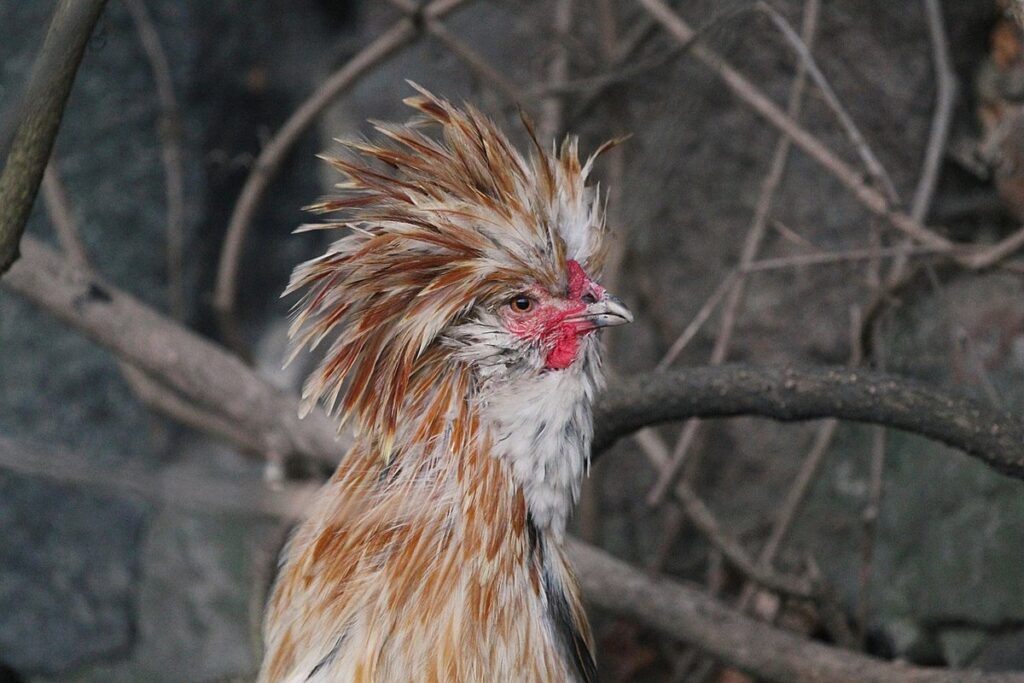
One of the most striking features of Silver Laced Polish chickens is their stunning plumage. Their feathers display a beautiful lacy pattern on a silver background, which gives them an ethereal appearance. The coloration is characterized by intricate networks of dark grey or black lines that weave together to create a unique and eye-catching effect.
The texture of their feathers is soft and fluffy, with a subtle sheen that catches the light. This is due in part to the breed’s Polish heritage, which emphasizes feathered faces and crested heads. The plumage itself is dense and well-insulated, making Silver Laced Polishes an excellent choice for cooler climates.
To showcase your Silver Laced Polish’s magnificent plumage to its full effect, try brushing their feathers gently with a soft-bristled brush. This will help to prevent matting and tangling, while also enhancing the natural shine of their feathers. Regular grooming is essential for maintaining the breed’s signature look, so be sure to set aside time each week to pamper your Polish rooster or hen.
Size and Build
Silver laced polish chickens are known for their sturdy build and compact size. On average, hens typically weigh between 5-7 pounds (2.3-3.2 kg), while roosters can reach up to 8-10 pounds (3.6-4.5 kg). Their overall length, including tail feathers, ranges from 20-24 inches (50-60 cm).
One of the defining characteristics of silver laced polish chickens is their skeletal structure. They have a relatively small bone density, which contributes to their compact size and agility. This also makes them less prone to leg problems common in larger breeds.
When considering bringing a silver laced polish chicken into your flock, keep in mind that they require minimal space due to their small stature. A standard coop with adequate ventilation should suffice for this breed. However, it’s essential to provide enough room for exercise and movement to prevent boredom and stress. Ensure you have at least 2-3 square feet (0.2-0.3 sq m) of floor space per bird in the coop and enclosure.
Temperament and Personality
When it comes to their temperament and personality, silver laced polish chickens are known for being friendly, gentle, and affectionate birds that make great family pets. They’re relatively easy-going and adaptable.
Friendly Nature
One of the most charming aspects of Silver Laced Polish chickens is their extremely friendly nature. They are often described as docile and gentle, making them an excellent choice for backyard flocks or family farms. Their calm demeanor allows them to thrive in a variety of living situations, from small urban backyards to larger rural areas.
In fact, one of the key characteristics that set Silver Laced Polish chickens apart from other breeds is their ability to form strong bonds with their owners and other animals. They are highly social birds that enjoy human interaction and will often seek out attention from family members or visitors. This friendly nature makes them an excellent choice for families with children who want to learn about responsible animal care.
When introducing a Silver Laced Polish chicken to your flock, it’s essential to remember that they can be quite curious and may take some time to adjust to their new surroundings. To help ease the transition, provide a safe and comfortable space for them to explore, and make sure to introduce them to other birds gradually. With proper care and attention, Silver Laced Polish chickens will reward you with years of affectionate companionship and entertainment.
Socialization Requirements
When it comes to socializing Silver Laced Polish chickens, it’s essential to remember that these birds are naturally friendly and outgoing. However, proper introduction to various environments and situations is crucial for their temperament development.
Start by introducing your chicks to different people, noises, and experiences from an early age. This will help them become confident in new surroundings. For example, you can place the brooder near a busy area of the house or outside where they’ll be exposed to natural light, wind, and varied sounds. As they grow, gradually increase their exposure to new sights, smells, and textures.
Socialization is not limited to people; it’s also vital for interactions with other animals. Introduce your Polish chickens to friendly dogs, cats, and even ducks if possible. Positive experiences will help them develop a calm demeanor around other creatures. By the time they’re six weeks old, your Silver Laced Polishes should be comfortable in new environments and manageable in most situations.
To ensure successful socialization:
* Handle your chicks gently but frequently from an early age.
* Provide various textures and surfaces for them to explore.
* Introduce new sights, smells, and sounds gradually.
* Be patient and consistent with their training.
Care and Management
To keep your Silver Laced Polish Chickens happy and healthy, it’s essential to understand their specific care and management needs. We’ll cover daily tasks, housing requirements, and health considerations in this section.
Housing Requirements
When it comes to providing suitable housing for your silver laced polish chickens, there are several key factors to consider. First and foremost, the coop should be large enough to accommodate all of your birds comfortably. A general rule of thumb is to provide at least 3-4 square feet of space per bird inside the coop, although more space is always better.
In addition to size, ventilation is also crucial for maintaining a healthy environment. Silver laced polish chickens are prone to respiratory problems, so it’s essential to ensure that your coop has adequate airflow. This can be achieved through the use of windows, vents, or even a simple roof design that allows for natural airflow.
When it comes to bedding options, you’ll want to choose something that is easy to clean and dry quickly. Pine shavings are a popular choice, as they are inexpensive and absorbent. However, you may also consider using straw or even recycled paper products. Whatever material you choose, make sure to replace it frequently to keep your coop clean and odor-free.
By providing the right environment for your silver laced polish chickens, you’ll be able to keep them happy, healthy, and thriving.
Nutrition and Health
As a Silver Laced Polish chicken owner, it’s essential to provide your flock with the right nutrition to ensure their overall health and well-being. These birds have specific dietary needs that should be met through a balanced diet rich in protein, calcium, and other essential nutrients.
A good starting point is to offer a high-quality layer feed specifically formulated for chickens of this breed. However, supplementing with fresh fruits and vegetables can provide variety and essential vitamins and minerals. Some safe options include leafy greens like kale and spinach, as well as fruits like berries and apples.
Some potential health issues to watch out for in Silver Laced Polish chickens include respiratory problems, obesity, and egg-related issues such as laying disorders or internal egg laying. Preventing these conditions often comes down to providing a clean living environment, regular exercise, and a balanced diet that meets their nutritional needs. Regular check-ups with a veterinarian can also help identify potential health concerns early on.
By paying attention to your flock’s nutrition and health, you can help prevent common issues and keep your Silver Laced Polish chickens thriving for years to come.
Breeding and Raising
Breeding and raising silver laced polish chickens requires attention to specific needs, from selecting healthy parents to introducing chicks to a coop. Let’s dive into the essential steps involved in this process.
Selecting Suitable Mates
When selecting suitable mates for your silver laced polish chickens, it’s essential to consider their genetic makeup and bloodline. This will help ensure that you’re breeding birds with desirable traits and characteristics.
To start, you’ll want to assess the overall quality of the bird’s conformation, including its posture, movement, and feathering. Look for birds with a well-balanced silhouette, strong legs, and vibrant plumage. It’s also crucial to evaluate their temperament, as this will be passed down to their offspring.
In terms of genetic considerations, you’ll want to prioritize birds from reputable breeders who have maintained accurate records of lineage and heritage. This will help you identify potential for desirable traits such as egg-laying capacity, hardiness, or unique characteristics like feather quality.
When selecting mates, aim to combine birds with complementary strengths. For example, pair a bird with excellent egg-laying ability with one that has exceptional feathering or conformation. By thoughtfully selecting breeding stock, you can increase the chances of producing high-quality offspring and preserving the integrity of your silver laced polish chicken flock.
Chicks and Pullet Management
Raising Silver Laced Polish chicks and pullets requires careful attention to their specific needs. As a breeder, it’s essential to provide them with the right environment, nutrition, and care from an early age. For the first few weeks, keep them in a warm, draft-free area, such as a brooder, where the temperature can be maintained between 90-100°F (32-38°C). Ensure they have access to fresh water and starter feed at all times.
As they grow into pullets, around 4-5 weeks of age, introduce them to a larger enclosure with adequate ventilation. Provide a balanced diet that includes a mix of grains, proteins, and calcium-rich foods to promote healthy growth and development. Monitor their health closely for signs of disease or parasites, and take prompt action if necessary.
Some key tips to keep in mind when raising Silver Laced Polish pullets include: providing enough space for exercise and movement (at least 2-3 square feet per bird), keeping the coop clean and free from ammonia buildup, and introducing them to the outdoors gradually to prevent stress. By following these guidelines, you can help your young birds grow into healthy, productive Silver Laced Polish chickens.
Uses in Backyard Flocks
If you’re planning a backyard flock, Silver Laced Polish chickens can be a delightful addition, providing entertainment and companionship for years to come. Here’s how they fit into your small farm or homestead.
Egg Production
Silver laced polish chickens are a popular choice for backyard flocks not only for their stunning appearance but also for their impressive egg-laying abilities. On average, a silver laced polish hen will lay around 200 eggs per year, which is slightly above the average for most chicken breeds.
One of the key factors contributing to their high productivity is their friendly and docile nature. Silver laced polish chickens are known to be easy-going and less likely to stress or get anxious, which can negatively impact egg production. By creating a relaxed and comfortable environment for your flock, you’ll encourage them to lay more eggs.
To maximize the egg-laying potential of your silver laced polish hens, make sure they have access to plenty of fresh food and water at all times. A balanced diet rich in calcium will help support their reproductive health and ensure they’re laying healthy, strong eggs. With proper care and attention, you can expect a consistent supply of delicious eggs from your silver laced polish chickens.
Meat Production
If you’re considering raising silver laced polish chickens for meat, you’ll want to understand their growth rate and meat production characteristics. On average, a silver laced polish chicken will take around 18-20 weeks to reach full maturity, which is slightly longer than some other breeds.
When it comes to weight gain, these birds are known for being efficient converters of feed into body mass. They can achieve weights ranging from 4-6 pounds (1.8-2.7 kg) in just 12-14 weeks, making them a great choice for small-scale or backyard meat production.
One key consideration when raising silver laced polish chickens for meat is their egg-laying ability. While these birds are primarily known as ornamental breeds, they do lay eggs – albeit fewer than some other chicken varieties. If you’re looking to raise your flock for both eggs and meat, it’s essential to balance the breed’s genetic predisposition towards egg-laying with its growth rate.
In terms of specific requirements for raising silver laced polish chickens for meat, consider factors like space allocation, feeding strategies, and disease management. These birds thrive in smaller spaces, but still require adequate room to roam and exercise.
Conclusion
As you’ve reached the end of this comprehensive guide to Silver Laced Polish Chickens, it’s likely that you have a newfound appreciation for these beautiful birds. Whether you’re an experienced poultry keeper or just starting out, the Silver Laced Polish has captivated many with its stunning appearance and friendly temperament. Remember, owning chickens is a long-term commitment, so be sure to carefully consider your decision before bringing home your new feathered friends. By following the tips and advice outlined in this guide, you’ll be well on your way to creating a happy and thriving flock of Silver Laced Polishes.
In conclusion, with their striking silver feathers and endearing personalities, it’s no wonder why many backyard chicken enthusiasts have fallen head over heels for the Silver Laced Polish.
Frequently Asked Questions
Can Silver Laced Polish chickens thrive in small backyards or do they require a lot of space?
While it’s true that Silver Laced Polishes are an active breed, they can adapt to smaller spaces as long as you provide regular exercise and mental stimulation. A securely fenced run with adequate perches and roosts will keep them happy and healthy.
How often should I socialize my young Silver Laced Polish chicks to help them develop good temperament?
Socialization is key for any chicken breed, especially those known for their friendly nature like the Silver Laced Polish. Expose your chicks to various environments, people, and other animals from an early age (around 2-3 weeks) to help them grow into confident and docile birds.
Are Silver Laced Polishes suitable for cold climates or will they need extra care during harsh winters?
While Silver Laced Polishes are a hardy breed, they still require some protection from extreme cold. Provide adequate shelter, insulation, and ensure their coop is well-ventilated to keep them safe during harsh winter months.
Can I raise Silver Laced Polish chickens for both eggs and meat production, or should I focus on one or the other?
Silver Laced Polishes are a dual-purpose breed, meaning they can be used for both egg-laying and meat production. However, their egg production may decrease if you’re also raising them for meat, so consider your specific needs and goals when deciding how to raise them.
What’s the ideal ratio of males to females in a Silver Laced Polish flock?
A general rule of thumb is to have 1 rooster per 10-15 hens. This ratio will help maintain a calm and peaceful environment within your flock, reducing stress and aggression among your birds.