
Are you ready to fall in love with one of the most charming breeds of hens out there? The Buff Cochin is a delightful addition to any backyard flock, and for good reason. With their soft, fluffy feathers and gentle nature, it’s no wonder why many chicken enthusiasts are eager to learn more about these lovable birds. But before you bring home your very own Buff Cochin hen, it’s essential to understand the ins and outs of breeding, raising, and showing them. In this article, we’ll delve into the history of the breed, provide expert advice on how to care for and show your Buff Cochins, and share valuable tips for getting the most out of these lovable hens. Whether you’re a seasoned breeder or just starting out, this guide will help you navigate the world of Buff Cochin hens with confidence.
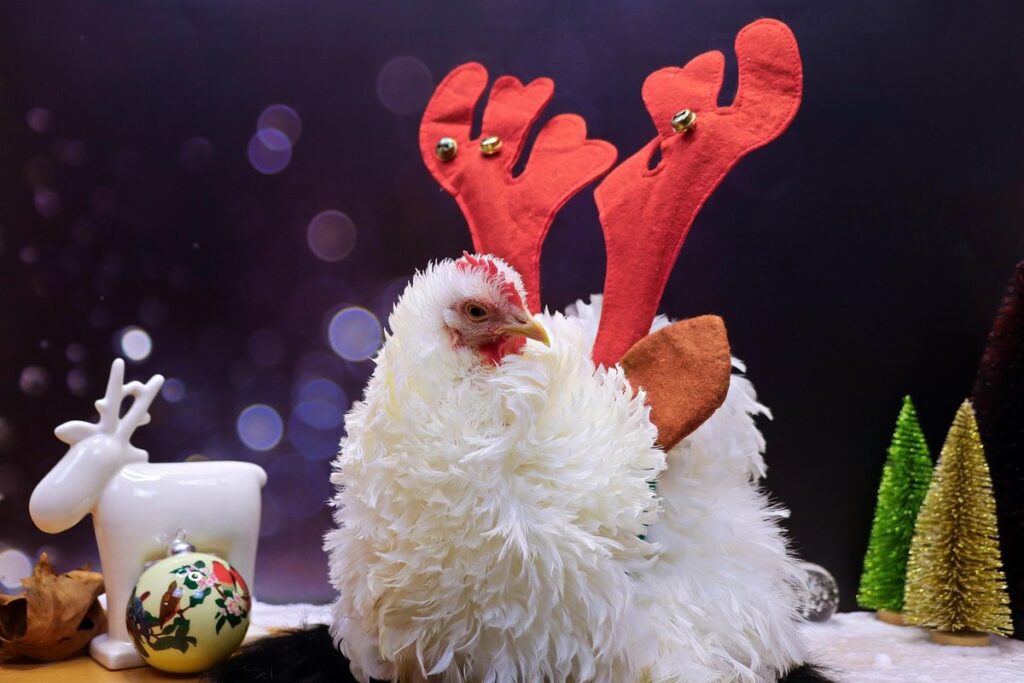
Origins and History of the Buff Cochin
Let’s take a step back in time and explore where the Buff Cochin hen originated, tracing its roots to ancient Europe. This fascinating history shapes the breed we know today.
Ancient Ancestry and Breeding
The Buff Cochin’s rich history dates back to 15th-century France, where they were first bred as a dual-purpose bird. Their original purpose was for their meat and eggs, but over time, they evolved into the lovable, docile breed we know today. The French crossed the Cochin with other breeds, including the Brahma and the Langshan, to create a sturdy bird that could thrive in a variety of climates.
As European explorers traveled the world, the Buff Cochin was introduced to new lands. They were brought to England by British poultry enthusiasts and quickly gained popularity for their friendly nature and cold hardiness. From there, they spread to other parts of Europe, Asia, and eventually, the Americas. In the late 19th century, the American Poultry Association recognized the Buff Cochin as a distinct breed.
To this day, the Buff Cochin’s gentle disposition and adaptability make them a popular choice for backyard chicken keepers. If you’re considering bringing one of these lovely birds into your flock, be sure to provide plenty of space and a balanced diet – they can weigh up to 12 pounds!
Evolution of the Breed
The Buff Cochin’s transformation from its humble beginnings is a testament to the power of selective breeding. As poultry enthusiasts sought to create more desirable traits, the breed underwent significant changes that would ultimately define the modern-day Buff Cochin.
One key factor influencing the breed’s development was its use as a commercial egg-layer. To increase productivity, breeders selectively bred for larger body size and more efficient egg-laying capabilities. This led to a noticeable increase in egg production, with some Buff Cochins laying up to 300 eggs per year. However, this focus on quantity came at the cost of smaller combs and reduced fertility.
Another significant factor was the introduction of new bloodlines from Asia and Europe. These external influences brought fresh genetic material that helped to strengthen the breed’s overall health and vigor. The addition of Indian Game and Malay fowl lines, for example, contributed to the Buff Cochin’s distinctive appearance and robust constitution.
Through careful selection and breeding, the Buff Cochin has become a beloved and versatile breed, prized for its gentle nature, rich egg production, and charming good looks.
Physical Characteristics of the Buff Cochin
The Buff Cochin is a stunning breed, and one of its most distinctive features is its physical appearance. Let’s take a closer look at what makes this bird so beautifully unique.
Plumage and Feathering
When it comes to the Buff Cochin’s physical appearance, its plumage and feathering play a significant role in making this breed stand out. One of the most distinctive features of the Buff Cochin is its fluffy buff-colored coat, which is soft to the touch and gentle-looking.
The feathering pattern on the Buff Cochin is one of its most unique characteristics. Their bodies are covered with a beautiful layer of soft feathers that give them a rounded appearance. The feathers on their backs are long and flowing, while those on their bellies are shorter and more compact. This even distribution of feathers creates a balanced look that makes the Buff Cochin appear both elegant and endearing.
In terms of overall coloration, the Buff Cochin’s plumage is typically a uniform golden-brown hue with subtle undertones of buff. While some individuals may display slight variations in feathering or color intensity, the breed’s signature buff coloring remains unmistakable.
As a Buff Cochin owner, you can help maintain your hen’s luscious feathers by providing a balanced diet rich in nutrients and ensuring she has access to clean water at all times. Regular brushing also helps prevent matting and tangling of their beautiful plumage.
Size and Body Type
One of the most distinctive features of the Buff Cochin hen is its compact body type. Measuring between 20-24 inches (50-60 cm) in height, they are one of the smaller breeds available, making them an excellent choice for backyard flocks or small-scale farms.
When it comes to weight, adult Buff Cochins typically tip the scales at around 6-8 pounds (2.7-3.6 kg), with some individuals reaching a maximum of 10 pounds (4.5 kg). Their compact size is not only aesthetically pleasing but also energy-efficient, as they require less food and space to roam.
In comparison to other breeds, the Buff Cochin’s overall size is relatively modest. For example, the Modern Game hen can reach heights of up to 28 inches (70 cm), while the Plymouth Rock hen tops out at around 26-27 inches (66-69 cm). Despite their smaller stature, Buff Cochins are robust and sturdy, with a well-feathered body that makes them resistant to cold weather.
Their compact size also makes them an excellent choice for small coops or enclosed spaces.
Temperament and Personality
When it comes to their temperament and personality, Buff Cochin hens are known for being friendly, docile, and outgoing, making them a great fit for families and backyard flocks. They’re also surprisingly intelligent and curious birds.
Friendly and Affectionate Nature
Buff Cochins are undoubtedly one of the friendliest and most affectionate chicken breeds you’ll ever meet. Their gentle nature makes them an absolute delight to have around, especially if you’re a family with children or considering starting a backyard flock. One of the most significant advantages of owning a Buff Cochin is their ability to form strong bonds with their owners.
These lovable birds are known for following their owners around the yard, seeking attention and affection in exchange for treats and pats. They thrive on human interaction and will often nuzzle up against you or even snuggle up under your arm. This friendly demeanor also makes them an excellent choice for families with young children, as they’re unlikely to fly away or become aggressive when handled.
When introducing a Buff Cochin to your flock, be sure to provide a safe and comfortable environment where they can settle in easily. With proper care and attention, these gentle giants will reward you with years of loyal companionship and entertainment.
Social Structure within the Flock
Buff Cochins are known for their gentle and affectionate nature, but they also have a unique social structure within the flock. When it comes to pecking order, Buff Cochins tend to be more relaxed and accepting of new birds compared to some other breeds. However, as with any flock, establishing dominance is still essential.
The key to maintaining harmony within the coop is to introduce birds slowly and under close supervision. This allows each bird to establish its position without feeling threatened or intimidated by newcomers. Be aware that Buff Cochins can be prone to feather pecking, especially when young or under stress, so keeping the flock calm and happy through proper enrichment activities is crucial.
To promote a balanced social dynamic within your flock, provide adequate space for birds to roam and engage in natural behaviors like scratching and dust bathing. Ensure enough perches and nesting boxes are available to prevent competition and stress among hens. By doing so, you’ll create an environment where each Buff Cochin feels valued and respected, leading to a more harmonious flock overall.
Health Considerations
When caring for buff cochin hens, it’s essential to consider their unique health needs, including common issues and tips for keeping them happy and healthy. We’ll cover what you need to know.
Common Health Issues
When it comes to maintaining the health and well-being of Buff Cochins, there are several common issues that can arise. One of the most prevalent problems is obesity, which can lead to a range of other health complications if left unchecked. To prevent obesity in your Buff Cochins, ensure they have plenty of space to roam and exercise outdoors. Provide a balanced diet that includes a mix of fruits, vegetables, and grains, but avoid overfeeding as this can quickly lead to weight gain.
Another common issue affecting Buff Cochins is egg-binding, where the hen struggles to pass an egg from her reproductive tract. To minimize the risk of egg-binding, make sure your hens have access to plenty of calcium-rich foods such as crushed oyster shells or dark leafy greens. You should also provide a clean and dry nesting box for your hens to lay their eggs in comfortably.
Some other health issues that can affect Buff Cochins include respiratory problems, mites, and lice infestations. Regular grooming and cleanliness practices can help keep these pests under control.
Life Expectancy and Longevity
One of the most appealing aspects of owning a Buff Cochin is their remarkable longevity. On average, a healthy Buff Cochin hen can live for 8-12 years, which is significantly longer than many other breeds. So, what contributes to this impressive lifespan? For starters, Buff Cochins are known for their robust health, with a strong immune system that helps them fight off diseases and infections.
Their friendly and docile nature also plays a significant role in their longevity. Unlike some other breeds that can be stressed by intense competition or fighting, Buff Cochins tend to live more harmoniously with each other. This reduced stress level contributes to their overall well-being and helps prevent chronic health issues.
Proper care and management also significantly impact the lifespan of your Buff Cochin hen. Ensuring they receive a balanced diet, plenty of fresh water, and regular exercise can help them stay healthy and thrive for many years. Regular veterinary check-ups are also essential in detecting any potential health problems early on.
Breeding and Raising
When it comes to raising Buff Cochins, understanding their breeding needs is crucial for successful hatching and growth. Let’s explore how to breed and raise healthy, happy chicks.
Choosing a Breeder
When it comes to bringing home a Buff Cochin hen, finding a reputable breeder is crucial. You want to ensure that you’re getting a healthy, well-socialized bird that will thrive in its new environment. To find the right breeder, start by doing some research.
Look for breeders who are experienced and have a good reputation within the poultry community. Check online review sites, such as Google or Facebook reviews, to see what other customers have to say about their experiences with the breeder. You can also ask friends, family members, or fellow chicken enthusiasts for recommendations.
When evaluating breeding programs, consider factors like health clearances, genetic diversity, and animal welfare standards. A responsible breeder will be transparent about the health of their birds and provide documentation to support their claims. They should also prioritize the well-being of their animals, providing a safe and clean living environment.
Caring for Young Pullets
When it comes to raising young Buff Cochin pullets, providing them with proper care and attention is crucial for their overall health and well-being. Nutrition plays a vital role in the development of these adorable birds. Ensure that they have access to a balanced diet that includes high-quality commercial starter feed supplemented with fresh fruits and vegetables.
Vaccinations are also essential to protect your pullets from diseases such as Marek’s disease, Newcastle disease, and infectious bronchitis. Consult with a veterinarian to determine the best vaccination schedule for your flock. It’s recommended to vaccinate at 1-2 days of age, followed by booster shots at 3-4 weeks.
Socialization is another critical aspect of caring for young Buff Cochin pullets. Handle them gently and frequently from an early age to help them become tame and confident birds. This will also make handling easier when they reach maturity. Spend time with your pullets, letting them explore their surroundings, and provide a safe and stress-free environment for them to grow.
Allowing your pullets to free-range under close supervision can be beneficial for their physical and mental development. However, ensure that you’re aware of potential predators in your area and take necessary precautions to secure their safety.
Showing and Competing
When it comes to showing off your buff Cochin hen, there are several key things to consider before entering a competition. We’ll walk you through the ins and outs of showing and competing.
Preparing Your Bird for Show
Preparing your Buff Cochin hen for the show ring requires attention to grooming, handling, and behavior training. Before you start preparing, it’s essential to familiarize yourself with the breed standard and the specific requirements for showing Buff Cochins.
When it comes to grooming, pay close attention to the plumage, particularly around the vents and tail feathers. Use a soft-bristled brush to gently detangle any mats or tangles, and trim the wings and tail feathers as needed. Keep in mind that excessive trimming can compromise the bird’s natural appearance, so be cautious when making adjustments.
To develop good handling skills, spend time with your Buff Cochin hen daily, letting her get accustomed to being handled and moved around comfortably. This will help her become calm and relaxed in the show ring, making it easier for you to showcase her best features.
Tips for Success in Competition
When competing with your buff cochin hen, it’s essential to understand the breed standard and presentation techniques to showcase her best features. Start by familiarizing yourself with the American Bantam Association (ABA) or American Poultry Association (APA) breed standards for buff cochin hens.
Understand that judges look for certain characteristics in a show bird, including good posture, shiny feathers, and a well-proportioned beak. To highlight your hen’s best features, practice daily grooming to ensure her plumage is clean and smooth.
Pay attention to the angles of presentation, as this can greatly impact how your hen appears to judges. Stand her at an angle that showcases her profile, rather than straight on, which can create a less flattering silhouette. Also, make sure she’s standing comfortably with her wings relaxed by her sides.
Lastly, get familiar with the show ring and practice walking with your hen to build confidence and help her get used to the surroundings.
Conclusion: Why You’ll Love the Buff Cochin
As you’ve learned more about these lovable birds, let’s summarize why owning a buff Cochin hen is an experience like no other, bringing joy to your life and farm.
Recap of Key Points
As you’ve made it through this comprehensive guide to the Buff Cochin hen, let’s recap the key points to reinforce your understanding of this lovable breed.
Firstly, we discussed the origins of the Buff Cochin, tracing its roots back to 19th-century England and France. This rich history has contributed significantly to the breed’s unique characteristics and adaptability.
Next, we explored the physical attributes that make the Buff Cochin stand out, including its fluffy feathers, gentle demeanor, and impressive egg-laying abilities. With an average of 200-220 large brown eggs per year, these hens are a great choice for backyard chicken keepers.
We also touched on the breed’s friendly and docile nature, making them an excellent fit for families with children or for those who want low-maintenance pets. Additionally, we discussed their cold-hardiness and ability to thrive in various climates, thanks to their thick feathers and robust health.
By incorporating these key points into your understanding of the Buff Cochin hen, you’ll be well-equipped to provide a happy and healthy home for this lovable breed.
Final Thoughts on This Charming Breed
As I’ve shared my own experiences with the Buff Cochin breed over the years, I can confidently say that they bring a joy and warmth to any backyard flock. There’s something special about watching a flock of these lovable hens forage for food together, their gentle clucks filling the air as they go about their day. One of my favorite memories is of a particular Buff Cochin hen named Luna, who would always come running to greet me whenever I’d enter the coop. She was such a sweet and affectionate bird that it’s no wonder she quickly became the “mascot” of our flock.
If you’re considering adding a Buff Cochin to your backyard flock, be prepared for the extra attention – they love people! With their calm and gentle nature, they make ideal pets for families with children or for anyone who wants a low-maintenance but lovable companion. And let’s not forget about their impressive egg-laying abilities – with an average of 200-250 large brown eggs per year, you’ll have plenty to share with friends and family or enjoy yourself.
One of the most significant benefits of owning a Buff Cochin is their ability to adapt to any climate or living situation. Whether you live in a small city lot or a rural farm, these hens are more than happy to make themselves at home – as long as they’re provided with plenty of food, water, and attention, that is! With proper care and attention, your Buff Cochin will thrive and become an integral part of your backyard flock.
Frequently Asked Questions
Can I raise Buff Cochins in a small backyard flock?
Yes, with proper planning and care, you can successfully raise Buff Cochins in a small backyard flock. However, it’s essential to ensure that your coop and run provide enough space for the birds to move around comfortably. A general rule of thumb is to provide at least 2-4 square feet of space per bird inside the coop and 8-10 square feet outside.
How do I know if my Buff Cochin hen is healthy?
Regular monitoring of your bird’s behavior, appetite, and overall condition can help identify potential health issues early on. Keep an eye out for signs of stress, disease, or parasites, such as changes in droppings, labored breathing, or unusual feather loss. Consult with a veterinarian experienced in poultry care if you notice any concerning symptoms.
Can I breed Buff Cochins without extensive experience?
While it’s possible to raise and show Buff Cochins without extensive experience, successful breeding requires knowledge of genetics, nutrition, and flock management. If you’re new to chicken breeding, consider working with an experienced breeder or taking courses on poultry science to gain a solid understanding of the process.
What are some essential items I need for showing my Buff Cochin hen?
When preparing your bird for show, make sure to have the following essentials: a clean, well-fitting harness and leash, a sturdy coop or transport box, and a grooming kit with nail clippers, beak trimmers, and a dust bath. Familiarize yourself with breed standards and practice handling your bird regularly to ensure it’s comfortable and confident in its surroundings.
Can I keep Buff Cochins as pets if I have small children?
Yes, Buff Cochins can make wonderful family pets, especially for families with older children who understand how to handle the birds gently. However, it’s crucial to supervise interactions between children and chickens at all times to prevent accidents or stress on the birds. Ensure your coop is secure, and teach your children how to care for the hens humanely.