
Are you looking to add some unique charm to your backyard flock? The Crested Cream Legbar is an eye-catching breed that’s sure to turn heads. This stunning chicken boasts a majestic appearance, with its distinctive crest and gentle nature making it a perfect fit for many backyard farmers and enthusiasts.
Not only are these birds beautiful, but they’re also incredibly hardy and easy to care for. In this article, we’ll delve into the history of the Crested Cream Legbar, exploring their origins and unique characteristics that make them stand out from other breeds. We’ll also cover their temperament, discussing why they’re perfect for families and first-time chicken keepers. By the end of this guide, you’ll have a comprehensive understanding of what it takes to care for these majestic birds and why they’re an excellent choice for your backyard flock.
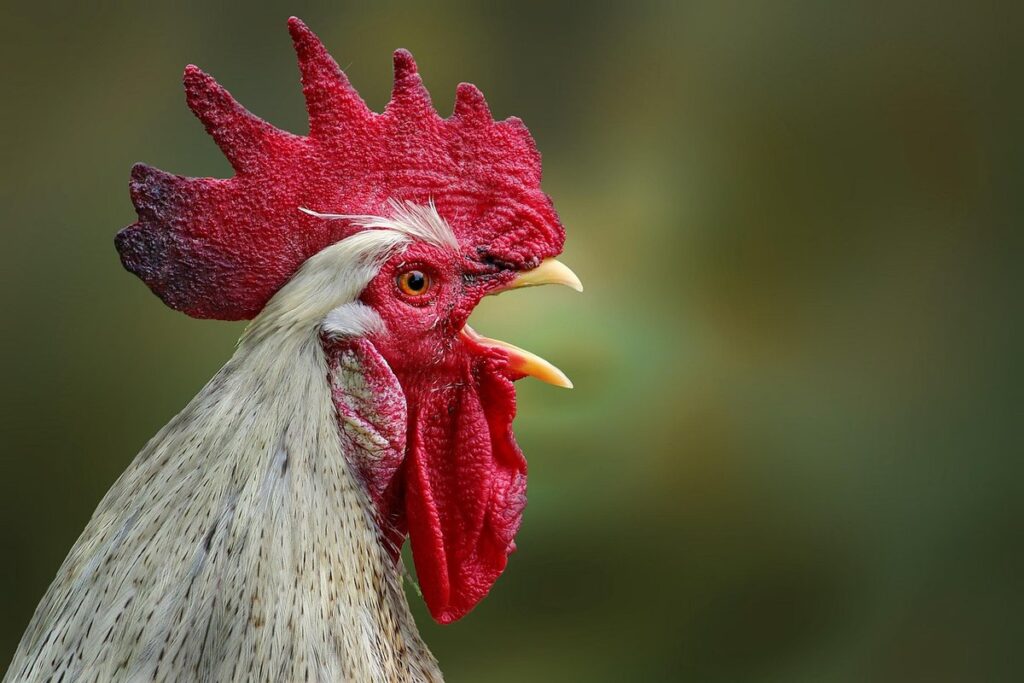
History and Origins of the Breed
The Crested Cream Legbar has a rich history that spans over seven decades, dating back to its creation by Reginald Punnett in the 1930s. Let’s take a look at how this breed came to be.
Early Development and Breeding Programs
The early development of the Crested Cream Legbar chicken breed is deeply rooted in its English origins. In the 1920s and 1930s, British poultry enthusiasts were on a mission to create a hardy, prolific layer that could thrive in a variety of environments. One such enthusiast, Reginald Munford, crossed the Barred Plymouth Rock with the Cream Legbar to produce the foundation stock for this new breed.
The resulting birds were impressive, boasting a unique crest, striking white and blue feathers, and exceptional egg-laying capabilities. However, it wasn’t until the introduction of the Modern Game Bantam that the Crested Cream Legbar’s distinctive crested head was solidified. This strategic cross not only added to the breed’s charm but also reinforced its impressive egg production.
Early breeding programs focused on refining the bird’s appearance while maintaining its robust health and high-quality eggs. Selective breeding helped establish the standard features we associate with the Crested Cream Legbar today, including its rich plumage, striking crested head, and outstanding egg-laying abilities. As breeders continue to work with this breed, it’s essential to prioritize these fundamental characteristics to ensure the modern Crested Cream Legbar remains true to its original purpose: a hardy, prolific layer for small-scale farmers and backyard enthusiasts alike.
Influence of Other Breeds on the Legbar’s Development
The development of the Crested Cream Legbar chicken is a fascinating story that involves the careful selection and blending of traits from other breeds. Two notable influences on its creation are the Barred Plymouth Rock and the Rhode Island Red.
The foundation of the Crested Cream Legbar lies in its Barred Plymouth Rock heritage, which brought about the breed’s robust build and friendly temperament. Breeders sought to combine this sturdy nature with the cream-colored plumage of the Campine, resulting in a bird that is both hardy and visually appealing. However, it was the introduction of Rhode Island Red genetics that further enhanced the Legbar’s egg-laying abilities, making them one of the most prolific layers among all chicken breeds.
As you consider raising Crested Cream Legbars on your farm or homestead, keep in mind their rich heritage. To get the best out of these birds, provide a balanced diet, ample space to roam, and prioritize health checks to ensure they thrive. By doing so, you’ll be rewarded with an abundance of eggs from a breed that’s not only beautiful but also incredibly productive.
Physical Characteristics of the Breed
When it comes to recognizing a Crested Cream Legbar chicken, one of the first things you’ll notice is their unique appearance. Let’s take a closer look at what sets them apart physically.
Crested Feathers and Beak Color
One of the most striking features of the Crested Cream Legbar is its crest, which is a fleshy growth on top of the chicken’s head. This unique characteristic gives the breed its distinctive appearance and adds to its charm. The crest can vary in length, with some birds having shorter, more rounded crests while others have longer, more pointed ones.
In addition to its crest, the Crested Cream Legbar also has a beak color that is typically pale pink or yellowish in hue. This is due to the breed’s genetic makeup, which is influenced by its cross between the Cream Legbar and the Malay breeds. The beak color can vary slightly depending on individual birds, but it generally ranges from light cream to pale yellow.
When selecting a Crested Cream Legbar for your flock, pay attention to the bird’s overall appearance, including its crest and beak color. A well-groomed bird with a healthy, vibrant crest and beak is often indicative of good overall health and genetics. With proper care and attention, these beautiful birds can thrive in your backyard flock.
Plumage Patterns and Colors
One of the most distinctive and beautiful aspects of the Crested Cream Legbar chicken is its plumage pattern and color variations. As a breeder or enthusiast, you may be interested to know that this breed comes in solid whites, creams, and blues. The solid white variety is perhaps the most common, with a clean and pure white coat that’s a joy to behold.
The cream-colored variation is another stunning option, with a warm and inviting tone that adds a touch of warmth to any backyard flock. And for those who love a deeper, richer hue, the blue Cream Legbar is a fantastic choice – its sleek and modern appearance makes it stand out in any coop.
When selecting a Crested Cream Legbar, consider the solid color variation you prefer and think about how it will complement your existing flock. Keep in mind that the breed’s striking crest and clean lines make them a stunning addition to any chicken-keeping setup.
Temperament and Personality
One of the joys of owning a Crested Cream Legbar is learning their unique personality, which can range from friendly to feisty. In this section, we’ll delve into what makes these birds tick.
Known Traits and Characteristics
One of the most endearing characteristics of the Crested Cream Legbar is its docile nature. These birds are known for being friendly and approachable, making them an excellent choice for families with children or for those who want a low-maintenance pet. They are also surprisingly calm, even in the face of predators, which is a testament to their gentle disposition.
In terms of foraging behavior, Crested Cream Legbars are naturally inclined to scratch and peck at the ground, searching for tasty morsels. This trait can be encouraged by providing them with a variety of treats and toys that challenge their problem-solving skills. For example, you can hide small pieces of fruit or vegetables around the coop or run, allowing your birds to search and find them.
It’s worth noting that Crested Cream Legbars are also highly social animals and thrive in the company of others. They do well in flocks and will often form close bonds with their owners. If you’re considering bringing a Crested Cream Legbar into your family, be prepared for a lifelong friendship that will bring joy and companionship to your life.
Interaction with Humans and Other Chickens
Crested cream legbars are known for their friendly and outgoing personalities. They thrive on human interaction and will often follow you around the yard to see what you’re up to. This makes them an excellent choice for families with children, as they are more than happy to be handled and petted.
In terms of interactions with other chickens, crested cream legbars are generally docile and easy-going. They tend to get along well with most breeds, although some may view their crest as a food source or a curiosity to peck at. To minimize any potential conflicts, it’s essential to introduce new birds gradually and under close supervision.
When kept in a flock, crested cream legbars are usually calm and composed, but they do have a strong prey drive and may chase small animals or pets if given the opportunity. As a result, it’s crucial to provide them with a secure enclosure that meets their needs while also keeping other animals safe.
Health Considerations and Care Requirements
To keep your Crested Cream Legbar chickens happy and healthy, it’s essential to consider their specific health needs and care requirements as they age. This includes a balanced diet and regular vaccinations.
Common Health Issues Affecting the Breed
As a Crested Cream Legbar owner, it’s essential to be aware of the potential health concerns that can affect this breed. Respiratory problems are a common issue in Crested Cream Legbars due to their unique crest, which can make breathing more difficult, especially during hot or humid weather. Regular ventilation and proper air circulation in your coop can help mitigate this issue.
Reproductive issues are also prevalent in female Crested Cream Legbars, with some breeders reporting lower fertility rates and higher instances of egg-binding. This may be attributed to the breed’s genetic predisposition or potential breeding practices.
Regular health checks, a balanced diet, and proper care can go a long way in preventing these issues. Keep an eye on your bird’s overall health, watching for signs of respiratory distress or reproductive problems, such as difficulty breathing, lethargy, or changes in egg-laying patterns. Consult with a veterinarian experienced in poultry care if you suspect any underlying health concerns.
Dietary Needs and Nutrition Guidelines
Providing your crested cream legbar chickens with a balanced diet is crucial for their overall health and well-being. These birds have specific nutritional needs that must be met to ensure they thrive. A starter feed formulated for young chickens should be provided until they are about 16-18 weeks old, at which point you can transition them to a layer feed. Layer feed will continue to provide the necessary nutrients as your hens begin to produce eggs.
It’s also essential to supplement their diet with calcium and oyster shell grit to promote strong eggshell production. Fresh fruits and vegetables should be provided daily, but make sure to introduce new foods gradually to prevent digestive upset. Limit treats like table scraps or high-sugar foods to avoid overfeeding.
As a general rule, provide about 1/4 pound of feed per bird per day for the first year, adjusting as necessary based on their individual needs. Monitor your flock’s health closely and adjust their diet accordingly. Also, make sure they always have access to fresh, clean water.
Breeding and Raising Crested Cream Legbars
When it comes to breeding and raising Crested Cream Legbar chickens, understanding their unique needs is crucial for success. This section will guide you through the process of raising these wonderful birds.
Selection Criteria for Purebred Stock
When selecting purebred stock for breeding programs, it’s essential to consider several key factors. Genetic diversity is crucial to maintaining the health and resilience of your flock. Aim to introduce new bloodlines every 5-10 years to avoid inbreeding and prevent the loss of genetic traits.
Health clearances are also vital when choosing your breeding stock. Look for birds that have been tested for common breed-specific conditions, such as progressive retina atrophy (PRA) and retinal dysplasia. The Crested Cream Legbar is a relatively healthy breed, but responsible breeding practices require attention to these potential issues.
Consider the temperament and conformation of the birds you’re selecting. Look for birds that are friendly, docile, and have good egg-laying capacity. Observe their movement, posture, and overall health. It’s also essential to check the pedigree of your stock to ensure they meet the breed standards.
When introducing new birds to your breeding program, make sure to isolate them for a minimum of 30 days before integrating them with your existing flock to prevent disease transfer. Regularly update your breeding program to maintain genetic diversity and promote overall health.
Tips for Successful Hatching and Brooding
When it comes to hatching and brooding Crested Cream Legbar chicks, success largely depends on careful planning and attention to detail. First-time breeders often make the mistake of incubating eggs at too low a temperature, which can lead to poor hatch rates or even no hatch at all. A consistent incubation temperature between 99-100°F (37-38°C) is crucial for successful hatching.
It’s also essential to ensure proper humidity levels and turn the eggs regularly to prevent cracking. When it comes time to brood the chicks, a heat source with adjustable temperatures is necessary to maintain the ideal temperature range of around 90-95°F (32-35°C). A clean, draft-free area with adequate ventilation should be provided for the chicks to grow and thrive.
Some key things to keep in mind when raising Crested Cream Legbar pullets include introducing them to fresh water and food as soon as possible after hatching, and keeping their brooder area well-maintained. By following these simple guidelines, you can increase your chances of successfully hatching and raising healthy, thriving Crested Cream Legbar chickens.
Showing and Judging Crested Cream Legbars
If you’re planning to show off your prized Creasted Cream Legbar, you’ll want to know how to prepare them for the ring and what judges look for in a winning bird. Here’s what you need to know!
Breed Standard Requirements
When it comes to showing and judging crested cream legbars, understanding the breed standard requirements is crucial. The Crested Cream Legbar Club has established a set of guidelines that must be met for a bird to be considered purebred.
To begin with, let’s focus on the physical characteristics outlined in the breed standard. According to the club, a true crested cream legbar should have a clean, rounded head crest that is not too small or too large. The comb should be single and neatly formed, while the earlobes are moderate in size and slightly pointed. When it comes to plumage, the breed standard specifies a mottled green and gold coloration with a silky texture.
In addition to physical characteristics, temperament also plays a significant role in judging crested cream legbars. Birds should be calm and friendly, with an even disposition that makes them a pleasure to be around. Judges look for birds that are active but not flighty, and that exhibit good behavior in the show ring.
When preparing your bird for showing, make sure you’re familiar with these breed standard requirements. Pay close attention to details such as feather quality, plumage coloration, and head crest shape. This will help you showcase your crested cream legbar’s unique qualities and increase its chances of success in the show ring.
Tips for Presenting a Winning Flock
When it comes to presenting a winning flock of Crested Cream Legbars at a show, preparation is key. Start by ensuring your birds are healthy and well-groomed. This means regular nail trimming, beak maintenance, and cleaning the vents and nostrils to prevent dirt buildup.
Handling techniques also play a significant role in showcasing your birds’ best features. Handle them gently but firmly, and make sure they’re comfortable with being held and handled. Desensitize them to noises, sights, and people by exposing them to various environments and situations.
Presentation is just as important as the birds themselves. Ensure the coop or enclosure is clean and well-ventilated, and that your birds have enough space to move around comfortably. Pay attention to their posture, keeping in mind a straight back and proud demeanor. Practice walking them onto a show stand or into an arena, getting them used to new surroundings.
Keep records of vaccinations, medications, and any health issues to provide for the judges’ scrutiny.
Frequently Asked Questions
How do I determine if the Crested Cream Legbar is a good fit for my backyard flock?
Before bringing home these stunning birds, consider your available space, climate, and experience level as a chicken keeper. The Crested Cream Legbar thrives in free-range or semi-free-range environments with adequate shelter and food. If you have a small yard or are new to chicken keeping, this breed’s gentle nature makes them an excellent choice.
Can I keep the Crested Cream Legbar as a single bird or do they require companionship?
While the Crested Cream Legbar is generally friendly and social, it’s best to keep at least two birds together. This will help prevent boredom, stress, and behavioral issues that can arise from loneliness. Providing adequate space and enrichment activities for your birds is essential for their well-being.
How do I handle potential health issues with my Crested Cream Legbar?
Common health concerns affecting the breed include feather pecking, prolapse, and egg binding. Regular monitoring of your flock’s behavior, diet, and living conditions can help prevent or identify these issues early on. Consult a veterinarian experienced in poultry care for guidance on maintaining optimal health.
Can I cross-breed my Crested Cream Legbar with other breeds to create unique hybrids?
While it’s technically possible to cross-breed the Crested Cream Legbar, doing so may compromise their hardiness and egg-laying abilities. For breeders looking to preserve the original characteristics of this stunning breed, sticking to purebred stock is recommended.
How do I ensure successful hatching and brooding of my Crested Cream Legbar chicks?
To guarantee healthy chicks, maintain a clean and draft-free incubation area at 99-100°F (37-38°C). Monitor temperature, humidity, and embryo development closely. After hatching, provide a safe and warm environment with adequate food, water, and ventilation for your chicks to thrive.
Can I show my Crested Cream Legbar in poultry exhibitions?
Yes, the Crested Cream Legbar is eligible to be shown at poultry exhibitions under specific breed standard guidelines. Familiarize yourself with the American Poultry Association’s (APA) breed standards for this breed and prepare your birds accordingly to increase their chances of winning awards.