
If you’re considering bringing home a majestic Dark Brahma or are already a proud owner, you’ll want to know everything about these gentle giants. With their rich history and unique characteristics, it’s no wonder why many poultry enthusiasts fall in love with the Dark Brahma breed. But what makes them so special? In this article, we’ll delve into the fascinating world of Dark Brahmas, exploring their origins, temperament, and care requirements to help you raise happy and healthy birds. We’ll also discuss the importance of informed breeding decisions, ensuring that these magnificent creatures thrive in your care. Whether you’re a seasoned breeder or just starting out, this guide is packed with valuable insights to help you make the most of your Dark Brahma experience.
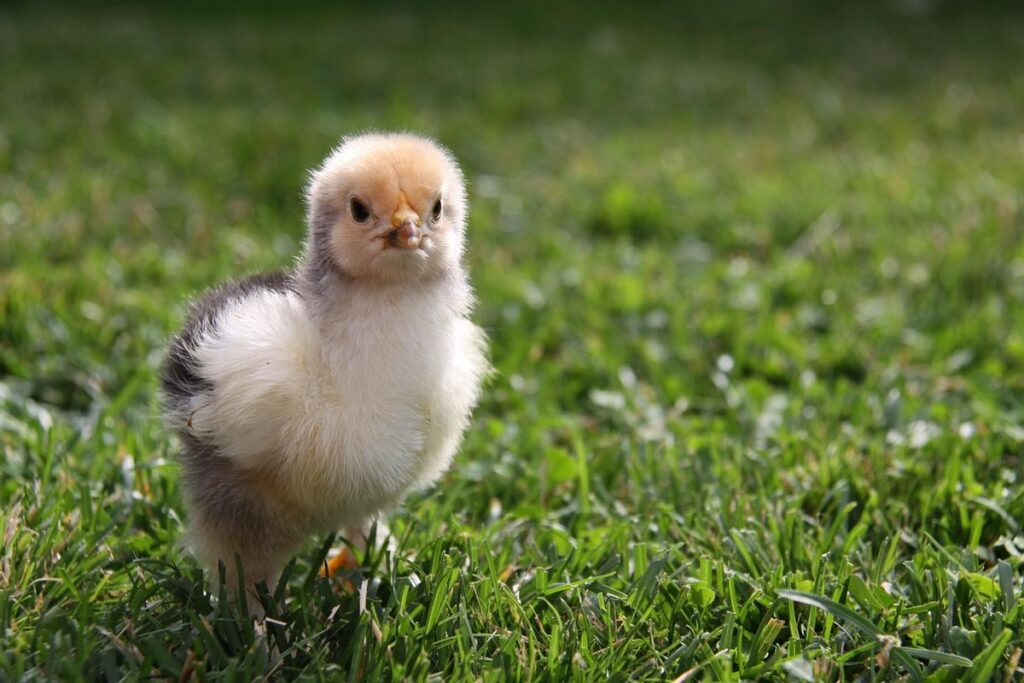
History of the Dark Brahma
The Dark Brahma breed has a rich and fascinating history that spans centuries, with its origins dating back to 19th-century England. Let’s take a step back in time and explore how this stunning breed came to be.
Origins of the Breed
The Dark Brahma breed’s origins date back to 19th century India, where it was initially bred for its distinctive traits. At that time, the Indian subcontinent was a hub of poultry breeding, with various indigenous breeds being crossed and selectively bred to create new varieties.
One such attempt was made by British colonial farmers who sought to improve egg production in their farms. They crossed the local Asil (Asiatic chicken) breed with the English Game fowl, resulting in the emergence of a large, hardy bird. This pioneering effort laid the foundation for what would eventually become the Dark Brahma.
The early Dark Brahmas quickly gained recognition for their impressive size, rich plumage, and robust constitution. Their unique characteristics made them an attractive choice for farmers seeking high-quality eggs and meat. As trade routes expanded, these birds began to be exported to other parts of Asia and later, to Europe and the Americas, spreading their influence across the globe.
The Dark Brahma’s history in India serves as a testament to the country’s rich agricultural heritage and its contributions to global poultry diversity.
Introduction to the Original Breed Standards
When the Dark Brahma was first developed in the late 19th century, it was bred to excel in a specific set of characteristics. The original breed standards, established by leading poultry associations such as the American Poultry Association (APA), outlined the ideal physical and temperamental traits for this rare breed.
One key aspect of these early breed standards was size: Dark Brahmas were expected to be sturdy birds with males reaching up to 25 pounds in weight and females up to 20 pounds. Their plumage, too, was a crucial factor – it had to be sleek and glossy, with a deep black color that covered the entire body except for the wings and tail.
In terms of temperament, breeders sought to create birds that were friendly, docile, and curious. Dark Brahmas were known to be active and alert, but also calm and even-tempered around humans. This unique combination of physical and temperamental characteristics has remained a cornerstone of the breed’s identity to this day.
Physical Characteristics
Let’s take a closer look at what makes the Dark Brahma a stunning sight: their striking black plumage and impressive size.
Size and Body Type
One of the most striking features of the Dark Brahma is its impressive size. On average, males can weigh up to 12 pounds and reach heights of 24 inches or more, making them a majestic addition to any backyard flock. Females, while slightly smaller, are still substantial birds weighing in at around 9-10 pounds. Their sturdy build and robust bone structure make them well-suited for free-ranging and foraging.
The Dark Brahma’s body type is another distinctive feature that sets it apart from other breeds. Its long, slender neck, coupled with its broad chest and well-feathered legs, gives the bird a regal appearance. The breed’s plumage is equally impressive, featuring glossy black feathers with subtle sheens of blue or purple undertones in certain lighting conditions. This unique coloration, combined with their massive size, has made Dark Brahmas a favorite among poultry enthusiasts who appreciate their striking appearance.
Dark Brahmas are also known for their excellent egg-laying abilities, producing large brown eggs that are often sought after by chefs and home cooks alike.
Color and Feathers
One of the most distinctive features of the Dark Brahma is its striking coloration and soft feathers. The breed comes in a range of colors, including black, dark brown, and light brown, each with its own unique feather pattern. Some Dark Brahmas have a glossy sheen to their feathers, while others have a more subdued matte finish.
In terms of feather patterns, you’ll notice that the Dark Brahma has a beautiful, lacy texture to its plumage. This is due in part to the breed’s tight, compact feathers, which give it a plush and soft appearance. When choosing a Dark Brahma, look for birds with well-defined feather edges and a full, rounded tail.
Some common color varieties within the breed include:
* Black: A glossy black coat with no white or light markings
* Dark Brown: A rich, dark brown coat with a subtle sheen
* Light Brown: A warm, golden-brown coat with a soft texture
When it comes to feather maintenance, keep in mind that Dark Brahmas require regular grooming to prevent matting and tangling. Use a gentle brush or comb to work through the bird’s feathers, paying particular attention to any areas where the feathers seem particularly tight or matted.
Temperament and Personality
When it comes to their temperament and personality, Dark Brahmas are often described as gentle giants, making them a wonderful addition to families and experienced poultry keepers alike.
Friendliness and Social Nature
One of the most appealing characteristics of the Dark Brahma is its extremely friendly and social nature. This breed has a unique ability to bond with people and other animals alike, making them an excellent choice for families with children and first-time chicken keepers.
Dark Brahmas are known to be docile and calm, which makes them a great option for those who want to raise chickens in a backyard setting without the worry of aggressive behavior. They are also highly social birds that thrive on human interaction and will often follow their owners around the yard or even into the house. In fact, many Dark Brahma owners have reported that their birds love to be petted and cuddled, making them an excellent addition to any family.
If you’re considering bringing a Dark Brahma into your life, it’s essential to understand their social needs. Provide plenty of space for them to roam and engage in activities with you, such as playing or feeding. With proper care and attention, Dark Brahmas can become beloved members of the family, offering endless entertainment and companionship.
Docility and Trainability
When it comes to temperament and personality, one of the most appealing aspects of the Dark Brahma is their docile nature. These birds are known for being friendly and approachable, making them an excellent choice for backyard flocks and small farms. Their calm demeanor allows them to get along with other breeds and even with children, which is a rare trait in chickens.
One reason why Dark Brahmas make such great pets is that they’re extremely trainable. They’re highly responsive to commands and can learn to perform a variety of tasks, from following specific routes around the yard to recognizing their owner’s presence. With patience and consistency, you can teach your Dark Brahma to do just about anything.
In fact, many breeders and owners have reported success with training their Dark Brahmas using positive reinforcement techniques. By offering treats and praise when they exhibit desired behavior, you can create a well-behaved and obedient flock member. This trainability also makes them an excellent choice for those who want to incorporate chickens into their daily lives, such as helping with pest control or providing entertainment.
Health and Nutrition
As you care for your new feathered friend, it’s essential to know how to keep them healthy and thriving. This section will cover the dietary needs of Dark Brahma chickens.
Common Health Issues
As the proud owner of a Dark Brahma, it’s essential to be aware of the common health issues that may affect this lovable breed. While they are generally hardy, Dark Brahmas can be prone to certain problems due to their unique characteristics.
One of the most significant health concerns for Dark Brahmas is obesity. These birds have a tendency to overeat, especially if fed a high-calorie diet or allowed too much free-ranging time. This can lead to a range of issues, including heart disease, joint problems, and reduced egg production (if applicable). To prevent this, ensure your Dark Brahma gets regular exercise through daily walks or playtime in a secure area. Also, monitor their food intake closely and provide a balanced diet that’s tailored to their age and activity level.
Another common issue is respiratory problems, which can be exacerbated by poor ventilation or drafty living conditions. Keep an eye out for signs such as coughing, sneezing, or labored breathing, and take prompt action if you notice any of these symptoms.
In addition to these issues, Dark Brahmas may also experience Marek’s disease, a viral infection that affects young birds. However, this can be largely prevented by maintaining good biosecurity practices, such as regularly cleaning the coop and run, and separating new birds from existing flock members for a period of time.
By staying vigilant and taking proactive steps to maintain their health, you can help ensure your Dark Brahma lives a long, happy, and healthy life. Regular veterinary check-ups are also essential in identifying any potential issues early on, so be sure to schedule regular visits with a qualified poultry expert.
Nutrition and Diet Requirements
When it comes to feeding your Dark Brahma flock, it’s essential to provide them with a balanced diet that meets their unique nutritional needs. As a heritage breed, Dark Brahmas are known for their hardiness and robust health, but they still require careful attention when it comes to nutrition.
A good starting point is to understand the age and life stage of your birds. Baby chicks (0-6 weeks) need starter feed with 18% protein content, while growing pullets (6-20 weeks) require a grower feed with 16-18% protein. Laying hens, on the other hand, need layers feed with around 15% protein content.
In addition to commercial feeds, you can also supplement your Dark Brahmas’ diet with fruits and vegetables like leafy greens, carrots, and berries. Fresh water should always be available, and a calcium source such as crushed eggshells or oyster shells is necessary for maintaining strong bones.
It’s also worth noting that Dark Brahmas have a tendency to overeat, so monitor their feed intake closely to prevent obesity. With careful planning and attention to detail, you can provide your flock with the nutrition they need to thrive.
Breeding and Showing
If you’re interested in breeding Dark Brahmas, understanding their temperament and needs is crucial. This section will delve into the specifics of breeding and showing these lovable birds successfully.
Choosing the Right Bloodlines
When choosing the right bloodlines for breeding or showing your Dark Brahmas, several key factors come into play. First and foremost, you’ll want to consider the breed standard. Look for sire and dam lines that have been consistently bred according to the American Poultry Association’s (APA) standards for size, feathering, and temperament.
It’s also crucial to research the health history of your potential breeding stock. A thorough examination of their pedigree will help you identify any inherited traits or potential health issues. Look for bloodlines with a strong emphasis on genetic diversity, as this can reduce the likelihood of inherited diseases.
In addition to these factors, don’t underestimate the importance of temperament. Dark Brahmas are known for their gentle and docile nature, so it’s essential to choose breeding stock that exhibits these traits. By selecting sire and dam lines that prioritize temperament alongside physical characteristics, you’ll be well on your way to raising healthy, well-adjusted Dark Brahmas.
Tips for Successful Breeding Programs
When establishing a breeding program for Dark Brahmas, it’s essential to consider the genetic diversity of your flock. This is particularly crucial when working with a rare breed like the Dark Brahma, where every individual contributes significantly to the gene pool. To manage genetics effectively, prioritize selecting birds that exhibit desirable traits such as plumage quality, temperament, and fertility.
Maintaining accurate records is also vital for successful breeding programs. Keep detailed notes on each bird’s ancestry, including its pedigree, health checks, and breeding history. This information will help you make informed decisions about pairing birds and ensure the genetic integrity of your flock. Regularly review and update these records to identify trends and areas for improvement.
To effectively market your Dark Brahma breeders, leverage social media platforms and participate in poultry shows to network with other breed enthusiasts. Share high-quality photos and videos of your birds to showcase their exceptional characteristics, such as rich plumage coloration and sturdy builds. By highlighting the unique qualities of your flock, you’ll attract potential buyers and help preserve this rare and lovable breed.
Raising Dark Brahmas
Raising Dark Brahmas can be a delightful experience, especially for first-time chicken keepers, and requires attention to their unique needs and temperaments from an early age. Learn how to create a happy and healthy home for your new flock.
Starting with Chicks or Pullets
When starting with chicks or pullets, it’s essential to consider their specific needs and introduce them to your existing flock carefully. Chicks are most vulnerable during the first few weeks of life, so it’s crucial to provide a safe and stress-free environment.
For new arrivals, begin by separating them from the main flock for a few days to allow them to acclimate to their surroundings. Ensure they have access to fresh water, nutritious feed, and a clean living space. Monitor their health closely during this period, watching for signs of stress or illness.
Once the chicks are settled, it’s time to integrate them into your main flock. Start with visual introductions by placing the birds in adjacent enclosures, allowing them to become familiar with each other’s presence without the risk of confrontation. Once they seem comfortable with each other’s presence, you can begin supervised interactions under close observation.
Tips for a Happy and Healthy Flock
When it comes to raising happy and healthy Dark Brahmas, there are several key factors to consider. First and foremost, provide adequate space for your birds to roam and exercise. A general rule of thumb is to allocate at least 2-3 square feet per bird indoors, and a securely fenced area of around 10-15 square feet per bird outdoors.
Ensure that your Dark Brahmas have access to clean drinking water at all times. Change the water frequently to prevent bacterial growth, and consider installing automatic waterers for added convenience. A balanced diet is also essential; Dark Brahmas are omnivores, so feed them a high-quality layer feed with occasional treats of fresh fruits and vegetables.
When it comes to nutrition, consider supplementing with calcium-rich foods like oyster shells or crushed eggshells to support strong bone growth. Provide a varied and nutrient-dense diet to keep your birds healthy and happy.
Conclusion
As you near the end of our journey through the world of Dark Brahmas, let’s summarize what we’ve learned and reflect on why these lovable birds have captured hearts.
Recap of Key Points
As you’ve now reached the end of this comprehensive guide to the Dark Brahma breed, let’s take a moment to recap the key points covered. By understanding these essential aspects, you’ll be well-equipped to appreciate and care for these lovable birds.
Firstly, we explored the origins of the Dark Brahma, tracing its roots back to India where it was bred from the indigenous Cochin breed. This unique heritage has contributed significantly to the breed’s distinct characteristics. We also discussed the breed’s physical attributes, including its impressive size, gentle disposition, and striking appearance with its sleek black plumage.
In addition to its looks and temperament, we delved into the Dark Brahma’s behavior, noting that it is a calm and docile bird, making it an excellent choice for families or those new to raising poultry. We also highlighted the importance of proper care and nutrition in maintaining the breed’s health and well-being.
Another crucial aspect covered was the challenges associated with breeding the Dark Brahma due to its rarity. As this breed is not as widely available as some other types, it can be more difficult to source. However, for those willing to put in the effort, the rewards are well worth it – a loyal companion and a truly unique addition to any backyard flock.
As you consider bringing a Dark Brahma into your life, remember that patience and persistence are key. With proper care and attention, these birds can thrive and bring joy to your family for years to come.
Frequently Asked Questions
Can Dark Brahmas adapt to a variety of living situations, including small backyards or apartments?
Dark Brahmas can thrive in various living situations due to their calm nature and relatively low space requirements. However, they still need adequate room for movement and exercise. If you’re planning to keep them in a smaller space, ensure it’s well-ventilated, has enough space for nesting boxes, and provides regular access to outdoors.
How can I prevent common health issues in Dark Brahmas, such as Marek’s disease or bronchitis?
Preventing common health issues requires attention to nutrition, living conditions, and vaccination schedules. Ensure your birds receive a balanced diet, have access to clean water, and are regularly vaccinated against diseases like Marek’s. A well-ventilated coop with adequate space will also help reduce the risk of respiratory problems.
What’s the best way to introduce new Dark Brahmas to an existing flock, especially if there are roosters involved?
When introducing new birds, do it gradually to avoid stressing your existing flock. Keep the new birds separated for a few days before integrating them into the main coop. Supervise their interactions closely, and make sure each bird has its own space and resources.
Can Dark Brahmas be used as laying hens, or are they primarily bred for show?
Dark Brahmas can be excellent laying hens, with some individuals producing up to 200 brown eggs per year. While their primary purpose is often show, many breeders value them for their egg-laying abilities and rich, dark-brown eggs.
How long does it typically take for a Dark Brahma chick or pullet to mature, and when can I expect them to start laying?
Dark Brahma chicks typically take around 6-8 weeks to mature from hatching. Pullets usually begin laying at around 20-24 weeks of age, with some individuals starting as early as 16-18 weeks. Keep in mind that proper nutrition, living conditions, and genetic factors influence their development and reproductive timelines.