
Are you fascinated by ducks with a touch of drama and flair? Look no further than the stunning Magpie Duck breed! With their distinctive plumage and charming personalities, these birds have captured the hearts of many poultry enthusiasts. But what makes them so unique, and how can you bring one home to your backyard or farm?
In this article, we’ll delve into the captivating world of Magpie Ducks, exploring their rich history, intriguing characteristics, and expert care techniques. Whether you’re a seasoned breeder or just starting out, our comprehensive guide will walk you through everything you need to know about raising and showing these stunning birds. From breeding methods to show preparation, we’ve got you covered – so keep reading to discover the magic of Magpie Ducks!
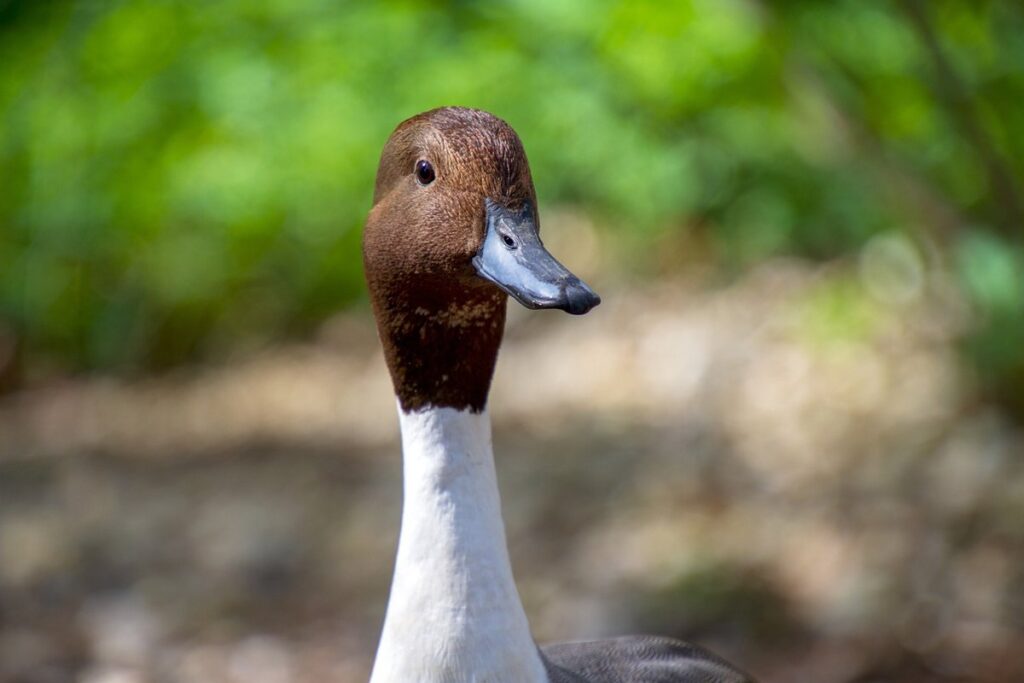
Origins and History of the Magpie Duck
Let’s dive into the fascinating history of the magpie duck breed, which spans centuries and multiple continents, shaping its unique characteristics today. The breed’s rich past is crucial to understanding its present.
Early Development and Purpose
The magpie duck breed was developed in Europe for its unique appearance and egg-laying abilities. The early history of this breed dates back to the 19th century when European farmers sought a bird that combined the attractive plumage of waterfowl with the prolific egg-laying capabilities of domestic ducks.
Initially, magpie ducks were bred as ornamental birds, prized for their striking black and white feathers and bold personalities. However, their high egg production quickly made them an asset to small-scale farming operations. It’s not uncommon for a single magpie duck to lay up to 300 eggs per year, making them an attractive addition to backyard flocks.
As the breed gained popularity, farmers began selecting for specific characteristics such as feather coloration, beak shape, and temperament. Today, magpie ducks are bred for their distinctive appearance as well as their hardiness and ease of care. If you’re considering adding a magpie duck to your flock, look for birds with vibrant black and white feathers, a strong beak, and a lively personality – these traits will ensure that your magpie duck is a valuable contributor to both the beauty and productivity of your backyard farm.
Historical Popularity and Distribution
The magpie duck breed has undergone significant growth in popularity over the years. Initially introduced to European farms in the 1960s, this crossbreed gained attention for its unique characteristics and high egg-laying capacity. Notably, breeders like Robert Rose of California and Bob Miller of Texas made substantial contributions to the development of the magpie duck.
The distribution of magpie ducks has expanded globally, with significant populations found in North America, Europe, and Australia. The breed’s adaptability to various environments and its ability to thrive in different climates have facilitated its widespread adoption. As a result, many farms now incorporate magpie ducks into their operations due to their exceptional foraging abilities and disease resistance.
Notable characteristics of the magpie duck include its striking plumage patterns, high fertility rates, and impressive egg production (averaging 180-200 eggs per year). As more breeders become aware of the benefits associated with this crossbreed, it is likely that the magpie duck will continue to gain popularity in the poultry industry.
Characteristics and Appearance
The Magpie Duck breed is known for its striking appearance, and there are several key characteristics that set it apart from other duck breeds. Let’s take a closer look at what makes them so unique.
Physical Traits and Variations
The magpie duck breed is easily recognizable due to its striking plumage patterns. One of the most distinctive features of this breed is its feathers, which display a mix of black, white, and iridescent colors in various combinations. The exact pattern can vary significantly from one bird to another, with some having predominantly white or black feathers.
In terms of beak shape, magpie ducks have broad, flat beaks that are perfectly adapted for foraging on land. This feature is essential for their survival, as they primarily feed on grasses, aquatic plants, and insects. Their bodies are medium-sized, with males weighing between 4-6 kg (8.8-13.2 lbs) and females weighing slightly less.
There are several variations within the magpie duck breed, each with its unique characteristics. For example, some have a predominantly white plumage with black tips on their feathers, while others display more pronounced iridescence. When selecting a magpie duck for your flock, it’s essential to consider these physical traits and choose an individual that fits your desired breeding program or lifestyle.
The variations in size and feather pattern can also affect the bird’s temperament and behavior. For instance, some breeders report that white magpie ducks are more docile and easier to handle than their black counterparts.
Markings and Coloration Patterns
Magpies are known for their striking appearance, and the Magpie duck breed is no exception. One of the most distinctive features of this breed is its unique coloration patterns. The plumage of a Magpie duck typically consists of a mix of white, black, and gray feathers, which create a beautiful contrast.
There are several recognized coloration patterns within the Magpie breed, including the Blue Swedish Magpie and the White Magpie. The Blue Swedish Magpie features a predominantly blue-gray coat with white highlights, while the White Magpie boasts a crisp white plumage with black accents. Some Magpies may also display a more mottled or speckled pattern, giving them a delightfully rustic appearance.
When it comes to choosing a Magpie duck for your flock, be sure to consider the coloration pattern that suits your preferences. If you’re looking for a more dramatic appearance, the Blue Swedish Magpie might be the way to go. However, if you prefer a cleaner, more elegant look, the White Magpie could be the better choice. Ultimately, the unique markings and coloration patterns of the Magpie duck breed make each bird a standout in its own right.
Temperament and Personality
So, you’re wondering what it’s like to have a magpie duck as a pet? Their temperament and personality are quite unique, making them an entertaining addition to any backyard flock.
Socialization and Trainability
Socialization and trainability are crucial aspects of a magpie duck’s temperament and personality. As a social bird, magpies require attention and interaction from their human caregivers to develop good behavior and prevent unwanted habits.
Maggie ducks are known for their intelligence and strong personalities, making them highly trainable with positive reinforcement techniques. Start by establishing trust through gentle interactions, offering treats, and engaging in activities that promote bonding, such as swimming or walking together.
For effective socialization, expose your magpie duck to various environments, people, and other animals from an early age. Gradually introduce new stimuli to prevent overwhelming the bird. Be patient and consistent in your training approach, rewarding desired behaviors with treats or praise.
Remember that every magpie duck is unique, so it’s essential to tailor your socialization and training strategy to their individual needs and personality traits. By doing so, you’ll build a strong foundation for a happy, well-adjusted, and obedient companion.
Compatibility with Other Birds
When it comes to introducing magpie ducks to other birds, especially in a domestic or farm setting, their temperament and personality play a crucial role. Magpie ducks are known for their intelligence, social nature, and adaptability, which makes them relatively easy to integrate with other bird species.
In general, magpie ducks tend to get along well with other waterfowl like geese, swans, and muscovy ducks. However, introducing them to smaller or more timid birds can be challenging. To minimize stress and ensure a smooth introduction, it’s essential to do it gradually. Start by keeping the new bird species in adjacent enclosures for a few days before allowing them to interact freely.
Some tips for introducing magpie ducks to other birds include:
* Observe body language: Watch for signs of aggression or fear, such as hissing, growling, or avoiding eye contact.
* Provide a neutral environment: Select a spacious area where both species can feel comfortable without feeling trapped or threatened.
* Supervise interactions closely: Be prepared to intervene if necessary and reward calm behavior.
By following these guidelines and understanding the unique characteristics of magpie ducks, you can create a harmonious and thriving bird community.
Health Considerations
When considering bringing a magpie duck into your family, it’s essential to think about their health needs, including common ailments and tips for maintaining overall well-being. This section explores the key factors to consider.
Common Health Issues and Genetic Concerns
As with all breeds of ducks, magpies are prone to certain health issues that can affect their quality of life and longevity. One of the most significant concerns is feather pecking, a condition where birds obsessively peck at each other’s feathers, leading to stress, injury, and potentially even death.
Another issue affecting magpie ducks is bumblefoot, a painful foot condition caused by bacterial infections that can become severe if left untreated. Regular cleaning of the feet and monitoring for any signs of irritation or redness are essential preventative measures.
Genetic concerns also play a role in the health of magpie ducks. For instance, they are more susceptible to fatty liver syndrome due to their genetic predisposition. Responsible breeding practices and regular veterinary check-ups can help mitigate this risk.
When keeping magpies as pets, it’s crucial to research reputable breeders who prioritize health and genetics. This includes asking about the parents’ health records, vaccination history, and genetic testing. By being informed and proactive, you can minimize the risks associated with these health concerns and enjoy a happy, healthy magpie duck companion.
Nutrition and Dietary Requirements
As a magpie duck owner, it’s essential to provide your feathered friend with a balanced diet that meets their specific nutritional needs. Magpie ducks are omnivores and require a mix of protein-rich foods, fiber, and essential vitamins and minerals.
A good starting point for your magpie duck’s diet is to offer a high-quality commercial duck feed as the main staple. This should be supplemented with fresh fruits and vegetables daily, such as leafy greens like kale and spinach, carrots, and apples. It’s also crucial to provide access to clean water at all times.
In addition to their regular diet, magpie ducks benefit from occasional treats like mealworms, crickets, or hard-boiled eggs. These protein-rich foods help support feather growth, egg production, and overall health.
To ensure your magpie duck gets a balanced diet, consider the following:
* Provide at least 1/4 cup of commercial feed per pound of body weight daily
* Offer fresh fruits and vegetables in moderation (about 10% of their total diet)
* Limit treats to no more than 5-10% of their total diet
Raising Magpie Ducks
If you’re thinking of raising magpie ducks, it’s essential to understand their specific needs and care requirements to ensure they thrive in your backyard flock. This section will cover everything you need to know about caring for magpie ducklings from day one.
Housing and Environmental Needs
Magpie ducks require spacious and well-ventilated living quarters to thrive. A minimum of 10 square feet per bird is recommended for a comfortable living space. The enclosure should have adequate shelter from the elements, such as windbreaks or a covered area, to protect against extreme temperatures.
Sanitation is crucial in magpie duck housing. Regular cleaning and maintenance are essential to prevent disease and pest infestations. Remove soiled bedding material, replace it with fresh straw or hay, and disinfect all surfaces with a 1:10 ratio of bleach to water solution.
A pond or pool should be provided for swimming and exercise. The water depth should be at least 12 inches to allow the ducks to easily get in and out. A secure fence is necessary to prevent escape and predation risks.
In addition to these basic requirements, magpie ducks also benefit from enrichment activities such as scratching posts, toys, and access to a garden or yard for foraging. Providing a balanced diet and regular health checks will further ensure the overall well-being of your magpie duck flock.
Feeding and Care Techniques
When it comes to feeding and caring for magpie ducks, it’s essential to provide them with a balanced diet that meets their specific nutritional needs. Magpie ducks are considered omnivores, which means they require a mix of protein-rich foods like insects, crustaceans, and aquatic plants, as well as grains and vegetables.
A good starting point is to offer a high-quality commercial duck feed as the main staple, supplemented with fresh fruits and vegetables daily. You can also provide treats like mealworms, crickets, or even cooked chicken or fish on occasion. It’s crucial to avoid overfeeding, as magpie ducks are prone to obesity.
When interacting with your magpie ducks, it’s vital to handle them gently but firmly, supporting their body and keeping a firm grip around the wings. This helps them feel secure and reduces stress. Also, ensure you keep your surroundings clean and safe from predators by securely locking any gates or enclosures.
To promote socialization, consider introducing multiple magpie ducklings to each other at an early age, under close supervision.
Breeding and Showing Magpie Ducks
If you’re interested in breeding or showing magpie ducks, understanding their temperament, health, and specific breed standards is crucial to achieving success. This section will cover essential tips and guidelines for responsible breeding and showcasing of this unique breed.
Principles of Selective Breeding
Selective breeding is a crucial process that has shaped the magpie duck breed into what it is today. In simple terms, selective breeding involves choosing parents with desirable traits and breeding them to pass those characteristics on to their offspring. This approach allows breeders to concentrate on specific qualities they want to see in the next generation.
For magpie ducks, breeders can use selective breeding to enhance characteristics such as egg-laying capacity, feather quality, or temperament. For instance, if a breeder wants to increase the magpie duck’s egg production, they would select parents with high laying abilities and breed them together. Over time, this repeated selection process will lead to a generation of ducks that excel in egg production.
Breeders can also use selective breeding to improve the magpie duck’s appearance. For example, if a breeder wants to create a magpie duck with more vibrant colors or improved feather pattern, they would select parents with these traits and breed them together. By consistently selecting for desirable characteristics, breeders can shape the magpie duck breed into their ideal vision.
It’s essential for breeders to have a clear understanding of genetics and how traits are inherited when using selective breeding. This will help them make informed decisions about which ducks to pair together and increase the chances of achieving their desired outcomes.
Showing Guidelines and Regulations
When showing magpie ducks in competitions, it’s essential to familiarize yourself with the guidelines and regulations set by the governing body of the event. The American Bantam Association (ABA) and the American Poultry Association (APA) are two prominent organizations that establish breed standards and judging criteria for magpie ducks.
To compete successfully, you’ll need to understand the breed standard for magpie ducks, which includes parameters such as size, weight, plumage, beak shape, and leg color. The ABA specifies that magpie ducks should weigh between 4-6 pounds (1.8-2.7 kg) and have a length of around 10-12 inches (25-30 cm). When it comes to judging, the APA emphasizes the importance of evenness in feathering, proper alignment of the tail feathers, and a well-formed beak.
During the showing process, you’ll be expected to present your magpie duck according to specific guidelines. This includes ensuring the bird is clean, dry, and free from any defects or blemishes. It’s also crucial to understand that judges may deduct points for any deviations from the breed standard, so it’s essential to carefully examine your magpie duck before entering them into a competition.
Conclusion
Now that you’ve learned all about the unique characteristics and care requirements of the magpie duck breed, let’s summarize the key takeaways from our comprehensive guide.
Recap of Key Points
In conclusion to our comprehensive guide on the magpie duck breed, let’s recap the key points that will help you better understand and care for these unique birds.
The magpie duck breed is known for its striking appearance, with a mix of white, black, and gray feathers. We discussed how their coloration can vary depending on their sex, with females often having darker plumage than males. This characteristic makes them stand out in the world of waterfowl.
Another key feature of magpie ducks is their intelligence and curiosity. These birds are known to be active foragers, requiring a lot of space to roam and exercise. They also require a balanced diet that includes high-quality protein sources, such as grains and insects. We emphasized the importance of providing them with adequate swimming facilities and ensuring they have access to clean water at all times.
We also highlighted the specific requirements of magpie ducks when it comes to housing. They need large enclosures or aviaries that provide ample space for flight and exercise. The enclosure should be well-ventilated, secure, and protected from harsh weather conditions.
In addition, we discussed the health concerns associated with magpie ducks, such as their susceptibility to certain diseases and parasites. We provided practical advice on how to maintain good health by keeping a clean environment, providing regular veterinary check-ups, and following proper vaccination protocols.
Finally, we touched on the importance of social interaction for magpie ducks, which thrive in the company of other birds. If you’re considering raising these birds as pets or adding them to your existing flock, it’s essential to provide them with adequate companionship and stimulation to prevent boredom and stress.
Frequently Asked Questions
Can I start breeding Magpie Ducks right away, or do I need experience with other duck breeds?
Before diving into breeding Magpie Ducks, it’s recommended to gain some experience with other duck breeds to develop essential skills and knowledge. Understanding the basics of duck behavior, nutrition, and health will help you better care for your Magpie Ducks and make informed decisions about breeding.
How do I prevent common health issues in my Magpie Duck flock?
Regular monitoring of your ducks’ health is crucial to preventing common issues like respiratory problems or feather pecking. Ensure a balanced diet, provide adequate space and exercise, and keep an eye out for signs of illness. Consult with a veterinarian experienced in poultry care to develop a comprehensive health plan for your flock.
Can Magpie Ducks be kept in small backyards, or do they require a large farm?
Magpie Ducks can thrive in smaller spaces if provided with suitable housing and adequate exercise areas. However, their high energy levels and love for swimming mean they’ll appreciate larger enclosures where they can roam freely. Consider your yard’s size and layout when deciding whether to keep Magpie Ducks.
How do I introduce a new Magpie Duck to an existing flock?
When introducing a new bird to your existing flock, do it gradually to avoid stress and potential conflicts. Start by keeping the new duck isolated for a few days before slowly integrating it with the others under close supervision. Ensure the new bird has its own feeding area and shelter initially.
Can Magpie Ducks be kept as pets in urban areas?
While Magpie Ducks can make wonderful pets, their loud quacking and flying abilities may not be suitable for all urban environments. Research local regulations regarding backyard poultry and consider your neighbors’ potential noise complaints before deciding to keep Magpie Ducks as pets in an urban setting.