
Are you thinking of adding some Rhode Island Reds to your backyard flock? With their stunning feathers, impressive egg-laying abilities, and friendly personalities, it’s no wonder why this breed is a favorite among chicken keepers. But what makes them so special? In this ultimate guide, we’ll delve into the characteristics that make Hen Rhode Island Reds stand out, from their rich brown eggs to their curious nature.
We’ll explore their egg-laying performance in detail, including tips on how to maximize their productivity and ensure a steady supply of fresh eggs. You’ll also discover creative ways to use your Rhode Island Red hens‘ talents, whether you’re looking to start a small farm or simply want to add some flavor to your garden. By the end of this article, you’ll be equipped with everything you need to raise happy, healthy Hen Rhode Island Reds and make the most of their unique gifts.
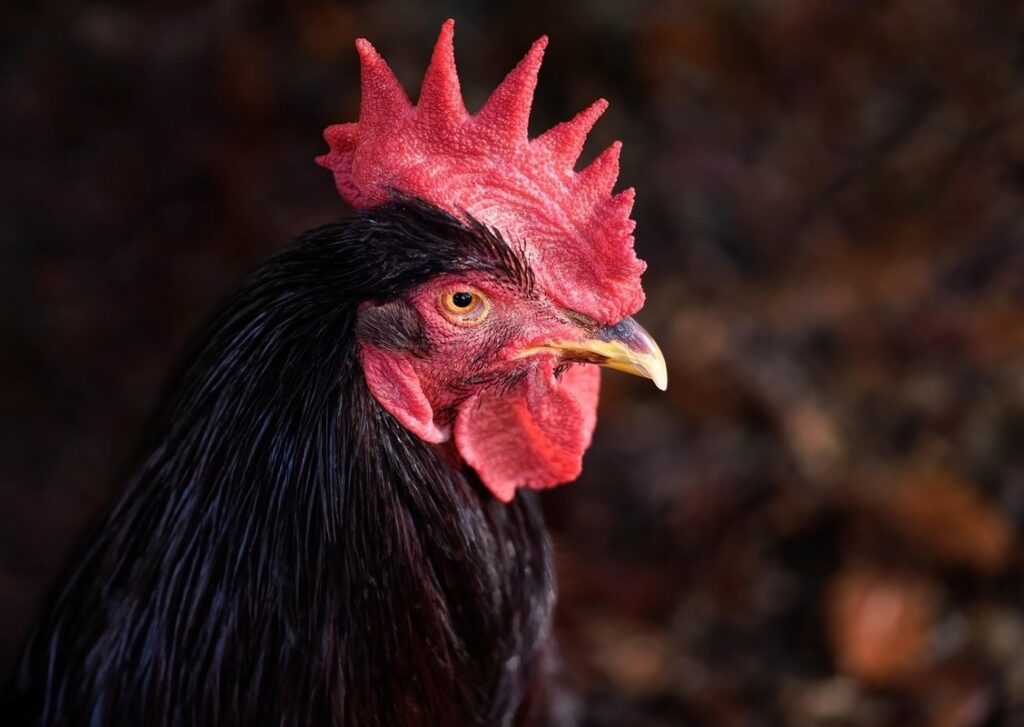
Characteristics and History of Rhode Island Reds
When it comes to understanding these beloved birds, knowing their unique characteristics and rich history is key. Let’s dive into the fascinating facts about Rhode Island Reds that make them so special.
Origins and Breeding History
Rhode Island Reds have a rich history that dates back to the early 19th century. Originating from New England, specifically from Little Compton and Tiverton, Rhode Island, this breed was developed to thrive in the harsh New England climate. Their ancestors were brought over by English settlers who wanted chickens that could tolerate cold temperatures and lay plenty of eggs.
As a dual-purpose breed, Rhode Island Reds were bred for both their egg-laying abilities and meat production. They quickly gained popularity due to their high productivity, friendly temperament, and striking appearance. In the late 1800s, the first standard was developed, and in 1891, the American Poultry Association recognized the Rhode Island Red as a distinct breed.
The key characteristics that made this breed so desirable were its high egg production (around 200-220 brown eggs per year), fast growth rate, and robust build. This perfect combination of traits has enabled the Rhode Island Red to remain a favorite among backyard chicken enthusiasts and commercial farmers alike. Their adaptability and hardiness have also earned them a reputation as one of the most reliable breeds for those new to raising chickens.
Key Physical Characteristics
Rhode Island Red hens are known for their striking appearance and distinct physical characteristics that set them apart from other breeds. One of the most recognizable features is their plumage, which is a rich, deep red color with black tail feathers and a golden-brown sheen to their wings. This beautiful coat is not only aesthetically pleasing but also provides excellent insulation and protection from the elements.
In terms of size, Rhode Island Red hens are medium to large-sized birds, typically weighing between 7-9 pounds and standing around 24 inches tall. Their beak shape is also distinctive, being broad and deep with a slight curve, ideal for scratching in the dirt for food. When it comes to their overall build, these hens have a sturdy, muscular body that is well-suited to foraging and free-ranging.
Their size and robust build make them an excellent choice for backyard flocks where they will be given plenty of space to roam and exercise. However, keep in mind that this breed can be prone to weight gain if overfed, so be sure to monitor their diet carefully to maintain a healthy weight.
Temperament and Personality Traits
Rhode Island Red hens are renowned for their exceptional temperament and personality traits. They are known to be docile, gentle, and laid-back birds that are easy to handle and interact with. This makes them an ideal choice for backyard chicken keepers, especially those who have young children or limited experience with poultry.
One of the most notable characteristics of Rhode Island Red hens is their hardiness. They are highly adaptable and can thrive in a variety of environments, from small backyards to large farms. Their robust health and resilience make them less prone to stress and disease, which reduces the need for veterinary care and medication.
In terms of egg-laying abilities, Rhode Island Red hens are prolific layers, producing an average of 200-220 brown eggs per year. However, their egg-laying cycle can be influenced by factors such as diet, exercise, and overall health. Providing a balanced diet rich in nutrients, ensuring adequate light exposure, and maintaining a clean living environment can help optimize their egg production.
Their friendly demeanor also makes them an excellent choice for those who want to integrate chickens into their family.
Raising and Caring for Your Hen Rhode Island Reds
If you’re planning to keep Rhode Island Red hens, understanding their specific needs is crucial. Here’s what you need to know to raise and care for these beautiful birds successfully.
Housing Requirements
When it comes to housing your beloved Rhode Island Reds, providing them with a safe and comfortable living space is crucial. The coop size should be a minimum of 2-3 square feet per bird, but ideally, more space is better. This will give them enough room to move around, stretch their wings, and engage in natural behaviors.
Ventilation is also vital, as it prevents the buildup of ammonia fumes from their droppings. Ensure that your coop has adequate windows or vents to provide a cross breeze, and consider adding a ventilation system to regulate the airflow. A well-ventilated coop will keep your hens healthy and happy.
Don’t forget about the nesting box! Rhode Island Reds are prolific layers, so you’ll want to make sure each hen has her own private spot to lay eggs. The general rule of thumb is one nesting box per three birds. Add some soft bedding like straw or hay, and your girls will be laying eggs in no time. Consider adding a predator-proof roof to the coop to protect your flock from any potential threats.
Nutrition and Feeding Guidelines
When it comes to feeding and caring for your Rhode Island Red hens, understanding their nutritional needs is crucial. These ladies are egg-laying machines, and they require a balanced diet to maintain their health and energy levels.
Rhode Island Reds are omnivores, which means they love to eat a mix of grains, proteins, and vegetables. A good quality layer feed should be the foundation of their diet, providing them with essential nutrients like calcium for strong eggshells and protein for muscle maintenance. However, many backyard chicken keepers supplement their flock’s diet with fresh fruits and vegetables, which is excellent for variety and digestive health.
A general rule of thumb is to provide 1-2 cups of layer feed per hen per day, depending on their age and level of activity. It’s also essential to ensure they have access to clean water at all times. As a treat, you can offer them fruits like berries, apples, or melons, as well as leafy greens like kale or spinach.
When it comes to supplements, Rhode Island Reds do particularly well on oyster shells for calcium and probiotics for gut health. Consider adding these to their feed 1-2 times a week to keep them thriving.
Health Considerations and Common Issues
As you care for your Rhode Island Red hens, it’s essential to be aware of common health issues that may affect them. One of the most significant concerns is Marek’s disease, a viral condition that can cause paralysis and death if left untreated. Regular vaccination is crucial in preventing this disease. Additionally, respiratory issues such as bronchitis and pneumonia are common due to cold temperatures or poor ventilation in coops.
Rhode Island Reds are also prone to obesity, which can lead to various health problems. To prevent this, ensure your hens have ample space for exercise and provide a balanced diet. Regular check-ups with a veterinarian will help identify potential issues early on.
Furthermore, be mindful of egg binding, a condition where the hen has difficulty laying eggs. This can cause discomfort and even lead to injury. Monitor your hens’ behavior and health closely, and if you notice any signs of illness or distress, seek veterinary attention promptly.
Egg-Laying Performance and Expectations
As you’re considering bringing Rhode Island Red hens into your flock, let’s dive into what you can realistically expect from their egg-laying performance. These girls are known for producing plenty of eggs!
Average Egg Production and Yield
Rhode Island Red hens are renowned for their exceptional egg-laying abilities, but what can you realistically expect from these birds? On average, a healthy Rhode Island Red hen will produce around 200-220 large brown eggs per year. This translates to about 5-6 eggs per week or roughly 1 egg per day.
However, several factors can influence an individual hen’s egg-laying performance. Genetics play a significant role; some lines are bred for increased egg production, while others prioritize hardiness and longevity. Nutrition also impacts egg yield – a balanced diet rich in protein, calcium, and vitamins will support optimal egg laying. Health issues, stress levels, and exposure to light can also affect a hen’s ability to lay eggs.
If you’re planning to keep Rhode Island Reds as backyard layers, it’s essential to provide them with the best possible conditions for egg production. Ensure they have access to a balanced diet, plenty of fresh water, and adequate space to roam. Regular health checks and maintenance will also help minimize any potential issues that might impact their egg-laying performance.
Factors Affecting Egg Quality and Quantity
When it comes to egg-laying performance, Rhode Island Reds are known for their impressive production. However, several factors can impact both the quality and quantity of eggs laid by these hens. One key factor is breed-specific traits: Rhode Island Reds have a natural tendency to lay large brown eggs, but some individuals may be more prolific than others.
Nutrition also plays a crucial role in egg quality and quantity. A balanced diet rich in essential vitamins and minerals can help support optimal production. For example, calcium and protein are particularly important for maintaining strong eggshells and promoting healthy fertility. To ensure your Rhode Island Reds receive the nutrients they need, consider supplementing their feed with crushed oyster shells or offering leafy greens like kale or spinach.
Environmental conditions also affect egg-laying performance. Factors such as light exposure, temperature, and humidity can all impact production levels. For instance, ensuring that your flock receives at least 14 hours of daylight per day can help stimulate egg laying. Similarly, maintaining a comfortable temperature range between 40°F and 80°F (4°C to 27°C) can promote optimal health and fertility.
Keep in mind that individual personalities and characteristics can also influence egg-laying performance. Some Rhode Island Reds may be more productive than others due to their temperament or energy level. By understanding these factors and making adjustments accordingly, you can help optimize your flock’s egg production and overall well-being.
Tips for Maximizing Egg Production and Quality
To maximize egg production and quality in your Rhode Island Red hens, it’s essential to provide them with an ideal environment. Ensure they have access to a balanced diet that includes high-quality layer feed, supplemented with fresh fruits and vegetables. A calcium-rich diet is particularly crucial for maintaining strong eggshells.
Regular health checks are also vital to prevent diseases that can affect egg production. Monitor your hens’ behavior, droppings, and body condition score (BCS) to detect any potential issues early on. Keep their coop clean and well-ventilated to reduce stress and maintain air quality.
Rhode Island Red hens require adequate space to roam and exercise, so provide a spacious run or enclosure for them to move around freely. The ideal temperature range for these birds is between 40°F and 80°F (4°C and 27°C), so ensure their coop can maintain this temperature during extreme weather conditions.
To promote egg quality, collect eggs regularly to prevent breakage and reduce the risk of bacterial contamination. By following these tips and creating a suitable environment, you’ll be able to maximize your Rhode Island Red hens’ egg production and quality.
Showing and Judging Your Hen Rhode Island Reds
As you consider showing your hen Rhode Island Reds, it’s essential to understand the judging criteria and how to showcase their unique characteristics effectively. Let’s dive into what judges are looking for in a winning bird.
Breed Standards and Expectations
When showing and judging your hen Rhode Island Reds, it’s essential to understand and adhere to the breed standards. The American Poultry Association (APA) sets these standards, which serve as a guide for evaluating the quality of these birds. Familiarize yourself with the APA’s Standard of Perfection for the Rhode Island Red breed to ensure you’re knowledgeable about the characteristics that make up an ideal specimen.
Key features to focus on include a deep, rich red plumage, a broad chest, and a well-set tail. The bird should have a clean, even comb, with no signs of mites or lice. The APA also emphasizes the importance of correct carriage and movement, so observe how your hen moves around the coop and on the judging table.
When preparing your hen for showing, make sure to trim her nails regularly and keep her feathers in top condition. Practice handling and grooming her gently but firmly to help her become accustomed to being handled by strangers. This will not only improve her overall appearance but also make the experience less stressful for both you and your hen.
Tips for Selecting Show-Quality Birds
When selecting show-quality birds from your flock, it’s essential to consider breed-specific traits and characteristics. For Hen Rhode Island Reds, this means looking for birds that exhibit the ideal balance of size, shape, and feather quality.
Start by evaluating the bird’s overall appearance. A show-quality Hen Rhode Island Red should have a rich, chestnut-brown plumage with a subtle sheen to the feathers. The breast should be well-filled and flat, with a gentle curve leading up to the wings. Look for birds with clean, even markings and a well-defined saddle.
Next, examine the bird’s size and proportion. A mature Hen Rhode Island Red should weigh around 6-7 pounds (2.7-3.2 kg) and stand approximately 28 inches (71 cm) tall at the shoulder. The wings should be long and broad, with a slight curve to the tips.
When evaluating feather quality, consider factors like fluffiness, texture, and density. A show-quality Hen Rhode Island Red’s feathers should be smooth, glossy, and well-laid against the body. Avoid birds with ruffled or uneven feathers, as these can detract from the bird’s overall appearance.
Best Practices for Showing and Judging
When it’s time to show off your prized hen Rhode Island Reds, you want to make sure they’re at their best. Preparation is key when it comes to showing and judging these birds, so let’s dive into some best practices.
First, familiarize yourself with the breed standard for Rhode Island Reds. This will give you a clear understanding of what judges are looking for in terms of plumage, size, and overall appearance. Next, make sure your hen is well-groomed and clean. A good show conditioner can work wonders, but be careful not to overdo it – you want to enhance the natural beauty of the bird, not hide behind a layer of product.
When presenting your hen, remember that etiquette matters. Make eye contact with the judge, speak clearly about your bird’s qualities, and be confident in their appearance. Some show organizers also require handlers to wear specific attire or accessories, so be sure to check the rules beforehand. By following these guidelines and putting in the time to prepare your hen, you’ll be well on your way to a successful showing experience.
Uses and Value of Hen Rhode Island Reds
Whether you’re a seasoned chicken keeper or just starting out, understanding the practical uses and value of these birds is essential to making the most of your flock. Let’s explore their many benefits together!
Dual-Purpose Breed Characteristics
Rhode Island Red chickens are renowned for their impressive dual-purpose characteristics. They excel as both egg layers and meat birds, making them an excellent choice for small-scale farmers and backyard enthusiasts. As a dual-purpose breed, Rhode Island Reds have a remarkable ability to produce high-quality eggs while also growing at a moderate pace to maturity.
One of the key advantages of raising Rhode Island Reds is their impressive egg-laying capacity. On average, a mature hen will lay around 200-220 brown eggs per year, with some individuals producing as many as 250 eggs annually. This makes them an excellent choice for families or small-scale farmers looking for a reliable source of fresh eggs.
In terms of meat production, Rhode Island Reds have a moderate growth rate, taking approximately 18-20 weeks to reach market weight. Their meat is known for its rich flavor and tender texture, making them a popular choice among chefs and home cooks.
Market Demand and Value
When it comes to market demand and value for Rhode Island Red chickens, several factors can influence their price and availability. One significant factor is their adaptability and hardiness, making them a popular choice among backyard chicken keepers and farmers alike. As a result, breeders often prioritize raising Rhode Island Reds due to strong consumer demand.
This demand has led to an increase in the market value of these birds, especially if they are raised on small farms or homesteads. According to a recent survey by the American Poultry Association, the average price for a hen Rhode Island Red can range from $20 to $50, depending on factors such as age, sex, and bloodline.
Keep in mind that prices may vary depending on your location and local market conditions. To ensure you get the best value for your money, it’s essential to research reputable breeders or suppliers in your area. Some breeders may offer higher-quality birds at a premium price, while others might offer more affordable options with similar characteristics.
When evaluating the cost of Rhode Island Red chickens, consider not just the initial purchase price but also ongoing expenses such as feed and healthcare costs. By understanding market demand and value, you can make informed decisions when adding these wonderful birds to your flock.
Creative Uses and Products
One of the most unique aspects of keeping Hen Rhode Island Reds is the wide range of creative uses and products that can be made from their feathers, eggs, and other byproducts. If you’re looking to get the most out of your flock, consider repurposing these valuable resources.
For instance, Rhode Island Red chicken feathers can be used for crafting, such as making decorative items like wreaths, boas, or even dyeing fabric. Many crafters appreciate the distinctive color and texture of these feathers, which can add a personal touch to handmade gifts or home decor. You can also use them to create soft, warm bedding or stuffing for pillows.
Eggshell calcium powder is another valuable byproduct that can be used as a natural pest deterrent for plants, or even as a supplement for your chickens’ diet. The eggs themselves are rich in nutrients and can be sold or traded with local bakeries, restaurants, or health-conscious individuals who appreciate the nutritional benefits of farm-fresh eggs.
When it comes to other byproducts, consider composting chicken manure to create nutrient-rich fertilizer for your garden. This natural process reduces waste while providing a valuable resource for your plants. You can also use Rhode Island Red feathers and down to make warm, insulated clothing or bedding.
Conclusion: Why You Should Consider Keeping Hen Rhode Island Reds
As we near the end of our journey through the wonderful world of Hen Rhode Island Red chickens, let’s summarize why these birds have earned a special place in so many hearts and backyards. They’re truly one-of-a-kind companions that bring joy and benefits to their owners.
Recap of Key Benefits and Characteristics
Keeping Hen Rhode Island Reds as backyard chickens has its perks. Let’s recap some of the key benefits and characteristics that make them an excellent choice.
One of the main advantages is their high egg production. With a daily lay rate, these girls can provide you with around 200-220 brown eggs per year, making them a great addition to any homestead or backyard flock. Their friendly and docile nature also makes them a joy to raise and interact with.
Their moderate size, weighing between 8-12 pounds, means they don’t require too much space, making them ideal for smaller backyards. However, be aware that their active personalities will have them roaming around freely, so you’ll need to ensure adequate fencing is in place to keep them contained.
In terms of temperament, Rhode Island Reds are known for being friendly and outgoing, which means they get along well with other birds and can even tolerate some human interaction. Overall, these birds offer a unique combination of egg-laying ability, charm, and adaptability that makes them an excellent choice for backyard chicken keepers.
Encouragement to Try Raising Them
If you’re still on the fence about raising Hen Rhode Island Reds, we urge you to take the plunge and give it a try. These incredible birds will bring endless joy and benefits to your life, from fresh eggs to entertaining companionship.
To get started, don’t worry if you have no prior experience with backyard chickens – many people have successfully raised their first flock in their 50s or 60s! Begin by doing some research on local regulations regarding backyard chickens and ensuring that your property meets the necessary requirements. Consider consulting online forums or joining a local chicken-keeping community for advice and support from seasoned enthusiasts.
As you prepare to welcome your new feathered friends, think about setting up a safe and comfortable coop that will provide them with a secure haven from predators. Make sure it’s well-ventilated, easy to clean, and protected from harsh weather conditions. You can start small by investing in a starter kit or repurposing an existing structure on your property.
By taking the leap and committing to caring for these gentle giants, you’ll not only be treating yourself to a fun and rewarding hobby but also contributing to a more sustainable food system and connecting with nature in a meaningful way.
Frequently Asked Questions
How do I ensure the health of my Rhode Island Red hens?
Ensure a healthy environment by providing adequate shelter, clean water, and nutritious food. Regularly check for signs of illness or injury, such as changes in appetite, drooping wings, or unusual noises. Consult with a veterinarian experienced in poultry care to address any concerns.
Can I raise Rhode Island Reds in cold climates?
Yes, they are developed from birds that thrived in the harsh New England climate and can tolerate temperatures as low as -20°F (-29°C). However, ensure their coop is well-insulated and provide additional bedding material during extreme cold snaps.
How long does it take for my Rhode Island Red hens to start laying eggs?
Typically, Rhode Island Reds begin laying eggs at around 18-22 weeks of age. Factors like nutrition, health, and genetics can influence this timeline. Ensure your girls are getting adequate calcium and vitamin D3 through their diet.
What’s the best way to handle aggressive behavior in my Rhode Island Red hens?
No single solution works for all situations. Observe and identify triggers for aggression, such as dominance or stress. Implement strategies like separating aggressive birds, providing enrichment activities, and ensuring a balanced social hierarchy within your flock.
Can I use my Rhode Island Reds as show-quality birds if they’re not from a purebred line?
No, to be eligible for showing and judging, Rhode Island Red hens must adhere to strict breed standards. If you aim to exhibit your birds, select them from reputable purebred sources or register with a poultry association to ensure their lineage is accurately documented.