
If you’re looking for a reliable egg-laying duck breed, chances are you’ve come across the Silver Appleyard. Developed in England specifically for its high productivity, this charming breed has captured the hearts of farmers worldwide with its unique characteristics and impressive benefits. But what makes the Silver Appleyard so special? With its rich history, exceptional laying abilities, and relatively low maintenance care requirements, it’s no wonder that many duck enthusiasts are eager to learn more about this prized breed.
In this article, we’ll delve into the world of the Silver Appleyard, exploring its advantages, unique features, and essential care needs. Whether you’re a seasoned farmer or just starting out with backyard ducks, understanding what makes this breed tick will help you make informed decisions when it comes to choosing the perfect feathered companion for your farm or homestead.
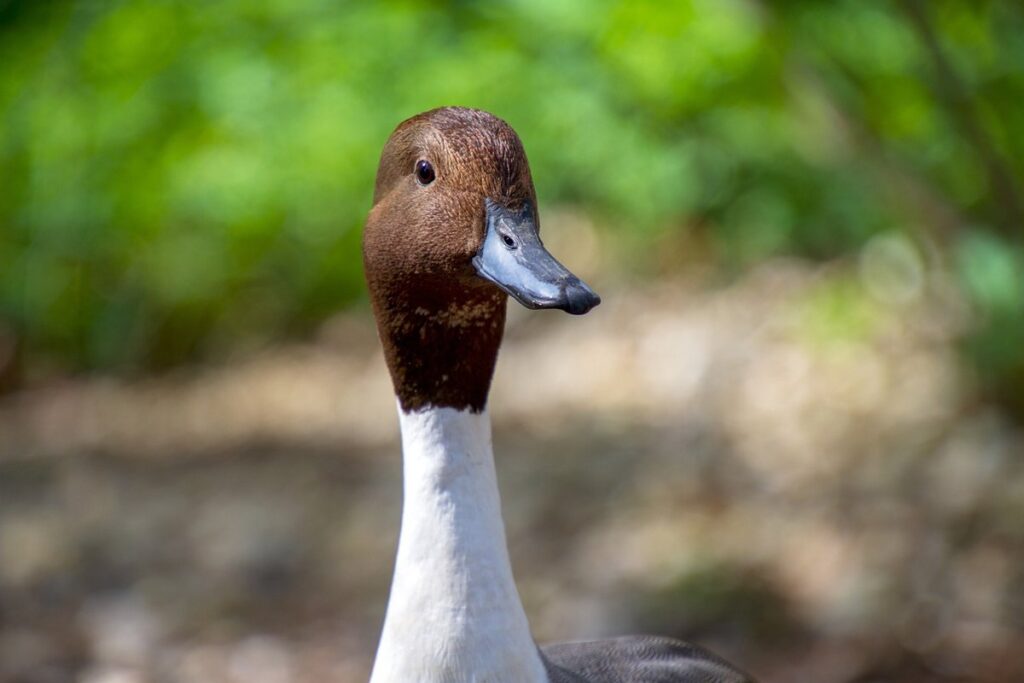
History and Origins of the Silver Appleyard
The origins of the Silver Appleyard duck are shrouded in mystery, but one thing is clear: this breed has a rich history that spans centuries. Let’s dive into where they came from and how they evolved over time.
Early Development and Popularity
In the early 20th century, England was witnessing a significant rise in poultry farming, with farmers seeking high-quality breeds that could meet the demands of large-scale egg production. It was during this period that the Silver Appleyard duck breed was developed, specifically for its exceptional laying abilities and impressive egg yields.
The breed’s origins can be traced back to the efforts of Reginald Appleyard, a renowned poultry breeder who aimed to create a strain that would excel in both performance and appearance. By crossing various duck breeds with high-quality stock, he successfully developed the Silver Appleyard, which quickly gained popularity among farmers due to its impressive laying capabilities.
As egg prices skyrocketed during World War I, farmers saw an opportunity to capitalize on the demand by breeding ducks specifically for their eggs. The Silver Appleyard’s rapid rise in popularity was largely driven by its ability to produce up to 300 large, brown eggs per year – a remarkable feat considering the standards of the time.
Reginald Appleyard’s dedication to developing a high-quality breed paid off, as the Silver Appleyard soon became a staple among poultry farmers. Its impressive performance and striking appearance made it an attractive choice for many, cementing its place in the history of English duck breeding.
Key Characteristics Influencing Its Creation
When developing the Silver Appleyard duck breed, key characteristics played a significant role in shaping its creation. The breeders’ primary focus was on producing ducks that excel in temperament, egg-laying capacity, and physical appearance.
Temperament-wise, Silver Appleyards were bred to be friendly, docile, and outgoing. They are known for being approachable, making them an excellent choice for families with children or for backyard duck keepers who want a breed that’s easy to handle. In fact, many Silver Appleyard owners rave about their gentle nature, saying they’re often the first ducks to greet you at the door.
Another critical characteristic was egg-laying capacity. The breeders aimed to create ducks that would provide a steady supply of high-quality eggs. As a result, Silver Appleyards are prolific layers, producing around 200-250 large white eggs per year. This makes them an excellent choice for small-scale farmers or backyard duck keepers looking to supplement their egg supply.
Lastly, the breed’s distinctive silver-gray plumage was also a key consideration in its development. The breeders wanted a duck that would stand out with its stunning appearance, and they succeeded in creating a breed with a beautiful, iridescent sheen to its feathers.
Physical Characteristics of the Silver Appleyard
When it comes to identifying a Silver Appleyard, there are several key physical characteristics you should look out for, such as their unique plumage and body shape. Let’s take a closer look at what sets this breed apart.
Size, Weight, and Body Type
When it comes to physical characteristics, the Silver Appleyard duck breed is notable for its impressive size and hardiness. On average, these ducks weigh between 8-11 pounds (3.6-5 kg), making them one of the larger duck breeds suitable for backyard farming or small-scale production.
Their body length typically ranges from 18 to 20 inches (45-50 cm), with a sturdy physique that contributes to their adaptability in various environments. The Silver Appleyard’s broad chest, strong legs, and well-defined wing muscles allow them to forage efficiently on land and swim effortlessly in water. This balanced physique also enables them to withstand extreme temperatures, making them an excellent choice for farmers in regions with diverse climates.
The breed’s size and body type are particularly beneficial for small-scale farms or backyard enthusiasts, as they can efficiently clear large areas of land and provide a substantial egg supply. With proper care, Silver Appleyard ducks can thrive in various settings, showcasing their remarkable hardiness and adaptability.
Feathers, Beak Shape, and Leg Color
The Silver Appleyard duck breed is known for its stunning physical appearance, and one of the most distinctive features is its feathering. The breed boasts a soft, fluffy undercoat that provides excellent insulation against cold temperatures, making them well-suited to cooler climates. On top of this undercoat, they have longer guard feathers that give them a beautiful, layered look.
When it comes to their beak shape, Silver Appleyards typically have a medium-length, straight beak that is well-suited for foraging and digging. The leg color can vary between yellow or orange, adding to the breed’s attractive appearance. Overall, the Silver Appleyard duck has a charming, elegant look that makes them a popular choice among duck enthusiasts.
One thing to note when choosing a Silver Appleyard duck is to consider their feather maintenance needs. Regular brushing and occasional molting can help keep their feathers in top condition, ensuring they continue to look their best throughout the year.
Temperament and Personality
When it comes to their temperament, Silver Appleyard ducks are known for being friendly, social birds that thrive on interaction with their human family. They’re also relatively easy-going around other pets and children.
Friendliness and Social Nature
The Silver Appleyard duck breed is renowned for its exceptionally friendly nature, making them an ideal choice for families with children or small farms where interaction and socialization are encouraged. One of the most notable characteristics of this breed is their gentle temperament, which makes them an excellent addition to a backyard flock.
Their friendly disposition allows them to thrive in situations where they’re surrounded by people, providing endless entertainment for kids and adults alike. In fact, many Silver Appleyard owners report that their ducks follow them around the yard, often demanding attention and affection. This social nature of the breed also means they can be easily integrated into a small farm or homestead setting.
When introducing a Silver Appleyard to your family or farm, it’s essential to provide a safe and stimulating environment that encourages their natural curiosity and friendliness. Offer a variety of toys, treats, and activities to keep them engaged, and make sure to spend quality time with them daily. With proper care and attention, the Silver Appleyard duck breed will quickly become an integral member of your family or farm.
Noise Level and Activity Level
When it comes to their temperament and personality, one of the most notable characteristics of Silver Appleyard ducks is their relatively quiet nature. While they may make some occasional quacking sounds, especially when communicating with each other or alerting you to potential threats, they are generally not as loud as some other duck breeds.
However, what might surprise you about Silver Appleyards is their high level of activity when given the freedom to roam. When free-ranging, these ducks can be quite energetic and love to forage for food and explore their surroundings. This natural behavior makes them an excellent option for farmers who require assistance with pest control. By allowing your Silver Appleyard ducks to roam freely in designated areas, you can harness their energy to help control insects and other pests that might be damaging your crops. Just remember to provide them with a safe and secure enclosure to prevent any potential escape or harm. With proper management, these active ducks can become valuable assets to your farm.
Egg-Laying Capacity
When it comes to egg-laying, Silver Appleyard ducks are surprisingly prolific, laying a substantial number of large eggs throughout their breeding cycle. Let’s take a closer look at what you can expect from these talented ladies!
Average Daily Egg Production
When it comes to egg-laying capacity, the Silver Appleyard duck breed is a standout performer. On average, a mature Silver Appleyard hen will lay around 200-250 eggs per year, making them an excellent choice for backyard farmers and homesteaders looking for a reliable source of fresh eggs.
This impressive egg production is just one aspect that makes the Silver Appleyard such an efficient dual-purpose breed. Not only do they provide an abundance of eggs, but their meat is also tender and flavorful, making them a great addition to any farm or backyard flock.
To put this in perspective, consider that many commercial egg farms struggle to produce eggs at this level without sacrificing the welfare of their birds. The Silver Appleyard’s ability to lay around 6-7 eggs per month is truly remarkable, especially considering their relatively small size and gentle nature. If you’re looking for a breed that can provide both eggs and meat, the Silver Appleyard is definitely worth considering.
To get started with raising Silver Appleyards, it’s essential to provide them with a balanced diet and plenty of space to roam. A mix of grains, vegetables, and protein-rich foods will help keep your girls happy and healthy.
Nutritional Needs and Feeding Practices
Silver Appleyards are prolific layers, and their nutritional needs play a crucial role in supporting their high egg-laying capacity. To optimize egg production and overall health, it’s essential to provide them with a balanced diet that meets their specific requirements.
These ducks require a diet rich in protein, energy, and essential nutrients like calcium, phosphorus, and vitamin D3. A good quality commercial layer feed should form the basis of their diet, supplemented with fresh vegetables, fruits, and grains. Dark leafy greens like kale and spinach are particularly beneficial, as they provide a boost of iron and other micronutrients.
To ensure they’re getting enough energy, you can also provide treats like oats or barley, but avoid overfeeding, as this can lead to poor egg quality and health issues. Fresh water should always be available, and consider adding a calcium supplement during breeding season to support strong eggshell production. By providing a well-balanced diet and adhering to recommended feeding practices, you’ll help your Silver Appleyards maintain their high egg-laying capacity while staying healthy and thriving.
Health Considerations
When considering bringing a Silver Appleyard duck into your family, it’s essential to think about their specific health needs and potential risks. Let’s take a closer look at what to expect in this area.
Common Issues and Ailments
One of the primary concerns for Silver Appleyard duck breeders and owners is their susceptibility to certain health issues. Respiratory problems are a common issue due to the breed’s tendency to thrive in wet conditions, which can lead to pneumonia and other respiratory infections if not properly managed. Regular ventilation, dry bedding, and clean living quarters are essential to prevent the buildup of bacteria that can exacerbate these conditions.
Genetic disorders specific to the breed also pose a significant concern for Silver Appleyard duck owners. One such disorder is the condition known as ‘dwarfism’, which affects some individuals within the breed. This condition typically becomes apparent at around 6-8 weeks of age, and it’s crucial to identify it early on to provide the necessary care and support.
In addition to these conditions, Silver Appleyard ducks are also prone to certain other health issues such as wry neck, which can be caused by a variety of factors including genetic predisposition. To mitigate this risk, it’s essential to maintain a clean environment, provide regular veterinary check-ups, and monitor your flock for any signs of illness or discomfort. Regular health checks can help identify potential problems early on, allowing you to take prompt action and prevent more severe complications from arising.
Genetic Diversity and Conservation Efforts
Maintaining the genetic diversity of the Silver Appleyard duck breed is crucial for its long-term survival and continued contribution to modern poultry farming practices. With a declining population and increasing risk of extinction, conservation efforts are necessary to protect this unique heritage.
The Silver Appleyard’s genetic makeup is a result of centuries of selective breeding, making it a valuable asset in the world of poultry. However, the loss of genetic diversity can lead to decreased fertility, increased susceptibility to disease, and reduced adaptability to changing environments. To combat this, breeders and conservationists are working together to identify and preserve key genes associated with the Silver Appleyard’s desirable traits.
One example is the development of the “Rare Breeds Survival Trust” (RBST) in the UK, which maintains a breeding program for critically endangered breeds like the Silver Appleyard. By supporting organizations like RBST, backyard duck enthusiasts can play a crucial role in ensuring the breed’s continued survival and promoting genetic diversity.
If you’re interested in contributing to conservation efforts or learning more about the Silver Appleyard’s genetic makeup, research local breed clubs or reach out to poultry experts for guidance. With collective effort, we can safeguard this remarkable breed for generations to come.
Care and Management
To keep your Silver Appleyard ducks happy and healthy, proper care and management are essential, so let’s dive into some practical tips for success.
Housing Requirements and Space Needs
When it comes to housing your Silver Appleyard ducks, you’ll want to provide them with a safe and spacious environment that meets their unique needs. These birds require ample room for exercise and movement around the farm or backyard. A good rule of thumb is to allocate at least 2-3 square feet per duck inside the coop, and 5-10 square feet per duck in the enclosed run.
This means that a small flock of three Silver Appleyard ducks would need a coop with a floor area of approximately 6-9 square feet and an outdoor enclosure of around 15-30 square feet. Remember to consider factors such as ventilation, lighting, and drainage when designing your duck’s living space. You should also ensure the coop is predator-proofed and securely locked to prevent escape or potential threats.
To give your Silver Appleyard ducks plenty of room to roam, you can create a movable pen that allows them to forage and exercise in different areas of the farm or backyard. This will not only provide them with physical activity but also mental stimulation, which is essential for their overall well-being.
Feeding and Nutrition Strategies
When it comes to feeding and nutrition strategies for Silver Appleyard ducks, it’s essential to provide them with a balanced diet that meets their unique nutritional needs while promoting sustainable and environmentally friendly practices. One key aspect of their care is ensuring they have access to fresh, clean water at all times.
In terms of feed, Silver Appleyards are considered medium-weight birds and require a high-quality layer mash or pellets specifically formulated for ducks. A good rule of thumb is to provide about 1-2 cups of food per duck per day, depending on their age, sex, and level of activity.
To promote sustainable practices, consider using organic or locally-sourced feed options, which tend to have lower environmental impact compared to mass-produced feed. You can also supplement their diet with fruits and vegetables, such as leafy greens, carrots, and apples, to provide essential vitamins and minerals.
Conclusion
Now that we’ve explored the unique characteristics and needs of Silver Appleyard ducks, let’s summarize the key takeaways from our comprehensive guide.
Recap of Key Breed Characteristics
In conclusion to our comprehensive guide on the Silver Appleyard duck breed, let’s recap the key characteristics that make them an excellent choice for backyard farmers and enthusiasts alike. As we’ve discussed throughout this guide, Silver Appleyards are a unique and fascinating breed known for their striking appearance, impressive size, and friendly temperament.
One of the most notable advantages of owning a Silver Appleyard is their ability to produce large eggs. With an average weight of 120-140 grams per egg, they are among the top egg-laying breeds in the world. This makes them an excellent choice for families who rely on fresh eggs as part of their diet.
In terms of care requirements, Silver Appleyards are relatively low-maintenance compared to other breeds. They require a moderate amount of space and exercise, but their friendly nature means they can thrive in small backyards or even urban environments. A 2×4 foot enclosure is sufficient for a single bird, making them an excellent choice for those with limited space.
Another key characteristic of Silver Appleyards is their hardiness. They are well-suited to various climates and can adapt easily to changing weather conditions. This makes them an ideal breed for farmers who live in areas with unpredictable weather patterns.
In terms of handling and socialization, Silver Appleyards are known to be gentle and affectionate. They make excellent pets for children and are often described as “lap ducks” due to their fondness for human interaction. With proper care and attention, a Silver Appleyard can live up to 10-15 years, providing a loyal companion for many years to come.
Overall, the Silver Appleyard duck breed offers a unique combination of size, egg-laying ability, and friendly temperament that makes them an excellent choice for anyone looking to raise ducks. By following the care requirements outlined in this guide, you can enjoy the many benefits of owning a Silver Appleyard and experience the joy of raising these magnificent birds.
Frequently Asked Questions
Can I keep Silver Appleyard ducks as pets, or are they better suited for large-scale egg production?
Yes, while the Silver Appleyard duck was developed specifically for its high productivity, it can also thrive as a pet in smaller backyard settings. With proper care and attention, these charming ducks can become wonderful companions for families or individuals with a passion for poultry keeping.
How do I ensure my Silver Appleyard ducks receive adequate nutrition to maintain their egg-laying abilities?
To keep your Silver Appleyards healthy and productive, it’s essential to provide them with a balanced diet that includes high-quality commercial feed supplemented with fresh fruits, vegetables, and grains. A calcium-rich feed is particularly important for maintaining strong eggshell production.
Can I mix Silver Appleyard ducks with other breeds in the same flock?
Yes, Silver Appleyards are generally known for their friendly nature and can integrate well into mixed flocks. However, introducing new birds should be done gradually to prevent stress and competition among the birds. Make sure to research compatibility before mixing breeds.
How often do I need to clean and maintain my duck coop and run?
Regular cleaning is essential to maintaining a healthy environment for your Silver Appleyards. Aim to clean the coop at least once a week, removing soiled bedding, droppings, and debris. Additionally, ensure adequate ventilation and inspect the coop regularly for signs of wear or damage.
Can I raise Silver Appleyard ducklings on my own without prior experience with poultry?
Raising ducklings requires attention to detail and proper care techniques. While it’s not impossible for beginners to successfully raise Silver Appleyard ducklings, having some basic knowledge about poultry care can be beneficial in ensuring the health and well-being of these young birds.