
Breeding turkeys can be a lucrative venture for poultry enthusiasts and farmers, but it requires careful planning and execution. If you’re looking to improve fertility rates, boost egg production, or increase market demand for your birds, this guide is for you. With the right techniques and knowledge, you can take your turkey breeding operation to the next level.
We’ll be covering essential topics such as selecting breeds that are well-suited for your needs, preparing your flock for breeding, and mastering key management techniques. From improving fertility rates to understanding market trends, our expert advice will walk you through every step of the process. By the end of this article, you’ll have a comprehensive understanding of how to breed turkeys like a pro and capitalize on their growing demand in the market.
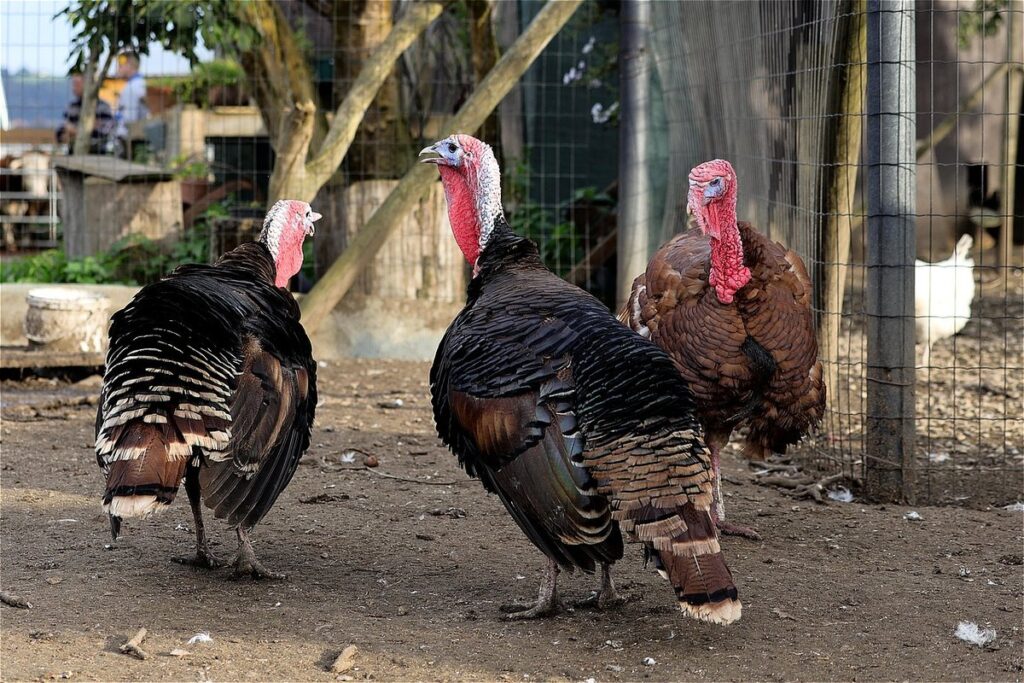
Choosing the Right Breed
When it comes to starting a turkey breeding program, selecting the right breed is crucial for success. Let’s explore the factors to consider when choosing a breed that fits your goals and resources.
Understanding Turkey Genetics
When it comes to breeding turkeys, understanding the different types of breeds is crucial for success. There are three primary categories: heritage, commercial, and ornamental breeds. Heritage breeds, such as the Narragansett and Bourbon Red, are prized for their rich history, unique characteristics, and exceptional flavor. They’re often used in small-scale, specialty farming operations where quality and taste are paramount.
Commercial breeds, like the Broad-Breasted White, are bred for high yields and rapid growth rates, making them ideal for large-scale industrial farms. These birds can grow to market weight quickly, but their meat is often less flavorful and tender than heritage breeds.
Ornamental breeds, including the Royal Palm and Slate, are raised primarily for their stunning appearance and unique characteristics. They’re perfect for smaller farms or backyard flocks where aesthetics matter as much as production. When choosing a breed, consider your farm’s purpose, resources, and target market to ensure you select birds that meet your specific needs.
Considering Climate and Purpose
When choosing the right breed of turkey for your operation, it’s essential to consider two critical factors: climate and purpose. The ideal breed will depend on the region you’re in and what you plan to use the turkeys for – whether that’s meat production, egg laying, or showing.
For example, if you live in a hot and humid climate, such as the southeastern United States, you’ll want to choose breeds like the Narragansett or the Bourbon Red, which are known for their heat tolerance. These birds have a natural ability to regulate their body temperature, making them well-suited for areas with high temperatures.
On the other hand, if you live in a cooler climate, such as the Pacific Northwest, you may prefer breeds like the Broad-Breasted White or the Beltsville Small White, which thrive in milder conditions. It’s also worth noting that some breeds, like the Royal Palm, are more adaptable to different climates and can do well in a variety of environments.
Ultimately, your choice of breed should be based on both the climate you’re in and the purpose for which you’ll be using the turkeys. Researching different breeds and their specific needs will help you make an informed decision and ensure the success of your breeding operation.
Preparing for Breeding
Before you start breeding turkeys, it’s essential to prepare your flock and environment to ensure a successful hatching season. This section will walk you through the steps to take before introducing birds for breeding.
Setting Up a Breeding Flock
When setting up a breeding flock, the first step is to select high-quality foundation stock. This means choosing birds that are not only genetically superior but also free from disease. Consider purchasing from reputable breeders who have implemented rigorous selection and testing protocols. For example, you can look for birds that have been tested for diseases such as Marek’s and histomoniasis.
Before introducing your new flock to the farm, it’s essential to test them for any latent diseases. This is crucial in preventing disease outbreaks and maintaining the health of your entire flock. You should also implement biosecurity measures, such as separating the breeding flock from other birds on the farm and providing a safe and clean environment.
When introducing birds to your new flock, do so slowly and under close observation. Monitor their behavior and watch for any signs of stress or disease. This will help you identify potential issues early on and take corrective action before they become major problems.
Nutritional Requirements
Turkeys have unique nutritional requirements during breeding season to support optimal fertility and egg production. A well-balanced diet is crucial for maintaining their overall health and reproductive performance.
A high-quality commercial turkey breeder feed should be the main staple of their diet, providing around 16-18% protein content. However, during breeding season, a supplement rich in calcium (around 2%) can help support strong eggshell production and overall skeletal development.
It’s essential to note that turkeys have different vitamin requirements than chickens; they require more vitamin A and E for optimal fertility and egg production. Additionally, adequate phosphorus is also vital for bone growth and development.
To determine the correct nutritional balance, consult with a poultry veterinarian or conduct on-farm trials to fine-tune your feeding program.
Breeding Techniques and Management
When it comes to breeding turkeys, understanding the right techniques and management strategies is crucial for success. In this next part of our guide, we’ll explore the essential considerations for breeding healthy and productive turkey flocks.
Hand Rearing vs. Parent Raising
When it comes to breeding turkeys, there are two primary methods of raising young poults: hand rearing and parent raising. While both methods have their advantages and disadvantages, the choice between them ultimately depends on your specific needs, resources, and goals.
Hand rearing involves removing the poults from their parents at a very young age (usually within 24 hours) and raising them in a controlled environment using artificial heat, nutrition, and care. This method allows for greater control over the poults’ diet and health, but it can be more labor-intensive and expensive. For example, hand-reared poults require around-the-clock feeding and monitoring, which can be time-consuming and exhausting.
Parent raising, on the other hand, involves leaving the poults with their parents until they are old enough to fend for themselves (usually 4-6 weeks). This method is often less expensive and more efficient, as it allows the natural mothering instinct of the hens to take over. However, parent-raised poults may be more prone to disease and stress due to overcrowding and competition for resources.
When deciding between hand rearing and parent raising, consider factors such as your available time and budget, as well as the specific needs of your flock. It’s essential to weigh the pros and cons of each method carefully and choose the one that best suits your operation.
Breeding Seasons and Scheduling
When it comes to breeding turkeys, understanding the optimal breeding seasons and schedules is crucial for successful reproduction. Different turkey breeds have unique reproductive characteristics that must be taken into account when planning a breeding program.
For example, Heritage breeds typically breed from February to April, while Broad-Breasted White (BBW) turkeys are bred year-round due to their high fertility rates. Meanwhile, Narragansett and Bourbon Red breeds have a natural breeding season in the fall, around September to November.
Understanding the optimal timing for egg production is also essential. For example, most commercial turkey flocks begin laying eggs at 20-22 weeks of age, while Heritage breeds may take up to 30 weeks to mature. To optimize egg production, consider introducing pullets (young hens) into your flock in late spring or early summer.
Remember to monitor your flock’s reproductive performance and adjust your breeding schedule accordingly. With proper planning and management, you can maximize fertility rates and overall reproduction success. Consider keeping detailed records of your flock’s reproductive cycles to help inform future decisions.
Health Considerations
When breeding turkeys, it’s essential to consider several health factors that can impact both your flock and their overall well-being. This section will cover key considerations for maintaining a healthy turkey population.
Disease Prevention and Management
Turkeys are susceptible to several health issues that can impact their overall well-being and productivity on the farm. One of the most significant threats is blackhead disease, a contagious condition caused by a protozoan parasite that affects the turkey’s digestive system. To prevent the spread of blackhead disease, it’s essential to implement strict biosecurity measures, such as quarantining new birds for at least 30 days before integrating them with existing flocks.
Regular vaccination protocols should also be followed, including administering live vaccines against diseases like Newcastle and infectious bronchitis. However, it’s crucial to consult with a veterinarian to determine the best vaccination schedule for your specific flock. Moreover, maintaining good hygiene practices, such as cleaning and disinfecting feeders and waterers regularly, can help prevent the spread of disease.
In addition to these measures, monitoring your turkey’s health closely is vital to catch any signs of illness early on. Be sure to inspect birds daily, checking for symptoms like lethargy, loss of appetite, or changes in droppings. If you suspect a bird has contracted blackhead disease, isolate it immediately and consult with a veterinarian for guidance on treatment.
Reproductive Issues
Reproductive issues can be a significant challenge for turkey breeders. Poor fertility rates, low egg production, and embryo mortality are common problems that can have a devastating impact on the success of a breeding program. These issues can arise from various factors such as genetics, nutrition, environment, and management practices.
Signs of reproductive issues in turkeys may include prolonged laying periods, decreased egg size or weight, and reduced fertility rates. In some cases, breeders may notice an increased number of embryonic deaths or mortality rates during incubation. To identify potential causes, it’s essential to monitor individual birds’ performance closely and maintain detailed breeding records.
To address reproductive issues, focus on providing a balanced diet that meets the nutritional needs of your flock. Ensure adequate space, lighting, and ventilation in the breeding facility. Monitor temperature fluctuations and humidity levels, as these can affect fertility rates. Regular health checks can also help identify underlying issues that may be contributing to reproductive problems. By implementing good management practices and monitoring performance closely, you can improve breeding performance and reduce the likelihood of reproductive issues.
Marketing and Sales Considerations
When it comes to breeding turkeys, understanding how to effectively market and sell your birds is crucial for a successful business. This includes pricing, advertising, and connecting with potential customers.
Understanding Market Demand
When it comes to breeding turkeys, understanding market demand is crucial for success. As a breeder, you need to know what consumers want and are willing to pay for in the market. Currently, there’s a growing trend towards heritage breeds, which are prized for their unique characteristics, rich flavor, and genetic diversity. Consumers are increasingly seeking out high-quality, sustainable, and locally sourced products.
According to data from the National Agricultural Statistics Service (NASS), sales of heritage breed turkeys have been steadily increasing over the past few years. This presents a significant opportunity for breeders who can meet this growing demand. To capitalize on this trend, consider focusing on breeding heritage breeds that are in high demand, such as Narragansett or Bourbon Red.
To better understand market trends and consumer preferences, attend industry events, join online forums, and connect with other breeders and farmers who share your interests. By staying informed about what’s driving demand and adapting to changing market conditions, you can make informed decisions that will help your turkey breeding operation thrive.
Building a Brand and Marketing Strategy
As you build your turkey breeding operation, it’s essential to establish a strong brand identity and marketing strategy to connect with potential customers. This will help differentiate your business from competitors and attract buyers willing to pay premium prices for high-quality birds.
Start by defining your unique value proposition (UVP) – what sets your turkeys apart? Is it their exceptional taste, impressive growth rate, or stunning plumage? Develop a consistent visual brand identity through logos, color schemes, and typography that reflects your values and message. Create a professional website to showcase your UVP, share customer testimonials, and provide essential information about your breeding operation.
Social media platforms like Facebook, Instagram, and Twitter can be powerful tools for building a community around your brand. Share engaging content highlighting the benefits of raising heritage or specialty turkeys, as well as behind-the-scenes glimpses into your farm’s daily operations. Networking with customers through events, workshops, and online forums will also help you build relationships and stay informed about market trends.
Invest time in understanding what buyers are looking for and tailor your marketing efforts accordingly. For instance, if you’re targeting urban farmers, focus on the convenience of your turkeys’ small space requirements or their impressive meat production per square foot.
Frequently Asked Questions
Can I start a turkey breeding program with a small flock or do I need a large initial population?
You can start a turkey breeding program with a small flock, but it’s essential to have a diverse group of birds to ensure genetic diversity. A minimum of 5-10 birds per breed is recommended to maintain a healthy and robust flock.
How often should I collect eggs from my breeder females for incubation, and what are the ideal storage conditions?
Collect eggs from your breeder females daily or every other day during peak breeding season. Store them in a cool, dry place (around 60-70°F/15-21°C) with minimal humidity and avoid direct sunlight.
What are some common reproductive issues I might encounter in my turkey flock, and how can I prevent them?
Common reproductive issues include fertility problems, egg binding, and broodiness. To prevent these issues, ensure your birds have a balanced diet, provide adequate nesting boxes, and maintain a clean and stress-free environment.
Can I use artificial lighting to extend the breeding season or improve fertility rates in my turkey flock?
Yes, you can use artificial lighting to manipulate the breeding season and improve fertility rates. However, it’s crucial to follow a proper photoperiod management plan to avoid stressing your birds and ensure optimal reproductive performance.
How do I calculate the ideal space requirements for my breeding flock, taking into account their age, sex, and purpose?
Calculate the ideal space requirements by considering the breed, age, sex, and purpose of your turkeys. A general rule of thumb is 2-4 square feet per bird in the breeding shed, with adequate ventilation and space for movement to prevent stress and disease.