
Are you raising turkeys for their delicious meat or fascinating feathers? Whatever your reason, successfully hatching turkey eggs is an essential part of the process. However, turkey egg hatch rates can be notoriously low, making it a frustrating experience for even the most seasoned breeders.
The success of turkey hatchery operations relies heavily on understanding the intricacies of incubation techniques and how various factors impact hatch rates. In this comprehensive guide, we’ll delve into what affects turkey egg hatch, providing expert insights on optimal nutrition, health considerations, and incubation strategies to boost your chances of a healthy hatch.
By covering these essential topics, you’ll gain the knowledge necessary to turn your fertile eggs into thriving poults.
Understanding Turkey Egg Hatch Basics
When it comes to turkey egg hatching, understanding the basics is crucial for success. Let’s dive into the fundamental steps involved in hatching turkey eggs.
What is Turkey Egg Hatch?
Turkey egg hatch is an essential process in poultry farming that refers to the incubation of turkey eggs outside of the mother hen. This process allows farmers to control the temperature, humidity, and turning of the eggs, increasing the chances of successful hatching. The significance of turkey egg hatch lies in its ability to replicate the natural environment of a mother hen’s nest.
When turkey eggs are not fertile or do not develop properly inside the mother hen, egg hatch provides an alternative method for breeding. This process also allows farmers to produce turkeys on a larger scale and with greater consistency. With modern incubation technology, farmers can achieve high hatch rates, ranging from 70% to over 90%, depending on the breed and management practices.
Proper handling of turkey eggs is crucial before incubation. Eggs should be stored in a cool, dry place, and turned regularly to prevent breakage. Farmers should also check for any visible cracks or damage before placing them in the incubator. By following these steps, farmers can increase their chances of successful hatching and raise healthy turkeys.
Factors Influencing Turkey Egg Hatch Rate
When it comes to turkey egg hatch rates, several factors come into play. Breed is one of the most significant influencers, with some breeds producing higher-quality eggs that yield better hatch rates. For instance, Broad-Breasted White and Narragansett are known for their consistent hatching success.
Nutrition plays a crucial role in determining egg quality and fertility. A well-balanced diet rich in protein, calcium, and other essential nutrients is vital to ensure healthy eggs. Inadequate nutrition can lead to reduced fertility and lower hatch rates. Make sure your flock has access to clean water, high-quality feed, and minerals like oyster shells.
Health conditions can also impact turkey egg hatch rates. Birds with health issues, such as respiratory problems or parasites, are less likely to produce fertile eggs. Regular vaccinations, parasite control measures, and a clean environment help maintain a healthy flock.
Environmental conditions also play a significant role in determining hatch rates. Extreme temperatures, humidity levels, and exposure to stressors can affect egg quality and fertility. Ensure your birds have adequate shelter from the elements and are protected from predators.
Importance of Proper Incubation Techniques
When it comes to turkey egg hatch, proper incubation techniques are crucial for success. Temperature control is one of the most critical factors to consider. A temperature range of 99-100°F (37-38°C) is ideal for turkey eggs during the first 24 hours after setting, and then it should be reduced by 1/2 degree each day until it reaches 98°F (36.7°C). Maintaining a consistent temperature can make all the difference in the hatching process.
Turning the eggs regularly is also essential to prevent sticking and promote even development. The recommended frequency for turning turkey eggs is every 6-8 hours, with a full turn of 180 degrees. This ensures that the embryo receives enough oxygen and nutrients, promoting healthy growth.
To achieve successful hatch rates, it’s vital to monitor temperature fluctuations closely, as even slight variations can impact incubation outcomes. Regular checks on the thermometer, egg position, and humidity levels will help prevent potential issues and ensure a healthy hatch.
Choosing the Right Turkey Breed for Egg Production
When selecting a turkey breed for egg production, there are several factors to consider, including egg-laying capacity and hardiness. Your choice will significantly impact your flock’s overall performance and success.
Considerations When Selecting a Turkey Breed
When selecting a turkey breed for egg production, there are several key factors to consider. The first and most crucial factor is egg-laying capacity. Not all turkey breeds are created equal when it comes to laying eggs. Some breeds, such as the Narragansett and Bourbon Red, are prolific layers, producing up to 200 eggs per year. Others, like the Slate and White Holland, may only lay around 100-150 eggs annually.
Another important consideration is growth rate. If you’re looking to harvest your turkeys for meat in addition to using them for egg production, a breed with a faster growth rate will be more suitable. However, if your primary goal is egg production, a slower-growing breed may be a better choice as they tend to produce more eggs throughout their lives.
It’s also essential to consider the temperament and hardiness of the breed. Some breeds are more prone to stress and disease than others, which can impact their overall productivity. By carefully selecting a breed that fits your needs and management style, you’ll be well on your way to achieving maximum egg production from your turkeys.
Popular Turkey Breeds for Backyard Flocks
When it comes to backyard flocks, several turkey breeds stand out for their exceptional egg-laying abilities. For beginners, we recommend considering the following popular breeds:
The Narragansett breed is an excellent choice due to its hardiness and high fertility rate. They are known for producing large brown eggs, with some females laying up to 200 per year. Their docile nature makes them a great fit for smaller flocks.
Another top pick is the Bourbon Red. This breed excels in both egg production and meat quality. Hens typically lay around 100-120 brown eggs annually, making them an ideal choice for families or small farms.
The Royal Palm turkey is also gaining popularity among backyard flock owners. They are known for their striking appearance and impressive egg-laying abilities, producing up to 150 large brown eggs per year. Their friendly disposition makes them a pleasure to work with.
When selecting a breed for your flock, consider factors such as climate, available space, and desired egg size. Researching local regulations and zoning laws is also crucial before bringing home any new birds.
Tips for Integrating Turkeys into Your Flock
When integrating turkeys into an existing flock, it’s essential to consider their specific needs and requirements. Start by ensuring that you have enough space for the new birds. Turkeys require about 2-4 square feet of floor space per bird, so if you’re introducing multiple birds, you’ll need to allocate sufficient room in your coop or run.
Nutrition is also a critical aspect to consider. Turkeys have different nutritional needs than chickens, particularly when it comes to protein and calcium levels. A balanced commercial turkey feed should be available at all times, and fresh fruits and vegetables can be given as treats. Be sure to introduce new foods gradually to prevent digestive upset.
Additionally, ensure that your existing flock is healthy before introducing turkeys. Monitor their behavior, especially if you’re adding birds of different breeds or ages. Turkeys are social birds and may require some time to adjust to their new surroundings. With patience and proper care, integrating turkeys into an existing flock can be a rewarding experience for both you and your feathered friends.
Preparing for Turkey Egg Hatch: Nutrition and Health Considerations
Before your turkey eggs hatch, it’s crucial to ensure they’re getting the right nutrients and are healthy enough to withstand the incubation process. Proper nutrition will give them a strong start in life.
Nutritional Requirements for Laying Hens
As you prepare for turkey egg hatch, it’s essential to understand the nutritional requirements of your laying hens. These birds need a balanced diet that meets their unique needs to produce healthy eggs and maintain overall well-being.
A good quality layer feed should provide adequate protein levels, typically around 16-18% on a dry matter basis. This ensures your hens have enough building blocks for egg production, as protein is crucial for the development of albumen (egg white), membranes, and shell.
Calcium is also vital for laying hens, particularly for strong bone growth and shell formation. Aim to provide around 2-3% calcium in their feed, often achieved by incorporating crushed oyster shells or limestone.
Other essential nutrients include vitamins A, D3, E, K, B12, and other B vitamins. These help maintain your hens’ overall health, boost immune function, and ensure proper eggshell quality. Consult with a veterinarian or poultry expert to create a customized feeding plan tailored to your flock’s specific needs.
Common Health Issues Affecting Turkey Flocks
As you prepare to bring new life to your turkey flock with an egg hatch, it’s essential to be aware of the common health issues that can impact these birds. Marek’s disease and blackhead are two of the most significant concerns for turkey flocks worldwide.
Marek’s disease is a viral infection caused by the Marek’s virus, which affects the nervous system of turkeys. It’s highly contagious and can spread rapidly through close contact between birds. Symptoms include paralysis, tremors, and weight loss. To prevent Marek’s disease, ensure your flock receives vaccinations as recommended by your veterinarian. Maintain good biosecurity practices, such as separating new birds from existing flocks and disinfecting equipment regularly.
Blackhead disease is another major concern for turkey farmers. It’s caused by the Histomonas meleagridis parasite, which targets the intestines of turkeys. Symptoms include diarrhea, bloody stools, and weight loss. To prevent blackhead disease, provide a balanced diet rich in fiber and maintain good litter management practices to reduce stress on your flock.
Regular health checks with your veterinarian can help identify potential issues early on, allowing you to take preventative measures and minimize the risk of these diseases impacting your turkey flock.
Strategies for Maintaining Flock Health and Hygiene
Maintaining a healthy and hygienic flock is crucial for successful turkey egg hatch. Vaccination programs are essential to protect against diseases such as Marek’s disease and Newcastle disease. Consult with a veterinarian to determine the best vaccination schedule for your flock, taking into account factors like age, health status, and local disease prevalence.
Biosecurity measures are equally important to prevent disease introduction and spread within the flock. This includes regular cleaning and disinfection of coops and equipment, proper waste management, and implementing strict visitor protocols. For example, visitors should wear disposable boot covers and wash their hands before entering the coop.
In addition to these measures, ensure that your water and feed sources are clean and free from contamination. Provide a balanced diet rich in essential nutrients, including vitamins and minerals, to boost immune function. Regular health checks and monitoring for signs of disease can help detect issues early on. By prioritizing flock health and hygiene, you’ll be well-prepared to support successful turkey egg hatch and reduce the risk of disease-related losses.
Incubating Turkey Eggs: A Step-by-Step Guide
Now that you’ve gathered and stored your turkey eggs, it’s time to set up a safe and optimal incubation environment for successful hatching. Let’s dive into the specifics of this process.
Setting Up the Incubator
Setting up an incubator for turkey eggs requires attention to detail and proper understanding of temperature control, humidity settings, and egg handling procedures. Begin by placing the incubator on a level surface away from direct sunlight and drafts.
Temperature control is critical; most incubators have digital temperature controls that allow you to set the ideal temperature range between 99-100°F (37.2-37.8°C) for turkey eggs. Check your incubator’s manual for specific temperature guidelines, as some models may vary. Maintain a consistent temperature within this range throughout the hatch period.
Humidity settings should be kept at around 50-60% until day 12 of incubation, after which it can be reduced to 30-40%. Use distilled water and avoid over-saturating the incubator with too much moisture, as this can lead to mold growth.
Egg handling is also crucial; place eggs in a carton or egg holder with air cells facing upwards. Wash your hands before and after handling eggs to prevent contamination.
Turning and Monitoring Turkey Eggs
Turning and monitoring turkey eggs during incubation is crucial for their healthy development. It’s essential to create a turning schedule that ensures the eggs are gently rotated every 6-8 hours to prevent sticking to the shell. This process helps distribute the embryo’s weight evenly, promoting proper growth.
A good rule of thumb is to turn the eggs by hand until they reach around 4 days of incubation. After this point, you can set up an automated turning system, if available. Be cautious not to over-turn the eggs, as excessive rotation can cause damage to the delicate embryo.
Monitoring turkey eggs involves checking for any signs of abnormal development or potential issues. Look out for visible cracks, unusual odors, or significant temperature fluctuations in the incubator. Regularly check humidity levels and ensure they remain between 50-60%. Keep the incubator at a consistent temperature between 99°F to 100°F (37°C to 38°C) during incubation.
Remember to maintain accurate records of your turning schedule and any issues that may arise. This will help you troubleshoot and adjust your process as needed, ultimately increasing the chances of successful hatching.
Signs of Successful Hatching: What to Look For
As you wait for your turkey eggs to hatch, it’s essential to know what to look for. Successful hatching involves a series of signs that indicate the chick is about to emerge from its shell.
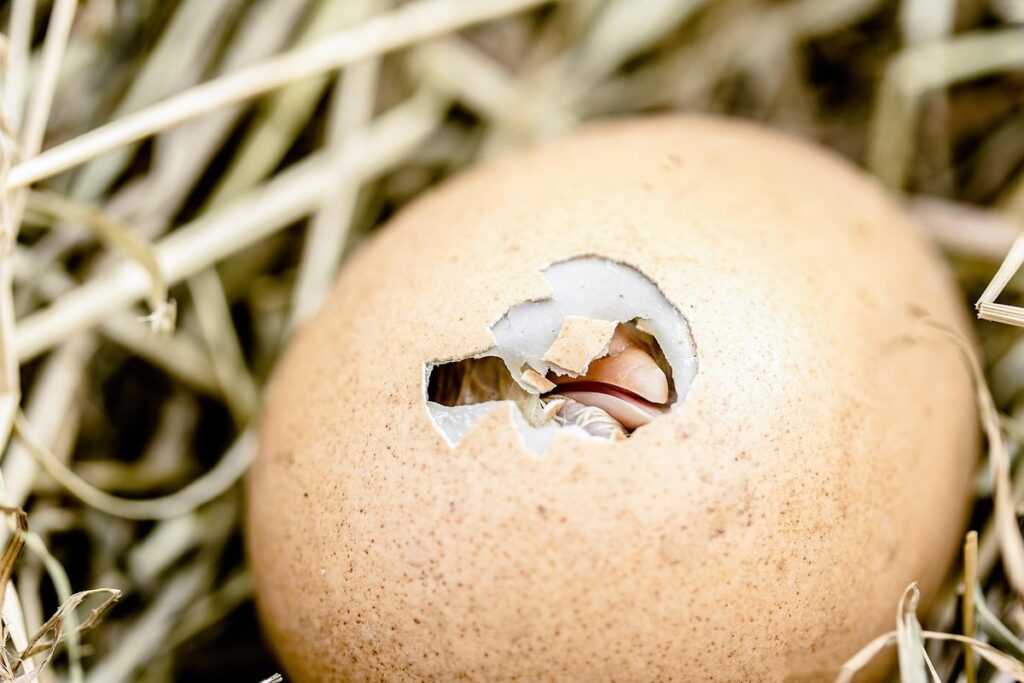
Pipping is one such sign, where the chick starts to break through the eggshell by making small holes or cracks. This usually begins around 21-24 hours before full emergence and can be a thrilling moment for incubators.
As pipping progresses, you may notice the chick’s head, legs, or beak poking out of the shell. The chick will continue to chip away at the shell until it has made enough space to fully emerge.
Once the chick has emerged, it will begin brooding behavior, such as snuggling up to the warmth of the incubator or hiding under a layer of down for protection. This is a natural instinct that helps the chick conserve energy and stay warm.
Keep an eye on your turkey eggs closely during this period, as they can hatch quickly. Monitor temperature, humidity levels, and ventilation in the incubator to ensure optimal conditions for successful hatching.
Caring for Newborn Turkey Chicks
Newly hatched turkey chicks need specialized care, including a warm and humid environment, and a nutritious starter feed to promote healthy growth. Let’s cover these essential steps in detail.
Providing Adequate Nutrition and Hydration
As you welcome newborn turkey chicks into your life, it’s essential to provide them with adequate nutrition and hydration for optimal growth and development. Proper nourishment is crucial during the first few weeks of their lives, as it lays the foundation for their overall health.
Newborn turkey chicks require a diet rich in protein, energy, and essential nutrients. A starter feed specifically formulated for young turkeys should be provided immediately after hatching. This type of feed typically contains around 20-22% protein content to support rapid growth. You can offer the starter feed in a shallow dish or tray to prevent spills.
In addition to nutrition, hydration is equally important. Ensure access to fresh, clean water at all times. A good rule of thumb is to provide one gallon of water per 10 chicks. Monitor their water intake closely, as it’s easy for them to overdrink and become dehydrated.
Maintain the temperature of the brooder between 90-100°F (32-38°C) during the first week to prevent chilling stress. This will help your newborn turkey chicks conserve energy for growth and development rather than fighting off cold temperatures.
Maintaining Brooder Temperature and Humidity
Maintaining optimal brooder temperature and humidity levels is crucial for healthy development of newborn turkey chicks. The ideal temperature range for turkey chicks is between 90-95°F (32-35°C) during the first week, gradually decreasing by 5°F (3°C) every subsequent week until they reach 60-65°F (16-18°C). A thermometer placed in a safe location within the brooder should be used to monitor temperature levels.
Humidity is another critical factor to consider. Turkey chicks need a humid environment to prevent dehydration and skin problems. The ideal humidity level for turkey chicks is between 40-50%. You can achieve this by misting the brooder with water daily or using a humidifier specifically designed for poultry.
Remember, it’s essential to provide adequate ventilation in the brooder to maintain optimal temperature and humidity levels. A well-maintained brooder will help prevent heat stress, respiratory problems, and other health issues that can arise from inadequate environmental conditions. Regular monitoring of temperature and humidity levels will ensure a healthy start for your newborn turkey chicks.
Strategies for Reducing Mortality Rates in Young Turkeys
Reducing mortality rates in young turkeys is crucial for sustainable and profitable turkey farming. Mortality can be attributed to various factors such as disease outbreaks, poor nutrition, and inadequate biosecurity measures.
Implementing a robust vaccination program is essential to prevent diseases that are prevalent in the region where your farm is located. Consult with a veterinarian to determine the most effective vaccines to use. It’s also crucial to maintain accurate records of vaccinations administered to each flock.
Biosecurity measures must be taken seriously as they help prevent disease outbreaks. Ensure that visitors clean their boots before entering the poultry house and wash their hands thoroughly afterward. Allowing people to enter the farm during times when the chicks are more vulnerable can lead to increased mortality rates.
Monitor the health of your birds regularly, paying close attention to any signs of illness or stress. Be prepared to respond quickly in case a disease outbreak occurs. Regularly inspecting your farm for potential hazards and taking steps to mitigate them will help you identify risks before they become major issues.
Frequently Asked Questions
How do I handle a failed hatch when using an incubator?
Don’t be discouraged by a failed hatch – it’s more common than you think! If your turkey eggs don’t hatch, check the incubator temperature, humidity levels, and turning mechanisms to ensure they’re functioning correctly. Also, verify that the eggs were fertile in the first place. Consider consulting with a poultry expert or online forums for guidance on troubleshooting and improving your incubation techniques.
What are some common health issues affecting turkey flocks, and how can I prevent them?
Common health issues in turkey flocks include respiratory problems, Marek’s disease, and coccidiosis. To prevent these issues, ensure proper nutrition, maintain good hygiene practices, and provide a balanced diet that includes probiotics and essential vitamins. Additionally, practice biosecurity measures such as isolating new birds, disinfecting equipment, and monitoring flock health regularly.
How often should I turn turkey eggs in an incubator?
Regular turning of turkey eggs is crucial for even development and successful hatching. Most incubators come with automatic turners that rotate the eggs every 1-2 hours. However, it’s essential to check your specific model’s guidelines and ensure the turner is functioning correctly.
Can I use a homemade brooder or must I invest in an expensive commercial one?
While it might be tempting to create a DIY brooder, using a proper commercial one can significantly improve your chances of successful hatching. A high-quality brooder provides consistent temperature and humidity control, essential for the growth and development of newborn turkey chicks.
How long should I wait before transferring my turkey poults from the incubator to an outdoor coop?
Transfer your turkey poults to a well-ventilated, draft-free area with adequate nutrition and hydration sources when they’re around 4-5 days old. Make sure to provide a safe, secure brooder that maintains optimal temperature (around 90°F) for several weeks after hatching.