
Incubating turkey eggs requires precision when it comes to maintaining the right temperature. A narrow range of temperatures can make all the difference in ensuring healthy hatch rates. If you’re new to turkey egg incubation, understanding ideal conditions and troubleshooting common issues can be overwhelming.
In this article, we’ll break down the essential guide to incubating turkey eggs, focusing on the critical aspect of temperature ranges. We’ll explore what temperatures are suitable for different stages of development and discuss how a slight deviation can impact your hatch rates. Additionally, we’ll address some common problems that may arise during incubation and provide tips on maintaining ideal conditions in your setup.
We’ll also cover some essential troubleshooting techniques to help you overcome any setbacks and achieve the best possible results from your turkey egg incubation process. Whether you’re a seasoned breeder or just starting out, this guide aims to equip you with the knowledge needed to successfully hatch healthy turkeys.
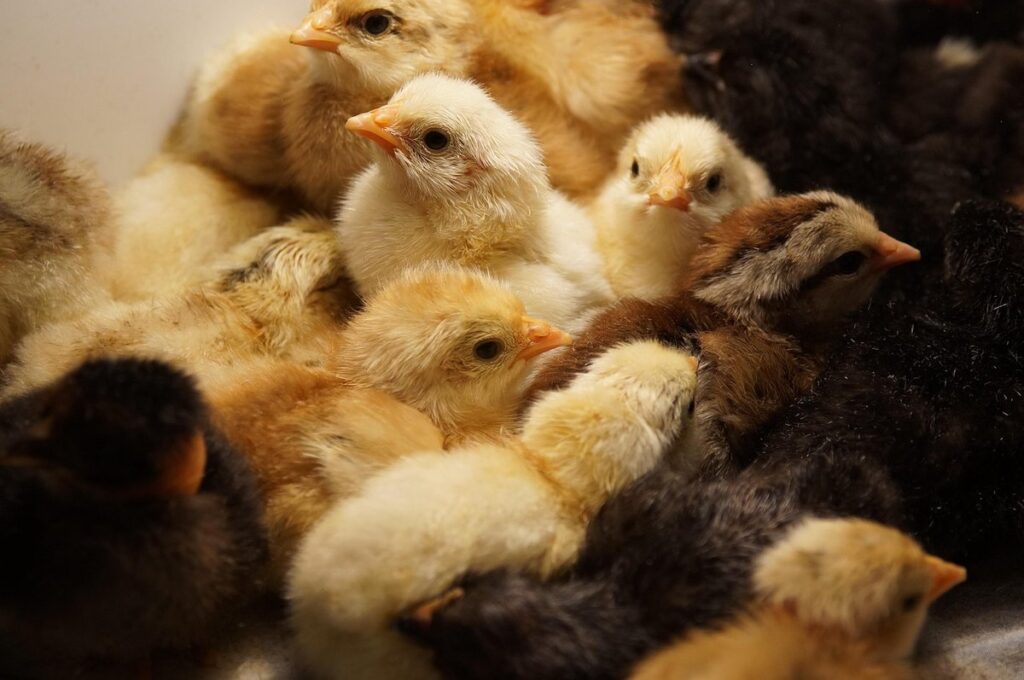
Understanding the Importance of Temperature in Incubation
Let’s talk turkey: getting the temperature just right is crucial for healthy development and successful incubation, as it affects everything from metabolism to hatching.
Factors Influencing Temperature Requirements
When it comes to incubating turkey eggs, understanding the temperature requirements can be a bit complex. One key factor to consider is the breed of the turkey. Different breeds have unique temperature needs, so research is essential to ensure you’re providing the right conditions for your specific flock.
For example, Heritage and Narragansett turkeys tend to thrive in slightly cooler temperatures, around 99-100°F (37-38°C), whereas Broad-Breasted White turkeys prefer warmer temperatures of 101-102°F (39-40°C). The age of the eggs also plays a role, with newly set eggs requiring a lower temperature range of 99.5-100.5°F (37.7-38.1°C) to promote proper embryonic development.
Climate is another crucial factor to consider when setting your incubator’s temperature. If you live in a region with high humidity or extreme temperatures, you may need to adjust the temperature accordingly to prevent overheating or underheating of the eggs. For instance, if it’s extremely hot outside, you may want to lower the temperature by 1-2°F (0.5-1°C) to prevent excessive moisture buildup in the incubator.
In practical terms, always consult with a reputable breeder or expert for specific temperature guidelines tailored to your turkey breed and climate.
Ideal Temperature Range for Turkey Eggs
When it comes to incubating turkey eggs, maintaining the ideal temperature range is crucial for successful hatching. The recommended temperature range for turkey eggs is between 99°F and 100°F (37°C to 38°C) during the first stage of development, which typically lasts from day one to five. During this period, a slight variation in temperature can significantly impact the embryo’s growth.
As the incubation progresses, the temperature requirement remains relatively constant, with most breeders maintaining a consistent temperature between 99°F and 100°F throughout the 28-day incubation period. However, it’s essential to note that some turkey breeds may have slightly different temperature requirements, so it’s crucial to research specific guidelines for your breed.
To achieve optimal temperatures, it’s recommended to use an accurate thermometer to monitor the temperature in the incubator. It’s also vital to maintain a consistent temperature, avoiding any sudden changes that can stress the embryos. By sticking to this ideal temperature range and ensuring proper temperature control, you’ll be well on your way to successfully hatching healthy turkey chicks.
Setting Up an Incubator for Optimal Temperature Control
To achieve optimal temperature control, you’ll need to set up your incubator correctly, including calibrating the thermometer and ensuring proper ventilation. Let’s walk through this process step by step.
Choosing the Right Type of Incubator
When it comes to choosing the right incubator for turkey egg incubation, you’ll want to consider the type of incubator that best suits your needs. There are two main types: forced-air and still-air models.
Forced-air incubators use a fan to circulate warm air throughout the chamber, maintaining a consistent temperature. This is ideal for large batches of eggs or when space is limited. Forced-air incubators typically offer better temperature control and can save energy in the long run. However, they can be noisy and may not be suitable for small-scale operations.
Still-air incubators, on the other hand, rely on natural convection to maintain a stable temperature. They are often preferred by hobbyists and small-scale farmers due to their simplicity and lower cost. Still-air incubators require more frequent temperature checks and may need adjustments throughout the day, but they can be just as effective as forced-air models if properly maintained.
Consider your specific needs and circumstances when deciding between these two types of incubators. If you’re incubating a large number of eggs or have limited space, forced-air might be the better choice. For smaller operations or those on a tighter budget, still-air could be the way to go.
Calibrating Your Incubator for Accurate Temperature Readings
Calibrating your incubator to ensure accurate temperature readings is crucial for successful turkey egg incubation. To begin, you’ll need a calibrated thermometer that’s specifically designed for precision temperature measurement. Start by placing the thermometer probe in the center of the incubator, ideally at least 6 inches away from any heating or cooling elements.
Next, set the incubator to its designated setting, usually around 99-100°F (37-38°C) for turkey eggs. Allow the incubator to stabilize and reach a consistent temperature. This may take anywhere from 30 minutes to several hours, depending on the equipment and environment. Once stabilized, compare the thermometer’s reading with the incubator’s display screen.
If there’s a discrepancy of more than 0.5°F (0.3°C), you’ll need to adjust the calibration accordingly. Consult your incubator’s user manual for specific instructions on how to calibrate the device. In some cases, this may involve adjusting the thermostat or replacing worn-out heating elements. By following these steps, you can ensure a consistent and accurate temperature environment for your turkey eggs to thrive in.
Maintaining a Stable Temperature During Incubation
Achieving and maintaining a stable temperature during incubation is crucial for healthy turkey egg development, so let’s dive into some essential tips to ensure you get it right.
Monitoring Temperature Fluctuations
Monitoring temperature fluctuations during incubation is crucial for successful hatching. Even small deviations from the ideal temperature can affect embryonic development and lead to decreased hatch rates. To ensure optimal conditions, it’s essential to monitor the temperature closely.
You can use a thermometer specifically designed for incubation, such as an electronic or mercury thermometer. These devices provide accurate readings and are often easy to calibrate. Place the thermometer in the incubator at a height that represents the average egg position. This will give you a reliable reading of the incubation temperature.
Another method is to use data loggers. These small devices record temperature fluctuations over time, providing a detailed picture of the incubation environment. Some popular options include wireless and waterproof data loggers that can be placed directly in the incubator or nearby. Regularly checking your thermometer or data logger will help you identify any issues before they affect the eggs.
Troubleshooting Common Temperature-Related Issues
When temperature fluctuations arise during incubation, it’s essential to address them promptly to prevent embryo death, delayed development, and hatching failures. One common issue is overheating, which can cause the embryo to develop too quickly, leading to weak or deformed chicks.
To troubleshoot overheating, check the incubator’s thermostat and ensure it’s set correctly. You should also monitor the temperature regularly using a thermometer, aiming for a consistent 99-100°F (37.2-37.8°C) for the first 24 days of incubation. If you notice the temperature is too high, adjust the thermostat or move the incubator to a cooler area.
Another issue is underheating, which can cause embryo death due to inadequate growth and development. To prevent this, maintain a consistent temperature, avoiding sudden drops in temperature. You should also ensure proper ventilation within the incubation chamber to prevent carbon dioxide buildup, which can lead to underheating.
In both cases, prompt action is crucial. If you notice any issues, take immediate corrective measures, such as adjusting the thermostat or providing additional heating or cooling sources. By staying vigilant and taking prompt action, you can minimize temperature-related problems and ensure a successful incubation process.
The Impact of Temperature on Turkey Egg Development
When it comes to turkey egg incubation, temperature is a crucial factor that affects development, and understanding its impact can mean the difference between healthy chicks and poor hatch rates. Let’s take a closer look at how temperature influences your turkey eggs’ growth.
Effects of High and Low Temperatures on Embryo Growth
Temperature fluctuations can significantly impact turkey egg development. High temperatures above 99°F (37°C) can lead to accelerated growth rates, resulting in larger embryos that may not be able to develop properly. This can cause increased mortality rates and reduced hatchability. Conversely, low temperatures below 98°F (36.7°C) can slow down embryo growth, leading to developmental delays.
For example, a study on turkey egg incubation found that eggs incubated at 100°F (37.8°C) had significantly lower hatch rates compared to those incubated at the optimal temperature of 99-100°F (37-37.8°C). It’s essential to maintain a consistent temperature within this range to ensure healthy embryo development.
To minimize the effects of temperature fluctuations, it’s crucial to invest in a reliable incubation system with precise temperature control. Regularly monitoring the temperature and making adjustments as needed can also help mitigate potential issues. Additionally, maintaining proper humidity levels and ensuring adequate ventilation within the incubator will further support optimal turkey egg development. By understanding the impact of temperature on embryo growth, you can take steps to optimize your incubation conditions for successful hatching.
Critical Temperature Thresholds for Turkey Eggs
When it comes to turkey egg incubation, maintaining optimal temperature is crucial for successful hatching. However, there are specific critical temperature thresholds beyond which incubation becomes ineffective or even fatal for the embryo.
For example, a temperature above 100°F (38°C) can cause catastrophic damage to the developing embryo, leading to a complete failure of development and, ultimately, death. Conversely, temperatures below 99°F (37.2°C) can also be detrimental, resulting in weakened embryos that may not survive to hatching.
It’s essential to note that even small deviations from these thresholds can have significant effects on embryonic development. For instance, a temperature fluctuation of just 1-2°F (0.5-1°C) above or below the optimal range can lead to developmental problems, such as delayed growth or increased mortality rates.
To ensure successful incubation, it’s crucial to maintain temperatures within the acceptable range and prevent any deviations from occurring. This can be achieved by investing in high-quality incubators that allow for precise temperature control and regular monitoring of temperature fluctuations.
Advanced Techniques for Precision Temperature Control
As you venture into more advanced incubation techniques, precision temperature control becomes crucial for successful turkey egg hatching. This section will walk you through some expert-approved methods to optimize your temperature setup.
Using Data Loggers and Sensors to Monitor Temperature
When it comes to maintaining precise temperature control for turkey egg incubation, advanced methods of monitoring temperature fluctuations are crucial. One effective approach is using data loggers and sensors to track temperature variations in real-time. These devices provide detailed records of temperature readings, allowing you to identify even the slightest deviations from optimal levels.
Data loggers can be placed near the heating or cooling units to monitor temperature changes as they occur. This information enables you to make adjustments before a significant deviation occurs, ensuring that the temperature remains within the ideal range for turkey egg incubation (around 99-100°F). For instance, if you notice a drop in temperature during an overnight period, you can adjust the heating schedule accordingly.
Some popular data logger options include wireless units with mobile app connectivity and sensor-enabled systems with alarm notifications. These tools not only simplify monitoring but also provide valuable insights for long-term optimization of your incubation environment. By leveraging these advanced methods, you can maintain precise temperature control, increase hatch rates, and minimize energy consumption – all essential aspects of successful turkey egg incubation.
Implementing Automated Temperature Control Systems
Implementing automated temperature control systems is a game-changer for precision turkey egg incubation. These systems can adjust temperature settings based on real-time readings, ensuring optimal conditions throughout the incubation process. With manual temperature control, it’s easy to make mistakes or overlook subtle changes that can affect hatch rates.
Automated systems use advanced sensors and algorithms to monitor temperature fluctuations and make adjustments as needed. This ensures that your incubator remains within a precise temperature range (typically 99-100°F for turkey eggs), even when ambient temperatures fluctuate outside the room. For example, if your incubator’s thermometer detects a slight drop in temperature, the automated system can automatically increase the heating element to maintain the optimal temperature.
To implement an automated temperature control system, consider investing in a digital controller that can integrate with your existing incubator equipment. These systems often come with pre-programmed settings for different species and incubation stages, making it easy to get started. By automating temperature control, you’ll not only improve hatch rates but also reduce energy consumption and labor costs associated with manual monitoring.
Best Practices for Maintaining Temperature Consistency
To ensure a healthy hatch, it’s crucial you consistently monitor and adjust your incubator temperature to fall within the ideal 99-100°F range for optimal turkey egg development. This section will guide you through best practices to achieve precise temperature control.
Regular Cleaning and Maintenance of Incubators
Regular cleaning and maintenance of incubators are crucial to prevent issues with temperature control. Faulty thermometers or air leaks can compromise the delicate balance required for successful turkey egg incubation. To avoid this, make it a habit to inspect and clean your incubator regularly.
Start by checking the thermometer calibration at least once a week. Compare the readings on multiple thermometers to ensure they’re accurate. Also, inspect the temperature probes for any signs of damage or wear. Make sure to replace them promptly if necessary.
Next, check for air leaks around doors, vents, and seals. A small leak can cause significant fluctuations in temperature. Use a sealant or tape to seal any gaps you find. Additionally, ensure proper ventilation to maintain optimal humidity levels.
Regular maintenance also includes cleaning the incubator’s interior and exterior. Remove food residue and debris that can interfere with temperature readings. A clean environment helps prevent bacterial growth, which can be detrimental to developing embryos. Set aside time each week for thorough cleaning and inspection to guarantee a healthy environment for your turkey eggs.
Handling Turkey Eggs to Minimize Stress and Temperature Fluctuations
When handling turkey eggs, it’s essential to be gentle and mindful of their temperature-sensitive nature. Start by holding the eggs at an angle, with the large end facing down. This position helps prevent the yolk from moving towards the breech, which can cause damage or stress.
Gently rotate the eggs 90-120 degrees every 6-8 hours to ensure even candling and minimize the risk of embryo position abnormalities. Use a carton or egg turner specifically designed for incubation purposes, as these typically have individual compartments that keep eggs separated and prevent them from rolling around.
Frequently Asked Questions
Can I use a thermometer with a temperature range of ±0.1°C for precise temperature control?
Yes, a high-precision thermometer with a ±0.1°C accuracy is ideal for maintaining stable temperatures during turkey egg incubation. However, consider investing in multiple thermometers to ensure accurate readings and compensate for potential calibration errors.
How do I handle temperature fluctuations that occur when switching between different stages of development?
When transitioning between temperature ranges, it’s crucial to maintain a consistent temperature over a short period (usually 1-2 hours). You can use a temperature stabilizer or implement a gradual transition protocol to minimize stress on the embryos.
Are data loggers and sensors necessary for monitoring incubator temperatures?
While not strictly necessary, using data loggers and sensors can significantly improve your ability to monitor and adjust temperature fluctuations. They provide valuable insights into temperature variations and help you optimize your incubation setup.
What are some common mistakes that new breeders make when it comes to setting up an incubator for optimal temperature control?
New breeders often underestimate the importance of proper calibration, leading to inaccurate temperature readings. Regular cleaning and maintenance of the incubator can also be overlooked, which may lead to equipment malfunctions or contamination issues.
Can I use a household thermometer for monitoring turkey egg incubation temperatures?
No, household thermometers are not suitable for accurate temperature control in incubators due to their limited accuracy (usually ±0.5°C) and potential calibration errors. Invest in high-precision thermometers designed specifically for agricultural applications.