
Are you fascinated by the majestic beauty of ducks, geese, swans, herons, and egrets? These incredible birds are not only visually stunning but also an integral part of our ecosystem. As a waterfowl enthusiast or beginner, it’s essential to understand the various breeds that inhabit our planet. From the majestic Snow Goose to the adorable Wood Duck, each breed has its unique characteristics, habits, and requirements.
In this article, we’ll delve into the world of waterfowl breeds, providing you with a comprehensive guide on identification, care, and conservation. We’ll explore the different types of ducks, geese, swans, herons, and egrets, discussing their habitats, diets, and behaviors. Whether you’re an avid birdwatcher or simply curious about these amazing creatures, our guide will give you the knowledge to appreciate waterfowl breeds in all their glory.
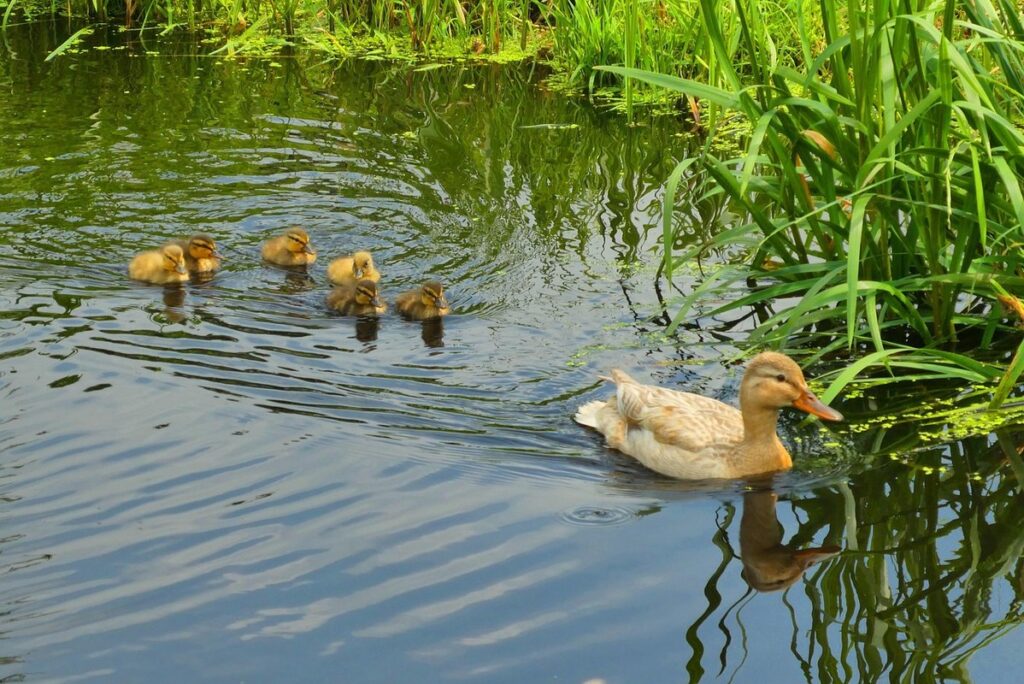
Understanding Waterfowl Characteristics
When exploring waterfowl breeds, it’s essential to understand their unique characteristics, such as plumage patterns and body shapes. These distinct features can help you identify different species.
Physical Features and Body Types
When it comes to identifying waterfowl breeds, understanding their physical features is crucial. One of the most distinctive characteristics of waterfowl is their beak shape and size. For instance, ducks have broad, flat beaks perfect for foraging in wetlands, while geese have shorter, thicker beaks ideal for grazing on grasses. Be aware that some breeds, such as wood ducks, possess a unique “sawbill” beak shape.
Another key feature is feather patterns and colors. Each breed has its distinct plumage, which can range from the vibrant hues of the Mandarin duck to the mottled browns of the American wigeon. Observe the arrangement of feathers on the head, neck, and body to identify specific breeds.
Body size is also an important factor in waterfowl identification. Note that some species, like swans, are much larger than others, such as Bufflehead ducks. Familiarize yourself with the average weights and lengths of various breeds to make informed identifications.
Behavioral Traits and Temperament
When it comes to waterfowl breeds, their behavioral traits are just as fascinating as their physical characteristics. Understanding these unique personalities is crucial for creating a harmonious and thriving environment for both you and your feathered friends.
For example, some waterfowl breeds like Muscovy ducks are known for being quite aggressive and territorial. They can become hostile towards other birds and even humans if they feel threatened or if their space is invaded. On the other hand, certain breeds such as Wood Ducks are highly social and thrive in flocks, requiring regular interaction with their human caregivers to stay happy and healthy.
Another key aspect of waterfowl behavior is noise levels. Some breeds, like geese, can be incredibly loud, often honking persistently to alert you (and everyone else within earshot) of their presence. Others, such as Mergansers, are relatively quiet, only making a faint chirping sound.
When selecting a waterfowl breed for your backyard or farm, consider factors like noise levels, social habits, and territorial behavior. This will ensure that you choose a bird that not only fits your lifestyle but also provides the best possible environment for its well-being.
Common Waterfowl Breeds
Let’s explore some of the most recognizable and popular waterfowl breeds, each with its unique characteristics and requirements for a happy and healthy life. We’ll take a closer look at these feathered friends.
Duck Breeds: Types and Characteristics
When it comes to duck breeds, there are over 100 recognized varieties worldwide. Let’s take a closer look at three popular types: Pekin, Khaki Campbell, and Muscovy.
The Pekin is one of the most widely kept domestic ducks. Known for their fast growth rate, white feathers, and high egg production (up to 300 eggs per year), they are an ideal choice for backyard farmers looking to harvest large quantities of meat or eggs. However, their temperament can be quite aggressive if not handled regularly.
The Khaki Campbell is another popular breed, prized for its friendly nature and robust constitution. With a lifespan of up to 15 years, these ducks are relatively low-maintenance pets that thrive in small spaces with minimal care. On average, they lay around 300 eggs per year, making them an excellent choice for families or beginners.
Last but not least, the Muscovy duck stands out due to its striking appearance and unique characteristics. Hailing from South America, this breed is relatively cold-hardy and more resistant to diseases compared to other types. They are primarily kept as ornamental pets, with males sporting vibrant red plumage on their heads and necks.
Each of these breeds has its strengths and weaknesses, making it essential for prospective owners to research their specific needs before making a decision.
Goose Breeds: Temperament and Appearance
Goose breeds are known for their distinctive characteristics, which set them apart from other waterfowl. One of the most recognizable breeds is the Embden goose, originating from Germany. These geese are prized for their gentle nature and ability to adapt to various environments. They’re often used as show birds due to their impressive appearance, featuring a white body with black wings and neck feathers.
In contrast, the Toulouse goose is known for its unique appearance, with a grayish-brown plumage and a distinctive red-and-white bill. These geese are also prized for their friendly temperament, making them suitable for family farms or small-scale egg production. However, they can be more challenging to manage in cold climates due to their heat intolerance.
Another breed worth mentioning is the African goose, which boasts a striking white-and-pink plumage. These geese are renowned for their loud honking and assertive nature, requiring experienced owners who can provide them with adequate space and social interaction.
Rare and Exotic Waterfowl Breeds
If you’re looking for something truly unique, our guide delves into the fascinating world of rare waterfowl breeds, featuring some of the most unusual species found around the globe. From afar off geese to Mandarin ducks, these birds are sure to captivate and inspire.
Swans and Their Unique Characteristics
Swans are among the most majestic and recognizable waterfowl breeds, with their elegant appearance and haunting calls. However, did you know that there are several species of swans, each with its unique characteristics? Let’s take a closer look at three popular species: Mute Swans, Trumpeter Swans, and Black-necked Swans.
Mute Swans (Cygnus olor) are native to Europe and Asia but have been introduced to many other parts of the world. They’re known for their white plumage and orange bill, with a distinctive black crown on their head. These swans prefer large lakes, rivers, and wetlands, where they can feed on aquatic plants and insects.
Trumpeter Swans (Cygnus buccinator), on the other hand, are native to North America and have been listed as an endangered species due to habitat loss and hunting. They’re larger than Mute Swans, with a more orange-red bill and legs. Black-necked Swans (Cygnus melancoryphus) are found in South America and are easily recognizable by their black neck and white body.
When keeping swans as pets or in captivity, it’s essential to provide them with plenty of space to move around and swim. They require a large enclosure or pond with deep water, as they can grow up to 6 feet tall and weigh over 30 pounds. A diet rich in aquatic plants, grains, and insects will also help keep these magnificent birds happy and healthy.
Herons and Egrets: Uncommon yet Fascinating Birds
When it comes to herons and egrets, many bird enthusiasts may find themselves fascinated by these uncommon yet captivating waterfowl breeds. Herons and egrets are part of the Ardeidae family, with over 60 species worldwide. One of the most recognizable species is the Great Blue Heron, known for its striking blue-gray plumage and long neck.
These birds are found in a variety of habitats, including wetlands, marshes, and coastal areas. They’re often seen wading through shallow waters in search of prey such as fish, frogs, and small crustaceans. Snowy Egrets, on the other hand, have a distinctive white plumage with a yellow bill and black legs.
In terms of conservation status, herons and egrets face various threats, including habitat loss and hunting. The Great Blue Heron, for example, is listed as Least Concern by the IUCN Red List, but its population has been declining in some regions due to habitat destruction. To help conserve these birds, it’s essential to support efforts that protect their habitats and prevent overhunting.
By understanding and appreciating herons and egrets’ unique characteristics and behaviors, we can better care for them in captivity and ensure their populations thrive in the wild. If you’re interested in keeping herons or egrets as pets, make sure to research local regulations and consult with experienced breeders or wildlife experts to learn more about their specific needs.
Waterfowl Care and Management
Caring for waterfowl requires attention to their specific needs, including housing, feeding, and health management to ensure a happy and thriving flock. Let’s dive into these essential care considerations together.
Housing and Environmental Considerations
When it comes to caring for waterfowl, creating a suitable environment is crucial for their health and well-being. A spacious enclosure with adequate ventilation and climate control can make all the difference. For small breeds like Teals and Wigeons, a 10×20 foot enclosure is ideal, while larger breeds such as Geese and Swans require at least 100 square feet of space.
Good ventilation is essential to prevent respiratory problems, which are common in waterfowl. Ensure that your enclosure has adequate airflow by installing windows or vents that allow for cross-ventilation. Climate control is also vital, especially during extreme temperatures. In cold climates, provide a sheltered area with straw bedding and draft-proofing materials like bubble wrap or thermal curtains.
In warm climates, ensure the enclosure receives partial shade to prevent heat stress. Consider using misting systems or sprinklers to maintain humidity levels and reduce dust particles. Regularly inspect your enclosure for signs of wear and tear, making repairs as needed to prevent water damage and pest infestations. By prioritizing a well-designed environment, you’ll be able to provide a happy and healthy home for your feathered friends.
Diet and Nutrition: Meeting the Needs of Different Species
When it comes to caring for waterfowl, providing a balanced diet that meets their nutritional needs is crucial. Different breeds have unique dietary requirements, and neglecting these can lead to health issues such as malnutrition, obesity, or even life-threatening conditions.
For example, geese are prone to gout due to their high uric acid levels, which can be exacerbated by a diet too rich in protein. In contrast, ducks require a higher percentage of fat in their diet than other waterfowl breeds. Meeting these specific needs is essential for maintaining the health and well-being of your birds.
Some key considerations when it comes to feeding your waterfowl include:
• Providing a diverse range of fruits, vegetables, and grains to ensure a broad spectrum of nutrients
• Offering high-quality commercial pellets as the main staple of their diet
• Avoiding overfeeding, which can lead to obesity and related health problems
• Considerations for breeding birds, who may require higher caloric intake during reproductive periods
Health Considerations and Veterinary Care
When it comes to caring for your waterfowl, understanding their health needs is crucial. This section will walk you through essential considerations and best practices for veterinary care.
Common Health Issues in Waterfowl
As an owner of waterfowl, it’s essential to be aware of the common health issues that can affect these birds. Respiratory problems are a significant concern for many waterfowl breeds, particularly those with long necks and legs like swans and geese. These birds can easily develop conditions such as pneumonia or bronchitis due to their anatomy.
Feather plucking is another common issue in waterfowl, often caused by stress, boredom, or nutritional deficiencies. This behavior can be distressing for the bird and lead to further health problems if left unchecked. Regular observation of your waterfowl’s behavior and habitat can help identify potential causes and prevent feather plucking.
Parasite infestations are also prevalent among waterfowl, with lice, mites, and internal parasites being common culprits. Keeping a clean and well-maintained enclosure, providing regular vaccinations, and monitoring your birds’ health closely can help minimize the risk of parasite infestations.
Finding the Right Veterinarian for Your Waterfowl
When it comes to ensuring the health and well-being of your waterfowl flock, finding a qualified avian veterinarian is crucial. But where do you start? Begin by asking for referrals from other waterfowl breeders or owners in your area. You can also check with local veterinary associations or online directories like the American Association of Avian Veterinarians (AAAV) to find veterinarians with experience in caring for waterfowl.
During consultations, be sure to ask questions about their experience and qualifications. Find out if they have specific training or certifications in avian care and what their approach is to treating common waterfowl health issues. You should also ask about their knowledge of the species you own, as well as any local regulations or zoonotic diseases that may affect your flock.
Some key questions to ask include: What experience do you have with waterfowl? Can I see a list of references from other waterfowl owners? Do you offer in-house laboratory testing for common health issues? By doing your research and asking the right questions, you can find a qualified avian veterinarian who will provide top-notch care for your waterfowl flock.
Conservation Efforts and Regulations
As you learn more about waterfowl breeds, it’s essential to understand the conservation efforts and regulations that protect these amazing birds. We’ll explore the measures in place to safeguard their populations.
Threats to Waterfowl Populations: Habitat Loss and Climate Change
Habitat destruction is one of the most significant threats to waterfowl populations. As wetlands and natural habitats are converted into agricultural land, urban areas, or industrial sites, waterfowl species lose their breeding grounds, feeding areas, and migration routes. For instance, the destruction of mangrove forests in Southeast Asia has led to a decline in the population of endangered species such as the critically endangered Jerdon’s babbler.
Climate change exacerbates these problems by altering temperature and precipitation patterns, making it difficult for waterfowl to adapt to their changing environments. Rising sea levels also threaten coastal habitats, while droughts reduce available food sources. For example, a study found that the North American Wood Duck population has declined by 40% since the 1980s due to warmer temperatures altering its breeding and migration patterns.
To mitigate these effects, it’s essential for individuals to support conservation efforts focused on preserving waterfowl habitats. You can start by reducing your carbon footprint, supporting organizations working to protect wetlands, or participating in citizen science projects that help monitor waterfowl populations.
Regulatory Measures for Protecting Waterfowl Breeds
Government regulations play a crucial role in protecting waterfowl breeds. Hunting restrictions are a key measure to conserve these species. For example, in the United States, the Migratory Bird Treaty Act regulates hunting of migratory birds, including waterfowl. This law prohibits hunting during certain times of the year and in specific areas.
Protected areas are also established to safeguard waterfowl habitats. National Wildlife Refuges, such as those managed by the US Fish and Wildlife Service, provide a safe haven for these species. These refuges not only protect habitats but also offer opportunities for research, education, and recreation. By visiting protected areas, you can observe waterfowl breeds in their natural habitat while supporting conservation efforts.
Understanding local regulations is essential when interacting with waterfowl. Always check with local authorities before engaging in activities such as hunting or birdwatching. By respecting laws and regulations, we can help ensure the long-term survival of these incredible species.
Conclusion
As you’ve navigated through this comprehensive guide to waterfowl breeds, you’re now equipped with the knowledge to identify and care for these magnificent birds. Remember that each breed has its unique characteristics, temperaments, and needs, so it’s essential to research and understand these differences before bringing a new feathered friend home. Whether you’re an experienced bird enthusiast or just starting out, this guide should have provided valuable insights into the world of waterfowl breeds.
As you begin your journey with these incredible birds, always keep in mind their specific requirements for diet, habitat, and social interaction. With patience, understanding, and proper care, you’ll be rewarded with a lifelong companionship that brings joy and wonder to your life.
Frequently Asked Questions
Can I keep waterfowl breeds as pets, or are they exclusively for wildlife enthusiasts?
Waterfowl can make wonderful pets if you’re experienced and prepared to provide the proper care and housing. However, it’s essential to check local regulations regarding keeping certain species as pets. Many cities and states have laws governing the ownership of specific breeds, so research your area before bringing home a feathered friend.
How do I identify waterfowl breeds in the wild, especially if I’m new to birdwatching?
Start by familiarizing yourself with common habitats and regions where different breeds are known to inhabit. Pay attention to distinctive plumage patterns, beak shapes, and body sizes. Carry a field guide or download an app like Merlin Bird ID to aid in identification. Practice observation and note-taking skills to develop your expertise.
What’s the most challenging aspect of caring for waterfowl breeds, and how can I overcome these challenges?
One common challenge is providing adequate space and exercise for your birds. Waterfowl need room to roam, swim, and engage in natural behaviors. Consider investing in a spacious enclosure or creating a backyard habitat with ponds and vegetation. Research the specific needs of your breed to ensure you’re meeting their requirements.
Can I raise waterfowl breeds from ducklings or goslings, or should I stick to purchasing adult birds?
Raising waterfowl from young can be rewarding but requires specialized knowledge and equipment. Start by researching the specific breed’s growth rate, dietary needs, and temperature requirements. Make sure you have a suitable brooder and are prepared for the challenges of caring for young birds.
How do I know if my waterfowl is sick or injured, and what should I do in case of an emergency?
Keep an eye out for changes in appetite, droppings, or behavior. Regularly inspect your bird’s plumage, eyes, and beak for signs of illness or injury. In case of an emergency, have a veterinarian with experience in waterfowl care on speed dial. Consider investing in a first-aid kit specifically designed for waterfowl to help stabilize your bird until veterinary attention is available.