
When it comes to raising healthy and thriving waterfowl, providing them with the right nutrition is crucial. The type and quality of waterfowl feed you offer can make all the difference in their overall well-being and productivity. However, choosing the perfect feed for your ducks or geese can be overwhelming, especially when considering the various essential nutrients they require. In this comprehensive guide to waterfowl nutrition, we’ll break down the key elements to look for in a good feed, including protein, energy, and other vital nutrients. We’ll also discuss how to select the right feed type for your birds’ specific needs and provide tips on managing costs and waste effectively. By the end of this article, you’ll have a clear understanding of what your waterfowl need to stay healthy and happy.
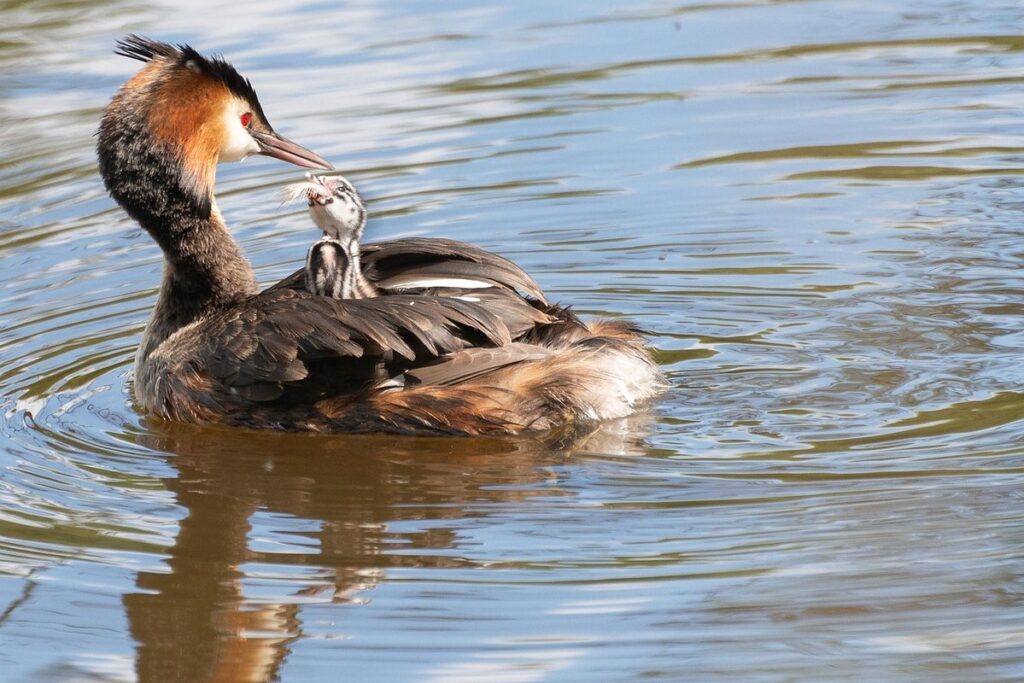
Benefits and Importance of Providing Quality Feed
Providing high-quality feed is crucial for waterfowl health, influencing their growth rates, egg production, and overall well-being. We’ll explore these key benefits in more detail.
Nutritional Requirements of Waterfowl
Waterfowl require a balanced diet that meets their unique nutritional needs. A good starting point is to ensure they receive adequate protein, which should comprise around 15-20% of their total diet. This is particularly crucial for growing ducks and geese, as protein fuels their rapid growth and development.
Energy is another essential nutrient, with waterfowl requiring a mix of carbohydrates and fat to sustain themselves. Ducks, for instance, have higher energy demands due to their active lifestyle and require more fat in their diet compared to geese.
Vitamins and minerals are also vital, but their requirements vary depending on age and sex. For example, laying ducks need calcium supplements to support eggshell production, while goslings (young geese) require vitamin A for healthy vision development.
To ensure you’re meeting your waterfowl’s nutritional needs, it’s essential to provide a varied diet that includes fresh vegetables, fruits, grains, and commercial pellets. Keep in mind that different species have unique dietary requirements, so research the specific needs of your birds.
Choosing the Right Type of Feed
When it comes to providing quality feed for your waterfowl flock, choosing the right type of feed is crucial. There are several options available, each with its own set of benefits and drawbacks.
Commercial feeds are a popular choice among waterfowl keepers. These pre-mixed feeds are designed to meet the nutritional needs of waterfowl and are often fortified with essential vitamins and minerals. They’re convenient and easy to use, but can be expensive in the long run. Some commercial feeds may also contain fillers or by-products that your birds might not need.
Homemade mixes, on the other hand, allow you to tailor the feed to your flock’s specific needs. You can choose the ingredients yourself, ensuring that they’re fresh and of high quality. However, this option requires more time and effort, as you’ll need to research and mix the ingredients correctly. Foraging diets are another alternative, where waterfowl forage for food in a controlled environment. This method mimics their natural behavior but can be challenging to set up and manage.
To choose the best feed for your flock, consider factors such as age, health, and lifestyle. Young or growing birds require more protein-rich feeds, while mature birds may benefit from less energy-dense diets. If you’re new to waterfowl keeping, commercial feeds might be a safer bet until you gain experience with homemade mixes.
Factors Affecting Waterfowl Feed Quality
When it comes to choosing the right feed for your waterfowl, several factors can impact its quality and effectiveness. Let’s dive into what these factors are.
Ingredient Selection and Sourcing
When it comes to crafting high-quality waterfowl feed, selecting the right ingredients is crucial. The freshness of the ingredients can significantly impact their nutritional value and overall quality. For instance, using stale grains or spoiled protein sources can lead to decreased bird health and performance.
Not only must the ingredients be fresh, but they should also be sourced from reputable suppliers who adhere to strict quality control measures. This ensures that the feed is free from potential contaminants such as heavy metals, pesticides, and mold toxins. Some waterfowl owners opt for locally-sourced grains or forages, which can be beneficial for promoting regional sustainability.
It’s equally important to choose ingredients with high nutritional content. For example, adding omega-3 rich sources like flaxseed or chia seeds can promote healthy feathers and skin in your birds. Similarly, incorporating calcium-rich materials such as crushed eggshells or oyster shells can support strong bone development.
When selecting waterfowl feed, look for products that clearly list the ingredient sources and nutritional content. Researching the suppliers and verifying their certifications (e.g., organic or non-GMO) can also provide peace of mind regarding the quality of your birds’ feed.
Manufacturing Processes and Handling Practices
The manufacturing process and handling practices of waterfowl feed can have a significant impact on its quality. Processing methods, such as grinding and pelleting, can affect the nutrient retention and availability in the feed. For instance, high-heat processing can lead to the destruction of sensitive nutrients like vitamin C and B vitamins.
Storage conditions also play a crucial role in maintaining feed quality. Waterfowl feed should be stored in a cool, dry place, protected from pests and moisture. Exposure to heat, light, or humidity can cause nutrient degradation, mold growth, and spoilage.
Transportation procedures are equally important. Feed should be transported in airtight containers to prevent contamination and exposure to the elements. Regular inspections during transportation can help identify any potential issues before they affect feed quality.
To ensure high-quality waterfowl feed, it’s essential to choose reputable manufacturers that adhere to strict processing and handling practices. Bird owners can also take steps to inspect their feed regularly for signs of spoilage or contamination.
Types of Waterfowl Feed Available
When it comes to choosing the right feed for your waterfowl, knowing the different types available is crucial. Let’s take a closer look at the various options you can consider.
Commercial Feeds for Waterfowls
Commercial feeds for waterfowls come in various forms, catering to different species and preferences. Pellets are a popular choice among waterfowl owners due to their convenience and nutritional content. They offer a balanced mix of protein, fat, and carbohydrates, making them an excellent option for starter flocks or breeding birds.
Crumbles, on the other hand, provide a more gradual transition from seed-based diets. They’re often used in conjunction with pellets to promote healthy growth and development. Grains like oats and barley are also available as standalone feeds or blended into pelleted formulas.
When selecting commercial feeds, consider your waterfowl’s specific needs and preferences. Some feeds cater to the requirements of specific species, such as ducklings or adult geese. Others may offer additional health benefits, such as probiotics or omega-3 fatty acids.
When switching your waterfowl to a new feed, it’s essential to do so gradually to prevent digestive upset. Start by introducing small amounts (about 10%) and gradually increase the proportion over several days. This allows their gut bacteria to adjust and minimizes the risk of malnutrition.
Homemade Mixes and DIY Feeding Options
Creating homemade mixes for waterfowl feed can be an excellent way to ensure optimal nutrition for your birds while saving costs. However, it’s crucial to understand the importance of proper formulation and balancing when creating these mixes.
A well-balanced homemade mix should consist of a combination of grains such as oats, barley, and wheat, along with protein sources like soybean meal or fish meal. You’ll also need to add calcium supplements, vitamins, and minerals to ensure your waterfowl receive all the necessary nutrients. For instance, a basic recipe for ducklings might include 20% protein from soybean meal, 10% fat from corn oil, and 5% calcium from crushed oyster shells.
When formulating your homemade mix, keep in mind that waterfowl have different nutritional requirements at various life stages. Growing waterfowl need more protein than adult birds, while laying hens require additional calcium for eggshell production. A good rule of thumb is to consult with a veterinarian or poultry expert to ensure you’re providing the right balance of nutrients for your specific flock.
You can also customize your mix based on your birds’ individual needs and preferences. For example, if you have ducks prone to liver disease, adding garlic powder to their diet may help mitigate this condition. Experimenting with different ingredients and ratios will allow you to create a tailored homemade feed that meets the unique requirements of your waterfowl flock.
Tips for Managing Waterfowl Feed Costs and Waste
Managing waterfowl feed costs and waste effectively is crucial to maintaining a healthy and profitable flock, and we’re going to break down some practical tips to achieve this. Let’s dive into some strategies for reducing expenses and minimizing food waste.
Economical Feeding Strategies
When it comes to managing waterfowl feed costs, it’s essential to adopt economical feeding strategies that minimize waste and make the most of what you have. A simple yet effective way to do this is by implementing a “leftover” system. This involves setting aside any uneaten food from each meal or day and using it for the next feeding session. For example, if you’re raising ducklings, their starter feed can be used as a supplement for older birds that require more calories.
To further reduce waste, consider implementing a rotation system where different groups of birds are fed at various times to prevent overfeeding. This strategy not only saves you money but also promotes healthier eating habits among your waterfowl. Another key aspect is budgeting effectively. Calculate the average daily feed consumption for each bird based on its age, breed, and growth rate. This will help you determine how much feed to purchase and store, ensuring that you don’t overbuy or run out of food unexpectedly.
Environmental Impact of Feed Production and Use
The environmental impact of feed production and use is a critical aspect of waterfowl farming that deserves attention. Commercial feed production requires significant amounts of energy, water, and resources, leading to greenhouse gas emissions and pollution. The processing and transportation of feed can also contribute to deforestation, soil degradation, and loss of biodiversity.
To mitigate these effects, consider switching to locally sourced or organic feeds whenever possible. These alternatives often have lower carbon footprints and promote more sustainable agricultural practices. You can also explore the use of by-products and waste materials as feed supplements, reducing the demand on resource-intensive ingredients.
When it comes to feed management, proper storage and handling are crucial to minimizing waste and preventing contamination. Keep your feed in a cool, dry place, and regularly inspect for signs of spoilage or damage. Additionally, implement a “first-in, first-out” inventory system to ensure older stock is consumed before newer batches.
Implementing these strategies can help reduce the ecological footprint of waterfowl farming while promoting more sustainable and responsible practices.
The Role of Waterfowl Feed in Maintaining Flock Health
When it comes to maintaining a healthy flock, providing the right waterfowl feed is crucial. In this section, we’ll explore how feed impacts your birds’ overall well-being.
Nutrition and Disease Prevention
A well-balanced diet is crucial for maintaining a healthy waterfowl flock. Proper nutrition plays a significant role in boosting immunity and reducing susceptibility to common diseases. When waterfowl are provided with high-quality feed, their bodies become better equipped to fight off infections.
Waterfowl feed that is rich in essential vitamins and minerals helps support the immune system. For instance, vitamin A is crucial for maintaining healthy skin and mucous membranes, which act as a barrier against pathogens. Vitamin E also plays a vital role in protecting against cell damage caused by free radicals.
To prevent disease outbreaks in your flock, it’s essential to consider their nutritional needs. Feeding waterfowl a balanced diet that includes a mix of grains, proteins, and fruits can help reduce the risk of diseases such as avian influenza and Newcastle disease. By providing your flock with adequate nutrition, you’ll be taking proactive steps towards maintaining their overall health.
Some key takeaways to keep in mind are:
* Provide a consistent source of fresh water and clean feed to prevent bacterial growth.
* Avoid overfeeding, which can lead to obesity and other health issues.
* Consider supplementing your flock’s diet with probiotics or omega-3 fatty acids for added benefits.
Common Health Issues Related to Malnutrition or Inadequate Feed
Malnutrition or inadequate feed can have severe consequences on waterfowl health. One common issue is metabolic disorders, which occur when birds don’t receive the necessary nutrients to maintain proper bodily functions. This can lead to problems such as rickets, where softening of bones causes painful leg deformities.
Another concern is feather pecking, a behavior often associated with nutritional deficiencies. When birds lack essential vitamins and minerals, they may engage in aggressive pecking at their own or other birds’ feathers, leading to stress, injury, and even death. Identifying symptoms early on can help prevent these issues. Monitoring your flock’s overall health, observing changes in appetite, droppings, or plumage quality can indicate potential problems.
If you suspect malnutrition is the cause of a specific issue, it’s essential to identify the root problem and correct it. Consult with a veterinarian to determine the best course of action for your flock. In some cases, adjusting feed formulations or supplementing diets may resolve underlying nutritional deficiencies, ensuring your waterfowl remain healthy and thriving.
Conclusion
Now that you’ve learned about the different types of waterfowl feed, their nutritional benefits, and how to choose the right one for your birds, it’s time to put this knowledge into action. Remember, a well-balanced diet is crucial for your feathered friends’ overall health and well-being. Don’t be afraid to experiment with different feed combinations and adjust as needed based on your birds’ individual needs. For example, if you notice some of your ducks are getting too heavy or developing fatty liver syndrome, it may be necessary to reduce their grain intake.
In conclusion, understanding waterfowl feed is a journey that requires patience, observation, and adaptation. By staying informed and attentive to your birds’ health, you’ll be better equipped to provide them with the nutrition they need to thrive.
Frequently Asked Questions
Can I start providing waterfowl feed to my ducks/geese immediately, or is there a gradual introduction process?
Start by introducing the new feed gradually over a period of 7-10 days to prevent digestive upset. Mix small amounts of new feed with their existing food and increase the proportion each day until they’re fully transitioned.
How do I ensure that my waterfowl are receiving the correct amount of protein in their diet?
For optimal growth and health, ensure your waterfowl’s total diet includes 15-20% protein. You can check the feed’s label or consult with a poultry expert to determine if additional supplements are necessary.
What if I have ducks/geese with different ages or breeds – how do I tailor their feed accordingly?
Different species and age groups require varying levels of nutrients. Consult with a veterinarian or experienced poultry breeder to determine specific nutritional needs based on your birds’ unique characteristics and health status.
Can I use leftover table scraps or household waste as part of my waterfowl feed, or is this detrimental to their health?
While occasional treats are okay, relying heavily on table scraps can lead to nutritional imbalances. Waterfowl require a balanced diet that meets their specific needs; table scraps often lack essential nutrients and may cause more harm than good.
How do I manage the costs associated with purchasing high-quality waterfowl feed without breaking the bank?
Consider purchasing in bulk, shopping around for competitive prices, or exploring local options like farm cooperatives. You can also explore economical feeding strategies like supplementing with locally sourced ingredients to minimize waste and save money.