
Are you thinking of adding some new feathered friends to your backyard flock, or perhaps looking to upgrade from your current breed? White Leghorn chickens are an excellent choice for beginners and experienced farmers alike. These high-energy hens are renowned for their impressive egg-laying abilities – producing a whopping 280-300 large white eggs per year! But what makes them so great? In this article, we’ll delve into the world of White Leghorns, exploring their unique temperament, health requirements, and nutritional needs. We’ll also cover everything you need to know about raising these magnificent hens, from breeding and incubation to caring for your flock and maximizing egg production. Whether you’re a seasoned poultry expert or just starting out, this article will provide you with the knowledge and expertise needed to raise healthy, happy White Leghorn chickens that thrive in your care.
Characteristics of the White Leghorn Breed
One of the key factors to consider when deciding if the White Leghorn is the right breed for you is their distinct physical and behavioral characteristics. Let’s take a closer look at what makes them unique.
Origin and History of the White Leghorn
The White Leghorn breed has its roots in Italy, specifically in the Tuscany region. It is believed to have originated from a cross between the Mediterranean fowl and other native breeds. The resulting bird was known for its exceptional egg-laying abilities, which made it an instant hit among local farmers.
As the popularity of the White Leghorn grew, it began to spread throughout Italy and eventually across the globe. By the early 20th century, the breed had gained international recognition, with many countries breeding their own versions of the bird. Today, the White Leghorn is one of the most widely kept chicken breeds globally.
One reason for its widespread adoption is its impressive egg-laying abilities. On average, a healthy adult White Leghorn hen can lay around 280-300 eggs per year. This high productivity, combined with its friendly and docile nature, makes it an ideal breed for small-scale farmers and backyard enthusiasts alike.
In addition to its many practical uses, the White Leghorn has also become a popular choice among hobbyists due to its attractive appearance and gentle disposition.
Physical Characteristics of the White Leghorn Hen
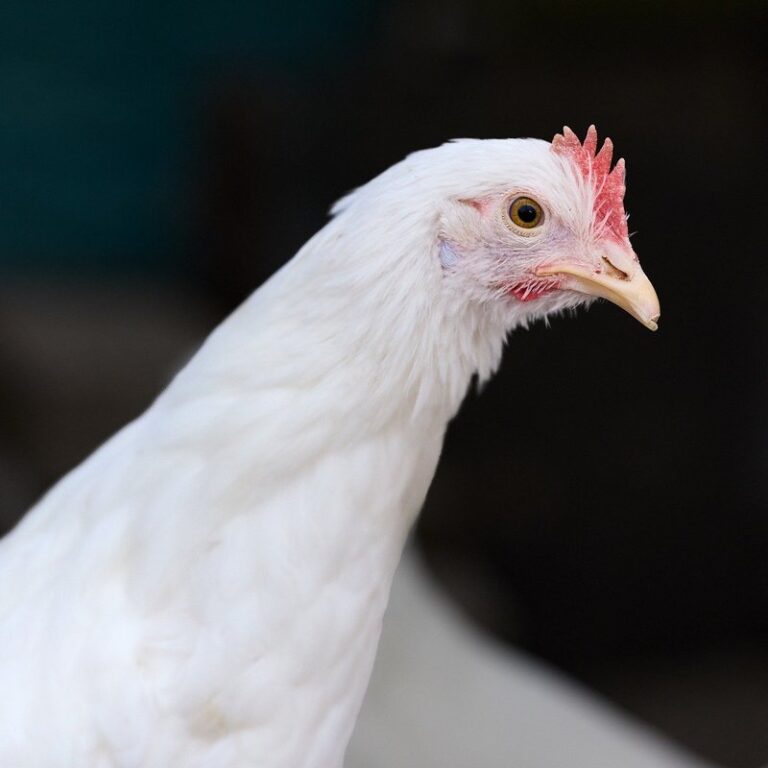
The physical characteristics of the White Leghorn hen are one of its most distinctive features. On average, they weigh between 5-6 pounds and stand approximately 28 inches tall, making them a medium-sized breed. Their plumage is a pristine white, with no feathers having a black or dark tint. This striking appearance is due in part to their genetic makeup, which has been selectively bred over centuries for its purity.
In terms of beak shape, White Leghorns have a sharp, tapered beak that’s well-suited for pecking at grains and seeds. Their comb color is a vibrant red, which can range from deep crimson to bright scarlet depending on the individual bird’s health and vitality. While some breeders may consider these physical characteristics as mere aesthetics, they also serve practical purposes in terms of egg-laying ability and overall hardiness.
When selecting breeding stock or purchasing chickens for your flock, it’s essential to look for birds with clean, well-feathered plumage and a strong, active demeanor. Avoid hens with dirty or matted feathers, as this can indicate poor health or inadequate nutrition.
Temperament and Personality Traits of the White Leghorn
The White Leghorn chicken breed is renowned for its exceptional temperament, making it an excellent choice for backyard farmers and commercial producers alike. Known for their gentle and docile nature, White Leghorns are highly adaptable to various living situations, including small backyards and large farms.
One of the key traits that set White Leghorns apart from other breeds is their remarkable ability to adjust to different climates. Whether you live in a hot and humid region or a cold and frosty one, these birds will thrive with minimal fuss. In fact, they are often used in commercial egg production due to their impressive tolerance for high temperatures.
In terms of handling styles, White Leghorns are surprisingly tolerant of human interaction. They can be easily handled from an early age, making them perfect for families or individuals who want to involve children in the care and maintenance of their flock.
Overall, the White Leghorn’s temperament is one of its most notable features. Their gentle nature and adaptability make them a joy to keep and a great choice for those new to backyard chicken-keeping.
Breeding and Raising White Leghorn Hens
When it comes to successfully raising your own White Leghorns, understanding how to breed and raise healthy hens from chick to maturity is crucial for optimal egg production and overall flock management. This section will walk you through that process.
Selecting a Hatchery or Breeder for High-Quality Chicks
When it comes to selecting a reputable hatchery or breeder for high-quality White Leghorn chicks, there are several factors to consider. One of the most important considerations is local availability. While online breeders can be convenient, buying directly from a local farm or hatchery can ensure that you’re getting healthy chicks adapted to your region’s climate and conditions.
Price is another key consideration. Be wary of extremely low prices, as they may indicate poor breeding practices or low-quality chicks. On the other hand, reputable breeders will charge more for their high-quality chicks, but the investment is worth it in terms of long-term health and productivity.
Check online reviews from multiple sources to get a sense of a breeder’s reputation. Look for red flags such as complaints about chick health, poor customer service, or unrealistic claims about egg production. You can also ask other backyard chicken keepers or local farmers for recommendations on reputable breeders in your area. By doing your research and choosing a reputable hatchery or breeder, you’ll set yourself up for success with healthy, well-bred White Leghorn chicks.
Caring for Baby Chicks: Nutrition, Health, and Brooder Setup
When it comes to raising baby chicks, providing them with a suitable environment is crucial for their development. A well-set up brooder will help keep them safe and healthy until they’re old enough to transition into the main coop.
To create a brooder, you’ll need a secure enclosure that’s draft-free and protected from predators. A wooden or plastic box with wire mesh walls is an ideal setup. The size of the brooder will depend on how many chicks you’re raising – a good rule of thumb is to provide at least 3-4 square feet per chick.
Nutrition plays a vital role in a chick’s development, so it’s essential to provide them with a high-quality starter feed that’s specifically formulated for young birds. Offer fresh water and grit as well, making sure the water container is heavy enough not to tip over.
Health checks should be conducted daily, looking out for signs of illness or injury such as labored breathing, lethargy, or unusual droppings. Monitor temperature fluctuations closely too – chicks need a consistent 90-95°F (32-35°C) environment for the first few weeks.
Regular cleaning and disinfection of the brooder will help prevent disease outbreaks, so set aside time each day to remove waste and debris, replacing bedding as needed.
Integrated Mating Systems (IMS) vs. Single Breeding Flocks
When it comes to breeding White Leghorn hens, you’ll come across two main approaches: Integrated Mating Systems (IMS) and Single Breeding Flocks. While both methods have their advantages, they cater to different scales of operations and offer varying benefits.
IMS involves combining multiple breeds or flocks in a single mating system, promoting genetic diversity and reducing the risk of inbreeding. This approach is ideal for large-scale operations where resources are abundant and there’s a need to produce high-quality eggs efficiently. IMS can also help mitigate the effects of disease by increasing genetic resistance among birds.
On the other hand, Single Breeding Flocks focus on maintaining a pure line of White Leghorns, often within smaller operations. This method allows for more control over breeding and selection, ensuring that each bird meets specific standards. However, it may be more challenging to implement and maintain, especially in small-scale settings where resources are limited.
When deciding between IMS and Single Breeding Flocks, consider your operation’s scale, available resources, and goals. If you’re running a large-scale poultry farm with plenty of space and personnel, IMS might be the better choice. For smaller operations or those prioritizing genetic purity, Single Breeding Flocks could be more suitable.
In either case, it’s essential to research local regulations, ensure proper record-keeping, and consult with experts to make informed decisions about your breeding program.
Health and Nutrition Considerations
When it comes to keeping White Leghorns, ensuring their health and nutrition is crucial for a thriving flock. We’ll cover essential tips on providing optimal feed and care.
Common Health Issues in White Leghorn Hens and Prevention Strategies
White Leghorns are known for their high egg production, but like all birds, they’re not immune to certain health issues. Respiratory problems are a common concern, particularly during extreme weather conditions. Cold stress can cause the birds’ respiratory system to shut down, leading to symptoms such as labored breathing and lethargy.
Cannibalism is another issue that affects White Leghorns, often caused by stress, overcrowding, or poor lighting. It’s essential to provide enough space per bird (at least 2-3 sq ft) and ensure proper ventilation to prevent the buildup of ammonia from droppings.
Egg binding can be a serious issue if left untreated. This condition occurs when an egg becomes stuck in the hen’s oviduct, causing discomfort and potential organ damage. Prevention strategies include ensuring hens have adequate calcium through their diet or supplements, providing enough nesting boxes (at least 1 per 5 birds), and encouraging regular exercise.
Keep your coop clean, dry, and well-ventilated to prevent disease and parasites that can exacerbate these issues. Regular health checks and monitoring of your flock’s behavior will help you catch any problems early on.
Balanced Diets for Optimal Egg Production
When it comes to optimal egg production, providing a balanced diet is crucial for the health and well-being of your White Leghorn hens. A laying hen’s nutritional requirements are unique compared to other chickens, as they need a higher concentration of protein, calcium, and specific vitamins to support their reproductive system.
The recommended daily intake of protein for a laying hen is around 16-18% of their total diet, with a minimum of 1.2% calcium content. Vitamin D3 and oyster shell supplements are also essential to ensure strong eggshell production. You can achieve this by mixing a commercial layer feed with vegetables, fruits, and grains.
For example, you can add crushed oyster shells or dark leafy greens like kale or spinach to their diet to provide additional calcium. Avoid overfeeding them on high-protein foods like meat or dairy products, as this can lead to health issues and reduced egg quality. A balanced diet will not only support your hens’ reproductive system but also boost their overall health and immune function.
Biosecurity Measures to Protect Your Flock from Disease
As a responsible chicken keeper, implementing effective biosecurity measures is crucial to protecting your flock from disease. A single introduction of disease can quickly spread through the flock, leading to devastating consequences. To prevent this, it’s essential to establish a robust biosecurity protocol.
Start by isolating new birds for at least 30 days before introducing them to the main flock. This allows you to monitor their health and detect any potential issues early on. Ensure that all equipment, feeders, and waterers are thoroughly cleaned and disinfected between use. Regularly clean and disinfect any areas where birds come into contact with humans, such as coop entrances and perches.
Additionally, maintain a closed system by minimizing the number of people interacting with your flock. When visitors do arrive, require them to wear protective clothing, including masks, gloves, and boots. Provide separate footwear for visitors to prevent cross-contamination. Regularly review your biosecurity measures and make adjustments as needed to ensure the health and well-being of your White Leghorns.
Egg Production and Management
To raise high-quality White Leghorns, understanding their egg production and management is crucial, as it directly impacts the overall health and productivity of your flock. Let’s dive into the specifics of managing a thriving laying operation.
Understanding Fertility and Hatchability Rates in White Leghorn Hens
When it comes to egg production and management, understanding fertility and hatchability rates in White Leghorn hens is crucial for successful breeding programs. Fertility rate refers to the percentage of fertile eggs produced by a hen, while hatchability rate measures the number of chicks that successfully hatch from these fertile eggs.
Factors influencing fertility and hatchability include breed quality, nutrition, health status, and environmental conditions. For instance, research has shown that providing adequate protein levels in the diet can improve fertility rates by up to 10%. Additionally, maintaining a healthy flock with proper vaccination and parasite control measures can also positively impact hatchability.
White Leghorn hens typically exhibit peak egg production between 18-24 weeks of age, followed by a gradual decline. It’s essential for breeders to monitor these cycles closely and adjust management strategies accordingly. This might involve adjusting feed formulations or implementing stress-reducing practices like providing adequate light and exercise. By understanding and optimizing these factors, you can optimize fertility and hatchability rates in your White Leghorn flock, ultimately enhancing overall egg production efficiency.
Managing Egg Collection and Storage for Optimal Freshness
Collecting eggs from your White Leghorn flock requires careful attention to detail to ensure optimal freshness. Start by inspecting the nesting boxes daily to remove any debris and make sure the boxes are clean and dry. This helps maintain a healthy environment for your hens and reduces the risk of bacterial contamination.
When collecting eggs, handle them gently to avoid cracking or breakage. It’s essential to wash your hands before and after handling the eggs to prevent the transfer of bacteria from your skin. Store collected eggs in a cool, well-ventilated area, away from direct sunlight and moisture. A temperature range between 40°F and 50°F (4°C and 10°C) is ideal for maintaining freshness.
To manage the stress of frequent egg collection, consider implementing an egg rotation system. This involves collecting eggs at regular intervals throughout the day to prevent overcrowding in the nesting boxes. By doing so, you’ll reduce the likelihood of hens becoming stressed or aggressive towards each other when competing for space.
Maximizing Laying Periods with Proper Light Cycles and Nutrition
When it comes to maximizing laying periods with White Leghorn chicken hens, proper light cycle management and nutrition are crucial. Light cycles play a significant role in regulating the hen’s reproductive system, which can be optimized for maximum egg production.
To achieve this, provide 14-16 hours of daylight during peak egg-laying months, and gradually reduce it to 12 hours as the bird ages. Avoid sudden changes in light exposure, as this can cause stress, leading to a decrease in egg production. Consider implementing photoperiodic lighting systems that mimic natural day-night cycles.
A well-balanced diet is also essential for maintaining optimal egg production. Ensure your hens have access to a nutrient-rich layer feed that includes protein sources like soybean meal and grains such as corn and wheat. Supplement with calcium and phosphorus, as these minerals are vital for strong eggshell formation.
Provide fresh water at all times, and ensure the hen’s age, genetics, and individual needs are considered when making dietary decisions. With proper light cycles and nutrition, you can maximize your White Leghorn hens’ laying periods and achieve optimal egg production.
Frequently Asked Questions
Can I raise White Leghorn chickens indoors, or do they require a lot of outdoor space?
Yes, while White Leghorns are known to be active birds, they can thrive in smaller spaces with proper care and exercise. Ensure you provide enough light, ventilation, and room for movement within your indoor setup.
How often should I collect eggs from my White Leghorn hens, and what’s the best way to store them?
Collect eggs daily to maintain cleanliness and prevent breakage. Store them in a cool, dry place with adequate ventilation. You can also consider using egg cartons or trays with built-in ventilation for optimal freshness.
What are some common health issues in White Leghorn hens, and how can I prevent them?
Common health issues include respiratory problems, mites, and bacterial infections. Prevent these by maintaining good hygiene, providing a balanced diet, ensuring proper ventilation, and regularly monitoring your flock’s health.
Can I mix White Leghorn chickens with other breeds, or are they best kept separate?
While it’s possible to keep multiple breeds together, White Leghorns can be quite dominant due to their high energy levels. Introduce them slowly to the flock, monitor behavior, and ensure each bird has enough space and resources.
How do I determine the optimal light cycle for my White Leghorn hens to maximize egg production?
Provide 14 hours of daylight during peak laying periods (spring and summer) and adjust to 10-12 hours during winter months. Use LED lighting or natural sunlight, ensuring a balanced photoperiod to promote healthy egg production.