
When you’re bringing home a batch of adorable chicks, one thing that’s easy to overlook is their living space. As these tiny balls of fluff grow into healthy hens and roosters, they need room to stretch their wings and move around freely. But how much space does a chick really need? Calculating the optimal brooder space per chick can be a challenge, especially for beginners. The good news is that with a little planning and expertise, you can create a safe and nurturing environment that supports healthy growth and development from day one. In this article, we’ll break down everything you need to know about calculating needs, creating a comfortable space, and adjusting as your flock grows.
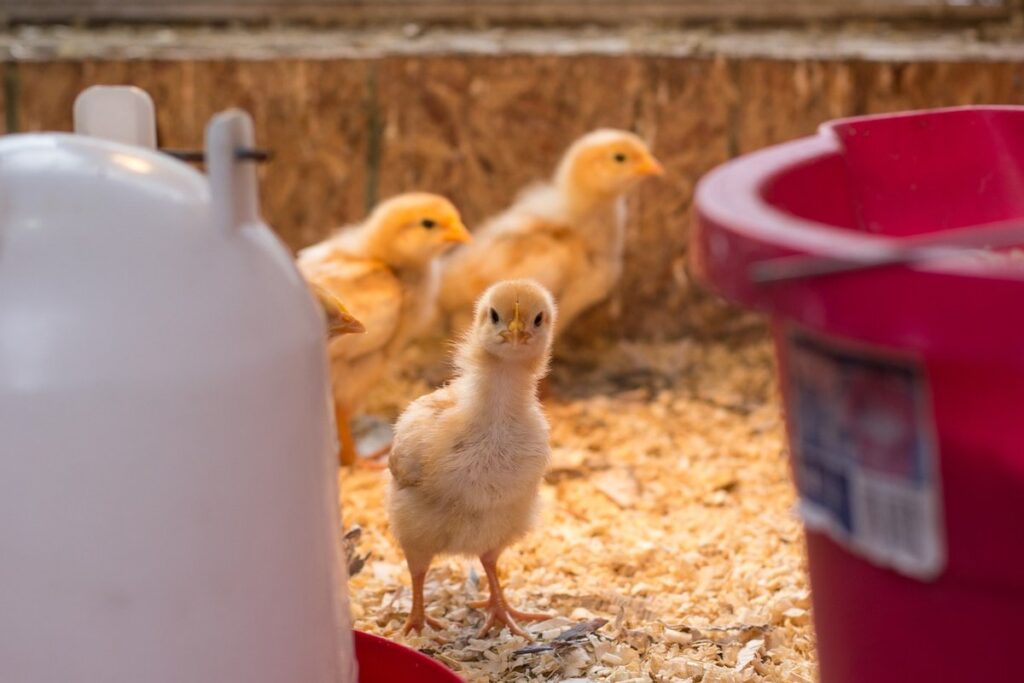
Understanding Brooder Space Requirements
When it comes to providing a safe and healthy environment for your chicks, one of the most critical factors is ensuring they have enough space to move around comfortably. In this section, we’ll break down the ideal brooder space per chick.
Importance of Adequate Brooder Space
Providing sufficient brooder space for chicks is crucial for their overall health, growth, and well-being. When chicks are cramped in a small area, they’re more likely to contract diseases due to the high concentration of airborne pathogens. This can lead to respiratory issues, such as pneumonia or bronchitis, which can be life-threatening if left unchecked.
Adequate brooder space also allows for proper air circulation, reducing the risk of overheating and heat stress. Chicks need space to move around comfortably, stretch their wings, and exercise without feeling claustrophobic. When they’re provided with sufficient room, they’ll be more likely to grow strong bones, develop properly, and have a robust immune system.
To determine if your brooder is providing adequate space for your chicks, look for the following signs: are they able to move around freely, or are they crowded against each other? Are there enough perches and roosts for them to comfortably perch on? By ensuring your chicks have sufficient brooder space, you’ll be taking a significant step towards promoting their overall health and well-being.
Recommended Brooder Space Guidelines
To ensure that your chicks have ample space to grow and develop, it’s essential to follow the recommended brooder space guidelines. According to poultry associations and experts, a general rule of thumb is to provide at least 1/4 square foot of space per chick inside the brooder. This translates to about 25-30 square inches per bird.
For example, if you have a dozen chicks in a 2×3 feet brooder, that’s approximately 15 square feet of space. However, this can vary depending on breed and size. Larger breeds or those that are expected to grow rapidly may require more space, up to 1/2 square foot per chick.
When determining the optimal brooder space per chick, consider factors such as ventilation, temperature control, and access to food and water. A well-ventilated area with adequate heat sources can help prevent respiratory issues, while ensuring that chicks have enough room to move around will promote healthy development and growth.
Calculating Brooder Space Needs
To ensure healthy growth and development, calculating brooder space per chick is crucial. We’ll walk you through a simple formula to determine exactly how much space each chick needs.
Determining Chick Numbers
To determine the ideal number of chicks for your brooder space, you’ll need to consider several key factors. First and foremost, think about the breed of chicken you’re raising. Some breeds are naturally more aggressive or dominant, which can impact growth rates and overall health. For example, larger breeds like Orpingtons or Brahmas may require more space per chick due to their rapid growth rate.
Next, consider the age of your chicks when they arrive at your farm or home. Chicks under 1 week old will require less space than those that are a few weeks older. A general rule of thumb is to plan for 0.25-0.5 square feet per chick for the first week, increasing to 1-2 square feet by 6 weeks.
Lastly, factor in growth rates. Some breeds grow faster than others, which can impact space requirements. For instance, Cornish Cross chickens are known for their rapid growth and may require more space due to their increased appetite and metabolism.
To make it easier, start with a general estimate of 1-2 square feet per chick by the time they reach 6 weeks old. This will give you a solid foundation for planning your brooder space needs.
Measuring and Planning Brooder Space
Accurately measuring and planning brooder space is crucial to ensure healthy growth and development of your chicks. When it comes to calculating floor space, a good rule of thumb is to provide at least 1-2 square feet per chick. However, this can vary depending on breed size and type. For example, larger breeds like Orpingtons may require more space than smaller breeds like Leghorns.
In addition to floor space, ventilation and temperature control are also essential factors to consider when planning brooder space. Proper ventilation helps maintain a healthy environment by removing ammonia and moisture buildup, which can lead to respiratory issues in chicks. You’ll want to ensure that your brooder has adequate airflow to prevent the buildup of toxic gases.
To plan effectively, measure out your brooder space using a tape measure or calculator, considering factors like feeders, waterers, and nesting boxes. A general guideline is to allocate 1-2 square feet per chick for each feeder and waterer, and ensure that these are easily accessible for the chicks.
Factors Influencing Brooder Space Requirements
Let’s dive into what affects brooder space requirements, including factors like chick breed, age, and growth rate to ensure you’re providing optimal living conditions.
Breed-Specific Needs
When it comes to brooder space requirements, one crucial factor to consider is breed-specific needs. Different chicken breeds have unique characteristics that impact their growth rates, health considerations, and temperament, ultimately influencing the amount of space they require.
For example, fast-growing breeds like Leghorns or Cornish Cross chickens need more space to accommodate their rapid growth spurt. These birds can grow up to 5 pounds in just 6 weeks, putting a strain on their bodies if not provided with sufficient room to move around. In contrast, slower-growing breeds like Orpingtons or Plymouth Rocks require less space but may benefit from more exercise and stimulation.
Temperament is another key consideration when it comes to breed-specific needs. Some chickens, such as Silkies or Polish, are known for their gentle nature and can thrive in smaller spaces with proper care. However, other breeds like Cochins or Jersey Giants can be more energetic and require larger areas to roam freely. Understanding these differences is essential to providing each bird with the right environment to grow and develop healthily.
When choosing a breed, consider not only its growth rate but also its specific needs for space and exercise. This will help you plan and provide an optimal brooder environment that caters to their individual requirements.
Age-Related Considerations
As chicks grow and develop, their needs change dramatically. It’s essential to adjust brooder space and care accordingly to ensure they thrive. For instance, newly hatched chicks require less space due to their small size and limited mobility. A general rule of thumb is to provide about 1-2 square feet per chick for the first week. However, as they grow and become more active, this space requirement increases.
By around 3-4 weeks old, chicks need at least 5-6 square feet per bird to move comfortably and prevent overcrowding. This increased space allows them to engage in natural behaviors like foraging, preening, and socializing. Failure to provide sufficient space can lead to stress, disease, and behavioral issues.
Consider the following adjustments as your chicks grow:
* Increase ventilation and air circulation to prevent ammonia buildup
* Rotate feeders and waterers to ensure all birds have access
* Provide additional perches or roosting bars for older chicks
Remember, every flock is unique, so it’s crucial to monitor your birds’ behavior and adjust their environment accordingly.
Creating an Optimal Brooder Environment
To create a thriving environment for your chicks, you’ll want to focus on temperature control, ventilation, and a safe zone for eating, drinking, and roosting. Proper setup will boost growth and development.
Temperature Control and Ventilation
Maintaining a suitable temperature range and adequate ventilation in the brooder is crucial for promoting healthy growth in chicks. The ideal temperature for a brooder varies depending on the age of the chicks, with younger birds requiring warmer temperatures around 90-95°F (32-35°C) to conserve energy, while older chicks can tolerate slightly cooler temperatures.
Proper ventilation is equally important, as it helps prevent ammonia buildup from droppings and stale air. Aim for a minimum of 1 square foot of open space per chick to ensure sufficient airflow. Installing vents or windows that allow for cross-ventilation can also help maintain a healthy environment. It’s essential to monitor temperature and humidity levels regularly, adjusting ventilation as needed to prevent extreme conditions.
For example, a well-designed brooder might include a heating system, such as infrared heat lamps or ceramic heat emitters, combined with adequate ventilation through windows or vents.
Lighting and Humidity Management
Lighting and humidity control are two critical factors to manage effectively in a brooder environment. Proper lighting helps regulate the chick’s circadian rhythms, growth rate, and overall well-being. The ideal lighting for a brooder should be around 1-2 lux, which is equivalent to about 10-20 foot-candles. You can achieve this by using overhead lights or LED grow lights.
On the other hand, humidity control in the brooder is equally crucial. Chicks need a humid environment to keep their respiratory system healthy and prevent stress. A relative humidity of 50-60% is ideal for young chicks. However, as they grow, you can gradually decrease the humidity level to around 30-40%. You can use a hygrometer to monitor the humidity levels in your brooder.
Some practical tips to manage lighting and humidity effectively include providing a consistent light-dark cycle, monitoring temperature fluctuations that can affect humidity, and ensuring good ventilation to prevent moisture buildup. By managing these factors, you’ll create a comfortable environment for your chicks to grow and thrive.
Monitoring and Adjusting Brooder Space
Monitoring brooder space is crucial, so let’s dive into how to effectively monitor and adjust your chicks’ living area as they grow and develop. Regular checks will help you keep up with their needs.
Tracking Growth and Development
Monitoring your chicks’ progress is crucial to ensure they’re receiving adequate space for growth and development. Regular checks will help you identify potential issues early on, allowing you to make adjustments as needed. Start by tracking the following metrics:
* Weight gain: Regular weigh-ins can indicate whether your chicks are growing at a healthy rate. Consult a growth chart specific to your breed to determine average weight milestones.
* Space usage: Observe how much space each chick is using and adjust accordingly. Aim for about 0.1-0.15 square feet of floor space per chick, increasing to 0.2-0.25 square feet as they mature.
Be prepared to make adjustments if growth rates vary or unexpected health issues arise. For example, if a disease outbreak affects your flock, you may need to reduce the number of chicks in the brooder to prevent overcrowding and promote recovery.
Keep an eye out for signs of stress, such as feather pecking or excessive noise. These can indicate that your chicks are feeling cramped. In this case, consider expanding the brooder space or implementing enrichment activities to keep them occupied and comfortable.
Troubleshooting Common Issues
As you set up brooder space for your chicks, it’s inevitable that some common issues may arise. Overcrowding is one of the most significant concerns when it comes to providing adequate brooder space per chick. If there isn’t enough room, chicks will start to fight and peck at each other, leading to stress and potential injuries.
To avoid overcrowding, make sure you have at least 1-2 square feet of floor space per chick. This may seem like a lot, but it’s essential for preventing the spread of disease and allowing your chicks to move around comfortably.
Heat stress is another critical issue that can arise when providing brooder space. Chicks need warmth, especially in their first few weeks, but if the temperature gets too high, they can suffer from heat exhaustion. Monitor the temperature closely and ensure it remains between 90-100°F (32-38°C) for the first week.
Finally, disease can spread quickly in a crowded brooder space. Keep an eye out for signs of illness such as labored breathing, lethargy, or loss of appetite. If you notice any of these symptoms, isolate the affected chick immediately and consult with a veterinarian for advice on treatment and prevention.
By being aware of these common issues and taking steps to prevent them, you can create a safe and healthy environment for your chicks to grow and thrive.
Best Practices for Implementing Brooder Space Guidelines
To ensure you’re giving your chicks the best possible start, let’s dive into some essential best practices for implementing brooder space guidelines that foster healthy growth and development.
Setting Up a Safe and Healthy Environment
Creating a safe and healthy environment in the brooder is crucial for your chicks’ growth and development. It’s essential to establish guidelines for sanitation and biosecurity to prevent diseases from spreading. Start by setting up the brooder with clean and dry bedding material, such as pine shavings or sand. Ensure that the bedding is at least 1-2 inches deep to allow for easy cleaning and to keep the chicks’ feet clean.
Regularly remove soiled bedding, manure, and uneaten food to prevent ammonia buildup and attract pests. Disinfect all surfaces with a mild detergent solution, paying extra attention to areas around feeders and waterers. Maintain a brooder temperature between 90-100°F for the first week, then gradually decrease it by 5°F every few days until you reach ambient temperature.
To prevent disease transmission, introduce new chicks to the brooder gradually, allowing them to acclimate to their new environment without stressing them out. Monitor your chicks’ health closely and isolate any sick birds immediately. Regularly inspect the brooder for signs of pests or mold, addressing these issues promptly to maintain a healthy environment.
Ongoing Care and Maintenance
Regular monitoring and maintenance of the brooder space are crucial to ensure optimal conditions for healthy growth and development. As chicks grow, their needs change rapidly, and it’s essential to keep a close eye on their environment to prevent stress and disease.
Check the temperature daily, ensuring it remains within the recommended range (usually 90-100°F) by adjusting heat lamps or thermostats as needed. Also, inspect the brooder for drafts and ensure proper ventilation to prevent carbon dioxide buildup. Change bedding material regularly, such as wood shavings or straw, to maintain cleanliness and dryness.
Clean waterers and feeders daily to prevent bacterial growth, and scrub them thoroughly every week with a mild detergent. Check for any signs of stress or illness among the chicks, such as labored breathing, loss of appetite, or unusual droppings. Addressing issues promptly will help prevent their spread and maintain a healthy flock. Schedule regular maintenance tasks, like cleaning and disinfecting the brooder, to ensure ongoing optimal conditions for your chicks’ growth and development.
Conclusion: Prioritizing Brooder Space for Optimal Chick Growth
In conclusion, prioritizing brooder space is crucial for optimal chick growth. By providing ample space for your chicks to move around, stretch their wings, and engage in natural behaviors, you’ll set them up for a healthy and thriving life. As we’ve discussed throughout this guide, the ideal brooder space per chick varies depending on age and breed. To recap, 1-2 square feet of space per chick is recommended for chicks under 6 weeks old, while 2-3 square feet is best for older birds. Remember to also consider factors like ventilation, lighting, and temperature when designing your brooder.
By following these guidelines and prioritizing brooder space, you’ll be giving your chicks the best possible start in life. With a little planning and attention to detail, you can create a safe and nurturing environment that supports their growth and development every step of the way.
Frequently Asked Questions
How do I know if my chicks are getting enough exercise in their brooder?
If you notice your chicks appear lethargic or are having trouble moving around, it may be a sign that the brooder space is too small. Make sure to provide at least 1-2 square feet of floor space per chick, and consider adding toys or obstacles to encourage physical activity.
What’s the best way to ensure proper air circulation in my brooder?
To prevent overheating and heat stress, ensure your brooder has adequate ventilation. Install windows or vents that allow for airflow, and position your chicks at least 2-3 feet away from any heating source. Regularly monitor temperature and humidity levels using a thermometer and hygrometer.
Can I use a pre-fabricated brooder box, or do I need to build one?
Pre-fabricated brooder boxes can be convenient options for small-scale chicken keeping. However, they may not provide the flexibility to adjust space or ventilation as needed. Consider building your own brooder using wood or plastic to create a customizable and adaptable environment.
How often should I clean and disinfect my brooder?
Clean and disinfect your brooder regularly (at least once a week) to prevent disease transmission. Remove soiled bedding, scrub all surfaces with a solution of 1 part bleach to 10 parts water, and rinse thoroughly before replenishing bedding material.
What if I notice signs of respiratory issues in my chicks – what’s the best course of action?
If you observe any signs of respiratory distress (such as labored breathing or coughing), immediately isolate affected birds from healthy ones. Consult with a veterinarian experienced in poultry care to determine the best treatment and quarantine procedures.