
Are you tired of dealing with messy nests and low egg production in your backyard flock? As any seasoned homesteader knows, designing and maintaining the perfect chicken laying boxes is crucial to maximizing your hens’ egg-laying potential. Not only will a well-designed coop keep your girls healthy and happy, but it’ll also help boost their productivity and bring you more fresh eggs from your very own backyard.
In this comprehensive guide, we’ll take you through the ins and outs of designing, building, and maintaining the perfect chicken laying boxes for your flock. From choosing the right materials to ensuring adequate ventilation, we’ll cover everything you need to know to create a safe and egg-cellent space for your girls to lay their eggs in peace. Whether you’re a seasoned expert or just starting out with backyard chickens, this guide is packed with practical tips and expert advice to help you get started on the path to more eggs from your flock!
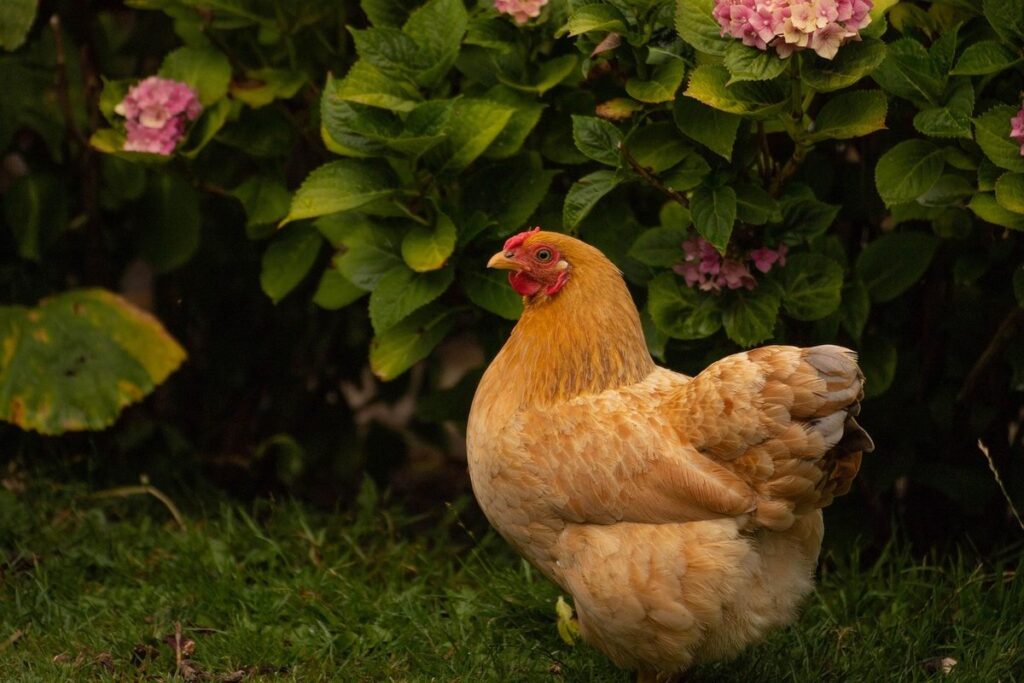
What are Chicken Laying Boxes and Why Do You Need Them?
So, you’re wondering what chicken laying boxes are all about and why they’re essential for your flock’s productivity. Let’s dive into what these boxes do and how they can benefit your chickens.
Benefits of Providing a Dedicated Laying Box
Providing a dedicated laying box is one of the most significant investments you can make for your flock’s productivity. Not only does it increase egg production, but it also reduces stress and makes collecting eggs much easier.
When chickens have a designated area to lay their eggs, they’re less likely to scatter them around the coop or even worse, hide them in unexpected places. This means you’ll spend less time searching for eggs and more time focusing on other important tasks. For instance, if your flock has been laying 300 eggs per week, but only half of them are being laid in a designated box, it’s likely that many will be hidden or lost.
By providing a dedicated laying box, you can expect to see an increase in egg production. This is because chickens feel safe and comfortable when they have a specific area to lay their eggs, reducing stress and allowing them to focus on producing more eggs. In fact, studies have shown that hens who have access to a dedicated laying box can produce up to 20% more eggs per week compared to those without one.
In addition to increased productivity, a dedicated laying box also provides a clean and hygienic environment for your chickens. This means you’ll spend less time cleaning up after them and more time ensuring their overall health and well-being.
Types of Chicken Laying Boxes Available in the Market
When it comes to choosing chicken laying boxes for your flock, you’re spoiled for choice. The market offers a variety of options, each with its own set of benefits and drawbacks. Let’s take a closer look at the most common types of laying boxes available:
Wooden laying boxes are a popular choice among backyard chicken keepers. They’re often made from durable woods like cedar or pine and can be customized to fit your coop’s design. Wooden boxes tend to be more affordable than their plastic counterparts, but they require regular maintenance to prevent rot and pest infestations.
Plastic laying boxes, on the other hand, are lightweight and easy to clean. They’re often made from durable polymers that resist wear and tear, making them a great option for busy farmers. However, some chicken keepers have reported issues with plastic boxes cracking or breaking over time.
Metal laying boxes offer a sturdy and long-lasting solution for large flocks. Made from galvanized steel or aluminum, these boxes can withstand heavy use and are often easy to clean. However, they can be more expensive than wooden or plastic options and may require additional ventilation to prevent ammonia buildup.
Ultimately, the type of laying box you choose will depend on your specific needs and preferences. Consider factors like durability, ease of cleaning, and cost when making your decision.
Designing the Perfect Chicken Laying Box
When it comes to designing a chicken laying box, every detail matters – from size and material to ventilation and accessibility. Let’s dive into the key considerations for creating an ideal nesting area.
Considerations for Optimal Box Size and Layout
When it comes to designing an optimal chicken laying box, choosing the right size and layout is crucial. Your flock’s productivity will depend on how comfortably they can move around and lay their eggs within the enclosure.
Consider the size of your flock, as larger birds require more space than smaller ones. For example, if you have a breed like Leghorns or Rhode Island Reds that are known to be prolific layers, provide at least 3-4 square feet per bird inside the box. However, smaller breeds such as Bantams may do well with just 2-3 square feet.
Another factor is the age of your chickens. Pullets (young hens) will require more space than mature birds as they grow and develop. A general rule of thumb is to provide at least 1-2 square feet per bird for every additional year beyond their first laying season.
Think about the layout of the box, too – should it be a simple linear design or something more complex? Consider including separate areas for nesting boxes, perches, and feeding troughs.
Incorporating Perches, Roosts, and Nests into Your Laying Box Design
When designing a laying box, it’s essential to incorporate perches, roosts, and nests. These features not only provide chickens with a safe and comfortable place to lay eggs but also promote good health and hygiene.
Perches allow hens to exercise their legs and claws, which is vital for their overall mobility and balance. Consider installing multiple perches at different heights to accommodate hens of various ages and sizes. A minimum of two perches should be provided, one at a height of about 2-3 feet and another slightly higher.
Roosts offer a place for chickens to rest and roost during the night. These can be installed on either side of the laying box or above it, providing ample space for hens to settle down. A smooth surface, such as a wooden board or metal rod, is ideal for roosting.
Nests are critical for egg-laying hens. They need a safe and private place to lay their eggs, free from drafts and disturbance. Consider using a nesting box with a sloping roof to encourage hens to enter easily. The floor of the nest should be about 6-8 inches deep to allow hens to comfortably turn around.
When incorporating these features into your laying box design, ensure they are accessible and easy to clean. This can be achieved by installing removable roosts or perches and using a smooth, durable surface for nesting boxes.
Choosing the Right Materials for Your Chicken Laying Box
When selecting materials for your chicken laying box, consider durability, ease of cleaning, and affordability to ensure a safe and healthy environment for your hens. Choose wisely to optimize their comfort and productivity.
Pros and Cons of Different Materials (Wood, Plastic, Metal)
When it comes to building a chicken laying box, one of the most crucial decisions you’ll make is choosing the right material. Different materials have their own set of pros and cons, which can affect the overall performance and longevity of your coop.
Wood is a popular choice for chicken laying boxes due to its natural warmth and rustic charm. However, it requires regular maintenance to prevent rot and insect infestations. Cedar wood, in particular, is a good option as it has natural oils that repel insects. But be aware that cedar can be expensive, especially if you’re planning to build a large coop.
Plastic laying boxes are another option, offering easy cleaning and durability. They’re often more affordable than wooden coops and require minimal maintenance. However, they can become brittle over time and may crack or break if exposed to extreme temperatures.
Metal coops are also a viable option, providing excellent durability and resistance to pests. They’re often more expensive upfront but offer long-term savings on maintenance costs. Some metal coops even come with built-in perches and nesting boxes for added convenience.
Ultimately, the choice of material depends on your budget, personal preferences, and the specific needs of your flock. Consider factors like maintenance requirements, durability, and cost-effectiveness when making your decision.
Additional Features to Consider When Selecting Materials
When selecting materials for your chicken laying box, there are several additional features to consider that can significantly impact the comfort and productivity of your flock. Ventilation is one such crucial aspect, as it plays a vital role in maintaining a healthy environment within the coop. Ensure that your chosen material allows for adequate airflow by incorporating features like windows, vents, or screens.
Drainage is another essential consideration, particularly if you’re planning to place your laying box outdoors. Water can accumulate and cause discomfort, stress, and even health issues among your birds. Opt for materials with built-in drainage systems or consider installing a slight slope to direct water away from the area. Accessibility is also vital – choose materials that make it easy to clean and maintain your laying box.
Consider using slatted floors or removable trays for effortless waste removal. Additionally, choose a material that can withstand moisture and extreme temperatures to ensure longevity and durability. By incorporating these features into your selection process, you’ll create an optimal environment for your flock’s comfort and productivity.
Maintaining a Clean and Hygienic Chicken Laying Box
To keep your hens healthy and productive, it’s essential to maintain clean and hygienic laying boxes, which we’ll cover in detail in this crucial section. Regular cleaning will make a huge difference for your flock!
Best Practices for Cleaning and Disinfecting the Box
Cleaning and disinfecting the laying box is an essential task that requires attention to detail. To remove droppings and debris efficiently, start by scooping out any solid waste into a disposable container. Use gloves to prevent bacterial transfer, and consider wearing a face mask for added protection.
Next, apply a small amount of high-quality litter or bedding material, such as wood shavings or straw, to the affected area. This will help absorb moisture and make cleaning easier. Use a rake or shovel to gently scrape out any remaining droppings or debris, taking care not to scratch the box’s surface.
Once you’ve removed all solid waste, disinfect the entire laying box using a poultry-safe sanitizer or bleach solution (1 part bleach to 10 parts water). Spray the solution evenly and let it sit for 5-10 minutes before rinsing thoroughly with clean water. Allow the box to air dry completely before returning your flock to their nesting area.
Regular cleaning and disinfecting will help maintain a healthy environment, reduce odors, and minimize the risk of disease transmission within your flock.
Strategies for Reducing Odors and Moisture in the Box
When it comes to maintaining a clean and hygienic chicken laying box, reducing odors and moisture buildup is crucial. A dirty or damp laying box can lead to decreased egg production, stress on the hens, and even health issues. To minimize these problems, you need to implement effective strategies for controlling odors and moisture.
One simple yet effective way to reduce odors is by using absorbent materials such as pine shavings or sawdust in the laying box. These materials can absorb moisture from droppings, keeping the area dry and odor-free. Another option is to add a layer of sand or diatomaceous earth, which can help control moisture and eliminate ammonia odors.
Proper ventilation is also vital in reducing moisture buildup. Ensure that your chicken coop has adequate airflow by installing windows, vents, or using a fan to circulate air. Regular cleaning and disinfecting of the laying box will also help maintain a hygienic environment. By implementing these strategies, you can create a clean and comfortable space for your hens to lay eggs, maximizing their productivity and overall health.
Troubleshooting Common Issues with Chicken Laying Boxes
Let’s face it, even with the best chicken laying boxes, issues can arise. This section will walk you through common problems and their easy-to-implement solutions to get your girls back on track.
Identifying and Addressing Egg-Laying Problems
When it comes to maximizing your flock’s productivity, identifying and addressing egg-laying problems is crucial. One common issue that can impact egg production is overcrowding in the laying box area. If there aren’t enough boxes for each hen or if they’re too small, hens may become stressed and laid-up eggs may be broken.
Another significant contributor to decreased egg production is poor nutrition. A balanced diet rich in calcium and protein is essential for healthy egg-laying. However, feeding your flock a low-quality feed can lead to nutrient deficiencies, which can impact fertility and egg size.
Health problems are also a major concern when it comes to egg laying. Respiratory issues, mites, and lice can all affect a hen’s ability to lay eggs. Regular health checks, clean living conditions, and proper ventilation in the coop can help prevent these issues.
Make sure to provide your flock with adequate space, nutritious feed, and regular health checks to ensure optimal egg production.
Resolving Issues with Box Design or Materials
When it comes to designing the perfect chicken laying box, even the smallest issues can impact your flock’s productivity. One of the most critical design-related problems is inadequate ventilation. If the box doesn’t provide enough airflow, ammonia from the droppings can build up and create a hostile environment for your chickens.
To resolve this issue, ensure that your chicken laying box has adequate ventilation by incorporating features such as:
• High ceilings or open-top designs to maximize air circulation
• Windows or vents on opposite sides of the coop to facilitate cross-ventilation
• A fan or exhaust system to actively remove stale air
Another common design-related problem is insufficient nesting space. If your chickens don’t have enough room to comfortably lay their eggs, they may become stressed and develop behavioral issues. To address this issue, consider increasing the number of boxes or adjusting the size of existing ones to provide ample space for each chicken.
A general rule of thumb is to provide at least 3-4 square inches of nesting box per chicken. This will give them sufficient room to lay their eggs without feeling cramped.
Conclusion: Maximizing Your Chicken Flock’s Productivity with a Well-Designed Laying Box
In conclusion, designing an effective laying box is crucial for maximizing your chicken flock‘s productivity. By providing a safe and comfortable space for your hens to lay eggs, you’ll be rewarded with healthier birds and a steady supply of fresh eggs. Remember, it’s all about creating a stress-free environment that encourages your girls to come back day after day. For instance, make sure the box is easily accessible, has adequate ventilation, and is positioned in a quiet area of the coop.
Consider adding some extra features, such as perches or nesting shelves, to create a cozy spot for your hens to rest while laying eggs. This thoughtful design will pay off in the long run, resulting in increased egg production and happier, healthier birds.
Frequently Asked Questions
Can I use a pre-existing coop for my chicken laying boxes, or do I need to build a separate structure?
You can repurpose an existing coop as long as it meets the basic requirements for optimal egg production and hens’ health. Ensure adequate ventilation, easy cleaning access, and sufficient space per bird. However, consider building a dedicated laying box if you plan on expanding your flock in the future.
How often should I clean and disinfect my chicken laying boxes?
Regular maintenance is key to maintaining a hygienic environment. Clean the box every week by removing soiled bedding and droppings. Disinfect with a poultry-safe solution every 2-3 months, or as needed. This will help reduce odors and prevent disease.
What are some signs that my chicken laying boxes need adjustment or repair?
Monitor your hens’ behavior for signs of stress or discomfort due to inadequate box design or maintenance. Look out for reduced egg production, droopy wings, or unusual vocalization. Check the box’s layout and materials regularly for wear and tear, ensuring they remain safe and functional.
Can I use a variety of materials for building my chicken laying boxes, such as reclaimed wood?
Yes, you can repurpose unique materials like reclaimed wood to create an eco-friendly coop. However, consider durability, moisture resistance, and ease of cleaning when choosing materials. Ensure any material used is safe for your hens and won’t compromise their health or egg quality.
How do I balance the size and layout of my chicken laying boxes with the number of birds in my flock?
Calculate at least 2-3 square feet per bird inside the box, taking into account nesting boxes and roosts. Ensure adequate space for easy cleaning and access. Balance the box’s dimensions to accommodate multiple hens comfortably while preventing overcrowding and stress on your birds.