
When it comes to your beloved muscovy ducks, one question often crosses your mind: how long can they live? Their lifespan is influenced by various factors, including breeding, genetics, environment, health issues, and human interaction. As a responsible duck owner or enthusiast, understanding these dynamics is crucial in providing the best care for your feathered friend. In this article, we’ll delve into the intricacies of muscovy duck longevity, exploring how different aspects impact their lifespan. You’ll learn expert tips on creating a healthy living space and identifying potential health issues to ensure your muscovy ducks live long, happy lives. From genetics and nutrition to environment and social interaction, we’ll cover it all to help you make informed decisions about caring for your muscovy duck.
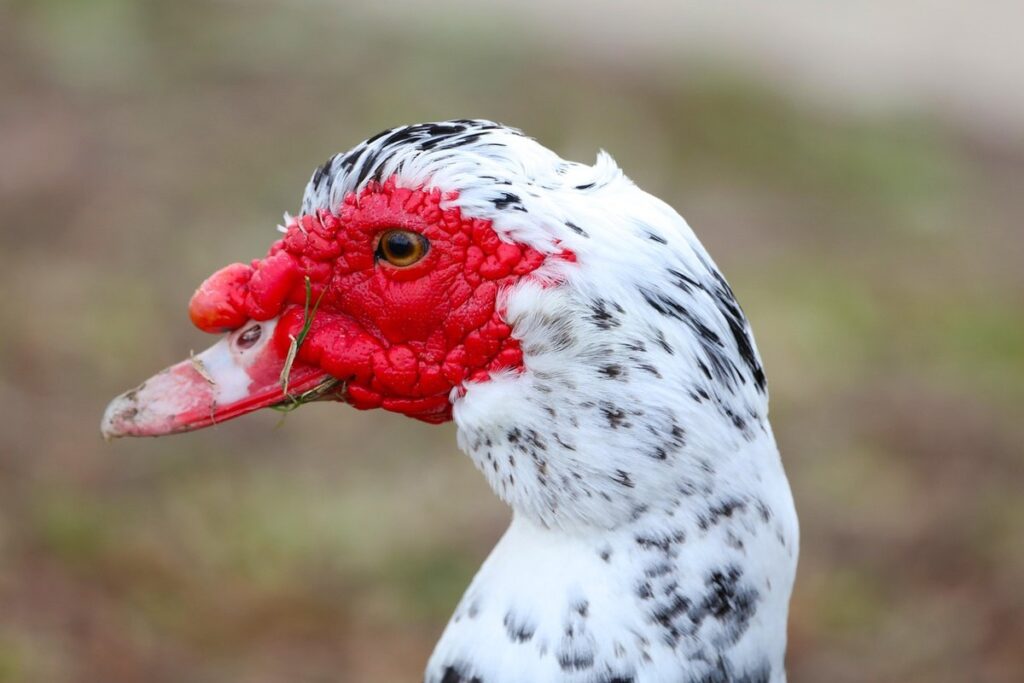
Average Lifespan of Muscovy Ducks
Muscovy ducks are known for their unique characteristics, but how long do they actually live? Let’s dive into the average lifespan of these fascinating birds.
Breeding and Genetics Influence on Lifespan
When it comes to breeding and genetics, they can significantly impact a muscovy duck’s lifespan. For instance, larger egg-laying ducks tend to have shorter lifespans due to their rapid growth rate and increased energy expenditure. This is because they put more stress on their bodies, making them more susceptible to health issues.
On the other hand, smaller egg-laying breeds often live longer due to their slower growth rate and lower energy requirements. Feather quality also plays a crucial role in determining lifespan, with healthy feathers protecting the duck from environmental stressors like extreme temperatures and harsh weather conditions.
Genetics can also influence overall health and longevity. For example, ducks bred for disease resistance tend to have higher lifespans compared to those without this trait. When selecting breeding stock, consider these factors to promote a healthier flock and potentially increase their lifespan. Regular veterinary check-ups and maintaining proper living conditions can further contribute to your muscovy duck’s overall well-being and longevity.
Research has shown that ducks with better feather quality tend to live around 2-3 years longer than those with poor feathers.
Environmental Factors Affecting Lifespan
Muscovy ducks are highly adaptable birds that can thrive in various environments. However, their lifespan can be significantly affected by environmental conditions such as diet, climate, and living space.
Diet plays a crucial role in determining the lifespan of Muscovy ducks. A balanced diet rich in nutrients is essential for maintaining their overall health. Ducks require a mix of grains, fruits, and vegetables to keep them healthy. Lack of proper nutrition can lead to malnutrition, which can shorten their lifespan. For instance, if you’re raising Muscovy ducks on a farm, ensure that they have access to clean water and high-quality feed at all times.
Climate also has a significant impact on the lifespan of Muscovy ducks. Extreme temperatures, both hot and cold, can stress them out, making them more susceptible to diseases. Keeping your ducks in a shaded area or providing adequate ventilation in their coop can help regulate their body temperature and maintain their overall health.
Living space is another critical factor that affects the lifespan of Muscovy ducks. Ducks require sufficient space to move around and exercise regularly. A small enclosure can lead to stress, which can further compromise their immune system and shorten their lifespan. It’s essential to provide your Muscovy ducks with a spacious area where they can roam freely and engage in physical activities.
In addition to these environmental factors, it’s also crucial to maintain good hygiene practices when caring for your Muscovy ducks. Regular cleaning of their coop, food, and water containers is necessary to prevent the spread of diseases. By providing your ducks with optimal living conditions and proper care, you can help extend their lifespan and ensure they live a happy and healthy life.
When it comes to designing an ideal enclosure for your Muscovy ducks, consider factors such as adequate ventilation, shade, and space for exercise. A well-designed coop should have a minimum of 2-3 square feet per duck inside the main living area, with additional space for perching and roosting.
Health Issues Affecting Muscovy Duck Lifespan
Muscovy ducks can be prone to certain health issues that significantly impact their lifespan, from respiratory problems to nutritional deficiencies. Understanding these risks is essential for responsible muscovy duck care.
Common Health Problems in Muscovy Ducks
Muscovy ducks are generally hardy birds, but they can be prone to certain health issues that can shorten their lifespan. Respiratory problems, for example, are a common issue among muscovy ducks, particularly during cold weather or when exposed to damp environments. This can lead to conditions such as pneumonia and bronchitis, which can be life-threatening if left untreated.
Parasites are another common health problem affecting muscovy ducks. Mites, lice, and fleas are common external parasites that can cause discomfort, stress, and even anemia in affected birds. Internal parasites like worms and protozoa can also infect muscovy ducks, leading to weight loss, diarrhea, and lethargy.
Tumors are a serious health issue that can affect muscovy ducks, particularly as they age. While rare, tumors can cause significant distress and discomfort for the bird, and may require surgical removal in severe cases. Regular veterinary check-ups and monitoring of your muscovy duck’s overall health can help identify these issues early on, allowing you to take preventative measures or seek medical attention promptly if needed.
It’s essential to provide a clean and healthy environment for your muscovy duck to reduce the risk of these common health problems. This includes keeping their enclosure well-ventilated, providing regular exercise and activity, and practicing good hygiene when handling them. Regular check-ups with a veterinarian can also help identify any potential issues before they become major health concerns.
Nutrition-Related Health Concerns
Poor nutrition or dietary deficiencies can significantly contribute to health problems that affect a Muscovy duck’s lifespan. One of the most common issues is malnutrition, which can lead to weakened immune systems and increased susceptibility to diseases. A diet lacking essential vitamins and minerals such as calcium, vitamin D3, and omega-3 fatty acids can cause musculoskeletal problems, kidney stones, and even heart disease.
A Muscovy duck’s diet should consist of a balanced mix of commercial pellets or grains, supplemented with fresh fruits and vegetables, such as leafy greens, berries, and carrots. However, overfeeding can lead to obesity, which is another significant concern for these birds. Providing a clean water source that contains essential minerals is also crucial.
In addition, dietary deficiencies can cause specific health concerns in Muscovy ducks. For example, a lack of vitamin A can lead to night blindness, while inadequate calcium intake can result in softening of the bones or ‘mushy legs.’ To prevent these issues, it’s essential to provide a well-planned diet and monitor your bird’s weight and overall health regularly.
Factors Influencing Lifespan in the Wild
Several factors contribute to a Muscovy duck’s lifespan in its natural habitat, including diet, climate, and exposure to predators, which we’ll explore further below.
Survival Rates in Feral Populations
When it comes to feral muscovy ducks, survival rates can be a significant concern due to various environmental and predatorial factors. Research suggests that only about 20-30% of feral muscovy ducklings survive their first year, with mortality rates being highest during the initial weeks after hatching.
In urban areas, where muscovy ducks often thrive in large numbers, a study found that an average of 60% of females and 40% of males survive beyond one year. In contrast, feral populations in rural settings tend to have lower survival rates, with estimates ranging from 20-50%. The disparity can be attributed to factors such as increased human interaction, availability of food, and reduced predation pressure.
To improve the chances of muscovy ducklings surviving their first year, it’s essential for both animal lovers and wildlife managers to recognize the importance of providing a safe environment. This includes maintaining clean water sources, reducing human disturbance, and ensuring access to reliable food sources. By taking these steps, we can help create a more favorable ecosystem for these remarkable birds to thrive in.
Adaptation to Climate and Habitat
Muscovy ducks are highly adaptable birds that can thrive in various environmental conditions. In the wild, their lifespan is significantly influenced by their ability to adapt to changing climate and habitat. For instance, muscovy ducks living in tropical regions tend to have shorter lifespans compared to those in temperate zones. This is because they face extreme temperatures, humidity, and disease prevalence in their native habitats.
In response to these challenges, muscovy ducks have developed several adaptations. They can regulate their body temperature by fluffing out their feathers or seeking shade when necessary. Additionally, they are excellent foragers and can adjust their diet according to the availability of food sources. In areas with limited water resources, they have been known to survive on brackish or alkaline water, a feat that few other bird species can accomplish.
To ensure your muscovy duck population thrives in its environment, provide access to clean water and nutritious food. Implementing measures such as shelter and protection from extreme weather conditions will also contribute to their overall health and longevity. Regular monitoring of local climate and habitat changes will enable you to make informed decisions about the care and management of your muscovy ducks.
Tips for Extending the Lifespan of Your Muscovy Duck
To ensure your Muscovy duck lives a long and healthy life, it’s essential to implement some simple habits into their daily routine. Proper care can make all the difference in extending their lifespan.
Providing Optimal Living Conditions
When it comes to extending the lifespan of your Muscovy duck, providing optimal living conditions is crucial. This means creating a suitable environment that meets their specific needs, including housing, feeding, and veterinary care.
First and foremost, ensure your Muscovy duck has access to enough space to move around comfortably. A minimum of 2 square feet per bird inside the coop and 10-15 square feet per bird in the run is recommended. This will help prevent stress-related health issues and keep them active and engaged. Consider a secure enclosure that protects against predators, such as foxes or raccoons.
A balanced diet is also essential for maintaining your Muscovy duck’s overall health. Provide high-quality commercial pellets or grains as the main staple, supplemented with fruits and vegetables. For example, offering leafy greens like kale and spinach can provide essential vitamins and minerals. Fresh water should always be available, and consider adding a salt lick to their diet.
Regular veterinary check-ups are also vital in maintaining your Muscovy duck’s health. Schedule annual check-ups with a qualified avian veterinarian to monitor their health and catch any potential issues early on. This will help ensure your feathered friend lives a long and happy life.
Preventative Health Measures
To ensure that your muscovy duck lives a long and healthy life, it’s essential to implement preventative health measures. One crucial aspect is vaccinations, which help protect against diseases such as Marek’s disease, Newcastle disease, and botulism. Consult with a veterinarian to determine the best vaccination schedule for your bird.
Regular parasite control is also vital in maintaining good health. Muscovy ducks are susceptible to internal parasites like worms and external parasites like mites, lice, and fleas. Monitor your duck’s droppings and feathers regularly for signs of infestation, and treat promptly with medication prescribed by a vet.
In addition to these measures, regular check-ups with a veterinarian can help identify potential health issues before they become severe. These visits also provide an opportunity to discuss any concerns you may have about your muscovy duck’s behavior or overall health.
By implementing these preventative strategies, you can significantly reduce the risk of disease and ensure that your muscovy duck lives up to its average lifespan.
Factors Affecting Lifespan in Domestic Environments
When it comes to raising a Muscovy duck, there are several environmental factors that can significantly impact their lifespan. Let’s examine these variables together.
Comparison with Other Poultry Species
When it comes to comparing the lifespan of muscovy ducks with other popular poultry species, some interesting patterns emerge. On average, a muscovy duck can live for around 10-15 years, which is significantly longer than many other domesticated birds.
For instance, chickens, one of the most common backyard pets, typically live between 5-7 years. This is likely due to their high metabolism and relatively shorter lifespan compared to ducks. On the other hand, geese are known to live up to 20-30 years in ideal conditions, often outliving muscovy ducks.
Goose-like longevity can also be observed in some breeds of turkeys, with some individuals living into their late teens or early twenties. However, these longer-lived birds tend to have specific dietary and environmental requirements that contribute to their extended lifespan.
Interestingly, muscovy ducks seem to occupy a sweet spot between shorter-lived chickens and longer-lived geese. By understanding the unique characteristics and needs of your pet, you can provide optimal care for your feathered friend and maximize its lifespan.
The Role of Human Interaction on Muscovy Duck Behavior and Health
When it comes to muscovy duck behavior and health, human interaction plays a significant role. Research has shown that social isolation can lead to stress, behavioral problems, and even reduced lifespan in these birds. In fact, studies have found that muscovy ducks raised in groups with regular human interaction exhibit better immune function, reduced aggression levels, and improved overall well-being compared to those kept alone.
In domestic environments, providing adequate human interaction is crucial for maintaining the health and happiness of your muscovy duck. Here are a few practical tips:
* Spend at least 30 minutes per day interacting with your muscovy duck, whether it’s through playtime, feeding, or simply letting them roam in a secure area.
* Consider keeping multiple muscovy ducks together to create a social flock, as long as they’re introduced properly and have enough space to move around.
* Observe your muscovy duck’s behavior and body language, taking note of any signs of stress or boredom. Adjust their environment and interaction accordingly.
By prioritizing human interaction and socialization, you can help promote the physical and mental health of your muscovy duck, leading to a longer, happier life.
Conclusion and Final Considerations
As you’ve reached the end of our exploration into the lifespan of Muscovy ducks, it’s time to summarize key takeaways and consider how they can inform your decision-making as a duck owner.
Recap of Key Factors Affecting Lifespan
When it comes to determining the lifespan of muscovy ducks, several key factors come into play. Let’s recap the most significant influences on their longevity.
Breeding and genetics have a substantial impact on the lifespan of muscovy ducks. Research has shown that certain breeds can live up to 10-15 years in optimal conditions, while others may only reach half that age. Factors such as egg size, growth rate, and feather quality can all be indicative of a duck’s genetic predisposition to longevity.
Environmental factors also play a crucial role in determining the lifespan of muscovy ducks. Proximity to predators, access to clean water and food, and overall living conditions all contribute to a duck’s ability to thrive. For example, a study on muscovy duck populations in Australia found that those raised in backyard flocks with adequate space and care lived significantly longer than those in industrial farms.
Health issues are another significant factor affecting the lifespan of muscovy ducks. Common health problems include respiratory infections, parasites, and reproductive disorders. Regular veterinary check-ups, proper sanitation, and a balanced diet can all help mitigate these risks. It’s essential for duck owners to monitor their birds’ behavior and health closely to catch potential issues early on.
Human interaction also has a profound impact on the lifespan of muscovy ducks. Stress caused by poor handling, inadequate socialization, or exposure to toxic substances can significantly shorten a duck’s lifespan. By providing a safe, nurturing environment and engaging in positive interactions with our feathered friends, we can help them live long, healthy lives.
In conclusion, understanding the interplay between breeding, genetics, environment, health issues, and human interaction is essential for determining the lifespan of muscovy ducks. By taking proactive steps to address these factors, duck owners can promote longevity and overall well-being in their beloved pets.
Frequently Asked Questions
What are some signs that my muscovy duck’s lifespan might be shorter than average due to health issues?
If you notice any unusual changes in your muscovy duck’s behavior, such as lethargy, loss of appetite, or difficulty walking, it may indicate an underlying health issue. Regular monitoring and veterinary check-ups can help identify potential problems early on.
How often should I provide fresh water and food for my muscovy ducks to ensure their optimal lifespan?
Fresh water and nutritious food are essential for maintaining your muscovy duck’s overall health. Change the water daily, and ensure a balanced diet that includes protein-rich foods like fruits, vegetables, and grains.
Can muscovy ducks live with other birds or pets in harmony, or do they require separate living spaces to increase their lifespan?
Muscovy ducks are social animals and can thrive in flocks, but it’s essential to introduce them slowly and under close supervision. Ensure a spacious enclosure that provides enough space for exercise and exploration.
How can I adapt my muscovy duck’s living environment to accommodate seasonal changes and promote a longer lifespan?
As the seasons change, adjust your muscovy duck’s living conditions by providing adequate ventilation, insulation, and protection from extreme temperatures. Also, ensure easy access to food and water during harsh weather conditions.
What are some key differences between raising muscovy ducks in domestic environments versus their natural habitats that affect their lifespan?
Domesticated muscovy ducks often live longer than those in the wild due to better nutrition, healthcare, and protection from predators. However, maintaining a healthy balance between human interaction and natural instinct is crucial for extending their lifespan in both settings.