
If you’re planning to start raising chickens in your backyard, one crucial decision you’ll need to make is whether to get meat chickens or laying hens. While both types can provide fresh eggs and delicious meat, they have distinct differences that impact everything from feed requirements to health considerations.
The right choice for you depends on several factors, including breed selection, feeding needs, and your desired outcome. Meat chickens are bred specifically for their rapid growth rate and high meat yield, whereas laying hens focus on producing a steady supply of eggs. In this article, we’ll delve into the essential differences between these two types of chickens to help you make informed decisions about your backyard flock. We’ll cover breed selection, feed requirements, health considerations, and more to ensure you’re getting the best results from your chicken-keeping endeavors.
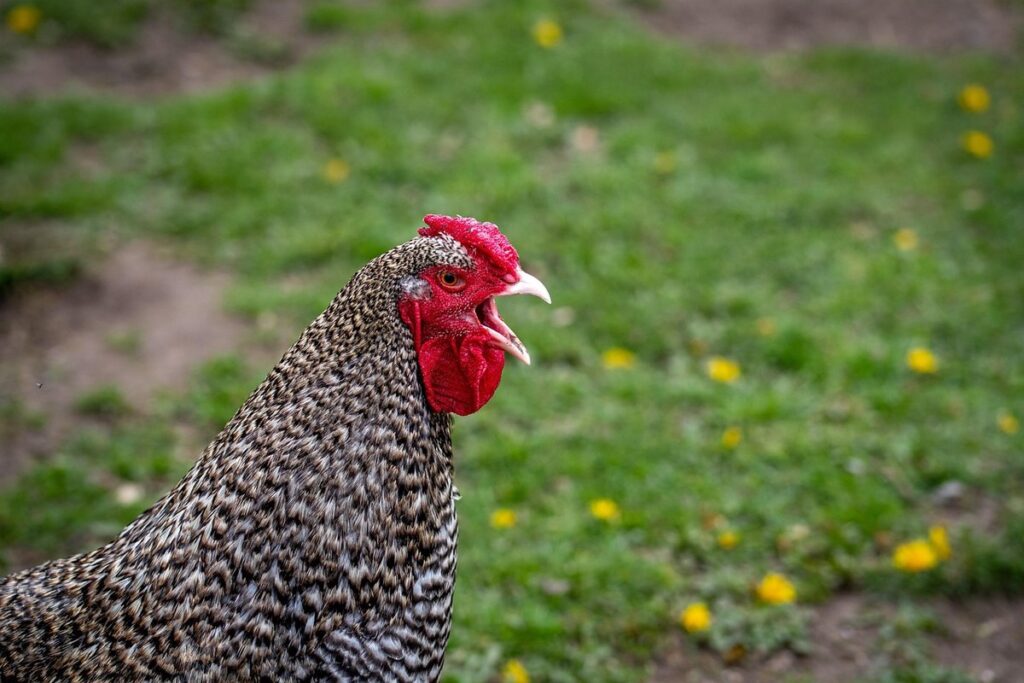
Introduction to Raising Backyard Flocks
If you’re thinking of raising chickens for eggs, meat, or a combination of both, understanding their unique needs and characteristics is essential. Let’s explore what it takes to raise a thriving backyard flock.
Benefits of Keeping a Mixed-Flock
Keeping a mixed-flock is an excellent way to raise backyard chickens, offering numerous benefits that go beyond just meat or eggs. By incorporating both meat chickens and laying hens into your flock, you’ll experience diversity and efficiency like never before.
For one, having both types of birds allows you to harvest fresh eggs daily while still producing a steady supply of meat. Imagine being able to collect eggs for breakfast and then butcher some chickens later in the week – it’s the ultimate in food self-sufficiency! Additionally, raising multiple breeds means you’ll have access to a wider variety of meat options, from heritage breeds like Leghorns to large fowl breeds like Orpingtons.
Another significant advantage is that having both types of birds increases your knowledge and understanding of chicken behavior. Meat chickens tend to be more docile and easier to handle than laying hens, which can be quite skittish at times. By raising both, you’ll gain hands-on experience with different breeds’ temperaments, helping you become a more confident and capable backyard farmer.
By embracing the benefits of a mixed-flock, you’ll not only have access to a sustainable food source but also develop valuable skills that will serve you well in the long run.
Factors to Consider Before Choosing Your Flock Type
When deciding between meat chickens and laying hens for your backyard flock, there are several essential factors to consider. One of the primary considerations is space. Meat chickens require significantly less space than laying hens due to their shorter lifespan and more efficient growth rate. A good rule of thumb is to provide at least 2-4 square feet per bird in a meat chicken setup, whereas laying hens need around 5-10 square feet per bird.
Feed costs are another crucial factor to consider. Meat chickens are typically fed a high-protein starter feed for the first few weeks, followed by a finisher feed that’s lower in protein but higher in energy. Laying hens, on the other hand, require a layer feed that’s formulated specifically for egg production and may not be as cost-effective for meat producers.
Management expectations also vary between meat chickens and laying hens. Meat chickens are typically processed within 4-6 weeks of age, whereas laying hens can continue to produce eggs for several years with proper care and management. Understanding these differences will help you make an informed decision about which type of bird is best suited to your needs and resources.
Meat Chicken Characteristics
Meat chickens are bred for their rich, meaty flavor and tender texture, whereas laying hens are selected for egg-laying ability. Let’s take a closer look at the characteristics that set these two types apart.
Breed Selection for Meat Production
When selecting breeds for meat production, it’s essential to consider growth rates and desirable traits that optimize yield and efficiency. Some popular breeds suitable for meat production include Cornish Cross, Plymouth Rock, and Freedom Ranger.
These breeds have been developed through selective breeding to exhibit rapid growth rates, typically reaching market weight between 5-7 weeks of age. The Cornish Cross, for example, can grow up to 6 pounds in just 35 days, making it an ideal choice for commercial producers. On the other hand, Freedom Ranger and Plymouth Rock breeds are known for their slower growth rate, which allows for more favorable welfare conditions.
When choosing a breed, consider factors such as feed conversion ratio (FCR), meat quality, and disease resistance. A lower FCR indicates better efficiency, while superior meat quality is often associated with breeds like the Cornish Cross. By understanding the unique characteristics of each breed, producers can make informed decisions to optimize their operations and ensure a consistent supply of high-quality meat.
Feed Requirements and Nutrient Needs
When it comes to meat chickens, their dietary needs are quite different from those of laying hens. These birds require a high-protein diet to support rapid growth and weight gain. In fact, meat chickens need about 20-25% protein in their feed compared to 16-18% for laying hens. This is because they need to build muscle mass quickly to achieve market weight.
If the protein requirements are not met, it can lead to a range of health issues including stunted growth, weakened immune systems, and even increased mortality rates. To avoid these problems, many farmers opt for specialized meat chicken feed that contains higher levels of protein and other essential nutrients like calcium and phosphorus.
It’s also worth noting that meat chickens have different gut anatomy compared to laying hens, which can affect their ability to digest certain nutrients. As a result, it’s crucial to choose the right feed that takes these differences into account. By doing so, you can ensure your meat chickens receive the nutrition they need to grow strong and healthy.
Growth Stages and Harvesting
As you raise meat chickens for the table, it’s essential to understand their growth stages and know when they’re ready for harvest. Meat chickens, unlike laying hens, are bred specifically for their rapid growth rate and high-quality meat production.
From hatch to harvest, meat chickens go through several distinct growth stages:
* Day-old chicks (0-4 days): At this stage, ensure proper brooding conditions with adequate temperature control and feed.
* Poult stage (5-8 weeks): Gradually introduce the pullets to outdoor access and hard food. Monitor their health closely during this period.
* Rapid growth phase (9-16 weeks): The birds’ muscle mass increases significantly, making it crucial to provide adequate space, nutrition, and health monitoring.
* Maturation stage (17-20 weeks): Reduce feed intake to promote better meat quality and encourage weight gain without overfeeding.
Harvesting at the right time is critical. Aim for 3.5-4 pounds of live weight or 2.8-3.2 kg of dressed weight, depending on market requirements. Proper handling and processing techniques are vital to ensure food safety and minimize waste.
Laying Hen Characteristics
When it comes to selecting hens for egg production, understanding their characteristics is crucial. In this section, we’ll delve into the key traits of laying hens and what you can expect from them.
Breed Selection for Egg Production
When it comes to selecting laying hen breeds for egg production, there are several popular options that excel in different areas. If you’re looking for a high-egg-laying breed, consider the Leghorn, which can produce up to 300 eggs per year. However, if you prefer a more docile temperament and hardiness, the Plymouth Rock or Wyandotte might be a better fit.
Other desirable traits like fertility and disease resistance are also important considerations. For instance, the Australorp is known for its high egg-laying capacity and good fertility rates, making it an excellent choice for large-scale operations. On the other hand, the Orpington’s calm nature makes them ideal for small backyard flocks or families with children.
When choosing a breed, consider factors like climate adaptability, feed efficiency, and ease of management. Researching local market demand and competition can also help you decide which breed will best meet your needs. By selecting the right laying hen breed, you’ll be well on your way to producing high-quality eggs for sale or personal consumption.
Feed Requirements and Nutrient Needs
When it comes to laying hens, their diet is crucial for maintaining peak egg production and overall health. Unlike meat chickens, which are bred for growth rate and feed efficiency, laying hens have specific nutrient requirements that must be met to ensure optimal performance.
A laying hen’s diet should include around 16-18% protein to support muscle maintenance and egg production. Calcium levels are also critical, with a minimum of 3.5% calcium required to prevent hypocalcemia (milk fever) and promote strong eggshell formation. A balanced layer feed will typically provide the necessary calcium, but if you’re supplementing or free-ranging your birds, ensure they have access to a source of calcium, such as crushed oyster shells.
If laying hens don’t receive adequate calcium, it can lead to eggshell problems, including thinning, cracking, and reduced production. Monitor your flock’s diet and adjust as needed to prevent potential health issues and maintain peak egg performance. It’s also essential to provide a balanced layer feed that meets their nutrient needs, avoiding over-reliance on supplements or treats that may not provide the necessary nutrients.
Nesting and Brood Management
Managing a laying hen flock requires attention to detail and regular maintenance to ensure their health and productivity. First and foremost, it’s essential to provide adequate nesting boxes for your hens. A general rule of thumb is to offer one nesting box per three to four hens. This will prevent overcrowding and give each bird sufficient space to lay her eggs comfortably.
Regular egg collection is also crucial in maintaining a healthy flock. Gather eggs daily to prevent breakage, contamination, and egg consumption by the hens themselves. This simple task not only reduces stress on your birds but also helps you monitor their reproductive health.
Monitoring egg production is another vital aspect of managing a laying hen flock. Check for any decline in egg numbers or changes in egg size and color. These indicators can signal potential issues such as disease, nutritional deficiencies, or environmental stressors. By staying attentive to these signs, you can take prompt action to address any problems before they affect your hens’ overall well-being.
Health Considerations for Both Flock Types
When it comes to raising both meat chickens and laying hens, understanding their specific health needs is crucial. This section will help you identify key differences in their care requirements.
Disease Prevention and Vaccination Strategies
When it comes to disease prevention and vaccination strategies for meat chickens and laying hens, understanding their unique health requirements is crucial. Meat chickens are particularly susceptible to diseases such as coccidiosis, which can lead to significant losses due to reduced growth rates and increased mortality.
Laying hens, on the other hand, may be more prone to issues like egg drop syndrome, a viral disease that affects reproductive health and egg production. To mitigate these risks, regular vaccination programs should be implemented in accordance with local guidelines and expert advice.
Effective management practices also play a vital role in maintaining flock health. This includes maintaining optimal biosecurity measures, ensuring adequate ventilation, and providing clean water and feed. In addition to vaccinations, incorporating disease-fighting supplements into the feed can provide an extra layer of protection against common pathogens.
Biosecurity Measures for Reducing Disease Risk
Implementing robust biosecurity measures is crucial to protecting both meat chickens and laying hens from disease outbreaks. Disease can spread quickly through a flock, causing significant losses and even necessitating the culling of entire flocks.
To minimize this risk, it’s essential to establish strict protocols for introducing new birds, cleaning and disinfecting equipment, and controlling access to the farm or coop. For example, consider implementing a “quarantine” area where new birds are kept separate from existing ones for a period before being integrated into the main flock.
Some key biosecurity measures include:
• Regularly cleaning and disinfecting feeders, waterers, and nesting boxes
• Using personal protective equipment (PPE) such as gloves and masks when handling birds or their waste
• Monitoring flocks regularly for signs of disease and taking swift action if any issues arise
• Implementing strict hygiene practices among farm staff to prevent the spread of disease from one area of the farm to another
By following these guidelines, you can significantly reduce the risk of disease outbreaks and protect your flock’s health.
Management Considerations for Both Flock Types
When it comes to managing your flock, understanding the unique needs of meat chickens and laying hens is crucial to ensure their health and productivity. Let’s explore some key considerations for both types.
Housing and Shelter Requirements
When it comes to housing and shelter requirements for meat chickens and laying hens, there are distinct differences that need consideration. Meat chickens, being bred specifically for their high growth rates, require more space per bird compared to laying hens. A general rule of thumb is to provide at least 2-3 square feet of space per chicken inside the coop and 5-7 square feet in the run. This allows them room to move around comfortably and reduces stress.
Laying hens, on the other hand, can thrive with slightly less space, around 1.5-2.5 square feet inside the coop and 3-5 square feet in the run. However, it’s essential to ensure they have adequate ventilation to keep them healthy and prevent ammonia buildup from their droppings.
Protection from predators is another crucial consideration for both flock types. Secure enclosures with sturdy fencing, hardware cloth or chicken wire mesh can help safeguard against foxes, coyotes, raccoons, and other potential threats. It’s also vital to provide sheltered areas within the coop where birds can retreat during extreme weather conditions.
By understanding these specific housing needs, you’ll be better equipped to create a suitable environment for your flock, regardless of whether they’re meat chickens or laying hens.
Handling and Socialization Techniques
When handling and socializing both meat chickens and laying hens, it’s essential to adopt techniques that prioritize their welfare. For meat birds, gentle handling is crucial from an early age to reduce stress and prevent injuries. Start by picking them up carefully, supporting their body weight with one hand under the breast and the other behind the legs.
Socialization is also vital for meat chickens, as they can be more prone to aggression if not handled properly. Introduce them to new environments and people gradually, allowing them to become comfortable at their own pace. For laying hens, socialization is equally important to promote a stress-free environment and prevent pecking order issues.
Some key handling tips for both flock types include keeping movements slow and deliberate, speaking calmly to reassure them, and avoiding sudden or loud noises. By implementing these best practices, you can significantly reduce stress levels in your flock, leading to improved overall welfare and a healthier environment.
Integration and Mixing Flocks
When it comes to integrating meat chickens and laying hens, timing and planning are crucial to avoid conflicts and maintain a harmonious coop environment. Knowing when to introduce them is key to success.
Benefits and Challenges of Integrating Meat Chickens and Laying Hens
Integrating meat chickens and laying hens can be a great way to optimize resource sharing and reduce management complexity. By housing both types of birds together, you can create a more efficient and profitable operation. For instance, laying hens can help control pest populations that might otherwise harm your meat chickens, while meat chickens can provide manure for the laying hens’ living area.
However, integrating these two types of birds also comes with its challenges. Management complexity increases significantly when dealing with multiple species, as different needs and requirements must be taken into account. For example, meat chickens require more space to move around due to their faster growth rate, while laying hens need access to calcium-rich feed to maintain strong eggshell production.
When integrating your flock, it’s essential to prioritize the specific needs of each bird type and ensure that resources such as food, water, and ventilation are allocated accordingly. With careful planning and management, you can reap the benefits of integration while minimizing its challenges. Consider starting with a small trial run to gauge how well the two species adapt to each other in your specific environment.
Managing Different Flock Types Together
When managing both meat chickens and laying hens together, it’s essential to strike a balance between their unique needs. Meat chickens, being more aggressive and competitive, can often intimidate laying hens, causing them stress and reducing egg production. To minimize competition, consider separating the flocks at least once a week, allowing each group access to feeders, waterers, and roosting bars.
It’s also crucial to ensure that each flock type has adequate resources. For example, meat chickens require more space and nutrients for optimal growth, whereas laying hens need sufficient calcium and vitamins to maintain healthy egg production. To accommodate both types, consider a ratio of 2-3 square feet per bird for meat chickens, while providing at least 5-6 square feet per bird for laying hens.
Additionally, ensure that feeders and waterers are positioned to minimize competition, such as installing multiple feeders or using automatic watering systems. This will help prevent fighting and allow both flock types to thrive in the same enclosure.
Frequently Asked Questions
How can I ensure the health of my meat chickens while also protecting my laying hens from disease?
To minimize disease risk, maintain strict biosecurity measures for your flock, including regular cleaning and disinfection of enclosures, proper ventilation, and isolation of new birds before introducing them to the main flock. This will help prevent the spread of diseases between different types of birds.
Can I keep meat chickens and laying hens together in the same coop?
While it’s possible to integrate both types of birds, careful planning is required to ensure their needs are met. Meat chickens require more space and a separate feeding area, while laying hens need dedicated nesting boxes and a quieter environment for egg production.
How long does it take to raise meat chickens from chick to harvest age?
The growth rate of meat chickens varies depending on breed and management practices. Typically, you can expect to harvest them between 5-7 weeks after hatching, although some breeds may be ready in as little as 3-4 weeks.
What are the key differences in feed requirements for meat chickens versus laying hens?
Meat chickens require a higher-protein diet (18-20% protein) to promote rapid growth and muscle development. In contrast, laying hens need a balanced diet with moderate protein levels (16-17% protein) that supports egg production.
How can I manage the different growth stages of meat chickens and ensure they reach their full potential?
Monitor your birds’ weight and feed intake regularly, adjusting their diet as needed to optimize growth. Provide adequate space for movement and exercise, and consider incorporating growth-promoting supplements under the guidance of a poultry expert or veterinarian.