
If you’re fascinated by birds with unusual characteristics, then get ready to meet one of the most intriguing feathered friends out there: the plant duck. These remarkable birds have adapted to living among plants, making them a unique addition to any backyard or aviary. But caring for a plant duck requires more than just providing food and water – you need to create a suitable environment that mimics their natural habitat. In this article, we’ll delve into the world of plant ducks, exploring their characteristics, expert care tips, and health considerations. We’ll also cover essential aspects like diet and nutrition, so you can provide your feathered friend with everything they need to thrive. Whether you’re a seasoned bird owner or just starting out, this guide will help you learn how to properly care for your plant duck.
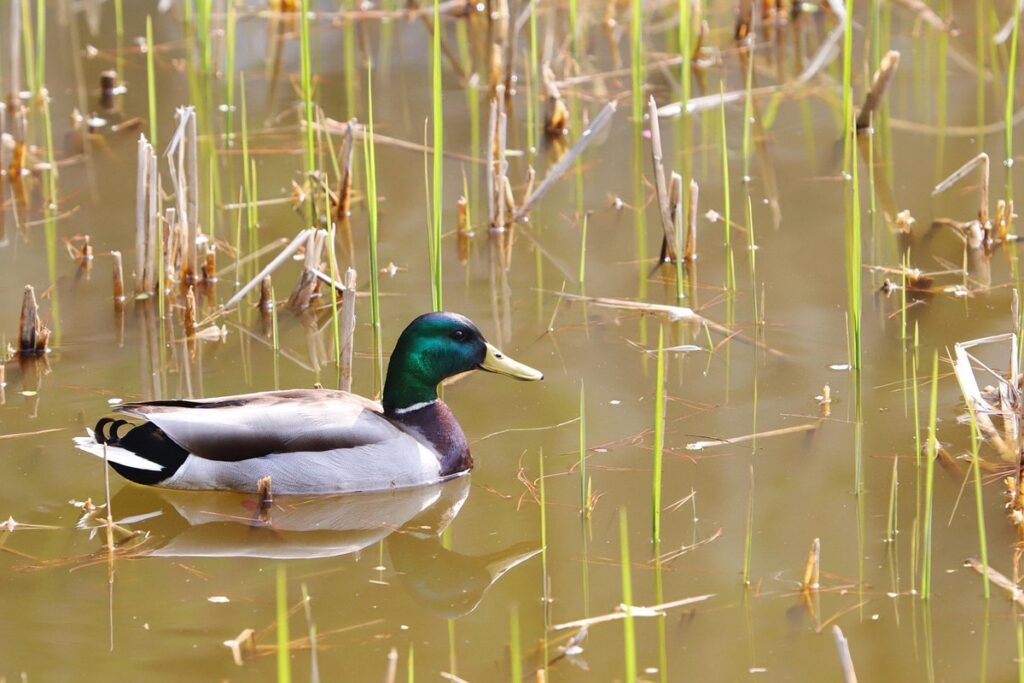
What is a Plant Duck?
So, you’re wondering what exactly a plant duck is? Let’s start by breaking down the basics: it’s not a real duck at all, but rather a peculiar combination of plants that mimic its appearance.
Characteristics of Plant Ducks
When it comes to identifying plant ducks, one of the first things you’ll notice is their physical appearance. Unlike traditional waterfowl, plant ducks have a unique set of characteristics that distinguish them from other bird species. In terms of size, plant ducks can range from 10 to 18 inches in length, making them smaller than many other types of ducks.
Their plumage is another defining feature. Plant ducks typically have soft, velvety feathers that come in a variety of colors, including shades of green, blue, and purple. These vibrant hues help them blend in with their surroundings, allowing them to thrive in environments where they might otherwise stand out.
One of the most distinctive features of plant ducks is their beak shape. Unlike the broad, flat beaks found on many other duck species, plant ducks have slender, pointed beaks that are perfectly adapted for nibbling on leaves and stems. This unique adaptation allows them to feed on a wide range of plant material, making them highly versatile birds.
In addition to these physical characteristics, plant ducks also possess a number of subtle features that set them apart from other bird species. For example, they often have bright, inquisitive eyes and a playful demeanor that makes them a joy to observe. By paying attention to these unique characteristics, you can easily identify a plant duck when you see one.
Habitat and Distribution
Plant ducks are native to tropical regions of Asia, where they thrive in warm and humid climates. In their natural habitat, you can find plant ducks inhabiting dense forests, near water sources such as rivers and lakes, and even in mangrove swamps. These unique birds have adapted to live among the lush vegetation, using their webbed feet to forage for food and avoid predators.
If you’re considering keeping a plant duck as a pet, it’s essential to replicate its natural environment. A spacious enclosure with plenty of space to fly and exercise is crucial. Provide a temperature range between 65°F to 85°F (18°C to 30°C) and maintain high humidity levels. Include plants native to their habitat, such as bamboo and ferns, to create a cozy atmosphere.
When introducing your plant duck to its new surroundings, ensure the area has adequate ventilation to prevent respiratory issues. Keep in mind that plant ducks are social birds and thrive in pairs or groups.
Evolutionary History
Plant ducks have evolved over millions of years to become one of the most fascinating and unique species in the plant kingdom. Their evolutionary history is a testament to their ability to adapt and thrive in a wide range of environments.
It’s believed that plant ducks originated from a common ancestor with other duck-billed plants around 100 million years ago during the Cretaceous period. Over time, they developed distinct characteristics such as their unique bill shape and specialized roots that allowed them to tap into underground water sources. This adaptation enabled them to survive in areas with limited access to surface water.
One of the most significant adaptations of plant ducks is their ability to photosynthesize at night, a process known as Crassulacean acid metabolism (CAM). This allows them to conserve water and reduce transpiration losses, making them incredibly resilient in dry environments. By understanding this unique trait, you can provide your plant duck with optimal growing conditions that mimic its natural habitat.
In the wild, plant ducks have been observed growing in areas with limited soil nutrients, where other plants would struggle to survive. This is due to their highly efficient root system and ability to absorb nutrients from the surrounding environment. By replicating these conditions in your home or garden, you can encourage healthy growth and flowering of your plant duck.
Plant Duck Care and Housing
When it comes to plant duck care, setting up a comfortable and safe living space is crucial for their well-being. Learn how to create a happy home for your feathered friend.
Providing a Suitable Environment
When it comes to caring for plant ducks, providing a suitable environment is crucial for their health and well-being. A spacious enclosure that meets their unique needs is essential. The size of the enclosure will depend on the number of ducklings you have, but as a general rule, plan for at least 2-3 square feet per bird.
Good ventilation in the enclosure is also vital to prevent ammonia buildup from their droppings. This can be achieved by installing windows or vents that allow for airflow and ensuring there are no drafts that might chill your ducks. Lighting is another critical aspect of a plant duck’s environment. They require natural light, but direct sunlight can be too intense, so it’s best to provide shaded areas where they can take refuge.
Consider adding a UVB light specifically designed for waterfowl to ensure they receive the necessary spectrum of light for calcium metabolism and overall health. By creating an environment that is both spacious and well-ventilated, you’ll be providing your plant ducks with everything they need to thrive.
Diet and Nutrition
When it comes to providing the right diet for plant ducks, their nutritional needs are quite different from those of regular ducks. As they don’t have access to insects and worms like wild ducks do, you’ll need to supplement their diet with nutrient-rich foods.
One essential component of a plant duck’s diet is high-quality layer pellets or crumble mix specifically formulated for waterfowl. You should also provide fresh vegetables daily, such as leafy greens, carrots, and squash. Fruits like apples and berries can be given in moderation, but avoid giving them avocado, rhubarb, and onions.
In addition to these staple foods, plant ducks require access to a constant supply of clean water for drinking and swimming. You’ll need to change their water frequently to prevent bacterial growth and contamination. A general rule is to provide at least 10-15 gallons of space per duck in the pool, with a depth of at least 12 inches.
In terms of feeding frequency, plant ducks typically require about 1/4 cup of food per pound of body weight daily, split into two or three meals.
Health Considerations
Plant ducks are generally hardy animals, but like all living creatures, they can be susceptible to certain health issues. Respiratory problems are one of the most common concerns for plant duck owners. This is often caused by poor ventilation or dirty environments, which allow bacteria and other pathogens to multiply.
To prevent respiratory issues, it’s essential to maintain a clean and well-ventilated environment. Make sure your plant duck enclosure has adequate airflow, and regularly clean any food or water dishes to prevent bacterial buildup. A balanced diet rich in nutrients is also crucial for maintaining healthy lungs. Provide your plant duck with plenty of fresh vegetables and fruits, as well as high-quality commercial pellets.
Parasites are another common health issue that can affect plant ducks. Internal parasites like worms can be a problem if you don’t provide regular deworming treatments. External parasites such as mites and lice can cause discomfort and lead to skin infections if left untreated. Regularly inspect your plant duck’s skin, feathers, and droppings for signs of infestation, and consult a veterinarian or experienced breeder if you suspect an issue.
Regular monitoring and proper care can help prevent health issues in plant ducks.
Plant Duck Breeding and Reproduction
If you’re planning to raise a plant duck, understanding its breeding habits is crucial for successful reproduction. Let’s dive into how plant ducks breed and multiply in their natural habitat.
Breeding Cycle and Habits
Plant ducks are monogamous animals, forming long-term pair bonds with their chosen mate. This unique mating ritual is a crucial aspect of their breeding cycle. During courtship, plant ducks will perform a series of displays to attract and impress potential partners. These displays include vocalizations, such as quacking and whistling, as well as visual cues like strutting and preening.
Once paired, plant ducks will engage in a reproductive cycle that typically lasts around 2-3 weeks. During this time, they will mate multiple times, with the female laying an average of 8-10 eggs per clutch. The incubation period for these eggs is around 28 days, during which time the male will take on significant parental duties, including brooding and feeding the eggs.
It’s essential to replicate this natural cycle when breeding plant ducks in captivity. This can be achieved by providing a suitable environment that mimics their natural habitat and allows them to engage in normal behaviors. By understanding and respecting their unique reproductive habits, you can help ensure successful breeding programs and promote the health and well-being of these remarkable animals.
Incubation and Hatching
Plant ducks, like their duck counterparts, require careful incubation and hatching to ensure the health of their young. When it comes to incubating plant duck eggs, temperature control is crucial. The ideal temperature for incubating plant duck eggs is between 99°F (37°C) and 100°F (38°C). It’s essential to maintain a consistent temperature throughout the incubation period.
It’s also vital to turn the eggs regularly to prevent the chick from sticking to the membrane inside the eggshell. You can use an automatic turner or manually turn them three to five times a day. Over- or under-turning can lead to developmental issues in the chick. After 28 days of incubation, you should see the first signs of pip, where the chick starts to break out of the egg.
Continue turning the eggs until they hatch within 24-48 hours after the first sign of pip. Keep the incubator clean and well-maintained, ensuring a healthy environment for your plant duck chicks to develop.
Raising Plant Duck Chicks
Raising plant duck chicks requires attention to their unique needs from an early age. Providing proper nutrition is crucial for their growth and development. Plant ducklings need a balanced diet that includes aquatic plants, fruits, and insects. You can offer them a mix of commercial duck pellets and fresh vegetables like kale and spinach.
For shelter, it’s essential to provide a safe and draft-free area where they can grow without stress. A brooder or a large enclosure with adequate ventilation is ideal for young plant ducks. The temperature in the shelter should be around 90-95°F (32-35°C) during the first week, gradually decreasing by 5°F (3°C) each week until it reaches ambient temperature.
Socialization is also vital for young plant ducklings. They need to interact with their human caregivers and other ducks from an early age to become tame and friendly. Spend time with your chicks daily, handling them gently and letting them explore their surroundings. This will help them develop good temperament and reduce the risk of aggression later on.
Unique Aspects of Plant Ducks
One of the most fascinating aspects of plant ducks is their remarkable ability to thrive in low-light conditions, making them a popular choice for indoor gardeners. Let’s explore what makes them so uniquely adapted.
Specialized Feeding Habits
In the wild, plant ducks have evolved unique feeding habits to thrive on diverse aquatic vegetation. One of their key adaptations is using their beaks and tongues to filter small aquatic plants from the water column. They also possess a specialized digestive system that allows them to break down cellulose in plant cell walls, making it possible for them to feed on fibrous vegetation.
As pets, plant ducks can be encouraged to develop similar feeding habits by providing them with a varied diet rich in aquatic plants and vegetables. For example, you can offer duckweed, watercress, or kale as treats. It’s essential to supplement their diet with commercial pellets or grains to ensure they receive all the necessary nutrients.
Plant ducks have also been known to exhibit opportunistic feeding behavior, where they take advantage of seasonal fluctuations in plant growth. By mimicking this behavior in captivity, you can help your pet plant duck develop a balanced and healthy eating habit. To do so, provide a variety of fresh plants throughout the year, and avoid over-reliance on commercial foods.
Behavioral Traits
One of the most fascinating aspects of plant ducks is their unique behavioral traits. Unlike many other aquatic plants, plant ducks have developed complex communication patterns that help them interact with each other and their environment.
For instance, they use a variety of sounds to convey messages, such as warning calls to alert others of potential threats or soft chirping sounds to signal contentment. Observers have even reported seeing plant ducks “talking” to themselves when they’re stressed or anxious. By paying attention to these vocal cues, you can better understand your plant duck’s needs and emotions.
Mating rituals are also an essential part of a plant duck’s life cycle. During the breeding season, males will often engage in elaborate displays of strength and agility, showcasing their vibrant colors and intricate leaf patterns. This is an excellent opportunity for you to observe your plant duck’s unique characteristics and appreciate its individuality.
By recognizing and responding to these behavioral traits, you can build a stronger bond with your plant duck and create a more harmonious coexistence.
Cultural Significance
Plant ducks have captured the hearts of many, but their significance extends beyond mere aesthetic appeal. They hold a special place in various cultures, often symbolizing good fortune, prosperity, and new beginnings.
In Asian cultures, for instance, plant ducks are frequently featured in traditional gardens and landscapes, where they’re believed to attract auspicious energies. In Feng Shui, these plants are thought to bring balance and harmony to the surrounding environment. This is why you’ll often see them placed near entrances or in areas where families gather.
In Japan, plant ducks like the “Beni Kawa” are highly prized for their vibrant foliage and symbolic meaning. These plants represent love and romance, making them a popular choice for Valentine’s Day arrangements. In Korea, they’re believed to ward off evil spirits, which is why they’re often displayed during the Lunar New Year celebrations.
When incorporating plant ducks into your cultural traditions or practices, remember to choose species that resonate with their symbolic meanings. For example, if you want to attract good fortune, select plants like the “Money Tree” (Pachira aquatica) or the “Lucky Bamboo.” By doing so, you’ll not only enhance your indoor spaces but also tap into the rich cultural significance of these unique plants.
Plant Duck Conservation Efforts
If you’re eager to make a positive impact on plant duck populations, understanding conservation efforts is crucial. We’ll delve into the initiatives and actions being taken to protect these unique creatures.
Threats to Plant Duck Populations
Plant ducks are facing numerous threats that put their populations at risk. Habitat loss is one of the most significant concerns, as natural habitats such as wetlands and ponds continue to disappear due to urbanization and development. This loss of habitat not only affects plant duck populations but also disrupts their food chain and migration patterns.
Hunting is another major threat to plant ducks, particularly in certain regions where they are hunted for their meat or feathers. The Convention on International Trade in Endangered Species of Wild Fauna and Flora (CITES) regulates the hunting of some species, but it’s not always effective in preventing overhunting. Climate change also poses a significant threat, as changing weather patterns alter the availability of food resources and disrupt breeding cycles.
To mitigate these threats, conservation efforts are underway to protect plant duck habitats and reduce hunting practices. For example, many organizations are working to restore wetlands and create artificial habitats that mimic natural environments. Additionally, some countries have implemented regulations to limit hunting seasons and bag limits. By understanding the threats facing plant ducks, we can take action to protect these unique birds and ensure their populations thrive for generations to come.
It’s essential for individuals who care about plant duck conservation to support organizations working towards habitat preservation and sustainable hunting practices. You can make a difference by donating to reputable conservation groups or spreading awareness about the importance of plant duck conservation.
Conservation Strategies
When it comes to protecting the plant duck population, conservation strategies are crucial. One of the most effective ways to conserve their habitats is by preserving and restoring wetlands and aquatic ecosystems. This can be achieved through sustainable land-use practices, such as reforestation and agroforestry, which help maintain healthy water cycles and prevent soil erosion.
Another key strategy is reducing human impact on plant duck populations. For instance, we can minimize the use of pesticides and herbicides in agricultural areas to prevent water pollution. This not only protects the plant ducks but also benefits other aquatic species that call these habitats home.
Additionally, we can support conservation efforts by creating wildlife corridors and habitat connectivity. By linking isolated wetlands and forests together, we can enable plant ducks to migrate freely and find food without being confined to small areas.
It’s also essential to educate local communities about the importance of protecting plant duck habitats and promote sustainable livelihoods that don’t harm these unique species.
Community Engagement and Education
As a plant duck owner or enthusiast, you play a crucial role in promoting conservation and sustainable practices. Community engagement and education are essential components of effective conservation efforts. By sharing knowledge and experiences with others, you can help raise awareness about the unique needs and characteristics of plant ducks.
One way to engage your community is by hosting workshops or seminars on plant duck care and conservation. This could be a local event at a botanical garden or a online webinar for a wider audience. Share tips on how to create a suitable environment for plant ducks, such as providing adequate light, water, and nutrient-rich soil.
You can also partner with local nurseries, gardening clubs, or schools to promote plant duck conservation. For example, you could develop a educational program that teaches children about the importance of plant duck conservation and how they can contribute to it.
By taking an active role in community engagement and education, you’ll not only be helping to protect plant ducks but also inspiring others to join the cause. So, don’t be afraid to share your passion and expertise – together, we can make a positive impact on the well-being of this unique species!
Frequently Asked Questions
Can I keep a plant duck indoors if it’s cold outside?
While plant ducks can adapt to various temperatures, it’s essential to provide them with a suitable environment that mimics their natural habitat. If you live in an area with harsh winters, consider creating a controlled climate within your home or using specialized outdoor enclosures designed for plant ducks.
How do I know if my plant duck is getting enough nutrients?
To ensure your feathered friend is receiving the necessary nutrients, closely monitor its diet and adjust it according to its growth stage. Consult reputable resources on plant duck nutrition, and consider consulting a veterinarian experienced in caring for these unique birds. A balanced diet will help prevent health issues related to malnutrition.
Can I mix plant ducks with other bird species?
While plant ducks can be socialized with other birds, introducing them to a flock may require careful consideration. Ensure that the other birds are compatible and won’t stress or harm your plant duck. Researching specific compatibility guidelines for each species will help minimize potential issues during integration.
How often should I clean my plant duck’s enclosure?
Maintaining a clean environment is crucial for your plant duck’s health and well-being. Regularly inspect its living space, removing any debris or decaying matter that might accumulate. A general rule of thumb is to clean the enclosure at least once a week, with more frequent cleaning during hot weather months.
Can I breed plant ducks in captivity?
Breeding plant ducks requires specialized knowledge and expertise. Before attempting to breed these birds, research the specific needs and requirements for successful reproduction. Consult reputable sources on plant duck breeding and consult with experienced breeders or veterinarians who have experience with these unique birds.