
As a chicken owner, you’re no stranger to the importance of maintaining your flock’s health. However, one common problem that can sneak up on even the most diligent caretakers is a parasite infestation. When it comes to mites and lice in chickens, many people assume they’re interchangeable terms – but nothing could be further from the truth. In reality, these two types of external parasites have distinct characteristics and require different approaches for prevention, identification, and treatment. Learning how to identify and tackle mite and lice infestations is crucial for keeping your flock healthy and happy. This article will delve into the differences between mites and lice, provide effective natural remedies for treatment, and offer practical tips on how to prevent these pesky parasites from taking hold in the first place.
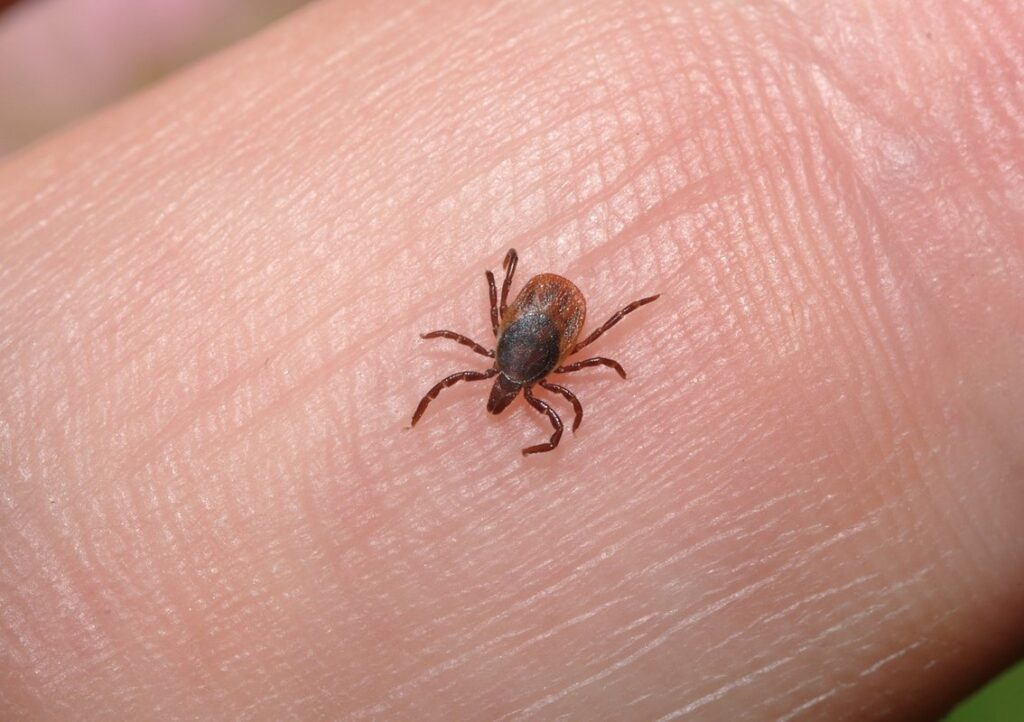
What are Mites and Lice in Chickens?
When it comes to chicken health, understanding the difference between mites and lice is crucial for keeping your flock happy and healthy. Let’s start by exploring what these external parasites are and how they affect chickens.
Types of Mites that Infest Chickens
When it comes to mites infesting chickens, there are several types you should be aware of. One of the most common is the chicken mite (Dermanyssus gallinae), which can cause significant discomfort and stress for birds. These mites are typically found on feathered areas and are known to feed on bird blood.
Another type of mite that affects chickens is the northern fowl mite (Ornithonyssus sylviarum). This species is often found in warmer climates and prefers to infest birds with heavy plumage. Northern fowl mites can be difficult to spot, as they tend to feed on areas under the feathers.
The scaly leg mite (Knemidokoptes mutans) is another common type of mite that affects chickens, particularly those with thick leg feathers. This species feeds on the skin and scales around the legs, causing lesions, scratching, and discomfort for birds.
Regular checking and monitoring are crucial in detecting these types of mites early on, so you can take prompt action to prevent infestations from escalating.
Signs and Symptoms of Mite Infestation
A mite infestation can be difficult to spot at first, but there are some telltale signs and symptoms that you should look out for. One of the most common indicators is excessive scratching, where chickens will excessively scratch their bodies, particularly around the neck, base of the tail, and behind the ears. This is due to the intense itching caused by mite bites.
Another sign is feather pecking, where birds start to pluck or pull out their own feathers, often resulting in bare patches on their body. This can be a sign that they’re uncomfortable or irritable due to mites. Weight loss and lethargy are also common symptoms of a mite infestation. Chickens may become listless and stop laying eggs.
If you notice any of these signs, it’s essential to take action quickly. Regularly inspect your birds’ bodies for any signs of mites, such as tiny moving dots or brownish specks around their eyes, ears, and neck. Also, check for a distinct odor or musty smell coming from the coop. If you suspect a mite infestation, isolate the affected bird immediately and treat the entire flock with an appropriate pesticide.
What are Lice in Chickens?
When it comes to lice on chickens, it’s essential to understand what they are and how they differ from other common parasites that affect poultry. Let’s break down the basics of chicken lice.
Types of Lice that Infest Chickens
Chickens can be infested with various types of lice that cause discomfort and stress. The most common types of lice that affect chickens are body lice, leg lice, and vent lice. Body lice typically live on the feathers near the bird’s body, where they feed on skin debris and oils. These lice can be identified by their oval-shaped bodies and can spread diseases such as scaly leg mites.
Leg lice, also known as fowl lice, are usually found around the legs and feet of chickens. They can cause irritation and discomfort to the bird, leading to scratching and pecking at the affected area. Vent lice, on the other hand, live near the chicken’s vent (anus) and can cause inflammation and infection in this sensitive area.
When it comes to identifying these types of lice, look for small, moving creatures that are usually brown or gray in color. If you suspect your chickens have lice infestation, inspect their bodies thoroughly and use a magnifying glass if necessary. Regular cleaning of the coop and treatment with an insecticidal powder can help control and prevent lice infestations.
Signs and Symptoms of Lice Infestation
A lice infestation can be devastating for your flock’s health and well-being. As an owner, it’s essential to recognize the common signs and symptoms of a lice infestation in chickens. One of the most noticeable indicators is excessive scratching. Chickens will often excessively scratch, particularly around their feathers, combs, and wattles, which can lead to skin irritation and lesions.
Weight loss is another sign of a lice infestation. Lice feed on the chicken’s blood, causing them to become weakened and lose weight. You may also notice changes in egg production, as stressed hens may stop laying eggs altogether or produce fewer eggs than usual.
It’s not uncommon for chickens with lice to appear dull and lethargic, losing their natural energy and appetite. Keep an eye out for these symptoms, especially if you’ve recently introduced new birds to your flock. Regularly inspecting your birds can help you catch any potential infestations early on. If left unchecked, a lice infestation can lead to severe health issues, including the transmission of diseases like histomoniasis and fowl typhoid.
Monitor your birds closely for these signs, and take action promptly if you suspect an infestation.
Understanding the Differences between Mites and Lice
Let’s dive into the differences between mites and lice, two common external parasites that can infest your chickens. In this section, we’ll break down their unique characteristics.
Physical Characteristics
When it comes to identifying mites and lice on chickens, understanding their physical characteristics is crucial. One of the primary differences between the two parasites lies in their size. Mites are typically much smaller than lice, with most species measuring around 0.5 millimeters in length. In contrast, lice can range from 2 to 8 millimeters long, making them significantly larger.
In terms of shape and color, mites are usually oval or teardrop-shaped, while lice are more cylindrical. Mites tend to be dark brown or black, often having a reddish tint, whereas lice are lighter in color, ranging from yellowish-brown to gray. When examining your chickens, look for these distinctive characteristics: if you notice tiny, dark specks moving around the feathers or skin, it could be mites. On the other hand, if you spot larger, more prominent parasites with a lighter hue, they might be lice.
It’s worth noting that both mites and lice can appear similar to dust or dirt at first glance, but their movements and behavior are usually distinguishable. To accurately identify these parasites, observe them under magnification or consult with a veterinarian for guidance.
Behavior and Life Cycle
When it comes to understanding the behavior and life cycle of mites and lice on chickens, there are some key differences. Mites, particularly the Northern Fowl Mite, attach themselves to their host by piercing the skin with their mouthparts, injecting saliva that prevents blood clotting, and then feeding on the chicken’s blood. They can survive for several days without a meal, making them more resilient to treatment.
Lice, on the other hand, attach themselves to feathers rather than the skin, using strong claws to grip onto the shaft of the feather. They lay eggs within these clumps of feathers, which are often mistaken for molting debris. Female lice can produce up to 100 eggs in their lifetime, with a life cycle that takes around 10-12 days.
In contrast, mites have a longer life cycle, taking approximately 3 weeks to complete. They go through three stages: egg, nymph, and adult, requiring multiple feedings to mature. Understanding these differences is crucial for effective treatment and prevention methods, which will be discussed in the following section. Regular monitoring of your flock and attention to detail can help you identify early signs of infestation, allowing you to take action before the problem escalates.
How to Prevent Mite and Lice Infestations
Preventing mites and lice infestations requires regular monitoring, good hygiene, and targeted treatments, which we’ll cover in detail below. Regular checks can help catch issues early on.
Environment and Hygiene
Maintaining a clean and hygienic environment is crucial in preventing mite and lice infestations in chickens. Mites and lice thrive in dirty conditions, so regular cleaning of coops and runs is essential to keep these parasites at bay. Start by removing any debris or droppings from the coop and run on a daily basis. Disinfect all surfaces with a mixture of white vinegar and water, paying particular attention to areas where your chickens roost and nest.
Don’t forget to clean your chickens’ feeders, waterers, and nesting boxes regularly as well. Replace bedding material like straw or wood shavings every few months, and ensure that there are no gaps or holes in the coop and run for mites and lice to hide and breed. By keeping your environment spotless, you’ll significantly reduce the likelihood of these parasites taking hold. Remember, a clean coop is not only essential for preventing infestations but also for maintaining the overall health and well-being of your flock.
Monitoring and Treatment
Monitoring for signs of mites or lice infestation is crucial to preventing further complications and ensuring the health and well-being of your flock. Regular checks should be made on a daily basis, paying particular attention to areas around the vent, neck, and legs where these parasites tend to congregate.
Check for common symptoms such as excessive scratching, fluffing or ruffling of feathers, and visible mites or lice crawling on your chickens’ bodies. You can also gently part the feathers around their vent area to inspect for any signs of infestation.
When it comes to treatment, it’s essential to identify the type of parasite affecting your flock first. Mite infestations are typically treated with powders, sprays, or dusts containing pyrethrin or permethrin. Lice, on the other hand, require more persistent treatment involving medicated shampoos or dips.
For severe cases or repeated infestations, consult a veterinarian for professional guidance and advice. They can help you determine the best course of action to get your flock back on track.
Treating Mite and Lice Infestations
If you suspect your flock has fallen prey to mites or lice, don’t worry – we’ve got you covered with effective treatment methods that’ll get them back to health in no time.
Chemical Treatments
Chemical treatments can be an effective way to control mite and lice infestations on chickens. Ivermectin is a popular choice for treating internal parasites like mites, but it’s essential to use the correct dosage as specified by the manufacturer. For example, ivermectin pour-on solutions are often used to treat mites, but they can be toxic if not used carefully.
Permethrin sprays or powders are also commonly used to control lice and mite infestations on chickens. When using permethrin, make sure to wear protective clothing and avoid applying it near the eyes or respiratory system of your birds. Always follow the instructions provided by the manufacturer and take necessary precautions to minimize exposure.
It’s crucial to note that chemical treatments should only be used as a last resort after attempting to manage infestations through other means, such as improving coop cleanliness and ventilation. Additionally, some chemicals may have withdrawal periods before eggs or meat can be safely consumed, so it’s essential to check with your local authorities for specific regulations.
Before using any chemical treatment, ensure you’ve identified the type of parasite correctly and consult with a veterinarian if necessary.
Natural Remedies
Controlling mite and lice infestations naturally is possible with the right techniques. One of the most effective methods is using diatomaceous earth (DE), a non-toxic powder that dehydrates and kills external parasites. Sprinkle it on bedding, dust it on your chicken’s feathers, and repeat as needed. Be sure to wear protective gear when applying DE to avoid inhaling its fine particles.
Essential oils can also help repel mites and lice. Certain oils like tea tree oil, peppermint oil, and lavender oil have natural insect-repelling properties. Mix a few drops of your chosen essential oil with water and spray it on your chickens’ feathers or in their coop to keep the pests at bay.
Some other natural remedies include using apple cider vinegar as a rinse after dusting with DE, or adding garlic powder to your chickens’ feed to repel mites and lice. Always research and test small areas before implementing new treatments to ensure they don’t cause any adverse reactions in your flock.
Managing Re-infestation
Re-infestation can be a frustrating problem when trying to keep your flock mite- and lice-free. We’ll explore some effective methods for managing re-infestation in this section.
Identifying Sources of Infestation
Identifying sources of re-infestation is crucial to preventing mites and lice from taking over your flock. Wild birds, particularly those that visit your property for food or shelter, can carry these pests on their feathers and bodies, bringing them back into your coop. If you live near a forested area, it’s not uncommon for squirrels, raccoons, or opossums to frequent your yard, potentially spreading mites or lice.
Other chickens in the surrounding area can also be a source of re-infestation. If neighboring farms or homesteads have mite- or lice-ridden flocks, it’s possible that their pests can migrate onto your property through shared fencing lines, airborne transmission, or even on feed and equipment. To identify these sources, keep an eye out for signs of infestation in nearby chickens, such as excessive scratching, feather loss, or unusual behaviors.
To prevent re-infestation, ensure your coop is secure and free from gaps where pests can enter. Regularly inspect your property for wild birds and other animals that may carry mites or lice. Consider implementing measures to discourage their presence, like using bird-repellent balloons or netting around feeders.
Implementing Long-term Prevention Measures
Implementing long-term prevention measures is crucial to preventing future infestations of mites and lice on your chickens. Regular monitoring and maintenance of a clean environment are essential components of these measures.
Start by ensuring your coop and surrounding area are kept clean and free of debris. Remove any uneaten feed, droppings, and old bedding at least once a week. This not only reduces the risk of infestation but also maintains a healthy environment for your birds.
Daily monitoring is equally important. Check your chickens regularly for signs of mites or lice, such as excessive scratching, redness, or presence of eggs. Use a magnifying glass to inspect hard-to-reach areas like under the feathers and around the vents.
In addition to regular cleaning and monitoring, make sure your coop has adequate ventilation and is well-maintained. Repair any holes or gaps in the walls and ensure proper drainage to prevent moisture buildup.
Frequently Asked Questions
Can I treat mites and lice with the same natural remedies?
Yes, some natural treatments like diatomaceous earth or neem oil can be effective against both mites and lice. However, it’s essential to note that different products may have varying levels of effectiveness depending on the severity of infestation and individual bird sensitivity. Always monitor your flock closely after treatment and adjust as needed.
How often should I clean and disinfect my chicken coop to prevent re-infestation?
To prevent re-infestation, it’s recommended to thoroughly clean and disinfect your chicken coop at least every 2-3 months, or more frequently if you notice signs of mite or lice activity. Use a combination of hot water, soap, and a disinfectant specifically designed for poultry coops.
What are the differences in treatment strategies between small-scale backyard flocks versus large commercial operations?
The approach to treating mites and lice can vary significantly depending on flock size and management practices. Backyard flocks may be able to effectively treat infestations with natural remedies, whereas larger commercial operations often require more targeted and intensive treatments due to the sheer number of birds involved.
Can chickens with weakened immune systems be more susceptible to mite or lice infestations?
Yes, chickens with compromised immune systems are indeed more vulnerable to external parasite infestations. Factors contributing to weakened immunity may include nutritional deficiencies, stress, age, or underlying health conditions. Providing a balanced diet, ensuring proper coop ventilation and sanitation, and addressing any underlying health issues can help mitigate the risk of infestation.
What’s the best way to monitor for signs of mite or lice activity in my flock?
Regular monitoring is key to identifying early signs of infestation. Check your birds’ feathers, skin, and behavior regularly for signs like excessive scratching, feather loss, or unusual droppings. Use a magnifying glass or hand lens to inspect individual birds’ feathers and areas under their wings and tail regions for evidence of mites or lice.