
As a backyard chicken keeper, you know how quickly an infestation can spread through your flock. But are those pesky bugs on your birds’ feathers mites or lice? Understanding the difference between these two common parasites is crucial for keeping your chickens healthy and happy. Not only do they cause discomfort, but they also compromise your flock’s overall well-being. If left untreated, mite and lice infestations can lead to anemia, weight loss, and even death. In this article, we’ll delve into the key differences between mites and lice, including symptoms, diagnosis, prevention strategies, and effective treatment options. By learning how to identify and manage these unwanted visitors, you’ll be better equipped to protect your flock from the dangers of mite and lice infestations.
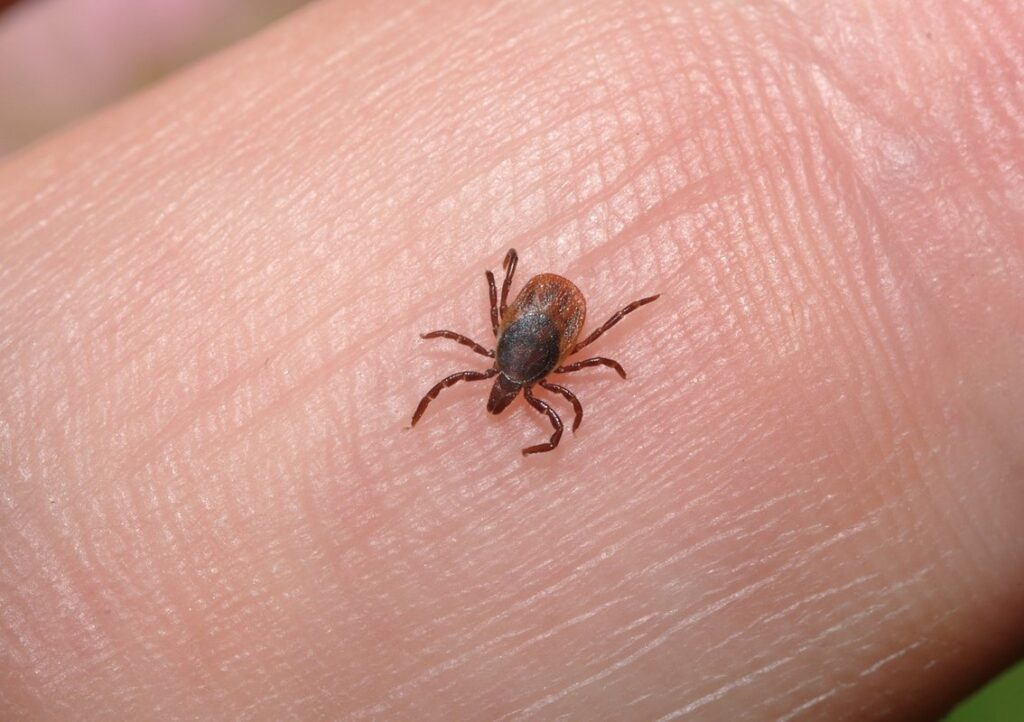
What are Mites and Lice?
Let’s start by defining what mites and lice are, two external parasites that can infest your chickens and cause them discomfort. You’ll want to know how they differ in appearance and behavior.
Types of Mites Found on Chickens
When it comes to mite infestations on chickens, there are several types of mites that can be present. One of the most common is the Northern Fowl Mite (Ornithonyssus sylviarum). These mites are typically found in cooler climates and prefer to inhabit poultry houses with poor ventilation.
The Southern Fowl Mite (Acarapis woodi) is another type of mite that infests chickens, commonly seen in warmer regions. Unlike the Northern Fowl Mite, this species can survive indoors without a host for extended periods. Chicken mites (Dermanyssus gallinae), as their name suggests, are specifically adapted to live on chickens and feed on their blood.
Identifying these different types of mites is crucial to implementing effective treatment strategies. Symptoms such as excessive feather pecking, lethargy, and anemia can be indicative of a mite infestation. Monitoring your flock regularly for signs of infestation and taking prompt action are key to preventing the spread of mites.
Treatment typically involves medicated powders or sprays applied directly to the birds, as well as thorough cleaning of living quarters. Regular maintenance, including regular coop cleaning and monitoring for signs of mite activity, can also help prevent future infestations.
Identifying Mite Infestations in Chickens
Identifying mite infestations in chickens can be a challenge, but there are several signs to look out for. One of the most noticeable symptoms is excessive scratching. Chickens will often scratch themselves frantically, especially around their vents and under their wings. This behavior is usually accompanied by loss of appetite, which can lead to weight loss over time.
If you notice your chickens exhibiting these behaviors, it’s essential to inspect them closely for signs of mites. Look for tiny, moving dots on the feathers, particularly around the vent area. Mites are usually more active at night and can be difficult to spot during the day. However, if you gently part the feathers with your fingers, you may see the mites scurrying around.
To confirm a mite infestation, take a close look for debris or eggs attached to the bird’s skin or in their coop. Mite eggs are usually white and can be seen as small specks on the feathers or in the vent area. If you suspect a mite infestation, isolate your chickens immediately and treat them with an appropriate medication.
What are Lice?
Let’s dive into what lice actually are: these pesky external parasites feed on a chicken’s blood and cause intense discomfort. They’re a common problem for backyard flock owners.
Types of Lice Found on Chickens
There are several types of lice that can infest chickens, each with its unique characteristics and habits. Body lice, also known as Cheyletiella, are one of the most common types found on chickens. These tiny, light-brown mites burrow into the skin of the bird’s neck, back, and wings, causing discomfort and irritation.
Leg lice, on the other hand, are typically seen in larger flocks where multiple birds share living quarters. They feed on the skin debris and oils from the bird’s legs, leading to lesions and skin damage if left untreated. Body and leg lice can both be transmitted through direct contact with an infected chicken or contaminated surfaces.
To identify body and leg lice, look for tiny, moving specks on your chickens’ feathers, especially around their necks and legs. Regular inspections of your flock are crucial to catch infestations early, reducing the risk of further complications such as stress, weight loss, and reduced egg production.
Identifying Lice Infestations in Chickens
Identifying lice infestations in chickens can be challenging, but there are some telltale signs to look out for. One of the most noticeable symptoms is excessive preening, where birds excessively clean and scratch their feathers. This behavior is often accompanied by irritation, which can lead to skin damage and open sores. In severe cases, lice infestations can cause significant damage to feathers, leaving them matted and disheveled.
Look for signs of lice on your chickens’ heads, necks, and shoulders, as these are the most common areas affected. You may also notice that your birds seem more agitated or stressed than usual, which is a clear indication of an underlying issue. It’s essential to inspect your flock regularly, particularly during molting season when their feathers are more susceptible to damage.
To confirm a lice infestation, gently part the bird’s feathers and check for tiny moving specks on the skin. If you’re still unsure, consult with a veterinarian or poultry expert who can provide a definitive diagnosis and recommend treatment options. Remember, early detection is crucial in preventing the spread of lice and minimizing the risk of further complications.
Similarities Between Mites and Lice
While it may seem counterintuitive, mites and lice do share some surprising similarities, which we’ll explore next to help you better understand these unwanted poultry pests. Let’s dive into their common traits.
Shared Symptoms of Mite and Lice Infestations
When dealing with mite and lice infestations in chickens, it’s not uncommon for poultry owners to notice similar symptoms. Both types of parasites can cause a range of issues that may seem identical at first glance.
One of the most noticeable signs is weight loss. When mites or lice feed on your chicken’s blood, they deplete its energy reserves, leading to significant weight loss over time. This can be particularly concerning if you have young or vulnerable birds in your flock.
In addition to weight loss, chickens suffering from mite or lice infestations may become lethargic and exhibit changes in appetite. They might show less interest in food or water, which can further exacerbate the problem. Some owners even report that their birds’ feathers become dull and brittle due to malnutrition.
To identify these symptoms early on, it’s essential to keep a close eye on your flock’s overall health. Regularly inspect their plumage for signs of mites or lice, such as eggs, larvae, or actual parasites. Look out for changes in behavior, appetite, or droppings, and take prompt action if you suspect an infestation is occurring.
By being proactive and monitoring your chickens’ well-being closely, you can catch these issues before they become severe.
Why Proper Diagnosis is Essential
Accurate diagnosis is crucial when it comes to determining whether your chicken has mites or lice. The reason for this is that treatment options differ significantly between the two parasites. If you treat a mite infestation with lice medication, it will be ineffective and may even harm your chicken. Conversely, using mite-specific treatments on a lice infestation can lead to the same outcome.
To make matters more complicated, the symptoms of mites and lice are often similar, making diagnosis a challenge. Chickens with either infestation may exhibit excessive scratching, feather loss, or a dull appearance. However, only a proper diagnosis can determine which parasite is present and guide the necessary treatment. To ensure accurate diagnosis, it’s essential to inspect your chicken thoroughly under bright lighting, paying close attention to areas around the eyes, beak, and vent. Consult with a veterinarian if you’re unsure about how to proceed or suspect an infestation.
How to Prevent Mite and Lice Infestations
To keep your flock safe, it’s essential to take proactive steps to prevent mite and lice infestations from occurring in the first place. This involves regular monitoring and proper coop maintenance.
Keeping the Coop Clean and Dry
Maintaining a clean and dry coop environment is crucial to preventing mite and lice infestations. These external parasites thrive in unsanitary conditions, so keeping your chicken’s living space tidy will go a long way in deterring them.
Start by removing droppings and soiled bedding regularly. Use a scoop or shovel to collect the waste and dispose of it properly. Replace the old bedding with fresh material, such as straw or wood shavings, to absorb moisture and odors. Don’t forget to disinfect any surfaces with a pet-safe cleaning solution to prevent the buildup of bacteria and mites.
Cleanliness is especially important in areas where your chickens roost at night, as this is when they are most susceptible to infestation. Use a dusting agent or powder specifically designed for poultry to keep these areas dry and pest-free. By keeping the coop clean and dry, you’ll reduce the likelihood of attracting mites and lice, giving your flock a healthier environment to thrive in.
Using Integrated Pest Management (IPM) Strategies
When it comes to preventing mite and lice infestations on your flock, Integrated Pest Management (IPM) strategies are a crucial tool. IPM is an approach that considers the whole farm ecosystem, rather than just focusing on killing pests. By using a combination of cultural, biological, and chemical controls, you can reduce the risk of these unwanted visitors.
One key aspect of IPM is monitoring your flock regularly for signs of mites or lice. Keep an eye out for excessive scratching, feather loss, or a general decline in health. This early detection allows you to take swift action and prevent infestations from getting out of hand. For example, if you notice a single bird with heavy mite infestation, isolate it immediately and treat it separately.
Another important aspect of IPM is maintaining a clean and well-ventilated coop. Regularly remove soiled bedding, disinfect surfaces, and provide adequate airflow to reduce the likelihood of pests taking hold. By combining these strategies with targeted treatments when necessary, you can create an environment that’s less conducive to mite and lice infestations.
In addition to these physical controls, consider using diatomaceous earth or other natural powders to repel mites and lice. These products work by dehydrating the pests, rather than harming them with harsh chemicals. By incorporating IPM strategies into your flock management routine, you can significantly reduce the risk of these pests taking up residence on your farm.
Treating Mite and Lice Infestations in Chickens
Now that you know how to identify mites and lice, let’s talk about treating infestations in your flock effectively and safely. This section will cover methods for removing these pesky parasites from your chickens’ feathers and skin.
Medication Options for Mites and Lice
When it comes to treating mite and lice infestations in chickens, medication options are abundant. However, not all treatments work for both types of parasites, so it’s essential to identify the correct problem before choosing a treatment.
Powdered medications, such as permethrin or pyrethrin-based powders, can be effective against mites and lice. These powders are usually applied directly to the bird’s feathers, but be sure to follow the manufacturer’s instructions to avoid over-exposure. Sprays, like those containing amitraz or fenthion, can also target both mites and lice, although they may require reapplication after 7-10 days.
Injectable treatments are typically reserved for severe cases of infestation. For example, ivermectin injections have been shown to be effective against scaly leg mite infestations in chickens. Always consult with a veterinarian before administering any injectable medication to ensure the correct dosage and to prevent potential side effects.
Home Remedies for Mite and Lice Treatment
When it comes to treating mite and lice infestations in chickens, many backyard farmers turn to home remedies as a complementary approach to medical treatment. One popular option is diatomaceous earth (DE), a natural, non-toxic powder made from the fossilized remains of tiny aquatic organisms. DE works by dehydrating mites and lice, causing them to die off quickly. To use DE effectively, sprinkle it liberally around your coop and dust boxes, making sure to avoid inhaling it yourself.
Another home remedy is apple cider vinegar (ACV), which can be used in a variety of ways to help control mite and lice infestations. Mix equal parts ACV and water in a spray bottle and spritz it directly onto affected areas, or add 1-2 tablespoons of ACV to your chickens’ drinking water daily. The acidity in ACV helps to disrupt the mites’ life cycle and repel lice.
When using home remedies like DE and ACV, be sure to combine them with medical treatment as prescribed by a veterinarian. This will help ensure that you’re addressing the root cause of the infestation while also providing relief for your chickens.
Conclusion
In conclusion, understanding the differences between mites and lice in chickens is crucial for maintaining a healthy flock. By recognizing the distinct characteristics of each parasite, you can take effective measures to prevent infestations and address any issues that may arise. Remember, regular inspections and good hygiene practices are key to detecting these pests early on. For example, check your birds’ feathers and legs regularly, paying attention to any signs of scratching or irritation.
It’s also essential to consider the impact of mites and lice on your flock’s overall health and well-being. These parasites can cause stress, discomfort, and even lead to secondary infections if left untreated. By being vigilant and proactive in monitoring for these pests, you can help keep your chickens happy and healthy. With this knowledge, you’re better equipped to tackle any future infestations and maintain a thriving flock.
Frequently Asked Questions
Can I use home remedies to treat mite infestations, or are they effective for lice as well?
While home remedies can be a gentle option, their effectiveness varies depending on the severity of the infestation and type of parasite. For severe cases or persistent infestations, it’s often best to consult with a veterinarian or use over-the-counter medication specifically designed to target mites or lice.
How long does it take for symptoms to appear after an infestation has begun?
The time between exposure to mites or lice and noticeable symptoms can range from a few days to several weeks. Factors like the parasite’s severity, your flock’s overall health, and environmental conditions all impact this timeline.
What are some common mistakes people make when trying to prevent mite and lice infestations?
Common pitfalls include inadequate coop cleaning, poor ventilation, and underestimating the effectiveness of integrated pest management (IPM) strategies. Regularly inspecting your flock, maintaining a clean and dry coop environment, and using IPM methods can significantly reduce the risk of infestation.
Can I use the same treatment for both mites and lice on my chickens?
No, different treatments are usually necessary for mites and lice due to their distinct life cycles and resistance profiles. For accurate diagnosis and targeted treatment, consult a veterinarian or poultry expert to determine the best approach for your flock’s specific situation.
What should I do if I’ve already treated an infestation but it keeps coming back?
If recurring infestations occur after treatment, reassess your coop environment, sanitation practices, and IPM strategies. Consider factors like ventilation, feed quality, and parasite resistance to identify areas that may be contributing to the ongoing issue. Adjusting these variables often resolves persistent problems.