
Are you thinking about bringing some feathered friends into your backyard? A mobile chicken run is an excellent way to give your flock the freedom to roam while keeping them safe and secure. Not only do these runs provide a stress-free environment for your chickens, but they also come with several benefits that will make you wonder how you ever managed without one.
A well-designed mobile chicken run can improve egg production, reduce noise pollution, and even help with pest control. But what exactly makes up the perfect mobile chicken run? In this article, we’ll delve into the world of mobile chicken runs, covering everything from the benefits and design considerations to maintenance tips and must-have accessories that will ensure your backyard flock is happy and healthy. Whether you’re a seasoned farmer or just starting out, this ultimate guide has got you covered.
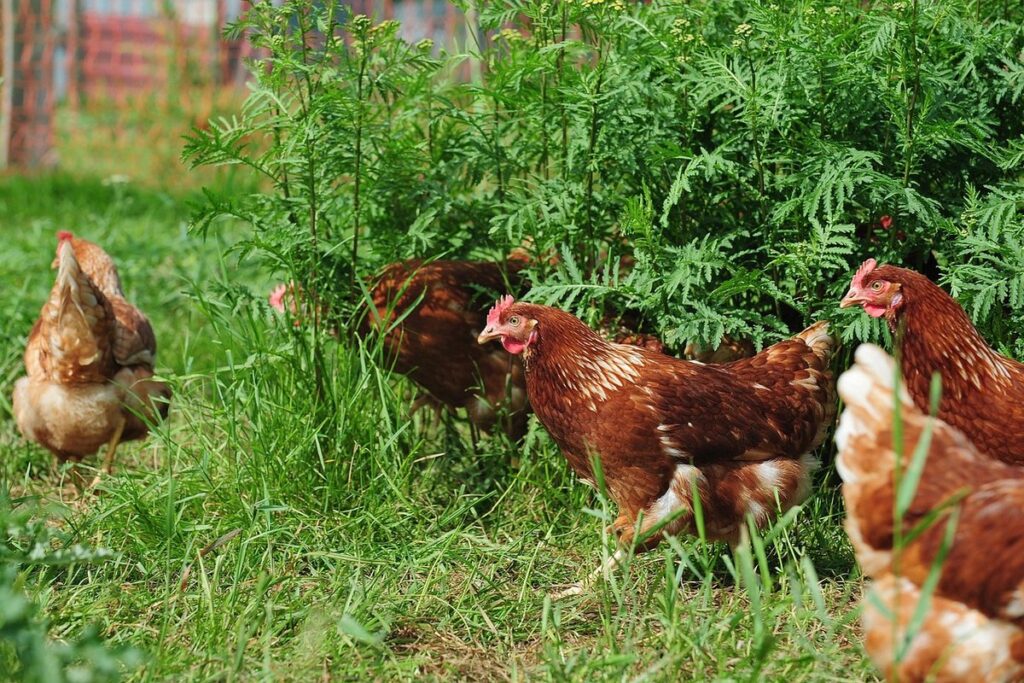
What is a Mobile Chicken Run?
So you’re curious about mobile chicken runs, but what exactly are they? In this next part, we’ll break down the basics and explain what makes them so great for your backyard flock.
History of Portable Chicken Coops
Mobile chicken runs have been around for centuries, with early designs emerging as far back as ancient civilizations. In medieval Europe, for example, chicken coops were often simple wooden enclosures that could be easily moved from one location to another. These early mobile coops were used by farmers and small landholders who needed to protect their chickens from predators while also allowing them to roam freely.
As agriculture evolved during the Industrial Revolution, so did the design of mobile chicken runs. Innovations such as wire mesh, metal framing, and corrugated roofing became commonplace, making it easier to construct coops that were both durable and portable. The 1950s saw the introduction of prefabricated chicken coops, which further streamlined the process of setting up a mobile run.
Today’s modern portable chicken coops owe a debt to these early innovations. With materials like recycled plastic and eco-friendly wood, along with clever designs that maximize space, it’s easier than ever to create a safe and healthy environment for your backyard flock. Whether you’re raising chickens for eggs or entertainment, a well-designed mobile coop is essential for providing your birds with the freedom to roam while protecting them from harm.
Benefits of Mobile Chicken Runs
Using a mobile chicken run can be a game-changer for backyard chicken owners. Not only do they provide a safe and secure enclosure for your flock, but they also offer numerous benefits that make caring for your chickens easier and more enjoyable.
One of the biggest advantages of mobile chicken runs is their ease of use. Unlike traditional fixed coops, mobile chicken runs can be easily moved to different areas of your yard or even taken on vacation with you. This flexibility allows you to rotate your run’s location seasonally, ensuring that your chickens always have fresh grass and sunlight.
Mobile chicken runs are also highly adaptable, allowing you to customize their size and layout to suit your specific needs. Whether you have a small backyard or a large farm, there’s a mobile chicken run that will fit perfectly into your space. Additionally, many models come with built-in features such as wheels, handles, and removable roofs, making it easy to set up and move around.
Overall, the benefits of using a mobile chicken run far outweigh any potential drawbacks. With their ease of use, flexibility, and adaptability, you’ll wonder how you ever managed without one!
Choosing the Right Location for Your Mobile Chicken Run
When setting up a mobile chicken run, selecting the right location is crucial to ensure your birds stay healthy and happy. We’ll cover key factors to consider when choosing the perfect spot for your mobile coop.
Considerations for Backyard Placement
When selecting a location for your mobile chicken run, there are several factors to consider beyond just finding a spot with some grass and sunlight. You’ll want to think about the wind direction, too – chickens can get chilled to the bone if they’re exposed to strong gusts of wind. A good rule of thumb is to face your run north-south to minimize wind exposure.
Another consideration is proximity to predators. If you have foxes or raccoons in your area, for instance, you’ll want to keep your chicken run far away from any potential escape routes. Consider the terrain and landscape around your property – a natural barrier like a pond or a thick stand of trees can provide an added layer of protection.
It’s also essential to choose a spot that gets at least six hours of direct sunlight per day for the chickens’ health and happiness. A shaded area may be tempting, but it’s not ideal for your flock – they need UV light from the sun to produce vitamin D, which is crucial for calcium absorption and bone growth.
Make sure the location you choose is level and well-drained to prevent water accumulation and potential health issues.
Tips for Urban and Small-Space Applications
If you’re planning to set up a mobile chicken run in an urban area or compact space, there are several considerations to keep in mind. First and foremost, noise levels can be a concern for neighbors. To minimize disturbance, choose breeds known for being quiet, such as Polish or Silkies. Ensure the coop is well-insulated and the chickens have adequate ventilation to reduce noise.
Zoning regulations also come into play when setting up a mobile chicken run in an urban area. Research local laws regarding backyard chickens and check with your landlord or homeowners association (if applicable) before bringing your flock home. Some cities even offer permits for backyard chickens, which can be obtained through the local department of public works.
Another challenge is finding suitable space within compact areas. Look into vertical integration solutions, like using stacked coops or wall-mounted nesting boxes. Consider a mobile chicken run on wheels to make it easy to relocate if needed.
Designing Your Mobile Chicken Run: Essentials and Features
When it comes to designing a mobile chicken run, there are several key essentials and features to consider to ensure your flock stays happy and healthy on-the-go. Let’s explore what you need to know!
Size and Layout Considerations
When it comes to designing a mobile chicken run, the size and layout are crucial considerations. You want to provide your feathered friends with ample space to roam, exercise, and engage in natural behaviors while also ensuring efficiency for you as the owner.
The American Society for the Prevention of Cruelty to Animals (ASPCA) recommends a minimum of 2-4 square feet per bird inside the coop, and at least 8-10 square feet of outdoor run space per bird. However, these are general guidelines, and the ideal size will depend on various factors such as the breed, age, and climate.
To optimize efficiency in your mobile chicken run design, consider the following:
* Position windows and doors strategically to maximize natural light and ventilation.
* Incorporate a sloping roof or overhangs to prevent snow and debris from accumulating.
* Use nesting boxes that are easy to clean and maintain.
* Ensure adequate drainage and water management systems.
* Incorporate perches, ladders, and scratching posts to keep birds active and engaged.
Remember, a well-designed mobile chicken run will not only make life easier for you but also happier and healthier for your flock.
Predator Protection and Fencing Options
When designing your mobile chicken run, securing it against predators is crucial to ensure the safety and well-being of your flock. Raccoons, foxes, and hawks are common culprits that can easily infiltrate a poorly designed coop or fence.
To safeguard your birds, consider using durable materials for fencing, such as 1-inch mesh hardware cloth, which is resistant to bites and scratches. You can also opt for hog wire or chicken wire with openings of no more than 1 inch in diameter to prevent predators from getting their heads through.
When it comes to design, a double-coop system is an excellent option, where the inner coop provides protection from aerial attacks by hawks and owls while the outer coop serves as a barrier against ground-based predators like raccoons and foxes. Additionally, burying the fence 12-18 inches underground will prevent burrowing animals like rabbits or opossums from accessing your flock.
It’s also essential to consider the surrounding environment and potential entry points, such as holes under gates or gaps in walls. Regular inspections and maintenance of your mobile chicken run’s fencing will help identify any vulnerabilities and prevent predator attacks.
Building Your Mobile Chicken Run: Materials and Construction
To build a mobile chicken run, you’ll need the right materials and some basic construction skills, which we’ll cover in detail below. Let’s get started on creating your backyard chickens’ new home!
Affordable and Durable Materials
When it comes to building a mobile chicken run on a budget, using affordable and durable materials is essential. One cost-effective option is recycled plastic lumber, which can withstand harsh weather conditions and last for years without rotting or decaying. For example, companies like Recycled Plastic Lumber offer a range of products made from 100% post-consumer plastic waste.
Another durable material to consider is metal, particularly galvanized steel or aluminum. These metals are resistant to rust and corrosion, making them perfect for building a mobile chicken run that can withstand the elements. You can choose from pre-made frames or create your own design using metal pipes and fittings.
Reclaimed wood is also an eco-friendly option that can add a rustic touch to your mobile chicken run. Look for old pallets or fencing materials that have been salvaged from construction sites or demolition projects. Just make sure to clean and treat the wood thoroughly before using it to prevent any health risks associated with reclaimed materials.
Assembly and Installation Tips
When assembling and installing your mobile chicken run, it’s essential to prioritize stability and secure anchoring. Start by carefully unpacking all the components and organizing them according to the manufacturer’s instructions. This will help you avoid confusion and ensure that everything is accounted for.
To begin assembly, start with the base frame, ensuring that all legs are securely attached and levelled on a flat surface. Next, attach the wire mesh or chicken run panels, making sure they are tightly secured to the frame using wire ties or clips. This will help prevent predators from entering and your chickens from escaping.
When installing the mobile chicken run, choose a spot with good drainage to avoid water accumulation and potential damage to the structure. Use sturdy stakes or anchors to secure the unit to the ground, ensuring that it can withstand wind and other external factors. Always follow the manufacturer’s instructions for specific anchoring requirements. With proper assembly and installation, your mobile chicken run will provide a safe and secure habitat for your flock.
Caring for Your Mobile Chicken Run: Maintenance and Hygiene
To keep your mobile chicken run safe and healthy, it’s essential to establish a regular maintenance routine that includes cleaning and disinfecting key areas. Let’s take a closer look at how to do this effectively.
Regular Cleaning Schedule
Developing an effective cleaning schedule is crucial to maintaining a healthy environment for your mobile chicken run. A clean coop is essential for preventing disease and parasites that can harm your chickens. To create a cleaning plan, start by dividing tasks into daily, weekly, bi-weekly, and monthly chores.
Daily tasks include removing soiled bedding, disposing of uneaten food, and replenishing water supplies. This will help prevent the buildup of ammonia from droppings and keep your chickens’ living space clean. Set aside 10-15 minutes each day to perform these tasks.
Weekly cleaning involves changing the bedding material completely, disinfecting surfaces with a safe cleaning solution, and removing any debris or waste. This can be done on the same day you move the coop to a new location.
Bi-weekly tasks include deep cleaning of feeders, waterers, and nesting boxes. Remove any stubborn stains or odors and reassemble the equipment after cleaning.
Tips for Managing Odors and Pests
As you care for your mobile chicken run, managing odors and pests is crucial to maintain a healthy environment for your birds. Unpleasant odors can arise from manure accumulation, dampness, and feed spills. To minimize these issues, ensure the mobile coop has adequate ventilation. Install windows or vents that allow fresh air to circulate and help reduce moisture buildup.
Regularly clean the coop by removing soiled bedding, disinfecting surfaces with a pet-safe solution, and replacing it with fresh material. This will control odor-causing bacteria growth and prevent pest infestations. Additionally, store feed and supplements in rodent-proof containers to avoid attracting pests like mice and rats.
Pest management is also essential to prevent disease transmission. Check the coop regularly for signs of parasites, such as mites or lice, on your birds’ feathers or skin. Keep an eye out for signs of rodent activity, like droppings or gnaw marks, and address these issues promptly. Consider incorporating natural deterrents like diatomaceous earth or essential oils to repel pests.
By implementing these practices, you can create a cleaner, healthier environment within your mobile chicken run, keeping both your birds and the surrounding area safe and odor-free.
Mobile Chicken Run Accessories: Perches, Nesting Boxes, and More
When it comes to setting up your mobile chicken run, you’ll need some essential accessories to ensure a happy and healthy flock. We’ll cover the must-haves, like perches, nesting boxes, and more!
Essential Add-ons for a Happy Flock
When it comes to creating a happy and healthy flock, providing essential add-ons to your mobile chicken run is crucial. Let’s start with the basics: perches, nesting boxes, and roosts. These are must-haves for any backyard chicken keeper.
Perches allow hens to exercise their legs and stretch out their wings, promoting good posture and reducing stress. A minimum of two perches per three hens is recommended, but consider adding more if you have a large flock or want to provide extra comfort. We recommend using wooden perches with a diameter of at least 3-4 inches for easy foot gripping.
Nesting boxes are another essential feature that promotes egg-laying health and prevents bullying among your girls. Ensure each hen has her own nesting box, ideally with a sloping roof to prevent moisture buildup. The entrance should be around 12-18 inches wide and the inside height should be at least 18 inches deep.
A foraging area is also vital for your flock’s mental and physical well-being. Add a separate enclosure or use a portion of the mobile chicken run for foraging, where you can scatter treats like oats, sunflower seeds, or fruits and veggies. This will keep them engaged, stimulated, and healthy.
Roosts are another important feature to add to your mobile chicken run. A sturdy roost provides hens with a comfortable place to sleep at night, keeping their feathers clean and dry. Add some rope or twine to make it easier for them to climb up.
Finally, treats can be a great motivator for your flock! We recommend adding a treat feeder or two to your mobile chicken run, which will keep them occupied and healthy. You can fill these with healthy treats like mealworms, dried fruits, or even homemade treats made from oats, carrots, and apple puree.
When incorporating all these essential add-ons into your mobile chicken run, remember to prioritize easy cleaning and maintenance. Use durable materials, make sure everything is secure and easy to use for both humans and hens alike.
Creative Uses for Repurposed Materials
When it comes to creating a mobile chicken run, every little bit counts. Not only can repurposing materials from around the home or local salvage yards be budget-friendly, but it also helps reduce waste and get creative with problem-solving.
Think about it – old pallets are perfect for creating perches or roosting bars. Just disassemble them, sand down any rough edges, and voila! Your girls will love climbing up to their new favorite spot. You can also repurpose an old ladder as a feeding station or even use an old shipping crate as a nesting box.
Local salvage yards are another great resource for materials like reclaimed wood, metal pipes, or wire mesh. Get innovative and turn them into unique features like hanging feeders or egg collection stations. The key is to think outside the box (or in this case, the chicken coop). With a little imagination and elbow grease, you can breathe new life into discarded items and create a functional and safe space for your flock.
Some other repurposed materials that could work well include:
• Old metal tubs as waterers or feeders
• Plastic containers as nesting boxes or brooders
• Cardboard rolls or tubes as enrichment toys
Frequently Asked Questions
Can I customize the size of my mobile chicken run to fit my backyard space?
Yes, one of the best things about mobile chicken runs is their versatility. You can easily adjust the size of your coop and enclosure to suit your available yard space, ensuring that you have enough room for your chickens to roam while keeping them contained.
What if I live in an area with extreme weather conditions? How will it affect my mobile chicken run?
Mobile chicken runs are designed to be durable and adaptable. If you live in an area prone to harsh weather, such as strong winds or heavy rainfall, make sure to choose a high-quality coop and fencing that can withstand the elements.
How often should I clean and maintain my mobile chicken run to keep it hygienic?
Regular cleaning is essential for maintaining a healthy flock. Set aside time each week to remove soiled bedding, disinfect surfaces, and inspect your coop’s structure for any damage or wear.
Can I use recycled materials to build my mobile chicken run, and are they safe for the chickens?
Repurposed materials can be an eco-friendly option for building your mobile chicken run. However, ensure that you’re using non-toxic and durable materials that won’t harm your flock. Consider using reclaimed wood or metal for a sustainable and secure coop.
What if I have multiple types of predators in my area? How can I protect my mobile chicken run effectively?
If you live in an area with various predators, such as foxes, raccoons, or hawks, take extra precautions to secure your coop. Use sturdy fencing materials, cover the top of the enclosure with netting or hardware cloth, and consider installing a locked door or gate to prevent unwanted visitors.