
If you’re considering bringing home a pair of lovable muscovy ducks, congratulations! You’re about to embark on an exciting adventure with these unique birds. But before you do, it’s essential to learn the ropes of caring for them properly. Muscovy duck care requires attention to detail and knowledge of their specific needs, from housing and nutrition to health considerations and behavior.
In this comprehensive guide, we’ll walk you through everything you need to know to provide the best life for your feathered friends. You’ll discover expert advice on creating a suitable habitat, feeding them a balanced diet, recognizing potential health issues, and understanding their social behavior. By the end of this article, you’ll be equipped with the knowledge necessary to give your muscovy ducks a happy, healthy life.
Introduction to Muscovy Ducks
Welcome to the world of Muscovy ducks, a unique and fascinating species that can make wonderful pets for experienced bird owners. In this introduction, we’ll cover their basics and history.
Brief History and Origin of Muscovy Ducks
Muscovy ducks have a rich and fascinating history that spans centuries. Native to South America, specifically the tropical regions of Argentina, Brazil, Uruguay, and Paraguay, these birds were first domesticated by the indigenous people of the continent over 1,000 years ago. The Muscovy duck‘s natural habitat is in wetlands, including marshes, swamps, and grasslands, where they thrive on a diet rich in aquatic plants and insects.
As European explorers arrived in South America, they discovered the Muscovy duck and were impressed by its unique characteristics, such as its bright red and blue plumage. The birds were introduced to other parts of the world, including Europe and Asia, where they quickly gained popularity among hunters and farmers for their meat, eggs, and feathers. In modern times, muscovies have become popular pets and are prized for their friendly demeanor and adaptability.
Today, Muscovy ducks can be found on farms, in backyards, and even in urban areas around the world, showcasing their incredible ability to thrive in a variety of environments.
What Makes Muscovy Ducks Unique?
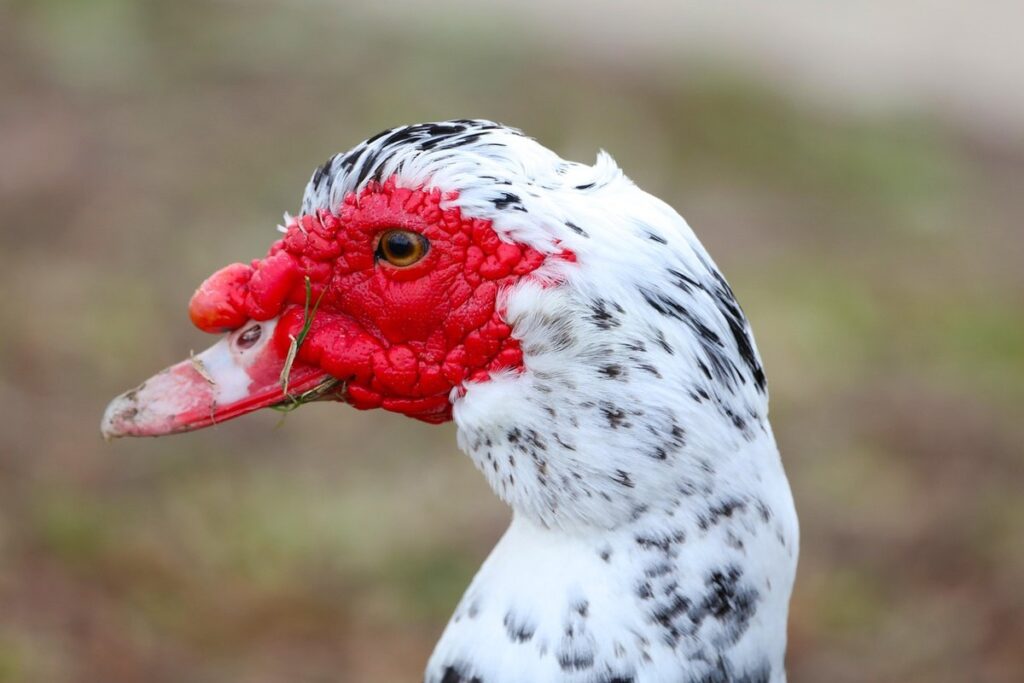
One of the most defining characteristics of Muscovy ducks is their unique appearance. They are the only duck breed that has a red or pink caruncle (a fleshy growth on the face) and no feathers around the beak, giving them a rather striking look. Their plumage also sets them apart, with males having a glossy green head and neck, while females have a more subdued brownish hue.
But it’s not just their looks that make Muscovy ducks stand out – their behavior is also quite distinct. They are known for being highly social animals, often living in large groups in the wild, but they can also thrive in smaller spaces with proper care and attention. One of the most interesting things about Muscovy ducks is their unique way of communicating with each other through a series of honks, whistles, and grunts.
In terms of characteristics, Muscovy ducks are relatively low-maintenance compared to other duck breeds. They require minimal space and can adapt well to various climates, making them an excellent choice for backyard farmers or those new to raising ducks. However, it’s essential to note that they do have specific dietary needs, requiring a balanced diet rich in protein and fiber. With proper care and attention, Muscovy ducks can make wonderful additions to any farm or household.
Choosing the Right Muscovy Duck for Your Flock
When selecting a Muscovy duck for your flock, consider factors such as temperament, size, and plumage to ensure compatibility with existing birds. This section will help you make an informed decision.
Factors to Consider When Selecting a Muscovy Duck
When selecting a muscovy duck for your flock, there are several key factors to consider. First and foremost, temperament is crucial. Muscovy ducks can be known to be feisty and territorial, so it’s essential to choose an individual that is calm and even-tempered.
Size is also important, as muscovy ducks come in a range of sizes from petite bantams to large breeders. Consider the space you have available for your flock and select a size that will thrive in that environment. For example, if you’re keeping muscovy ducks on a small farm or homestead, a smaller variety may be more suitable.
Plumage is another consideration, as muscovy ducks come in a variety of colors and feather patterns. Some breeds have glossy feathers, while others are more matte. Think about the aesthetic you want to achieve with your flock and choose accordingly.
Health considerations should also be top of mind when selecting a muscovy duck. Look for individuals that appear healthy and active, with bright eyes and shiny feathers. Check for any signs of disease or injury before bringing them home. A reputable breeder will be able to provide you with information about the bird’s health history and genetic lineage.
Breeding Programs and Where to Find Muscovy Ducks
When searching for muscovy ducks to add to your flock, it’s essential to find reputable breeders or suppliers that support responsible breeding programs. Reputable breeders prioritize the health and well-being of their birds, ensuring they are free from diseases and have a strong genetic foundation.
Look for breeders who provide detailed information about the ducks’ ancestry, including pedigree and bloodlines. This transparency is crucial in identifying potential issues and making informed decisions. You can find reputable breeders through online directories, such as the American Bantam Association or local poultry clubs. Attend local poultry shows to network with experienced breeders and learn about their breeding programs.
Supporting responsible breeding programs not only ensures you receive healthy birds but also contributes to the preservation of muscovy duck genetic diversity. Be wary of low-cost options from unknown sources, as this can lead to poor-quality birds and potential health issues for your flock. Prioritize the well-being of your muscovy ducks by investing in reputable breeders who prioritize their birds’ health and welfare.
Housing and Enclosures for Your Muscovy Duck
When it comes to keeping your muscovy ducks safe and happy, providing a suitable housing and enclosure is crucial. You’ll want to create a space that meets their unique needs for movement and protection.
Essential Components of a Muscovy Duck-Friendly Enclosure
When creating an enclosure for your muscovy duck, it’s essential to consider several key components that will ensure their physical and mental well-being. First and foremost, the enclosure must provide ample space for your ducks to move around comfortably. A minimum of 2 square feet per bird is recommended, but more space is always better.
The fencing material used should be durable and secure enough to prevent escape attempts. Hardware cloth or chicken wire with openings of no larger than 1 inch are good options. The enclosure must also protect your muscovy duck from predators such as coyotes, foxes, and stray dogs. A sturdy fence that is at least 3 feet high will help prevent any potential threats.
A shelter or coop within the enclosure is also crucial for providing protection from harsh weather conditions. The shelter should be well-ventilated, dry, and draft-free. Consider adding a roof overhang to protect against rain and sun exposure. Make sure the shelter has adequate bedding such as straw or hay to keep your muscovy duck clean and dry.
The enclosure’s design should also consider easy access for cleaning and maintenance. A gate that swings outward is recommended to prevent your ducks from getting trapped inside. Finally, ensure that the enclosure is placed in a safe location away from potential hazards such as traffic, power lines, and neighboring pets.
Tips for Building or Modifying an Existing Coop
When building or modifying a coop for your muscovy duck, it’s essential to consider their unique needs. Muscovy ducks are sensitive to heat and require adequate ventilation to prevent stress and illness. Ensure the coop has windows or vents that allow for cross-ventilation, especially in warmer climates. You can also install a misting system to maintain a comfortable temperature.
Lighting is another critical aspect to consider. Muscovy ducks need access to natural light, so position the coop to receive direct sunlight during the day. Supplemental lighting may be necessary during winter months or in areas with limited daylight. Use LED lights, which are energy-efficient and produce minimal heat.
Sanitation is also crucial for muscovy duck health. The coop should have a sloping floor that allows for easy cleaning and drainage. A dust bath area can help keep their feathers clean, but ensure it’s located away from the nesting box to prevent contamination. Add a 1-2 inch layer of wood shavings or sand to absorb waste and odor.
When modifying an existing coop, prioritize muscovy duck-specific needs while maintaining a safe and comfortable environment for both humans and birds.
Nutrition and Feeding Your Muscovy Duck
When it comes to caring for your muscovy duck, providing the right nutrition is crucial for their overall health and well-being. In this section, we’ll cover everything you need to know about feeding your muscovy duck a balanced diet.
Dietary Requirements for Muscovy Ducks
When it comes to providing a balanced diet for your muscovy duck, understanding their nutritional requirements is crucial. Muscovy ducks are omnivores and require a varied diet that includes both plant-based and protein-rich foods.
A good starting point is to provide a starter feed or grower feed specifically formulated for waterfowl. These feeds typically contain around 16-20% protein and are designed to meet the nutritional needs of muscovy ducks during different stages of growth. However, as your duck matures, you may need to supplement their diet with additional sources of calcium, phosphorus, and other essential nutrients.
It’s also essential to provide fresh vegetables and fruits daily, such as leafy greens like kale or spinach, carrots, and apples. Muscovy ducks love to forage for food, so consider letting them graze in a secure area where they can roam freely. You can also offer them treats like mealworms or sunflower seeds to add variety to their diet.
Remember to avoid feeding your muscovy duck too much protein, as this can lead to health problems. A general rule of thumb is to provide around 1-2% of their body weight in food per day.
Tips for Creating a Customized Feeding Plan
When it comes to feeding your Muscovy duck, providing a customized meal plan is crucial for ensuring their optimal health and well-being. A one-size-fits-all approach won’t cut it, as each duck’s needs vary depending on factors such as age, sex, and activity level.
For example, young Muscovy ducks require more protein-rich foods to support rapid growth and development, whereas adults need a balanced diet with fewer calories. Males tend to be larger than females, so they’ll require more food overall. Moreover, an active duck will burn more energy than one that’s less mobile.
To create a customized feeding plan for your Muscovy duck:
* Determine their age: Start with a diet rich in protein (20-25% of daily calories) if you’re raising a young duck.
* Assess their sex and size: Provide more food to larger males, while females will require less.
* Consider their activity level: If your duck is highly active, increase the frequency of meals or add high-energy foods like corn or oats.
* Monitor their weight and adjust accordingly: Check your duck regularly to ensure they’re maintaining a healthy weight.
This tailored approach ensures that your Muscovy duck receives exactly what it needs at each stage of its life.
Health Considerations for Muscovy Ducks
When caring for muscovy ducks, it’s essential to be aware of their specific health needs and common issues that can arise, such as respiratory problems. Understanding these concerns will help you keep your flock healthy and thriving.
Common Health Issues Affecting Muscovy Ducks
Muscovy ducks can be prone to various health issues if not properly cared for. Respiratory problems are one of the most common health concerns affecting muscovy ducks. Bacterial and viral infections such as avian cholera, respiratory syndrome, and influenza can lead to symptoms like labored breathing, wheezing, and coughing. Factors contributing to respiratory issues include poor ventilation, overcrowding, and stress.
Parasites are another significant health concern for muscovy ducks. External parasites like mites, ticks, and lice can cause discomfort, anemia, and secondary infections. Internal parasites such as worms can lead to weight loss, diarrhea, and lethargy. Regular monitoring of your duck’s behavior and plumage is crucial in detecting signs of parasitic infestations.
Nutritional deficiencies are also common among muscovy ducks, particularly if they’re fed a low-quality diet or lack essential nutrients. A balanced diet rich in protein, vitamins, and minerals is vital for maintaining optimal health. Ensure that your duck has access to clean water at all times and provide a varied diet with foods such as fruits, vegetables, and commercial pellets.
Preventative Measures and First Aid Techniques
Regular health checks and vaccinations are crucial to prevent diseases such as avian influenza and infectious bronchitis. Ensure your muscovy duck has access to clean water, nutritious feed, and a well-ventilated enclosure. Keep their living area dry and free from debris, as wet conditions can lead to respiratory issues.
Monitor your muscovy duck’s behavior for signs of illness, such as lethargy, loss of appetite, or changes in droppings. Consult a veterinarian if you notice any unusual symptoms. Basic first aid techniques include isolating the affected bird, providing plenty of fresh water and food, and maintaining their environment at a comfortable temperature.
In case of injuries, clean and disinfect the wound with an antiseptic solution, and apply a bandage or dressing to protect it from further irritation. For eye or nasal discharge, gently wipe the area with a clean cloth dampened with warm water. If your muscovy duck experiences respiratory distress, provide a humidifier or mist their enclosure lightly to alleviate congestion. Consult a veterinarian for professional guidance on treating any health issues that may arise.
Behavior and Socialization of Muscovy Ducks
When it comes to muscovy duck care, understanding their behavior and socialization needs is crucial for a harmonious home environment, including interactions with other pets. This section will explore their natural tendencies and how to promote happy coexistence.
Understanding Muscovy Duck Behavior
Muscovy ducks are social animals that thrive on interaction and companionship. In their natural habitats, they live in large groups, often numbering in the hundreds. This social structure is essential to understand when keeping muscovy ducks as pets.
In a flock, muscovy ducks establish a strict pecking order, with dominant birds leading subordinate ones. This hierarchy is maintained through vocalizations and body language cues. You may notice your muscovy duck making loud, high-pitched calls or hissing to assert dominance or express alarm.
When it comes to mating rituals, male muscovy ducks engage in elaborate courtship displays, including strutting and posturing to attract females. If you’re keeping a pair of muscovy ducks, be prepared for their intense courting behavior, which can last several weeks. To encourage healthy socialization, provide your birds with ample space and suitable companions.
By understanding these social dynamics, you can better manage your muscovy duck’s behavior and create a harmonious living environment.
Tips for Socializing Your Muscovy Duck
Socializing your Muscovy duck to other animals, people, and environments is crucial for promoting a well-adjusted and confident bird. Start by introducing your duckling to its surroundings at a young age, allowing it to become comfortable with new sights, sounds, and experiences.
When socializing your Muscovy duck, consider the following tips:
* Be patient and gentle when interacting with your duck; sudden movements or loud noises can be startling.
* Introduce your duck to other animals gradually, starting with calm and friendly species such as chickens or geese.
* Supervise interactions between your duck and other pets to prevent conflicts or stress.
* Expose your Muscovy duck to various environments, including different types of terrain, water conditions, and weather, to help it become adaptable.
Provide a variety of toys and enrichment activities to keep your duck stimulated and engaged. This will not only promote socialization but also reduce the risk of boredom-related behaviors. By following these tips, you’ll be well on your way to raising a confident and well-adjusted Muscovy duck that thrives in various situations.
Frequently Asked Questions
Can I Keep Muscovy Ducks Indoors With Other Pets?
Yes, with proper introduction and supervision, muscovy ducks can coexist peacefully with other pets indoors. However, it’s essential to ensure your home is secure, and the ducks have enough space to move around safely. A designated area for the ducks is recommended, separating them from other animals during their initial adaptation period.
How Often Should I Clean and Disinfect My Muscovy Duck’s Enclosure?
Regular cleaning of your muscovy duck enclosure is crucial to prevent the spread of diseases. Aim to clean the enclosure at least once a week, removing any soiled bedding, disinfecting all surfaces, and replacing the bedding material. This will help maintain a healthy environment for your feathered friends.
What Should I Do If My Muscovy Duck Gets Injured or Sick?
First aid is critical in case of an injury or illness. Keep a muscovy duck first-aid kit on hand, including supplies like gauze, antiseptic wipes, and tweezers. For minor injuries, apply gentle pressure to stop bleeding. However, if your duck shows signs of severe distress or illness, consult with a veterinarian specializing in poultry health as soon as possible.
Can I Keep Muscovy Ducks in Small Backyards?
Muscovy ducks require space to move around and exercise, so small backyards may not be suitable for them. Ensure you have at least 10 square feet per duck of outdoor space for them to roam freely. Also, consider the noise level generated by muscovy ducks, as they can be loud.
How Can I Prevent My Muscovy Duck From Escaping?
To prevent your muscovy duck from escaping, ensure their enclosure is secure and escape-proof. Check any gaps or openings in the fencing or walls and cover them with hardware cloth or chicken wire to prevent digging or climbing. Also, keep a close eye on your ducks during their initial exploration of the enclosure to avoid any potential escapes.