
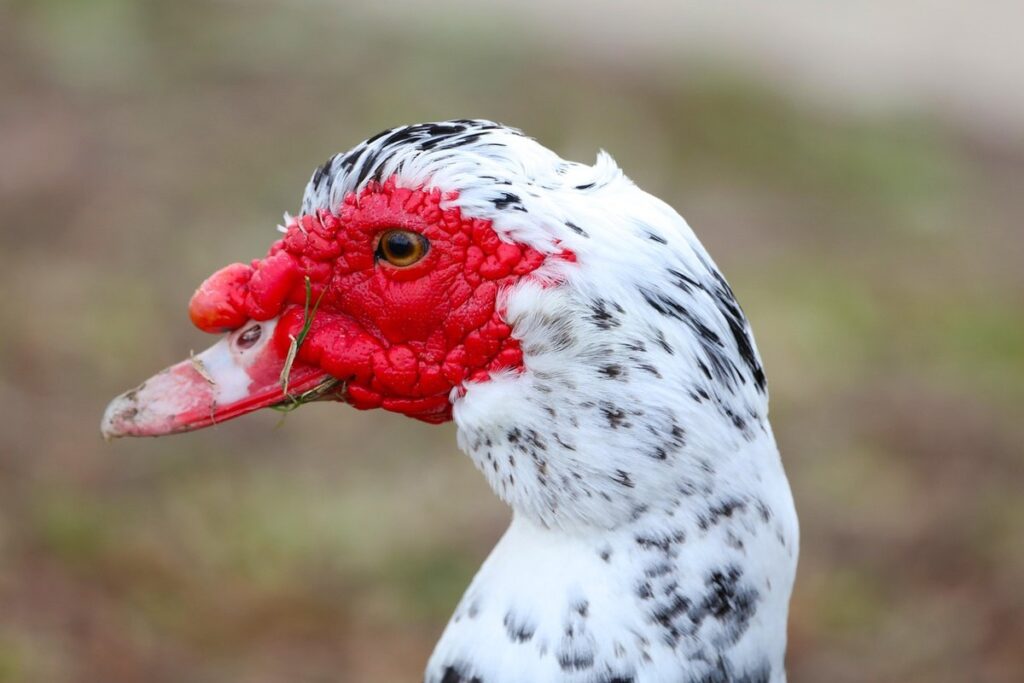
Muscovy ducks are known for their vibrant plumage, but have you ever stopped to think about the incredible variety of colors found in these birds? From the striking white and red markings on their heads to the iridescent blues and greens that shimmer in the sunlight, muscovy duck color is truly a sight to behold. But beyond their beauty lies a fascinating world of genetics, symbolism, and conservation efforts. Unfortunately, many muscovy ducks suffer from genetic disorders that affect their coloring, making it essential for breeders and owners to understand the importance of proper care and husbandry. In this article, we’ll delve into the world of muscovy duck colors, exploring the unique patterns, cultural significance, and health implications of these remarkable birds.
The Fascinating World of Muscovy Ducks
Let’s dive into the unique characteristics that make muscovy duck color so fascinating, and explore the various patterns found in their plumage. From iridescent sheens to vibrant hues, you’ll discover what sets them apart.
Physical Characteristics and Identification
Muscovy ducks are easily recognizable due to their unique physical characteristics. One of the most notable features is their body shape, which is more like a turkey’s than a traditional duck’s. Muscovy ducks have a broad, flat beak and a bare facial area, giving them an almost prehistoric appearance.
In terms of size, muscovy ducks are generally smaller than other duck species, with males reaching about 30-35 inches in length and weighing between 8-12 pounds. Females are slightly smaller, measuring around 25-30 inches in length and weighing around 6-10 pounds.
When identifying a muscovy duck in the wild, look for its distinctive plumage pattern. Muscovy ducks have a mix of brown, gray, and white feathers, with males having a bright red or purple tint on their necks and heads during breeding season. Females lack this coloration, but still display a unique combination of colors.
To differentiate muscovy ducks from other duck species, take note of their bare facial area and flat beak. These features are not typically seen in other duck breeds. With practice and experience, it’s possible to identify a muscovy duck with confidence based on its physical characteristics alone.
Habitat and Distribution
Muscovy ducks are found in various parts of the world, with their native habitats spanning across tropical and subtropical regions. These adaptable birds have successfully colonized urban areas as well, often thriving in environments that would be inhospitable to other waterfowl species.
In their natural habitat, muscovy ducks can be spotted near wetlands, rivers, lakes, and coastal areas. They are semi-aquatic, meaning they spend a significant amount of time on land but also venture into the water to forage for food. Their ability to adjust to different environments has allowed them to spread beyond their native range.
Climate change has led to changes in muscovy duck distribution patterns. Rising temperatures have altered water levels and affected food availability, causing some populations to migrate to new areas in search of suitable habitats. This trend highlights the importance of preserving wetlands and aquatic ecosystems that support these birds. By understanding where muscovy ducks live and how their habitats are changing, we can better appreciate their unique plumage patterns and work towards conserving them effectively.
Color Variations: Understanding the Different Shades
As you explore the diverse world of Muscovy duck colors, it’s essential to understand the various shades and patterns that make each bird unique, from white to dark brown. Let’s dive into these distinct color variations!
White Muscovy Ducks: Origin, Rarity, and Rearing
White muscovy ducks are an intriguing sight to behold, with their striking white plumage that sets them apart from other Muscovy duck breeds. But have you ever wondered where this rare color variant came from? Let’s dive into the history of white muscovy ducks and explore their unique characteristics.
Originating in South America, white muscovy ducks are a result of selective breeding programs aimed at producing ducks for meat and egg production. Due to their desirable traits such as high fertility rates, large body size, and fast growth rate, they have become a popular choice among commercial duck farmers. In the wild, however, white muscovy ducks are relatively rare, accounting for only about 10% of the total Muscovy duck population.
If you’re considering keeping white muscovy ducks as pets, there are pros and cons to consider. On the plus side, they are known to be friendly, docile, and relatively easy to care for. However, their large size requires a significant amount of space, and their loud quacking can be a nuisance in residential areas. With proper care and attention, white muscovy ducks can thrive as pets, providing hours of entertainment and enjoyment for duck enthusiasts.
When breeding or raising white muscovy ducks, it’s essential to provide them with adequate space, nutrition, and health checks to prevent diseases. A well-balanced diet rich in protein and calcium will help support their rapid growth rate, while regular veterinary check-ups can ensure they remain healthy throughout their lifespan. By understanding the unique needs of these magnificent birds, you’ll be well on your way to becoming a successful white muscovy duck breeder or owner.
Colored Muscovy Ducks: Genetics, Breeding, and Selection
Genetically speaking, muscovy ducks can exhibit a range of colors due to the interaction between dominant and recessive genes. The genetics behind color variation is complex, but essentially it boils down to two types of genes: those that will always express themselves (dominant) and those that only express themselves when paired with another copy of the same gene (recessive). Breeders select for desirable traits by identifying birds with specific genetic combinations that produce the desired colors.
For example, a muscovy duck’s blue coloration is the result of a dominant gene. If a bird has two copies of this gene (one from each parent), it will always express itself as blue. However, if a bird only inherits one copy of the gene, it may appear green or grey due to the interaction with other genes.
Breeding colored muscovy ducks can be challenging because many desirable traits are recessive, meaning they only express themselves when paired with another copy of the same gene. This means that breeders must carefully select birds and plan their breeding programs in advance to ensure the desired color is passed on to offspring.
Muscovy Duck Color Patterns: Explanation and Examples
Muscovy ducks display a wide range of unique color patterns, from solid whites to intricate mottled effects. Let’s take a closer look at some of the most distinctive patterns you might encounter.
The Unique Feathers of Muscovy Ducks
Muscovy ducks are renowned for their striking color patterns, but what makes these colors possible? It all starts with the unique anatomy of their feathers. Muscovy duck feathers have a structure that’s different from other birds. They have a dense undercoat made up of soft, fluffy filaments that trap warm air next to the skin, keeping them cozy in cold temperatures.
On top of this layer lies a longer, stiffer outer coat composed of coarser barbs. The unique growth patterns of these feathers contribute significantly to their color and texture. As new feathers grow, they push older ones out, creating a remarkable cycle of renewal.
The colors we see in muscovy ducks are the result of microscopic cells called melanosomes, which contain pigments that reflect light and create different hues. Research has shown that muscovy duck plumage contains an abundance of eumelanosomes, which produce the rich browns and blacks seen in their feathers.
Interestingly, the interaction between these pigment-containing cells and the structural components of the feathers contributes to the complex colors we observe in muscovy ducks.
Exploring the Most Common Color Variations
When it comes to muscovy duck color variations, you’ll notice that they can exhibit a range of hues and shades. The most common colors found in this breed are brown, white, and gray, with some ducks displaying intricate patterns and combinations thereof. For instance, the ‘Blue Swedish’ variety boasts a stunning blue-gray sheen on its back, which deepens to a rich brown on its belly.
The development of these colors is influenced by genetics, with specific gene combinations determining the intensity and distribution of pigment in the feathers. In addition to genetics, environmental factors like diet and exposure to sunlight can also impact the duck’s plumage coloration. If you’re looking to breed muscovy ducks for unique color variations, it’s essential to research the genetic makeup of your birds and provide them with a balanced diet that promotes healthy growth and feather development.
Some muscovy duck owners even report observing subtle changes in their birds’ colors over time, such as darkening or lightening of the plumage due to environmental factors. By paying attention to these subtle variations, you can gain a deeper understanding of how your ducks respond to their surroundings and make informed decisions about breeding and care.
Muscovy Duck Colors in Art and Culture
Muscovy duck colors have been a source of inspiration for artists throughout history, as we’ll explore the beautiful plumage patterns that have captured human imagination. Let’s dive into their fascinating appearances in art and culture.
Symbolism and Cultural Significance
Throughout history, muscovy duck colors have been imbued with rich symbolic meanings across various cultures. In many mythologies and folklores, the vibrant plumage of these ducks has been associated with themes of fertility, prosperity, and abundance. For instance, in ancient Greek mythology, the muscovy duck was said to be a symbol of Aphrodite, the goddess of love and beauty, who was often depicted surrounded by the birds.
In many cultures, the colors of the muscovy duck have been used to convey specific messages and ideas. In Japan, for example, white muscovy ducks are considered symbols of good luck and prosperity, while in China, they’re associated with wealth and status. Similarly, in some African cultures, the black muscovy duck is seen as a symbol of protection and strength.
The symbolism surrounding muscovy duck colors has also been reflected in art and literature throughout history. In many Renaissance paintings, muscovy ducks are depicted as symbols of opulence and luxury, while in 19th-century French art, they’re often used to represent the romantic ideals of love and beauty.
If you’re interested in incorporating muscovy duck symbolism into your own artwork or writing, consider the following tips:
* Research the specific cultural associations with muscovy duck colors in your chosen medium.
* Experiment with using vibrant, eye-catching colors to evoke emotions and convey meaning.
* Consider combining muscovy ducks with other symbolic objects or motifs to create complex and nuanced meanings.
By tapping into the rich symbolism surrounding muscovy duck colors, you can add depth, meaning, and visual interest to your artwork or writing. Whether you’re an artist, writer, or simply someone fascinated by these beautiful birds, exploring the cultural significance of their colors can be a rewarding and enriching experience.
Health Implications of Color Variations
You may wonder if the unique color variations in muscovy ducks have any impact on their overall health, and it’s essential to understand how these differences affect their well-being.
Genetic Disorders Associated with Muscovy Duck Colors
As we delve into the fascinating world of muscovy duck color variations, it’s essential to acknowledge that these unique plumage patterns can sometimes be associated with genetic disorders. Responsible breeding practices are crucial in preventing these conditions and ensuring the health and well-being of our feathered friends.
One of the most common genetic disorders linked to muscovy duck colors is leukism. This condition affects the production of melanin, leading to a reduction or absence of pigmentation in certain areas of the bird’s body. Leukistic birds often display pale or white patches on their skin and feathers, which can be mistaken for albinism.
Another genetic disorder associated with muscovy duck colors is erythrism. This condition causes an abnormal buildup of red pigment in the bird’s body, resulting in a range of colors from pink to deep red. While some breeds are naturally predisposed to erythrism, it can also occur as a result of genetic mutations.
Responsible breeding practices play a vital role in preventing these conditions. Breeders should prioritize genetic diversity and avoid excessive linebreeding, which can lead to the accumulation of recessive genes that contribute to genetic disorders. By selecting for healthy, genetically diverse birds, breeders can reduce the risk of these conditions and promote the overall health and well-being of their flocks.
When purchasing muscovy ducks or considering breeding them, it’s essential to research the breeder’s practices and prioritize working with reputable breeders who follow responsible breeding protocols. This will help ensure that you’re not contributing to the perpetuation of genetic disorders in this unique and captivating species.
Conservation Efforts and the Future of Muscovy Ducks
As we explore the fascinating world of muscovy duck color, let’s also consider the crucial conservation efforts underway to protect these remarkable birds for generations to come.
Threats to Muscovy Duck Populations
Muscovy ducks are facing numerous threats to their populations, which is a pressing concern for conservation efforts. Habitat loss and fragmentation are significant issues, as muscovy ducks require large areas of open water and vegetation to thrive. As natural habitats continue to shrink due to urbanization and agricultural development, muscovy duck populations are forced to adapt to smaller, fragmented habitats, making them more vulnerable to other threats.
Hunting is another major concern, with muscovy ducks being targeted for their meat, feathers, and eggs. In some countries, they are considered an invasive species, leading to misguided efforts to control their populations through hunting and culling. However, this approach can have unintended consequences, such as disrupting the ecosystem balance and driving muscovy ducks further into isolated areas.
Climate change also poses a significant threat to muscovy duck populations. Rising temperatures and changing precipitation patterns can alter the availability of food and breeding grounds, making it challenging for muscovy ducks to adapt. In addition, extreme weather events like hurricanes and droughts can have devastating impacts on their populations. By understanding these threats, we can better design conservation efforts that address the specific needs of muscovy duck populations.
Sustainable Practices for Muscovy Duck Farming
As we delve into the fascinating world of muscovy duck color, it’s essential to acknowledge that their unique plumage patterns aren’t just aesthetically pleasing – they’re also a vital aspect of sustainable farming practices. When raising muscovy ducks for meat and eggs, adopting environmentally friendly methods not only benefits the animals but also contributes to the long-term health of our planet.
One of the primary advantages of sustainable muscovy duck farming is its positive impact on water conservation. Muscovy ducks are known to be prolific drinkers, with some breeds consuming up to 3 liters of water per day. Implementing water-saving measures such as rainwater harvesting systems and drip irrigation can significantly reduce their water footprint. For instance, a study conducted by the University of California, Davis found that implementing efficient watering systems reduced water consumption in duck farms by an average of 40%.
In addition to water conservation, muscovy duck farming can also be optimized for waste reduction. Muscovy ducks are prolific producers of manure, which can be used as natural fertilizer or composted to create nutrient-rich soil amendments. By implementing a closed-loop system where manure is recycled and reused on the farm, farmers can significantly reduce their reliance on synthetic fertilizers and minimize environmental pollution.
Muscovy duck farming can also be adapted to incorporate rotational grazing practices, which promote soil health and biodiversity. Rotational grazing involves moving flocks between different pastures at regular intervals, allowing the land to recover and rejuvenate. This approach not only reduces soil erosion but also enhances the overall quality of life for the ducks.
To implement sustainable muscovy duck farming practices on your own farm, consider the following tips:
* Invest in efficient watering systems that reduce water waste and promote water conservation
* Implement a manure management plan to recycle and reuse natural fertilizer or compost
* Adopt rotational grazing practices to promote soil health and biodiversity
* Incorporate cover crops into your rotation to enhance soil fertility and reduce erosion
By embracing these sustainable practices, muscovy duck farmers can not only contribute to the preservation of this unique species but also create a more environmentally conscious and resilient farming operation. As we continue to explore the wonders of muscovy duck color, it’s essential to acknowledge the critical role that sustainable farming plays in protecting their habitats and promoting their well-being.
Frequently Asked Questions
Can muscovy ducks with genetic disorders still have vibrant plumage?
No, unfortunately not. Muscovy ducks with genetic disorders that affect their coloring may exhibit reduced vibrancy or unusual patterns, which can be a distressing sight for breeders and owners. However, proper care and husbandry can help mitigate the effects of these conditions.
How do I identify a healthy muscovy duck from one with a genetic disorder affecting its color?
To distinguish between a healthy and unhealthy muscovy duck, look for overall vitality, a well-maintained coat, and typical coloring patterns. Healthy ducks will also have bright eyes, clean beaks, and active behavior.
Are there any specific health implications associated with certain muscovy duck colors?
Yes, research suggests that some color variations may be linked to specific genetic disorders or increased susceptibility to diseases. For instance, blue or green sheens on the feathers can indicate a higher risk of certain conditions. Consult with experienced breeders or veterinarians for guidance.
Can I breed muscovy ducks with desired color patterns without exacerbating genetic disorders?
Yes, responsible breeding practices and a thorough understanding of genetics can help minimize the risk of genetic disorders. Breeders should focus on selecting healthy individuals with desirable traits and prioritize genetic diversity to avoid exacerbating existing conditions.
How do cultural and symbolic associations with muscovy duck colors impact conservation efforts?
Cultural significance plays a crucial role in shaping attitudes towards muscovy ducks and their populations. By acknowledging and respecting these connections, conservationists can develop targeted initiatives that address local concerns and promote the long-term survival of these remarkable birds.