
Muscovy ducks are a popular choice for backyard farmers, but their unique needs require specialized care. A well-designed coop is essential to keep your muscovy ducks healthy and safe from predators. Ventilation and airflow can make all the difference in preventing respiratory problems, while proper protection from predators ensures your flock stays secure.
If you’re considering adding muscovy duck coops to your farm or backyard, it’s crucial to get them right. A poorly designed coop can lead to serious health issues and even loss of your beloved birds. In this article, we’ll share expert tips on designing and building a muscovy duck coop that prioritizes their well-being, including easy cleaning, ventilation, predator protection, and more. By the end of this guide, you’ll be confident in creating a safe and healthy home for your muscovy ducks.
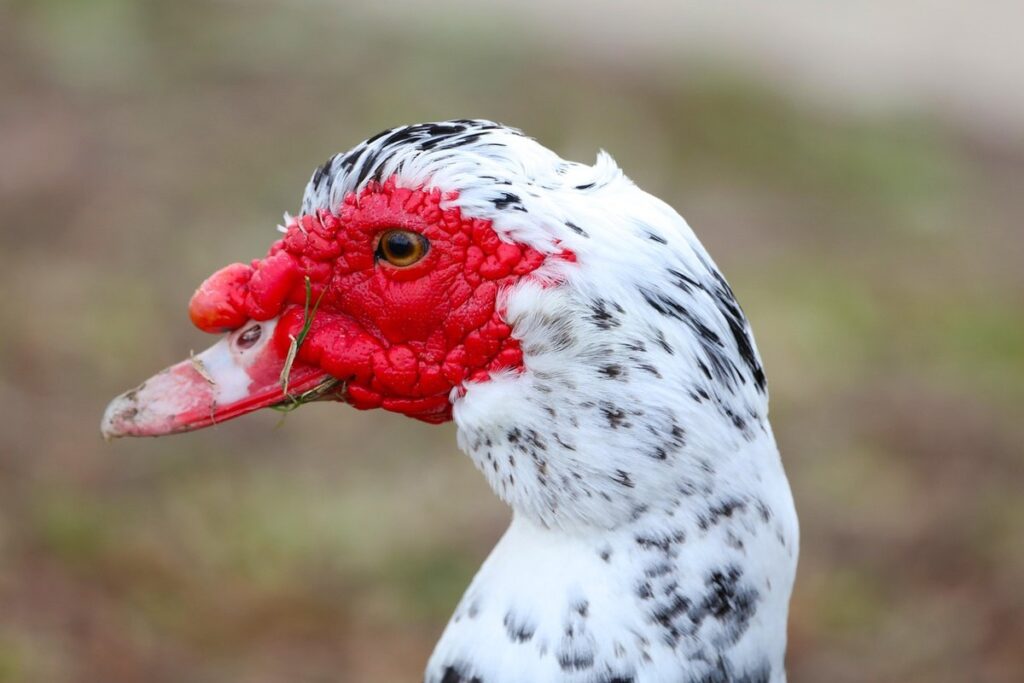
Choosing the Right Location for Your Muscovy Duck Coop
When building a muscovy duck coop, selecting the right location is crucial to ensure your feathered friends are happy and healthy. Consider factors like sunlight, wind protection, and accessibility in your site selection.
Assessing Sunlight and Wind Direction
When assessing a location for your muscovy duck coop, it’s essential to consider sunlight exposure and wind direction. Muscovy ducks require adequate ventilation to stay healthy, so you’ll want to choose a spot that receives plenty of natural light while also protecting them from harsh weather.
Start by observing the sun’s path in your yard during different times of day. Look for areas that receive direct sunlight for at least six hours a day, but avoid spots that are too exposed and may overheat. Consider the time of year as well – in colder climates, you’ll want to choose a spot that receives more sunlight during the winter months when days are shorter.
As for wind direction, think about how it will affect your coop’s ventilation system. A north-south orientation is ideal, as it allows cool air to enter the coop while keeping out harsh winds and precipitation. If possible, position your coop on a slight incline or use a rain gutter system to direct water away from the entrance.
Remember, a well-designed coop should balance sunlight exposure with wind protection. By carefully evaluating your yard’s conditions, you can create a healthy and safe environment for your muscovy ducks.
Considering Proximity to Water Source
When considering the location for your muscovy duck coop, one crucial factor to think about is proximity to a water source. Not only will this make it easier for your ducks to access clean drinking water, but it also simplifies cleaning and maintenance tasks.
Ideally, you’ll want to locate your coop within 10-20 feet of a reliable water supply. This distance allows your ducks to easily waddle over to the water’s edge without getting wet or dirty, while also making it simple for you to refill their water buckets and scrub out any lingering debris.
Having access to a nearby pond, lake, or even a large bucket of fresh water can greatly reduce the time spent on cleaning chores. It’s also essential for maintaining your ducks’ health, as clean drinking water is a vital aspect of their well-being.
When choosing a location for your coop, take note of any natural water sources in the area and position it accordingly. This thoughtful placement will not only make caring for your muscovy ducks easier but also enhance their quality of life.
Evaluating Space Requirements
When it comes to evaluating space requirements for your muscovy duck coop, there are several key factors to consider. First and foremost, you’ll want to think about the population of ducks that will be residing in the coop. A general rule of thumb is to provide at least 2-3 square feet of space per duck, although this can vary depending on the breed and size of your muscovy ducks.
For example, if you have a small flock of 5-6 muscovy ducks, you’ll want to ensure that your coop provides enough room for them to move around comfortably. Consider factors like nesting boxes, roosting bars, and feeding and watering areas when calculating the square footage needed.
Additionally, be sure to check with local regulations regarding coop size and spacing requirements. Some municipalities may have specific laws governing backyard poultry operations, so it’s essential to stay informed and compliant. By taking these factors into account, you can create a muscovy duck coop that meets your flock’s needs while also meeting regulatory requirements.
Muscovy Duck Coop Design Principles
When designing a muscovy duck coop, there are several key principles to keep in mind to create a safe and healthy environment for your feathered friends. A well-designed coop will prioritize their comfort and security above all else.
Understanding Ventilation and Air Circulation
When it comes to designing a muscovy duck coop, understanding ventilation and air circulation is crucial. Ammonia buildup can be a significant issue with muscovies, as they produce a lot of droppings that are high in ammonia content. Proper ventilation helps to minimize this problem by removing the ammonia-rich fumes from the coop.
To prioritize airflow, consider installing windows or vents on opposite sides of the coop. This will create a cross breeze effect, drawing out stale air and replacing it with fresh air. You can also add a roof vent or an overhang above the door to allow hot air to escape. The idea is to have at least one opening for every 4 square feet of coop space.
In addition to physical ventilation methods, consider using absorbent materials like sawdust or straw to soak up excess moisture and droppings. Regularly cleaning out these materials will help keep your muscovy’s living environment healthy and reduce the risk of ammonia buildup.
Considering Predator Protection and Security Measures
When designing your Muscovy duck coop, it’s essential to prioritize predator protection and security measures. One of the most critical features is hardware cloth – a metal mesh material that can be wrapped around the coop’s perimeter to prevent predators like foxes, coyotes, and stray dogs from getting inside. Make sure to choose a gauge (thickness) suitable for your region’s predator types.
In addition to hardware cloth, consider installing locking mechanisms on all entry points, including doors, windows, and vents. Use sturdy locks that are difficult to manipulate or break, such as pin tumbler locks or slide bolts. Don’t forget about escape-proofing – ensure the coop is designed with a secure roof and walls to prevent your Muscovy ducks from flying out.
Consider adding other security features like covered runs, electrified netting, or guard animals (like donkeys or geese) for extra protection. Remember that different regions have unique predator profiles, so research local threats and tailor your coop’s design accordingly.
Incorporating Easy Cleaning and Maintenance Features
When designing your muscovy duck coop, it’s essential to incorporate easy cleaning and maintenance features that will save you time and effort. A sloping roof is a great starting point, as it allows for water and debris to run off easily, reducing the risk of puddles and mold buildup.
Consider adding removable nesting boxes with easy-to-clean surfaces. This will make it simple to clean out the duck’s droppings and replace bedding without having to disassemble the entire coop. Smooth surfaces are also crucial, as they can be easily wiped down with a hose or broom, reducing the need for chemicals and cleaning products.
Think about installing perches and feeders that are easy to clean and maintain as well. For example, you could use plastic or metal perches that can be hosed down regularly, and feeders with built-in grates that allow droppings to fall through. By incorporating these features into your coop design, you’ll save time and effort in the long run, ensuring a healthy and happy muscovy duck flock.
Building Your Muscovy Duck Coop: Materials and Construction
Now that you’ve chosen a design for your muscovy duck coop, it’s time to focus on the materials and construction process to bring your vision to life. This section walks you through what you’ll need to build a sturdy and safe enclosure.
Selecting Durable and Water-Resistant Materials
When selecting materials for your muscovy duck coop’s walls, roof, and floor, durability, water-resistance, and cost are crucial factors to consider. A well-built coop can withstand various weather conditions, ensuring the health and safety of your birds.
For the walls and floor, opt for materials like pressure-treated wood, cedar, or redwood, which are naturally resistant to rot and insect damage. You can also consider using plastic-coated chicken wire or hardware cloth for added durability. Ensure that any wooden structures are properly sealed with waterproof coatings to prevent moisture buildup.
Roofing options should be water-resistant and easy to clean. Asphalt shingles or corrugated metal roofs are good choices, but consider the noise level if you plan to place the coop near your living area. Be mindful of cost; opting for more expensive materials upfront may save you from costly repairs down the line.
Assembling a Frame and Installing Nests and Roosts
Building a sturdy frame is crucial for a Muscovy duck coop. Start by designing it with a rectangular shape and consider adding vertical supports to ensure stability. Use durable materials like 2x4s or metal framing, making sure the corners are secure and corners are reinforced with screws or bolts. The floor should be at least 3 feet wide to allow for easy movement.
Next, install nesting boxes that are around 1-2 square feet in size, placed about 2 feet off the ground. Ensure they have a sloping roof to encourage natural egg-laying habits. Add roosts and perches above the nesting area for your ducks to sleep comfortably. The height of these should be adjustable, allowing you to cater to different duck sizes.
Remember to install multiple entry and exit points, with hardware cloth or chicken wire protecting against predators. Regular cleaning is key – so design your coop with easy accessibility in mind, especially when it comes to the nesting area and roosts.
Adding Final Touches: Doors, Windows, and Roofing
When it comes to adding the final touches to your Muscovy duck coop, doors, windows, and roofing are essential components that require careful consideration. Let’s start with doors, which should be sturdy enough to withstand strong winds and curious predators. You can choose from various materials like wood, metal, or PVC, but make sure it’s secure and easy to clean.
Windows, on the other hand, provide natural light and ventilation for your Muscovy ducks. Consider using windows that are at least 2×3 feet in size to ensure proper airflow and visibility. Don’t forget to add a roof overhang to protect the windows from rain and sun exposure.
Roofing materials should be weather-resistant and durable enough to withstand harsh elements. Asphalt shingles, corrugated metal, or translucent roofing panels are popular choices for their ease of installation and affordability. Remember to consider insulation and ventilation when selecting your roofing material to maintain a comfortable temperature inside the coop.
Lastly, style is also an important factor to consider when choosing doors, windows, and roofing materials. You can opt for a rustic look with wooden accents or a modern aesthetic with sleek metal finishes.
Muscovy Duck Health and Safety Considerations
When building a muscovy duck coop, it’s essential to consider not only their living space but also their health and safety needs to ensure they thrive in their new home. Proper ventilation and fencing are crucial for preventing disease and predation.
Managing Stress and Disease Prevention Strategies
When it comes to muscovy duck health and safety considerations, managing stress is just as crucial as providing adequate shelter. Muscovy ducks are prone to stress due to their natural instinct to roam freely, which can be triggered by factors like noise, changes in environment, or even overcrowding within the coop.
To minimize stress on your feathered friends, consider implementing a large enough run area where they can exercise and engage in natural behaviors. This will not only reduce stress but also help maintain physical health through regular movement. A good rule of thumb is to provide at least 10 square feet per duck for a spacious outdoor enclosure. Regular cleaning and maintaining a clean coop environment are essential as well.
To prevent disease, ensure proper ventilation within the coop by incorporating windows or vents on opposite sides to allow airflow. Avoid over-stocking the coop with too many ducks, which can lead to unsanitary conditions and health issues. This includes keeping adequate space between nesting boxes for muscovy hens to lay eggs without straining their backs.
Proper sanitation is vital in disease prevention. Remove waste daily or install a manure management system that collects droppings from the coop floor. Also, disinfect the feeding areas regularly to prevent bacterial and fungal growths.
Understanding Local Regulations and Zoning Laws
When building or maintaining a Muscovy duck coop, it’s crucial to be aware of local regulations regarding backyard waterfowl. Many municipalities have laws governing the keeping of chickens and other domesticated fowl, including ducks like the Muscovy breed.
Before starting your coop project, research local zoning ordinances to ensure compliance with your area’s regulations. Some cities may allow only a certain number of birds on a property or restrict the type of waterfowl that can be kept. For instance, some areas might prohibit Muscovies due to concerns about their aggressive behavior when mature.
Additionally, check if there are any permits required for building or maintaining a coop in your area. Some communities may have specific requirements for enclosure size, location, and ventilation. To avoid unexpected fines or penalties, familiarize yourself with local regulations and ordinances regarding backyard waterfowl before bringing home your Muscovy ducks.
Providing a Balanced Diet and Ensuring Adequate Water Quality
Providing muscovy ducks with a balanced diet is crucial to their health and well-being. A mix of grains, fruits, vegetables, and proteins should be offered daily. For example, you can provide a combination of commercial duck pellets, oats, barley, and wheat, supplemented with fresh fruits like berries, apples, and leafy greens such as kale and spinach. In addition to these food sources, muscovy ducks also require access to calcium and grit for strong bone growth.
Adequate water quality is equally important. Muscovy ducks need access to clean, fresh water at all times. This can be achieved by changing the water frequently, ideally every 2-3 days, and ensuring that any feeders or waterers are cleaned regularly. A good rule of thumb is to provide one gallon of water per duck. You should also consider installing a water filter or purification system to maintain optimal water quality.
It’s also essential to ensure that your muscovy ducks have access to sunshine and fresh air, as this will help to keep them healthy and free from diseases. By providing a balanced diet and maintaining proper water quality, you’ll be taking a significant step towards keeping your muscovy ducks happy and thriving in their coop.
Muscovy Duck Behavior and Socialization
When it comes to keeping muscovies happy and healthy, understanding their unique behavior and social needs is crucial. In this section, we’ll delve into the fascinating world of muscovy duck behavior.
Understanding Muscovy Duck Temperament and Needs
When bringing home muscovy ducks to live in their new coop, it’s essential to understand their unique temperament and needs. Unlike other duck breeds, muscovies are naturally calm and quiet, making them an excellent choice for urban or suburban areas. However, they still require attention to their specific requirements to thrive.
Muscovy ducks need space to roam and exercise, so a minimum coop size of 2-3 square feet per bird is recommended. They also prefer warmer temperatures and can tolerate humid environments, but it’s crucial to provide adequate ventilation in the coop to prevent respiratory issues. A secure enclosure with netting or chicken wire is necessary to protect them from predators.
One unique aspect of muscovy duck behavior is their tendency to become aggressive during breeding season. To manage this, consider separating males and females when they’re not laying eggs or raising ducklings. Additionally, providing a dust bath area will help keep your muscovies’ feathers in top condition. By understanding these specific needs, you can create an ideal environment for your muscovy ducks to live happily and healthily within their coop.
Creating a Suitable Environment for Muscovy Ducks
When creating a muscovy duck coop, it’s essential to provide an environment that caters to their unique needs. Muscovy ducks are social animals and require a suitable space that allows them to interact with each other.
Aim for at least 2-3 square feet of floor space per bird inside the coop. This will give them enough room to move around, stretch their wings, and exercise. The coop should also have adequate ventilation to prevent ammonia buildup from droppings. A window or a screened area is an excellent way to provide airflow while keeping predators out.
Provide muscovy ducks with stimulation through toys, such as swings, ladders, or treat-dispensing devices. Rotate these toys regularly to keep them engaged and interested. You can also add a shallow pool or water feature for them to bathe in and swim around.
When designing the coop’s layout, consider creating separate areas for sleeping, eating, and exercise. This will help maintain cleanliness and prevent overcrowding. Ensure that the coop has enough perches and roosting bars to accommodate all birds comfortably.
Maintenance and Upkeep of Your Muscovy Duck Coop
Now that your muscovy duck coop is up and running, it’s essential to maintain a clean and safe environment for your birds, which starts with regular cleaning and upkeep routines.
Regular Cleaning and Disinfection Schedules
Maintaining a clean and hygienic coop is crucial for the health and well-being of your muscovy ducks. A regular cleaning and disinfection schedule should be implemented to prevent the buildup of bacteria, viruses, and parasites that can cause illness. Aim to clean the coop at least once a week, or more often if you notice an increase in droppings or debris.
Remove soiled bedding material, such as straw or wood shavings, and dispose of it properly to prevent the spread of disease. Clean all surfaces with a mild detergent, paying particular attention to areas around feeders and waterers where bacteria can accumulate. Disinfectant sprays or solutions containing quaternary ammonium compounds (quats) can be effective against many pathogens.
For more thorough disinfection, consider using a UV light or steam cleaner to kill bacteria and viruses on surfaces. Be sure to follow the manufacturer’s instructions for use and take necessary safety precautions.
Monitoring Health and Detecting Potential Issues Early
Regular monitoring of your muscovy ducks’ health is crucial to detect potential issues early on and prevent them from escalating into full-blown problems. Start by observing their behavior, appetite, and droppings daily. Look out for signs of illness such as lethargy, loss of feathers, or unusual sounds.
Some common health issues in muscovy ducks include respiratory infections, external parasites like mites and lice, and vitamin deficiencies. To detect these problems early on, check their coop regularly for drafts, ensure proper ventilation, and maintain a clean environment by removing soiled bedding daily. You can also perform regular health checks by inspecting their eyes, ears, beak, and feathers.
Take corrective action as soon as you notice any unusual behavior or signs of illness. Provide fresh water and food, and consult with a veterinarian if necessary. It’s also essential to maintain a preventative approach by ensuring proper nutrition, providing adequate shelter, and protecting them from predators. By monitoring your muscovy ducks’ health closely, you can prevent potential issues and keep them healthy and thriving in their coop.
Frequently Asked Questions
Can I use a pre-made coop design or should I create my own from scratch?
You can use a pre-made coop design as a starting point, but consider your muscovy ducks’ specific needs and adjust the design accordingly. Measure and observe their behavior to ensure you’re meeting their requirements for ventilation, space, and predator protection.
How often should I clean and disinfect my muscovy duck coop?
Regular cleaning and disinfection schedules are crucial for maintaining a healthy environment. Clean your coop at least once a week, and disinfect high-touch areas like nesting boxes and feeding troughs every 2-3 weeks. Monitor your flock’s health closely and adjust the schedule as needed.
What are some common predators to watch out for when designing my muscovy duck coop?
Common predators of muscovy ducks include foxes, coyotes, raccoons, and hawks. Consider adding features like strong fencing, netting around windows, and secure latches on doors to protect your flock. You can also use natural deterrents like hot peppers or predator-repellent plants.
Can I place my muscovy duck coop near a pond or lake?
While having a water source nearby is convenient, it’s essential to consider the potential risks. Muscovy ducks are prone to respiratory problems in humid environments, and standing water can attract predators. Choose a location with good airflow and ensure easy access for maintenance.
What if I’m building my muscovy duck coop on uneven or sloping land?
If you’re building your coop on uneven or sloping land, consider using adjustable legs or foundation materials to level the ground. This will help prevent water from accumulating in low-lying areas and ensure a stable structure that can withstand harsh weather conditions.