
Are you curious about the benefits of muscovy duck eggs? These unique eggs have gained popularity among health-conscious foodies and hobbyists, and for good reason. Muscovy duck eggs boast an impressive nutritional profile, with a higher protein content than chicken eggs and fewer calories. But what really sets them apart is their versatility in cooking and crafting. Not only can you use muscovy duck eggs as a direct substitute in many recipes, but they’re also ideal for making candles, soap, and other homemade products. In this article, we’ll delve into the unique characteristics of muscovy duck eggs, discuss how to raise these fascinating birds for egg production, and address any potential allergy concerns you may have. Whether you’re a seasoned gardener or a curious cook, this guide will give you everything you need to get started with muscovy duck eggs.
Introduction to Muscovy Duck Eggs
Welcome to our comprehensive guide, where we’ll dive into the world of Muscovy duck eggs. Let’s start by exploring their unique characteristics and what makes them so special.
What are Muscovy Duck Eggs?
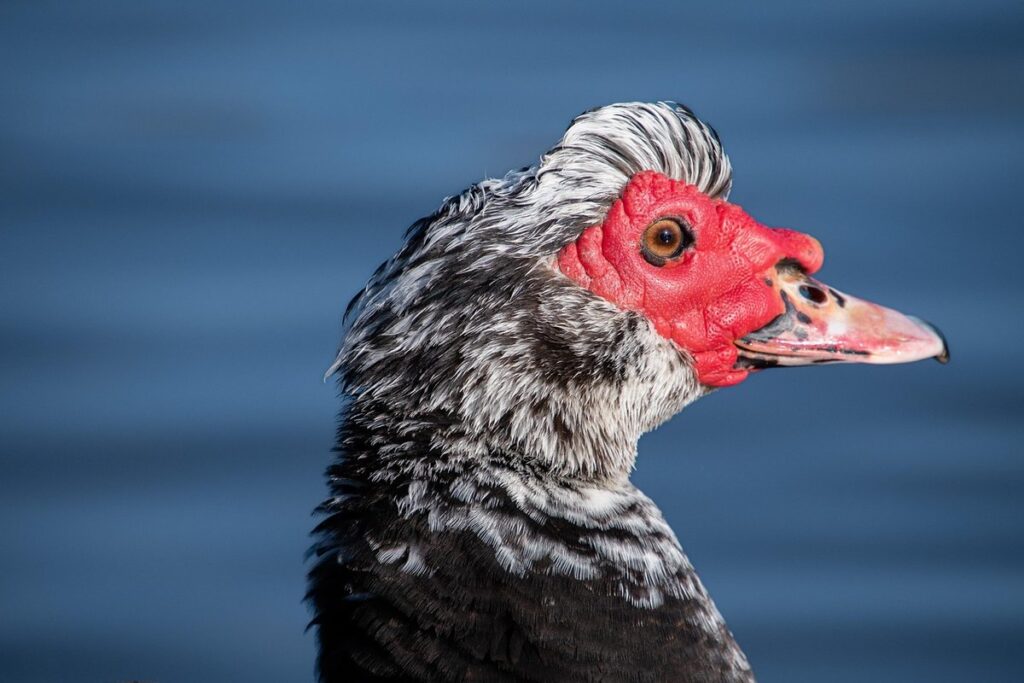
Muscovy duck eggs are a nutrient-dense and flavorful alternative to traditional chicken eggs. Laid by muscovy ducks, a breed native to South America, these eggs are prized for their rich nutritional profile and unique characteristics. Muscovy duck eggs have a thicker, creamier white and a deeper, more orange-yellow yolk than chicken eggs.
One of the main reasons muscovy duck eggs are gaining popularity is due to their higher fat content, which makes them ideal for baking and cooking. They also contain less cholesterol than chicken eggs, making them a great option for health-conscious individuals looking to reduce their cholesterol intake. Muscovy duck eggs are also said to have a milder flavor and firmer texture compared to chicken eggs.
In terms of nutrition, muscovy duck eggs are an excellent source of protein, vitamins A and E, iron, and potassium. They are also higher in omega-3 fatty acids than chicken eggs, making them a great option for those looking to reduce their inflammation levels.
Nutritional Benefits of Muscovy Duck Eggs
Muscovy duck eggs are often referred to as a superfood due to their impressive nutritional profile. One of the most notable benefits is their high protein content. With approximately 7-8 grams of protein per large egg, muscovy duck eggs provide an excellent source of amino acids essential for muscle growth and repair. This makes them an attractive option for athletes and fitness enthusiasts.
Another significant advantage of muscovy duck eggs is their rich omega-3 fatty acid content. These essential fatty acids play a crucial role in heart health, brain function, and inflammation reduction. In fact, one large muscovy duck egg contains about 200 milligrams of omega-3s, significantly higher than the average chicken egg.
In addition to being high in protein and omega-3s, muscovy duck eggs are also relatively low in cholesterol compared to other types of eggs. A single large muscovy duck egg contains approximately 180 milligrams of cholesterol, whereas a comparable-sized chicken egg can range from 200-250 milligrams. This makes them an attractive option for those watching their dietary cholesterol intake.
History and Cultural Significance of Muscovy Duck Eggs
Muscovy duck eggs have been a prized ingredient for centuries, not just for their unique flavor and texture but also for their cultural significance. In various parts of the world, these eggs have played a vital role in traditional cuisine and medicine.
For instance, in some Latin American countries, muscovy duck eggs are considered a delicacy and are often served at special occasions such as weddings and holidays. The eggs are prized not only for their rich flavor but also for their supposed health benefits, which include high levels of protein, vitamins, and minerals.
In traditional Chinese medicine, muscovy duck eggs are believed to have healing properties that can help alleviate symptoms of fatigue, stress, and anxiety. They’re often used as a treatment for various ailments, including insomnia and digestive issues.
When incorporating muscovy duck eggs into your cooking, it’s essential to note that they have a thicker, creamier white and a slightly sweet flavor compared to regular duck eggs. This unique characteristic makes them an excellent choice for baking, boiling, or frying. Whether you’re looking to add variety to your diet or seeking out new culinary experiences, muscovy duck eggs are definitely worth trying.
To fully appreciate the cultural significance of muscovy duck eggs, try experimenting with traditional recipes from different cultures that feature these eggs as a main ingredient.
Raising Muscovy Ducks for Egg Production
If you’re looking to raise muscovy ducks specifically for their eggs, this section will walk you through everything you need to know to get started successfully. We’ll cover all the essential details of raising muscovy ducklings and helping them become prolific egg layers.
Choosing the Right Breeds for Egg Production
When it comes to raising muscovy ducks for egg production, not all breeds are created equal. While they’re known for their exceptional egg-laying abilities, some muscovy breeds excel more than others when it comes to fertility and capacity.
Breeds like the White Muscovy, Blue Swimmer, and Silver Appleyard are highly sought after for their impressive egg-laying capabilities. These birds typically begin laying eggs at around 6-8 months of age, with peak production occurring between 1-2 years old. They can produce up to 300 large, white eggs per year, making them an ideal choice for backyard farmers and small-scale egg producers.
On the other hand, some muscovy breeds, such as the Golden Muscovy, may not be as prolific in terms of egg-laying. However, they still make wonderful pets due to their friendly temperaments and impressive foraging abilities. If you’re looking to raise muscovy ducks specifically for eggs, it’s essential to research and choose a breed known for its exceptional fertility and capacity.
When selecting a muscovy breed for egg production, consider factors such as temperament, fertility, and egg-laying capacity. By choosing the right breed, you can ensure a bountiful harvest of delicious muscovy duck eggs straight from your own backyard!
Housing and Nutrition Requirements for Muscovy Ducks
When it comes to raising muscovy ducks for egg production, providing them with an optimal environment is crucial. Muscovy ducks require a shelter that protects them from extreme temperatures, wind, and predators. Ideally, their housing should be well-ventilated, dry, and draft-free. A suitable option would be a three-sided coop or a hoop house with adequate space for the ducks to move around comfortably. The floor should be covered with a layer of wood shavings or straw to keep them clean and dry.
When it comes to nutrition, muscovy ducks are omnivores and require a balanced diet that includes protein-rich feed, grains, fruits, and vegetables. A good quality commercial duck feed should form the basis of their diet, supplemented with fresh greens like kale and spinach. Fresh fruits such as berries, apples, and melons can also be given in moderation. Muscovy ducks have specific nutritional needs, and providing them with a balanced diet will help ensure optimal egg production.
Health Considerations for Muscovy Ducks in Backyard Flocks
When it comes to raising muscovy ducks for egg production, health considerations cannot be overlooked. These birds can be prone to certain issues if not properly cared for, which is why it’s essential to be aware of the potential problems and take preventative measures.
One common health concern affecting muscovy ducks is respiratory problems. This is often caused by poor ventilation in their living quarters or exposure to extreme temperatures. To prevent this, ensure that your muscovy duck enclosure has adequate airflow and is equipped with shade structures for hot weather. Regular cleaning of the coop and run will also help reduce ammonia levels and prevent respiratory issues.
Parasites are another significant health concern for muscovy ducks. These can include internal parasites like mites, lice, and fleas, as well as external ones such as ticks and mosquitoes. To control parasite infestations, maintain a clean coop and run, change bedding regularly, and monitor your birds’ behavior for signs of infestation.
Vitamin deficiencies can also be an issue if muscovy ducks do not have access to a balanced diet. Provide a high-quality layer feed specifically formulated for waterfowl, and supplement with fruits, vegetables, and grains as needed. Ensure that their water is clean and fresh at all times, and provide grit or oyster shells to support healthy digestion.
Cooking and Using Muscovy Duck Eggs
Now that you know the amazing benefits of muscovy duck eggs, let’s dive into cooking and using them in your kitchen, exploring various preparation methods and recipes.
Basic Cooking Methods for Muscovy Duck Eggs
When cooking muscovy duck eggs, it’s essential to understand the basic methods that will bring out their unique flavor and texture. Boiling is a straightforward method where you place the eggs in a single layer at the bottom of a saucepan, cover them with cold water, and bring to a boil. For large eggs like muscovy duck eggs, boil for 10-12 minutes, then immediately transfer to an ice bath to stop the cooking process.
Poaching is another method where you crack the egg into simmering water that has been seasoned with vinegar or lemon juice. Muscovy duck eggs poach well when the whites are set and the yolks still runny. Cook for 6-8 minutes, then remove with a slotted spoon. Frying muscovy duck eggs is a popular breakfast option where you heat oil in a pan over medium heat and crack an egg into it. Cooking for 3-4 minutes on each side will give you a perfectly cooked omelette.
Baking muscovy duck eggs is a great method when you need to cook multiple eggs at once. Preheat your oven to 375°F (190°C) and bake for 12-15 minutes for large eggs, or until the whites are set and the yolks cooked to your desired doneness. Always remember to adjust cooking times based on egg size and personal preference for doneness.
Using Muscovy Duck Eggs in Baking and Cooking Recipes
When it comes to cooking and baking with muscovy duck eggs, one of the most exciting aspects is experimenting with their unique flavor profile. Muscovy duck eggs have a slightly sweet and nutty taste that can elevate various dishes. To incorporate them into your recipes, consider replacing chicken or quail eggs with muscovy duck eggs.
Baked goods are an excellent starting point. Try adding muscovy duck eggs to your favorite cake or cookie recipe for added richness and depth of flavor. The eggs will also contribute a lighter texture due to their higher water content compared to chicken eggs.
When making omelets or quiches, use two large muscovy duck eggs in place of three to four chicken eggs. This will result in a fluffier and more tender crust. In savory meals, such as stir-fries or curries, use the eggs whole for added protein content or beaten for an egg-drop-like consistency.
To maximize flavor, pair muscovy duck eggs with ingredients that complement their nutty taste, like truffle oil, thyme, or rosemary. Experimenting with different combinations will help you find your signature dishes using these incredible eggs.
Eggshell Use: A Sustainable and Creative Solution
When you’re done using up those delicious muscovy duck eggs, don’t toss out the shells just yet! The hard outer layer is rich in calcium and other essential nutrients that can be repurposed in various creative ways. Let’s explore some innovative uses for eggshells.
One of the most unique applications of muscovy duck eggshells is as a natural dye material. By boiling them in water, you can create a vibrant blue pigment that’s perfect for adding color to your textiles or paper crafts. This eco-friendly alternative to commercial dyes reduces waste and promotes sustainability.
Eggshells also make an excellent fertilizer for your garden. Crushed shells provide a readily available source of calcium, magnesium, and phosphorus for plants to absorb. Simply mix crushed eggshells into the soil around your vegetables or flowers for improved nutrient uptake and stronger growth.
For crafty enthusiasts, muscovy duck eggshells can be transformed into beautiful decorations or embellishments. After washing and drying, you can paint, glue, or decoupage them to create unique pieces of art that add a personal touch to your home decor.
Health Benefits and Allergy Concerns
While muscovy duck eggs are nutritious and versatile, it’s essential to consider potential health benefits and allergy concerns for some individuals when consuming them. Let’s explore what you need to know.
Muscovy Duck Eggs for Allergy Relief
If you’re one of the millions of people worldwide who suffer from egg allergies, you may be surprised to learn that muscovy duck eggs can provide a safe and effective alternative. Unlike chicken eggs, which are often associated with severe allergic reactions, muscovy duck eggs contain unique proteins that may not trigger the same immune response.
Studies have shown that the protein structure in muscovy duck eggs is distinct from that of chicken eggs, making them a potential option for those with egg allergies. One study found that 70% of individuals who were allergic to chicken eggs did not exhibit any adverse reactions when consuming muscovy duck eggs. This may be due to the lower concentration of galactose-alpha-1,3-galactose (Alpha-Gal) in muscovy duck eggs.
If you’re considering trying muscovy duck eggs for allergy relief, it’s essential to consult with a healthcare professional first. They can help determine whether your allergies are caused by chicken egg proteins or another factor altogether. With proper guidance and supervision, muscovy duck eggs may provide a safe and delicious alternative to traditional egg sources.
Nutritional Profile and Potential Risks
While muscovy duck eggs are an excellent source of protein and essential nutrients, there are some potential risks to consider. One concern is the high protein content, which can be a challenge for individuals with certain health conditions or those following a specific diet. For instance, people with kidney disease may need to limit their protein intake, and consuming large quantities of muscovy duck eggs could exacerbate this condition.
Another consideration is the cholesterol level in muscovy duck eggs, which is higher than that found in chicken eggs. While dietary cholesterol has a limited impact on blood cholesterol levels for most people, individuals with high cholesterol or heart disease should be mindful of their egg consumption. It’s essential to note that moderate egg consumption, defined as 1-2 eggs per day, is unlikely to have a significant impact on overall health.
To incorporate muscovy duck eggs into your diet safely, it’s crucial to maintain a balanced intake and consult with a healthcare professional if you have specific dietary needs or concerns. Additionally, consider cooking methods that reduce the cholesterol content of the eggs, such as poaching or boiling.
Conclusion and Final Thoughts
In conclusion, the Muscovy duck egg is an incredible addition to any farm or backyard flock. With their rich, buttery flavor and impressive nutritional profile, it’s no wonder these eggs have become a favorite among chefs and home cooks alike. If you’re thinking of raising Muscovy ducks for their eggs, be sure to do your research and provide them with the care and attention they need. With proper nutrition and management, you can enjoy an abundance of delicious Muscovy duck eggs right in your own backyard.
It’s also worth noting that Muscovy duck eggs are a great choice for those looking for a sustainable and environmentally-friendly food option. By raising these ducks locally, you’ll be reducing your carbon footprint and supporting local agriculture. With their unique characteristics and numerous benefits, the Muscovy duck egg is truly an amazing addition to any food lover’s repertoire.
Frequently Asked Questions
Can I use Muscovy duck eggs as a direct substitute in all recipes?
Yes, muscovy duck eggs can be used as a direct substitute in many recipes, but it’s essential to note that their richer flavor and higher fat content may affect the final product. Start by substituting 1:1 in simple baked goods and adjust as needed.
How do I store Muscovy duck eggs safely?
Store muscovy duck eggs in a cool, dry place or refrigerate them at 40°F (4°C) to maintain their quality. Wash your hands before handling eggs, and keep them away from strong-smelling foods to prevent odors from transferring.
Are there any specific health considerations for Muscovy ducks in backyard flocks?
Muscovy ducks are generally hardy birds but may be more susceptible to heat stress than chickens. Ensure they have access to shade, clean water, and a balanced diet to maintain their overall health.
Can I use muscovy duck eggs for candle-making or other crafts without cooking them first?
Yes, muscovy duck eggs can be used raw in various crafting applications like candle-making, soap-making, or as a natural adhesive. However, it’s crucial to follow proper safety protocols and guidelines for working with raw egg products.
How do I introduce Muscovy ducks to my existing flock without causing stress or conflict?
Gradually introduce muscovy ducklings to your established flock under close supervision. Ensure they have separate housing and feeding areas initially, allowing them to become familiar with each other’s presence before merging the groups.