
Are you thinking of raising some adorable muscovy ducklings? These charming birds can make wonderful additions to your backyard farm or even as pets. But before bringing home those precious eggs, it’s essential to learn about their specific needs and requirements. As a parent-to-be, you want to ensure that your new arrivals grow into healthy, thriving ducks.
Raising muscovy ducklings requires attention to detail, especially when it comes to their nutritional needs, environmental conditions, and health considerations. From understanding their developmental stages to providing the right care for optimal growth, this guide is designed to walk you through every crucial aspect of raising muscovy ducklings. By the end of this comprehensive article, you’ll be confident in your ability to raise happy, healthy muscovy ducklings that will bring joy and entertainment to your family.
Introduction to Muscovy Ducklings
If you’re considering bringing muscovy ducklings into your backyard, it’s essential to understand their unique characteristics and needs from a young age. This guide will walk you through the basics of raising healthy muscovy ducklings.
What are Muscovy Ducklings?
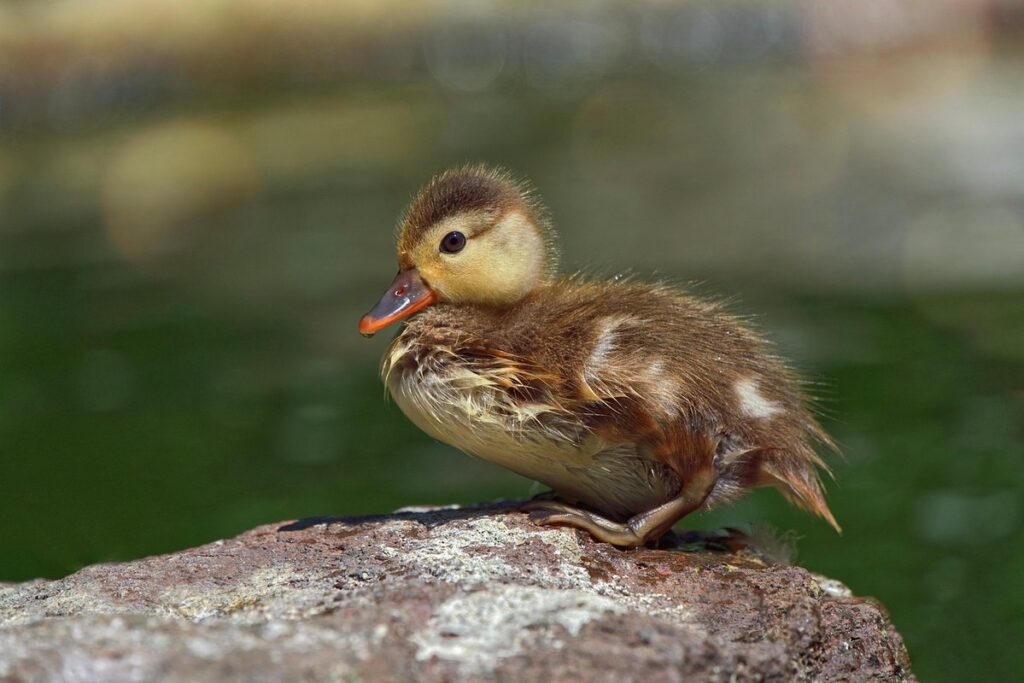
Muscovy ducklings are the adorable offspring of Muscovy ducks, a domesticated species native to South America. These little bundles of energy and curiosity quickly steal the hearts of anyone who lays eyes on them. If you’re considering adding muscovy ducklings to your family, here’s what you need to know.
At birth, muscovy ducklings are covered in soft, downy feathers that keep them warm in chilly temperatures. They weigh around 1-2 ounces and measure about 4-5 inches long. Within the first few days of life, their primary feathers begin to emerge, giving them a distinctive appearance. Female ducklings tend to be larger than males.
Muscovy ducklings are known for their unique characteristics, which include their loud, high-pitched calls and territorial behavior. They’re social birds that thrive on interaction with humans and other animals. With proper care and attention, muscovy ducklings grow into healthy, well-adjusted adults that can become loving pets or provide a bounty of fresh eggs.
As you prepare to welcome muscovy ducklings into your life, remember to research local regulations regarding exotic bird ownership. Make sure you’re equipped with the knowledge and resources needed to provide these special birds with the care they deserve.
Importance of Understanding Muscovy Duckling Behavior
Understanding muscovy duckling behavior is essential for their well-being and your success as a caregiver. Their unique personalities and quirks can greatly impact their health if not addressed properly. For instance, Muscovy ducklings are naturally skittish and may nip at humans when startled or scared. Knowing this helps you establish trust and gradually build confidence in them.
Social dynamics also play a significant role in muscovy duckling behavior. They thrive in flocks and require attention from their caregivers to prevent loneliness and stress. Without proper interaction, they might become aggressive or withdrawn. Be aware of body language cues like puffing out feathers, hissing, or avoiding eye contact, which can indicate discomfort or distress.
To foster healthy muscovy duckling behavior, it’s crucial to establish a routine that includes regular handling, playtime, and socialization. This can be as simple as offering a variety of toys or providing opportunities for them to explore their surroundings. By doing so, you’ll not only help prevent behavioral issues but also strengthen your bond with these charming creatures.
Muscovy Duckling Development Stages
As you raise your muscovy ducklings, it’s essential to understand their development stages, from hatching to maturity. This process typically takes around 6-8 weeks and is crucial for proper care.
Embryonic Development (0-28 Days)
At 0 days, your muscovy duck eggs are just starting to incubate. Over the next few weeks, a flurry of embryonic development will take place, culminating in the emergence of adorable ducklings.
As early as day 2-3, the embryo’s heart begins to beat, pumping blood through tiny vessels. By day 5-6, the three primary germ layers (ectoderm, endoderm, and mesoderm) start to form, which will eventually give rise to all tissues and organs.
Around day 10-12, pip formation occurs as the embryo’s beak starts to break through the eggshell. This is a sign that hatching is imminent! The duckling’s lungs also start to develop around this time, with the first breaths being taken on day 26 or 27.
It’s essential for breeders to maintain a consistent temperature between 99-100°F (37-38°C) during incubation, as temperature fluctuations can hinder development. After day 25, it’s not uncommon for ducklings to start pipping and hatching within a short timeframe of each other, often within a few hours.
Neonatal Stage (1-4 Weeks)
At one to four weeks old, muscovy ducklings enter their neonatal stage. During this period, they rely heavily on their down growth for temperature regulation. The fluffy covering helps them conserve heat, as they are unable to regulate their body temperature through other means.
Newly hatched muscovy ducklings need constant access to a warm and draft-free area with adequate ventilation to maintain optimal temperatures between 90°F to 95°F (32°C to 35°C). Keeping the brooder at this temperature range is crucial for the ducklings’ survival. You can achieve this by placing a heat lamp or ceramic heat emitter in a brooder, but ensure it’s not too hot.
Feeding habits also change significantly during the neonatal stage. Muscovy ducklings need to be fed starter feed or a commercial starter mix that includes 18-20% protein content. This ensures they receive adequate nutrients for growth and development. Divide feeding into multiple small sessions throughout the day, rather than two large ones, to prevent overeating.
Health Considerations for Muscovy Ducklings
When caring for muscovy ducklings, it’s essential to consider their specific health needs from a young age. This includes vaccinations, parasite control, and monitoring for signs of illness.
Common Health Issues
As you care for your muscovy ducklings, it’s essential to be aware of the common health issues that can affect them. Respiratory problems are a significant concern, especially during their first few weeks of life. Muscovy ducklings are prone to pneumonia and bronchitis due to their sensitive respiratory system. Symptoms include labored breathing, coughing, and loss of appetite.
Vitamin deficiencies can also be detrimental to your muscovy ducklings’ health. A lack of vitamin A can cause issues with vision, skin, and immune function, while a deficiency in vitamin E can lead to problems with reproduction and growth. Make sure their diet includes a balanced mix of commercial starter feed and fresh fruits and vegetables.
Parasites are another common issue affecting muscovy ducklings. Internal parasites like worms can be introduced through contaminated water or food, leading to weight loss, lethargy, and diarrhea. Keep your ducklings’ living area clean, change their bedding regularly, and provide clean drinking water at all times to minimize the risk of parasite infestations.
It’s also crucial to monitor your ducklings for signs of illness, such as changes in behavior, appetite, or droppings. Consult a veterinarian experienced with waterfowl if you suspect any health issues to ensure timely treatment and prevent further complications.
Vaccination and Disease Prevention
As a muscovy duckling owner, it’s crucial to prioritize vaccination and disease prevention from an early age. Muscovy ducklings are susceptible to various diseases, including botulism, enteritis, and respiratory infections. A well-planned vaccination program can help protect your flock against these illnesses.
Recommended vaccinations for muscovy ducklings include a series of injections starting at 3-4 weeks old, followed by booster shots every 2-3 months. Consult with a veterinarian to determine the best vaccination schedule for your flock. Additionally, implement quarantine procedures when introducing new birds to prevent the spread of disease. Keep new arrivals isolated from the rest of the flock for a minimum of 30 days.
Effective biosecurity measures are also vital in preventing disease outbreaks. Ensure good hygiene practices by cleaning and disinfecting equipment, feeders, and waterers regularly. Store feed and supplies in rodent-proof containers to prevent contamination. Regularly inspect your flock for signs of illness and maintain accurate records of vaccination schedules, health checks, and any treatments administered.
Nutrition and Feeding Muscovy Ducklings
When it comes to raising muscovy ducklings, providing them with a nutritious diet is crucial for their growth and development. Let’s dive into some essential guidelines for feeding your muscovy ducklings right from day one.
Dietary Requirements
When it comes to feeding muscovy ducklings, providing them with the right nutritional requirements is crucial for their growth and development. Muscovy ducklings require a diet rich in protein to support their rapid growth rate. Good sources of protein for muscovy ducklings include high-quality starter feed that contains at least 18-20% protein, mealworms, crickets, and commercial duckling starter with added vitamins.
In addition to protein, calcium supplements are essential for the development of strong bones and beaks in muscovy ducklings. You can provide crushed eggshells or oyster shells as a source of calcium. However, make sure to crush them finely to avoid causing any harm to your ducklings’ digestive system. Also, ensure that you provide fresh water at all times for them to stay hydrated.
Another vital nutrient for muscovy ducklings is vitamin-rich foods. You can offer leafy greens like kale, spinach, and collard greens as a source of vitamins A, C, and K. However, be sure to introduce these new foods gradually into their diet to avoid digestive upset.
Feeding Strategies
When it comes to feeding muscovy ducklings, understanding their unique needs is crucial. Muscovy ducklings grow rapidly and require a diet rich in protein and energy from an early age. As they develop, their nutritional requirements change, so it’s essential to adjust their feed accordingly.
For the first week or two after hatching, ducklings need a starter feed that provides around 20-22% protein content. You can offer commercial duckling starter feed or a homemade mix of milk replacer, oats, and vegetables. As they grow, increase the protein content to 24-26% by gradually introducing more protein-rich foods like mealworms, hard-boiled eggs, and chopped veggies.
By around four weeks old, muscovy ducklings can be weaned onto adult feed with a protein content of about 16-18%. However, individual needs may vary depending on factors like growth rate, climate, and overall health. Keep an eye on your ducklings’ weight, feather development, and overall appearance to ensure they’re receiving the right balance of nutrients.
Consider offering fresh water, vitamin supplements, and probiotics as well to support their digestive health and immune system.
Environmental Considerations for Muscovy Ducklings
When it comes to raising muscovy ducklings, it’s essential to consider their environmental needs from the start, including proper ventilation and temperature control. This is especially crucial for their health and well-being.
Housing Requirements
When it comes to housing muscovy ducklings, providing an ideal environment is crucial for their growth and development. First and foremost, ensure you have enough space for your feathered friends. A general rule of thumb is to provide at least 2-3 square feet of floor space per bird indoors, and around 5-10 square feet per bird in a fenced outdoor enclosure.
Proper ventilation is also essential for muscovy ducklings. You’ll want to install a good ventilation system that can exchange air frequently to prevent ammonia buildup from their droppings. This can be achieved by installing windows or vents that allow fresh air to circulate while removing stale air. A simple way to check if your ventilation system is sufficient is to hang a piece of paper near the vent. If it remains in place, you know the airflow is working well.
In terms of sanitation practices, keep their living area clean and dry at all times. Remove soiled bedding daily, and replace it with fresh material such as straw or wood shavings. Make sure to wash feeders and water containers regularly to prevent bacterial growth. By following these guidelines, you’ll be able to create a healthy environment for your muscovy ducklings to grow and thrive in.
Handling and Socialization
When it comes to muscovy ducklings, proper handling and socialization are crucial for their healthy growth and development. Muscovy ducklings can be naturally skittish and easily stressed, so it’s essential to handle them gently and carefully from an early age.
Start by getting the ducklings used to human touch and presence right after hatching. Gently pick up each duckling, making sure not to grasp too tightly, and place them back into their enclosure. Repeat this process several times a day to help them become desensitized to handling.
Socialization is just as important as handling when it comes to muscovy ducklings. To socialize your ducklings, introduce them to other birds and animals in the household gradually. This can include chickens, geese, or even cats and dogs. Keep an eye on their behavior and intervene if you notice any signs of stress.
Some key tips for handling and socializing muscovy ducklings include:
* Handling them gently but frequently from a young age
* Gradually introducing them to other birds and animals in the household
* Providing a safe and secure environment where they can explore and interact with their surroundings
By following these guidelines, you can help your muscovy ducklings grow into confident and well-adjusted birds. Remember, early handling and socialization are critical for developing healthy habits that will last a lifetime.
Conclusion: Caring for Your Muscovy Ducklings
Now that your muscovy ducklings are growing and thriving, let’s focus on providing them with proper care to ensure they stay healthy and happy as they mature.
Key Takeaways
As you’ve reached the end of our muscovy duckling care journey together, it’s essential to summarize the key takeaways that will help you raise healthy and happy Muscovy ducklings. First and foremost, remember that proper nutrition is crucial for their growth and development. Ensure they have access to a balanced diet rich in protein, vitamins, and minerals. You can supplement their diet with calcium and vitamin A to support strong bone growth.
Another critical aspect of muscovy duckling care is providing a safe and clean environment. Keep their enclosure free from drafts, predators, and parasites. Ensure the water and feeding areas are well-maintained and easily accessible for your feathered friends. It’s also vital to monitor their health closely, watching out for signs of disease or illness.
Lastly, remember that socialization plays a significant role in shaping your muscovy ducklings’ behavior. Handle them gently and regularly from an early age to ensure they become friendly and confident birds. By following these key takeaways, you’ll be well on your way to raising a happy and thriving flock of Muscovy ducklings.
Future Prospects and Considerations
As you continue to care for and raise your muscovy ducklings, it’s essential to start thinking about their long-term management. Whether you plan to keep them as pets or incorporate them into a breeding program, farm operations, or even consider selling them as broilers, there are several factors to consider.
One of the most significant decisions is whether to integrate your muscovy ducklings into existing poultry operations or establish a separate facility dedicated solely to their care. If you’re planning for long-term success, it’s advisable to create a breeding program that aligns with your specific goals and resources. This will enable you to produce high-quality offspring, enhance genetic diversity, and potentially increase profitability.
When developing a breeding program, consider the following essential components:
* Selecting suitable sires and dams based on desired traits such as growth rate, egg production, or temperament
* Maintaining detailed records of lineage, performance, and health data to inform future breeding decisions
* Implementing rigorous biosecurity measures to prevent disease transmission and maintain flock health
You can also consider partnering with other muscovy duck breeders to exchange knowledge, share resources, and expand your market reach. Additionally, if you’re planning to sell your muscovy ducklings as broilers, research local regulations regarding poultry production and ensure compliance with all relevant laws and guidelines.
Ultimately, the future of your muscovy duckling operation will depend on careful planning, attention to detail, and a commitment to ongoing improvement. By considering these factors and taking proactive steps towards responsible management practices, you can build a thriving business or enjoy many years of rewarding pet ownership.
Frequently Asked Questions
How long do I need to quarantine new muscovy ducklings before introducing them to the rest of my flock?
Quarantining new arrivals is crucial for their health and well-being, as they may carry diseases or parasites that can harm your existing flock. For 4-6 weeks after arrival, keep new ducklings isolated from other birds to prevent potential cross-contamination. Monitor their health closely during this period, and have a plan in place for vaccination and disease prevention.
What should I do if my muscovy duckling is experiencing a developmental delay or seems off?
Muscovy ducklings go through various stages of development, but some may experience delays due to environmental factors, nutrition, or health issues. If you notice any unusual behavior or developmental delays in your ducklings, consult with an avian veterinarian for professional advice. They can help determine the cause and recommend a course of action to support optimal growth.
How often should I provide fresh water and food for my muscovy ducklings, especially during hot weather?
Freshwater is essential for muscovy ducklings’ growth and health, particularly in warm climates where dehydration can occur quickly. Ensure they have access to clean, unfrozen water at all times. For feeding, divide your daily ration into 3-4 smaller meals throughout the day, especially when temperatures rise above 75°F (24°C). Monitor their consumption closely to adjust quantities as needed.
Can I raise muscovy ducklings in a small backyard without any prior experience?
While raising muscovy ducklings can be rewarding, it does require dedication and knowledge about their specific needs. If you’re new to backyard poultry farming or have limited experience with birds, consider starting with a smaller flock (2-3 ducklings) and seeking guidance from an experienced breeder or local experts. This will help ensure the well-being of both your muscovy ducklings and yourself.
How do I prevent muscovy ducklings from escaping their enclosure?
Muscovy ducks are known for their curiosity and ability to escape if given the chance. To minimize the risk, make sure their enclosure is secure, with a sturdy fence (at least 3 feet high) and no gaps or holes. Also, consider providing plenty of enrichment activities and toys inside their coop to keep them occupied and reduce boredom-related escaping attempts.