
If you’re the proud owner of a muscovy duck family, or thinking of getting one, identifying your adorable ducklings is crucial for their proper care. With their unique physical characteristics and development stages, muscovy ducklings can be quite distinctive from their parents and other waterfowl species. But what are the key signs to look out for? In this article, we’ll take a closer look at how to identify muscovy ducklings, from their birth to adulthood. We’ll cover everything you need to know about their physical characteristics, behavior, and growth stages. By the end of this guide, you’ll be an expert in identifying your muscovy ducklings and providing them with the best possible care as they grow into healthy adult birds. Whether you’re a seasoned duck breeder or just starting out, this article is for you!
Physical Characteristics and Development
When identifying muscovy ducklings, it’s essential to note their distinctive physical characteristics and development milestones that set them apart from other duck species. This is where their unique features come into play.
Recognizing Muscovy Duckling Plumage
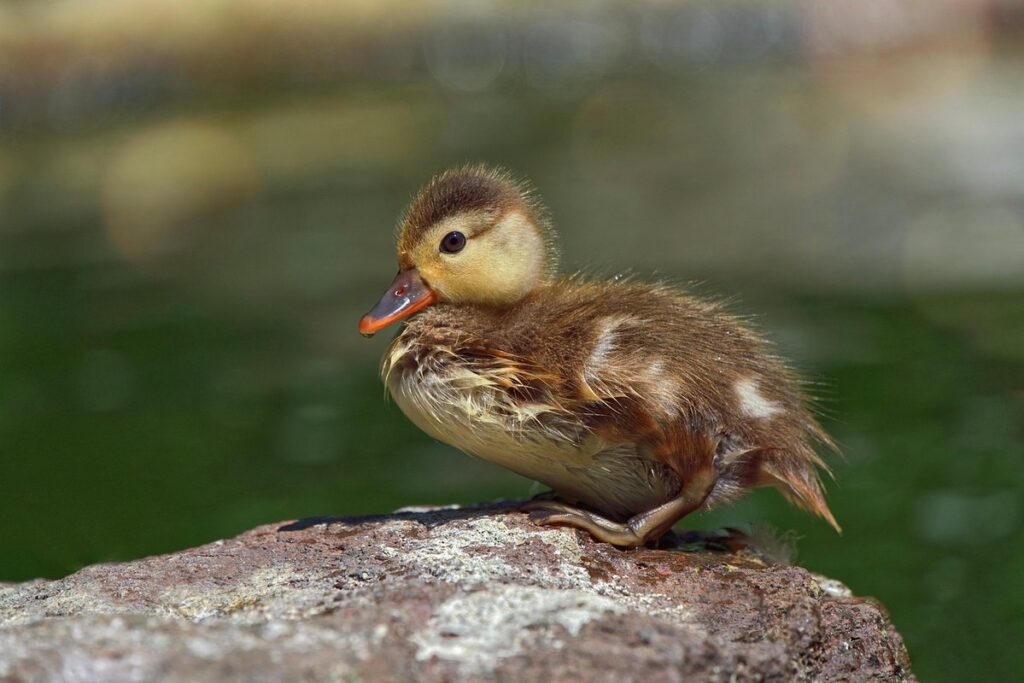
When it comes to identifying muscovy ducklings, their unique plumage is one of the most distinctive features. At birth, muscovy ducklings have a soft, downy covering that’s usually grayish-brown in color. However, as they grow and develop, their plumage undergoes significant changes.
One of the key characteristics of muscovy duckling plumage is its unique color pattern. The feathers are typically dark brown or black with white tips, giving them a distinctive striped appearance. As they mature, the stripes fade away, leaving behind a more uniform brown color. Another notable feature of muscovy ducklings is their texture – their feathers tend to be slightly longer and fluffier than those of other duck breeds.
It’s essential to note that some muscovy ducklings may exhibit variations in plumage color or pattern due to genetics or environmental factors. For example, some ducks may have a more intense brown color or additional white markings on their face or belly. Experienced breeders can often identify these subtle differences and use them to distinguish between different breeds or strains.
By paying close attention to the muscovy duckling’s plumage characteristics, you can gain valuable insights into its age, health, and genetic makeup. Whether you’re a seasoned breeder or just starting out, recognizing these unique features is crucial for making informed decisions about your flock.
Measuring and Weighing Muscovy Ducklings
Measuring and weighing muscovy ducklings is crucial for tracking their growth rates, monitoring potential health issues, and making informed decisions about their care. To accurately measure a muscovy duckling’s weight, use a digital kitchen scale that can handle small weights with precision. For measuring length, you’ll need a flexible tape measure or a ruler.
When weighing your muscovy ducklings, make sure to weigh them at the same time every day to establish a baseline for their growth rate. A healthy muscovy duckling typically gains around 20-30 grams per day during its first few weeks of life. Monitor their weight closely, and seek veterinary attention if you notice any significant changes in growth rate.
It’s also essential to record your measurements regularly to track their progress over time. Keep a log or use a spreadsheet to monitor their growth patterns, which can help identify potential health issues early on. By accurately measuring and weighing your muscovy ducklings, you’ll be better equipped to provide the best possible care for them.
Identifying Sex and Age in Muscovy Ducklings
Determining the sex and age of muscovy ducklings is crucial for breeders and farmers to ensure proper care and management. Visually inspecting the duckling’s plumage can be a reliable method for identifying sex. Male muscovy ducklings, also known as drakes, tend to have a more pronounced red or purple sheen on their feathers, particularly on the back and tail. In contrast, female ducklings appear duller with less vibrant coloration.
Another way to determine sex is by observing the genital area. Drakes typically have a longer, thicker cloaca than females. However, this method requires caution as improper handling can stress or injure the young bird.
To estimate age, look for physical characteristics such as beak size and feather growth. Younger ducklings have smaller, more orange-colored beaks, while older ones appear larger and darker. Feather development is also a reliable indicator of age; newly hatched muscovy ducklings lack feathers, but as they grow, their plumage expands and matures.
Keep in mind that these methods may not be 100% accurate until the birds reach maturity at around six to eight months old.
Habitat and Behavior
Muscovy ducklings are known for their unique characteristics when it comes to habitat and behavior, which can greatly aid in identification. Let’s explore these traits up close.
Natural Habitats of Muscovy Ducklings
In their natural habitats, muscovy ducklings can be found in various environments, including wetlands, grasslands, and human-modified areas. These adaptable young birds thrive in areas with abundant water sources, such as rivers, lakes, and ponds. Wetlands, in particular, provide an ideal habitat for muscovy ducklings, offering a mix of vegetation, shallow waters, and aquatic life that support their growth and development.
Muscovy ducklings can also be found in grasslands, where they feed on insects, seeds, and small plants. These areas often have scattered trees or shrubs that provide shelter from predators and harsh weather conditions. In human-modified environments, muscovy ducklings may inhabit agricultural areas, golf courses, or even urban parks, as long as there is access to water.
When identifying muscovy ducklings in the wild, it’s essential to note their habitat preferences. If you’re searching for these young birds, look for areas with abundant vegetation and shallow waters. By understanding their natural habitats, you’ll increase your chances of spotting muscovy ducklings in their native environments.
Behavioral Traits of Muscovy Ducklings
Muscovy ducklings are born with a strong instinct to forage and find food on their own. As soon as they’re able to walk, they’ll start pecking at the ground for seeds, insects, and small invertebrates. This behavior is crucial for their survival, as it teaches them essential skills like hunting and gathering.
Social interactions are also an important aspect of muscovy ducklings’ behavior. They’re known to form close bonds with each other and will often follow a dominant duckling or even a human caregiver around the enclosure. In the wild, they’ll gather in small groups, called “rafts,” to forage and protect themselves from predators.
When it comes to predator avoidance, muscovy ducklings have several strategies up their sleeve. They’re able to freeze in place when threatened, making them difficult targets. They also use a loud, high-pitched call to alert other ducks of potential danger. By recognizing these behaviors, you can better understand and care for your own muscovy ducklings.
In your enclosure, provide plenty of space for your ducklings to roam and exercise. This will help them develop strong legs and improve their foraging skills. Also, make sure to include hiding spots and visual barriers to give them a sense of security and protection from potential threats.
Health Considerations
When caring for muscovy ducklings, it’s essential to be aware of potential health risks and common issues that may arise during their first few weeks of life. Some conditions can be prevented with proper care and attention.
Common Health Issues Affecting Muscovy Ducklings
As a muscovy duck breeder, it’s essential to be aware of the common health issues that can affect your precious ducklings. Unfortunately, these adorable creatures are prone to various parasites, diseases, and nutritional deficiencies that can impact their growth, development, and even survival.
Some common parasites that can infect muscovy ducklings include internal parasites like coccidiosis and giardiasis, as well as external parasites like mites, lice, and fleas. These pests can be introduced to your flock through contaminated feed or water, or by wild birds visiting your property. To prevent infestations, ensure that you provide clean feed and water, maintain a clean coop, and regularly inspect your ducklings for signs of parasites.
Diseases like avian cholera, botulism, and respiratory infections can also affect muscovy ducklings. These conditions often result from poor ventilation, contaminated feed or water, or inadequate vaccination protocols. To minimize the risk of disease outbreaks, maintain proper coop hygiene, ensure adequate ventilation, and implement a regular vaccination schedule.
Nutritional deficiencies can also have severe consequences for muscovy ducklings. Ensure that their diet includes a balanced mix of protein, calcium, and vitamins to support healthy growth and development. Consider supplementing with probiotics or adding crushed oyster shells to their feed to promote digestive health. Regularly monitoring your ducklings’ weight, appetite, and droppings will help you identify potential issues early on.
Vaccination and Health Care for Muscovy Ducklings
As muscovy ducklings are vulnerable to various health issues, it’s essential to prioritize their vaccination and healthcare from an early age. Regular check-ups with a veterinarian specializing in poultry care will help identify potential problems before they become severe.
Some common health concerns affecting muscovy ducklings include respiratory infections, parasites, and bacterial diseases. A vaccination program tailored to the region and climate should be implemented, typically starting at around 4-6 weeks of age. This usually includes vaccinations against infectious bronchitis, Newcastle disease, and other prevalent diseases in your area.
In addition to vaccinations, muscovy ducklings require regular preventative care. This may include deworming, monitoring for signs of stress or illness, and ensuring access to clean water and a balanced diet. It’s also crucial to maintain good hygiene practices within the brooder, such as cleaning regularly and providing adequate ventilation.
For example, keeping the brooder area free from drafts and maintaining proper temperature control can help prevent respiratory issues. Moreover, providing a nutritious starter feed that includes essential vitamins and minerals will support the muscovy ducklings’ growth and development.
Raising and Handling Muscovy Ducklings
Once you bring home your new muscovy duckling, it’s essential to learn how to care for them properly, from feeding to hygiene, to ensure a smooth transition. This section will guide you through the process of raising and handling these adorable birds.
Caring for Muscovy Duckling Broods
Caring for muscovy duckling broods requires attention to detail and a nurturing approach. It’s essential to provide a safe and stimulating environment that meets their unique needs. For the first few weeks, muscovy ducklings need a draft-free, warm, and well-ventilated enclosure with adequate space to move around. A brooder or a large cardboard box lined with wood shavings or straw can be an ideal temporary housing solution.
Ensure you’re providing a suitable temperature range of 90-100°F (32-38°C) for the first week, gradually decreasing it by 5°F each week until they reach about 70°F (21°C). Provide a shallow dish of water and a feeding trough specifically designed for ducklings to prevent them from slipping.
Feeding muscovy ducklings involves offering a starter feed that’s rich in protein (20-24%) and low in calcium. You can supplement their diet with fresh vegetables like leafy greens, fruits, and insects. Socialization is crucial during this period; handle the ducklings gently but frequently to promote trust and reduce stress.
Handling and Socializing Muscovy Ducklings
Handling and socializing muscovy ducklings requires gentle care and attention to their unique needs. When handling muscovy ducklings, it’s essential to support their body and wings to prevent injury. Gently scoop them up from under the tail, making sure not to pick them up by the legs or wings.
For restraint, use a towel to wrap the duckling securely but gently, taking care not to constrict their movements. This will help them become accustomed to being handled without stressing them out.
Building trust with muscovy ducklings is crucial for their socialization and handling. Start by offering treats such as mealworms or starter feed near your hands, allowing them to associate your presence with positive experiences. As they grow more confident, you can gradually increase the amount of time spent handling them.
Be patient and gentle, as muscovy ducklings are sensitive to stress and noise. With consistent and gentle care, they’ll learn to trust and become more manageable for handling and socialization.
Frequently Asked Questions
How can I ensure my muscovy ducklings are getting the right nutrition for their growth stage?
Ensure that your muscovy ducklings have access to a balanced diet that meets their nutritional needs at each growth stage. You can offer starter feed specifically formulated for waterfowl, and supplement with fresh vegetables and fruits as they get older.
What if I notice my muscovy duckling has an uneven or crooked beak? Is this a cause for concern?
Yes. An uneven or crooked beak in muscovy ducklings can indicate a developmental issue that may require veterinary attention. Consult with a qualified poultry vet to determine the cause and best course of action.
How do I know if my muscovy duckling is getting enough exercise and stimulation?
Muscovy ducklings need regular opportunities for exercise, socialization, and mental stimulation. Provide a safe, predator-proof area where they can forage, swim, and explore their surroundings under close supervision.
What’s the best way to handle muscovy ducklings during vaccinations or medical procedures?
When handling muscovy ducklings for vaccinations or other medical procedures, make sure to approach them calmly and gently. Support their body weight with your hands, and avoid picking them up by their legs or wings.
Can I keep my male and female muscovy ducklings together in the same brood box? What are some potential issues to watch out for?
No. It’s not recommended to keep male and female muscovy ducklings together until they’re older and have reached sexual maturity, as this can lead to unwanted breeding behavior and stress within the flock. Keep them separated from each other until you’re prepared to introduce them at a later age.