
Are you considering adding some feathered friends to your backyard or looking for a reliable source of meat? Among the many duck breeds available, muscovy and Pekin ducks stand out for their unique characteristics and versatility. While they share some similarities, these two breeds have distinct personalities and needs that set them apart. If you’re new to raising ducks, choosing between muscovy and Pekin can be overwhelming – but don’t worry, this article is here to help! We’ll delve into the specific care requirements of each breed, highlighting what makes them well-suited for backyard flocks or meat production. From selecting healthy ducklings to providing optimal living conditions, we’ll cover everything you need to know to make an informed decision and raise happy, thriving ducks.
Section 1: Introduction to Muscovy and Pekin Ducks
Let’s start by getting familiar with two of the most popular duck breeds: Muscovy and Pekin. These ducks have distinct characteristics that set them apart from one another.
1.1 History of Muscovy and Pekin Duck Breeds
The origins of Muscovy and Pekin ducks date back to ancient times. The Muscovy duck, also known as the Black Duck, is believed to have originated from South America, specifically present-day Brazil and Argentina. It’s thought that they were brought to Europe by early explorers in the 16th century.
The Pekin duck, on the other hand, has its roots in China where it was bred for over 2,000 years. They were highly valued for their meat, eggs, and feathers. Chinese breeders selectively bred them for desirable traits such as large size, fast growth rate, and high egg production.
Both breeds were later introduced to the United States and Europe where they became popular among farmers and backyard duck enthusiasts. Today, these two breeds are among the most common domesticated ducks found on farms and in backyards worldwide.
Interestingly, despite their different origins, both Muscovy and Pekin ducks have been crossed with other breeds to create new varieties that combine the best traits of each parent. For example, some breeders cross-breed Muscovy ducks with Khaki Campbells or Indian Runner ducks to create hybrids that excel in specific areas such as egg production or foraging ability.
1.2 Reasons for Choosing Between Muscovy and Pekin
When deciding between Muscovy and Pekin ducks, several factors come into play. One of the primary considerations is temperament. Muscovy ducks are known for their calm demeanor, making them a great choice for families with children or for those who want a low-maintenance pet. They are also relatively quiet compared to other duck breeds.
On the other hand, Pekin ducks are more energetic and social, requiring regular interaction and exercise to prevent boredom and stress. While they can make wonderful pets, their boisterous nature may not be suitable for all households.
In terms of egg-laying ability, Muscovy ducks are prolific layers, producing around 100-120 eggs per year. However, the size of these eggs is smaller compared to Pekin ducks, which lay larger eggs but at a lower rate – approximately 80-100 eggs annually. When it comes to growth rate, both breeds have their advantages. Muscovy ducks mature faster than Pekins, reaching full size in about 8-10 weeks.
Ultimately, the choice between these two duck breeds depends on your specific needs and preferences.
Section 2: Characteristics of Muscovy Ducks
Muscovy ducks have some unique characteristics that set them apart from other domesticated waterfowl, and understanding these traits is essential for choosing the right breed for your needs. Let’s take a closer look at what makes muscovy ducks special.
2.1 Physical Appearance and Unique Features
Muscovy ducks are easily identifiable due to their striking physical appearance. One of the most distinctive features is their vibrant plumage, which can range from a deep red color to a beautiful blue hue. This varied coloring is not just aesthetically pleasing but also serves as a natural indicator of the duck’s age and sex.
A key aspect of muscovy ducks’ physical characteristics is their unique wattles. Unlike Pekin ducks, muscovies have large, fleshy wattles that dangle beneath their beaks. These wattles are not just for show; they play a crucial role in regulating the duck’s body temperature. Muscovy ducks can thrive in tropical climates due to this adaptation, making them well-suited for regions with high temperatures and humidity levels.
In addition to these features, muscovy ducks are known for their hardiness and robust health. This makes them an ideal choice for backyard farmers or those new to raising waterfowl. Their ability to withstand extreme temperatures means they require less maintenance and care compared to other breeds.
2.2 Temperament and Behavior
When it comes to temperament and behavior, Muscovy ducks are often described as calm and docile. They are social animals that thrive on interaction with their human caregivers and other birds. In fact, they have been known to form strong bonds with their owners, much like a pet dog or cat.
One of the key characteristics of Muscovy ducks is their ability to adapt to different environments and living situations. They can be found in various parts of the world, from small backyards to large farms, and are generally happy as long as they have access to plenty of space to roam and forage. When it comes to interacting with other animals, Muscovies tend to get along well with chickens and turkeys, but may not always appreciate the presence of geese or other larger waterfowl.
If you’re considering bringing a Muscovy duck into your family, be prepared to spend time with them and engage in activities that promote socialization. This can include feeding them by hand, playing with them in their enclosure, or simply sitting nearby while they forage for food. With patience and attention, Muscovy ducks can become loyal and loving companions.
Section 3: Characteristics of Pekin Ducks
When it comes to Pekin ducks, one of their defining characteristics is their exceptional temperament and adaptability. This is particularly beneficial for backyard farmers and enthusiasts who want easy-to-care-for pets.
3.1 Physical Appearance and Size
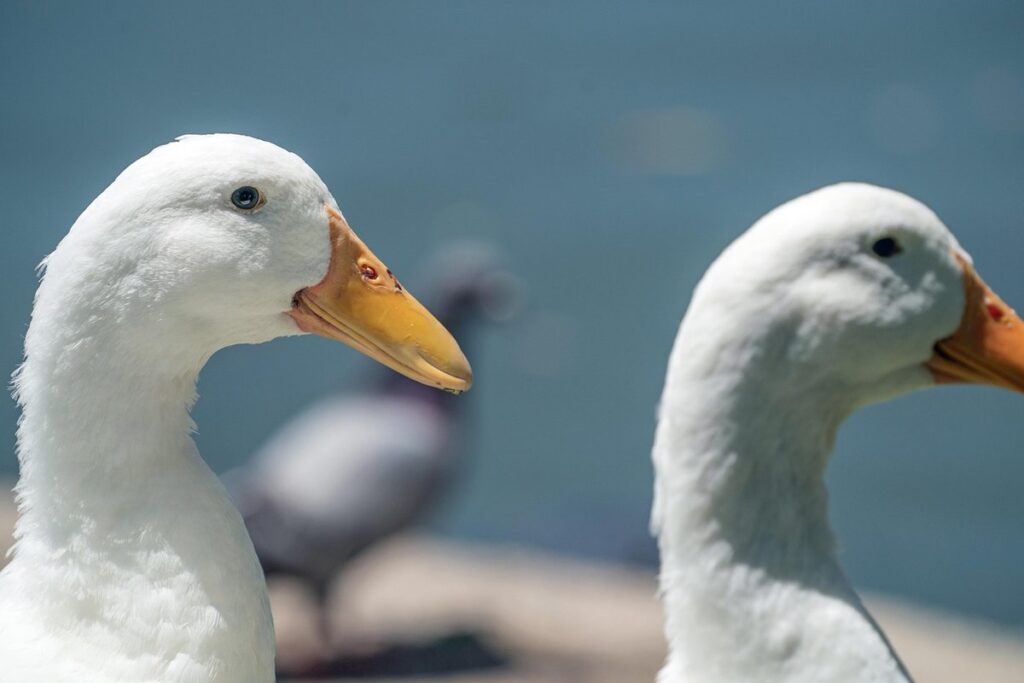
When it comes to their physical appearance, Pekin ducks are one of the most recognizable breeds. Their white feathers, which can range from a bright snowy white to a more muted cream color, make them stand out in any flock. In fact, their pure white plumage is so striking that many breeders and owners choose Pekin ducks specifically for their aesthetic appeal.
In terms of size, Pekin ducks are considered medium-sized ducks. Adult females typically weigh between 6-8 pounds (2.7-3.6 kg), while males can reach up to 10 pounds (4.5 kg) or more. Their compact bodies and sturdy legs make them well-suited for backyard flocks, where space may be limited.
When it comes to growth rate, Pekin ducks are known for their rapid development. They can mature in as little as 7-8 weeks, making them a popular choice for commercial duck farmers looking to quickly turn a profit. However, this fast growth rate also means that Pekin ducks require regular monitoring and care to ensure they remain healthy and happy.
3.2 Temperament and Egg-Laying Ability
When it comes to temperament, Pekin ducks are known for their friendly and docile nature. They’re often described as one of the most popular duck breeds due to their ability to adapt to various environments. Whether you have a small backyard or a large farm, Pekin ducks can thrive in both settings.
One of the standout characteristics of Pekin ducks is their high egg-laying capacity. On average, a mature female Pekin duck can lay around 300 eggs per year. This makes them an excellent choice for farmers and homesteaders looking to supplement their family’s income with fresh eggs from their own backyard.
To encourage your Pekin ducks to reach their full potential, make sure they have access to plenty of space, clean water, and a balanced diet rich in protein and calcium. With proper care, you can enjoy an abundance of fresh eggs from these incredible birds.
Pekin ducks are also highly social animals that thrive on interaction with humans. They’re relatively easy to handle, making them a great choice for families with children or beginners who want to raise ducklings.
Section 4: Care and Housing for Muscovy and Pekin Ducks
When it comes to providing a happy home for your Muscovy and Pekin ducks, understanding their specific care and housing needs is crucial. In this section, we’ll cover the essentials of creating a suitable environment for these wonderful birds.
4.1 Providing Adequate Shelter and Space
When it comes to providing adequate shelter and space for your muscovy or pekin ducks, there are several essential considerations to keep in mind. First and foremost, the enclosure must be large enough to accommodate the birds comfortably. A good rule of thumb is to provide at least 2-3 square feet of space per duck inside the coop, and a minimum of 10-15 square feet of outdoor run space.
Proper ventilation is also crucial to prevent respiratory problems and keep your ducks healthy. Ensure that your enclosure has adequate airflow by installing windows or vents on opposite sides of the coop. This will allow fresh air to circulate in and stale air to escape, reducing the risk of ammonia buildup from droppings.
In addition to size and ventilation, consider the durability and security of your enclosure. Muscovy ducks are notorious for their strong legs and ability to fly short distances, so make sure the coop is secure and can withstand potential breaches. A sturdy wire mesh or hardware cloth enclosure will help prevent escape attempts while also keeping predators out. By providing a spacious, well-ventilated, and secure enclosure, you’ll be able to keep your muscovy or pekin ducks happy, healthy, and thriving.
4.2 Dietary Requirements and Nutrition
When it comes to feeding your Muscovy and Pekin ducks, it’s essential to provide them with a balanced diet that meets their specific nutritional needs. Both breeds are omnivores, which means they require a mix of grains, proteins, fruits, and vegetables in their diet.
A common mistake many duck owners make is over-relying on commercial duck feed, which can lead to nutrient deficiencies and health issues. For example, Muscovy ducks have higher protein requirements than Pekin ducks, so they need more meat-based protein sources like mealworms or crickets. On the other hand, Pekin ducks are more prone to obesity, so their diet should be carefully monitored.
To ensure your ducks receive all the necessary nutrients, consider adding supplements like calcium and phosphorus to their feed. You can also provide them with fresh fruits and vegetables daily, such as leafy greens, carrots, and apples. Additionally, make sure they always have access to clean water and a source of grit, which helps with digestion.
By paying attention to your ducks’ dietary needs, you’ll help maintain their overall health and well-being. Remember to adjust their diet according to their age, sex, and activity level, and consult with a veterinarian if you’re unsure about any aspect of their nutrition.
Section 5: Health Considerations for Muscovy and Pekin Ducks
When it comes to muscovy and pekin ducks, their health is of utmost importance. In this crucial section, we’ll delve into the specific needs and concerns for these breeds, helping you ensure they live long and happy lives.
5.1 Common Health Issues in Muscovy Ducks
Muscovy ducks are generally hardy birds, but like all breeds, they can be susceptible to certain health issues. Respiratory infections are one common problem that can affect muscovy ducks, particularly in wet or humid environments. These infections can range from mild to severe and may be caused by bacteria, viruses, or fungi.
Parasites such as lice, mites, and fleas can also infest muscovy ducks, causing discomfort and stress. Regular cleaning of the coop and run, as well as monitoring your birds for signs of parasites, can help prevent these issues.
Additionally, muscovy ducks may be prone to certain nutritional deficiencies if their diet is not balanced or adequate. Providing a high-quality feed that meets their nutritional needs, along with supplements as necessary, can help ensure they stay healthy.
It’s essential to keep an eye out for signs of illness in your muscovy ducks and seek veterinary care promptly if you notice any unusual behavior or symptoms.
5.2 Common Health Issues in Pekin Ducks
Pekin ducks are generally a hardy breed, but they can be prone to certain health issues if not properly cared for. One of the most common health concerns in Pekin ducks is reproductive problems. Female Pekins can suffer from egg binding, a condition where the eggs get stuck in their oviducts and need to be manually removed by a veterinarian. This condition can lead to further complications such as infertility and increased risk of mortality.
Another common issue in Pekin ducks is vitamin deficiencies, particularly vitamin A deficiency. This can cause problems with skin and feather health, leading to conditions such as poor eggshell quality and weakened immune systems. To prevent these issues, it’s essential to provide your Pekin ducks with a balanced diet that includes adequate levels of vitamins and minerals. This can be achieved by offering a high-quality commercial feed supplemented with fresh fruits and vegetables daily.
Maintaining a clean living environment is also crucial in preventing health issues. Regular cleaning of the coop and run, as well as proper waste management, will help reduce the risk of disease transmission among your flock.
Section 6: Breeding and Raising Muscovy and Pekin Ducklings
Raising muscovy and pekin ducklings from hatch to harvest requires careful consideration of their unique needs, such as specialized feed and housing. Here’s a guide on how to breed and raise healthy, happy Muscovy and Pekin ducklings.
6.1 Sexing and Sex Determination
Sexing ducklings can be a challenging task, but it’s essential to determine their sex for breeding and management purposes. Muscovy and Pekin ducklings are no exception. One common method of sexing is through visual inspection, particularly around 3-4 weeks of age when the characteristics become more apparent.
For muscovy ducklings, males tend to have a prominent bump on the end of their tail feathers, while females do not. The skin around the cloaca (the opening where the digestive, urinary, and reproductive systems meet) is also a determining factor; males will have a small patch of reddish-colored skin, whereas females will have a smooth, pink or red area.
Pekin ducklings are slightly more challenging to sex due to their smaller size and less pronounced characteristics. However, experienced breeders can still determine sex by inspecting the bump on the tail feathers (if present) and checking for the presence of a small patch of reddish-colored skin around the cloaca. It’s crucial to practice patience and observe multiple ducklings to improve accuracy.
6.2 Nutritional Requirements for Growing Ducks
When it comes to raising muscovy and Pekin ducklings, providing them with a nutrient-rich diet is crucial for their optimal growth. Both Muscovy and Pekin ducks have different nutritional requirements, but they share some essential vitamins and minerals that are vital for healthy development.
Protein is the most critical component of a growing duck’s diet, and it should make up about 18-20% of their daily caloric intake. You can provide this through commercial duck pellets or crumbles, supplemented with fresh vegetables like leafy greens, carrots, and sweet potatoes. Calcium is another essential mineral for growing ducks, as they need strong bones to support their body weight.
A deficiency in calcium can lead to softening of the beak and legs, making it difficult for them to move around. To ensure your ducklings get enough calcium, sprinkle crushed oyster shells or cuttlebone into their feed. Vitamin A is also crucial for healthy vision, immune function, and overall growth. You can include leafy greens like kale, spinach, and collard greens in their diet, which are rich in vitamin A.
In addition to these essential nutrients, ensure your ducklings have access to fresh water at all times to stay hydrated. Monitor their weight gain and adjust their feed accordingly to prevent overfeeding or underfeeding.
Section 7: Uses for Muscovy and Pekin Ducks
Whether you’re looking to add some protein to your pantry or entertain friends with eggs, there are many creative ways to use muscovy and pekin ducks. Let’s explore their practical uses on your homestead.
7.1 Meat Production and Butchery
Raising muscovy and pekin ducks for meat production can be a rewarding experience, provided you follow humane slaughter practices. The first step is to ensure the ducks are healthy and well-fed, which will result in better-tasting meat. This involves providing them with a balanced diet that includes protein-rich feed, as well as fresh vegetables and fruits.
It’s essential to handle the ducks humanely before slaughter. This means making sure they are calm and relaxed, either by letting them settle down naturally or using techniques like gradual approach and gentle restraint.
When it comes to slaughtering the ducks, a swift and humane method is essential. A sharp knife with a clean cut is best, and should be done in accordance with local regulations. The goal is to minimize suffering and ensure the meat remains safe for consumption.
For smaller-scale producers, backyard butchery can be an option. This involves cutting and processing the meat on-site, which not only saves time but also ensures the highest quality of meat.
7.2 Egg-Laying and Backyard Flocks
If you’re looking to supplement your egg supply or add some feathered friends to your backyard, Muscovy and Pekin ducks are excellent choices for a flock. Both breeds can thrive in a small to medium-sized yard, provided they have access to adequate shelter, food, and water.
For the purpose of egg-laying, both Muscovy and Pekin ducks are suitable options. While Muscovy ducks tend to lay fewer eggs than Pekin ducks, their eggs are often larger and more irregularly shaped. On average, a Muscovy duck will lay around 60-80 eggs per year, while a Pekin duck can produce up to 200 eggs annually.
When considering adding either breed to your backyard flock, keep in mind that they have different personalities and requirements. For instance, Muscovy ducks are more aggressive and territorial than Pekin ducks, so it’s essential to provide them with sufficient space and separate enclosures if you plan on keeping both breeds together.
Some benefits of having a mixed-duck flock include:
• Reduced stress and boredom for your birds
• Increased egg production and diversity in your egg supply
• Enhanced companionship and social interaction between different species
By following proper care and management practices, Muscovy and Pekin ducks can thrive as part of a happy and healthy backyard flock.
Section 8: Conclusion
In conclusion, muscovy and pekin ducks make wonderful additions to any backyard flock or farm. With their unique characteristics, low maintenance care requirements, and various uses, it’s no wonder why many duck enthusiasts are drawn to these breeds. Whether you’re looking for a hardy meat producer or a friendly companion animal, muscovy and pekin ducks have something to offer. By understanding their needs and temperaments, you can provide the best possible care and create a happy, healthy environment for your feathered friends.
As you’ve learned throughout this guide, both breeds are surprisingly adaptable and easy-going, making them perfect for first-time duck owners or experienced farmers alike. With proper care and attention, these ducks will thrive and bring joy to your family for years to come. So go ahead, give muscovy and pekin ducks a try – we’re confident you’ll fall in love with their charming personalities and versatile qualities!
Frequently Asked Questions
How do I determine the sex of muscovy ducklings at a young age?
Determining the sex of muscovy ducklings can be challenging, but it’s essential for breeding purposes. At around 4-6 weeks of age, you can start to differentiate between males and females by looking for physical characteristics such as feathers, webbing, and tail development. However, this method is not always reliable. It’s recommended to wait until they’re around 12-14 weeks old or consult with a veterinarian or experienced breeder for accurate sexing.
Can I keep muscovy and Pekin ducks together in the same flock?
While it’s possible to keep muscovy and Pekin ducks together, it’s crucial to introduce them gradually and ensure that they have enough space and resources. Muscovy ducks are generally more aggressive and territorial than Pekin ducks, so a gradual introduction is necessary to avoid conflicts. Monitor their behavior closely and separate them if you notice any signs of stress or aggression.
What are the essential vaccinations for muscovy and Pekin ducklings?
Both muscovy and Pekin ducklings require regular vaccinations to protect against common diseases such as avian cholera, duck plague, and Newcastle disease. Consult with a veterinarian to determine the best vaccination schedule for your flock based on their age, health status, and location.
Can I use automated feeding systems for muscovy ducks?
Muscovy ducks are known to be more particular about their food and water than Pekin ducks. While automated feeding systems can work well for Pekin ducks, they might not be suitable for muscovy ducks, which require a varied diet and may be prone to boredom or stress if fed the same old food repeatedly.
How do I handle common health issues in muscovy ducks?
Muscovy ducks are more susceptible to certain health issues such as respiratory problems, feather pecking, and wet tail. Regular monitoring of their health, providing a balanced diet, and maintaining clean living conditions can help prevent or mitigate these issues. Consult with a veterinarian for advice on managing common health concerns in muscovy ducks.