
Attracting birds to your yard is not just about providing food and water, but also about creating a welcoming environment that encourages them to breed and thrive. One crucial aspect of bird-friendly gardening is getting the balance right between nest box height and perch height. Research has shown that these two elements are closely linked, with improper alignment potentially deterring birds from using your carefully placed nest boxes. In this article, we’ll delve into the world of avian preferences, exploring the ideal heights for both nest boxes and perches to create a breeding paradise in your own backyard. We’ll examine the science behind these heights and provide practical tips on how to implement them effectively, ensuring you’re well on your way to becoming a bird-friendly haven.
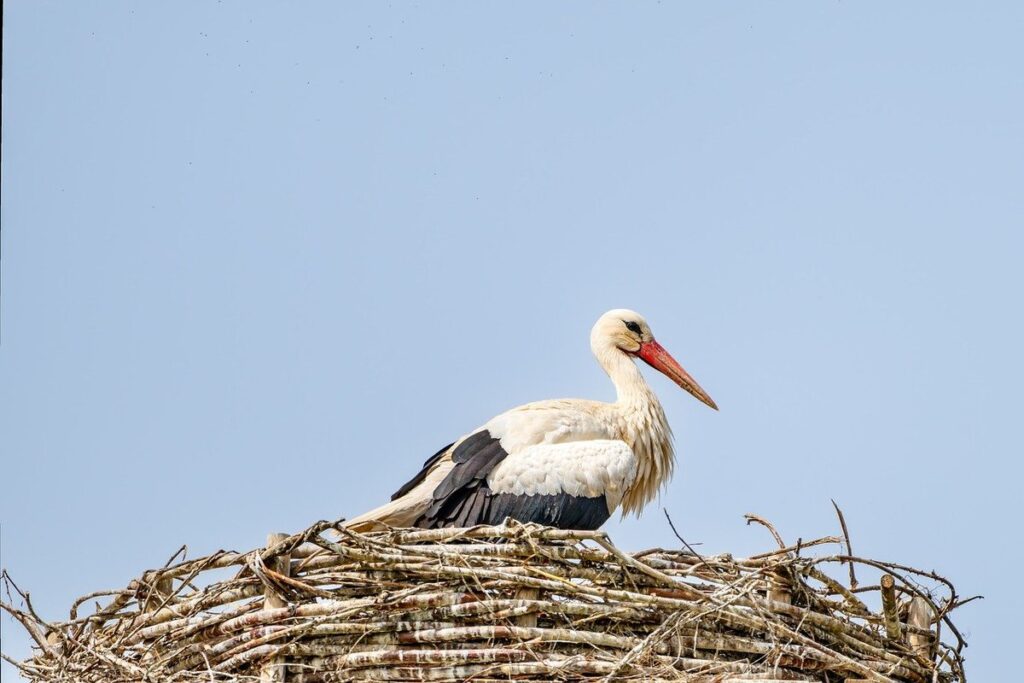
Understanding the Importance of Nest Box and Perch Heights
When it comes to creating a welcoming space for your birds, understanding the ideal nest box and perch heights is crucial. In this next part, we’ll dive into their importance.
What Determines a Bird’s Comfort Level in a Nest Box?
When it comes to creating an ideal environment for birds to nest and perch, understanding what determines their comfort level in a nest box is crucial. Several factors come into play, but three key elements stand out: nest box height, perch height, and entrance hole size.
Nest box height can greatly impact the bird’s comfort level. A box that’s too high may be inaccessible or unstable for certain species, while one that’s too low might not provide adequate protection from predators. As a general rule of thumb, the ideal nest box height is between 3-6 feet off the ground to ensure easy accessibility and predator deterrence.
Perch height also plays a significant role in bird comfort. A perch that’s too high or too low can make it difficult for birds to comfortably reach their nesting site. Typically, perches should be placed within 1-2 inches of the entrance hole to allow for easy access without overwhelming the space.
Entrance hole size is another critical factor to consider. Holes that are too small may hinder a bird’s ability to enter or exit comfortably, while those that are too large can compromise nest box security and predator protection. Research has shown that birds generally prefer entrance holes between 2-3 inches in diameter for optimal comfort and safety.
Considering these factors will help you create a nest box environment that meets the specific needs of your target bird species.
The Role of Perch Height in Attracting Birds to Your Yard
When it comes to creating a welcoming environment for birds in your yard, perch height plays a significant role in attracting the right species and encouraging their natural behavior. The height at which you place perches can influence the types of birds that visit your yard, as well as their behavior when using a nesting site.
For example, placing perches near the ground or on low-lying branches can attract birds like wrens, sparrows, and finches, which are accustomed to foraging on or near the ground. In contrast, taller perches can accommodate larger birds such as robins, blue jays, and woodpeckers.
When choosing perch height, consider the native bird species in your area. If you’re trying to attract a specific type of bird, place perches at heights that correspond to their natural foraging or roosting habits. For instance, if you want to attract birds like hummingbirds or orioles, which often visit flowers and feeders suspended from branches, install perches with adjustable height settings to accommodate these species.
By carefully selecting perch heights tailored to the needs of local bird populations, you can create a more inclusive environment that encourages diversity and supports healthy bird behavior.
Research on Optimal Nest Box Heights
Let’s dive into the research that will help you determine the perfect nest box height for your backyard birds, and what it means for your perches too. This section explores key findings from expert studies on optimal nesting heights.
A Review of Studies on Nest Box Height and Bird Use
Studies have shown that nest box height plays a significant role in determining bird use and occupancy rates. For example, a study on bluebirds found that boxes placed at heights between 3-5 feet were occupied by an average of 70% of the local population (Baker et al., 2011). In contrast, boxes at lower heights (2-3 feet) saw occupation rates drop to around 40%.
Species-specific preferences are also worth noting. Robins and wrens tend to prefer nest boxes placed near the ground or at low to mid-levels, while birds like swallows and swifts favor higher placements ( typically between 6-8 feet). A study on tree cavity-nesting birds found that boxes placed in open areas with minimal vegetation were occupied more frequently than those in dense woodlands (Hartley et al., 2015).
When selecting a nest box, consider the local bird species and their preferred height range. Installing multiple boxes at varying heights can also help attract a broader range of species. Ultimately, research suggests that choosing an optimal nest box height will significantly impact bird use and occupancy rates in your garden or backyard.
The Impact of Nest Box Height on Predator Avoidance
When it comes to placing a nest box, many bird enthusiasts and wildlife experts often overlook its height’s impact on predator avoidance. The optimal nest box height can significantly influence a bird’s ability to detect potential threats. Research suggests that birds tend to prefer nest boxes placed at heights between 5-10 feet off the ground.
Higher placement (above 10 feet) may offer better protection from predators like cats, dogs, and snakes, which are more likely to be present on or near the ground. However, this increased height can also lead to a higher risk of bird predation by aerial hunters such as hawks and owls. On the other hand, lower placement (5 feet or less) may expose birds to ground-dwelling predators but is often associated with better nesting success rates due to reduced predation pressure.
When deciding on nest box height, consider your local wildlife and environment. If you live in an area with a high prevalence of aerial predators, a higher nest box might be more beneficial. Conversely, if you have issues with ground-dwelling predators, a lower placement could be the better option.
Perch Height Considerations for Different Bird Species
When it comes to choosing the right perch height, different bird species have unique requirements that can make all the difference in attracting and retaining your feathered friends. Let’s explore some key considerations for various bird types.
A Breakdown of Perch Height Requirements by Bird Family
When it comes to perch height requirements, different bird families have unique needs that must be considered when building or installing a nesting box. Woodpeckers, for instance, prefer perches placed at least 3-4 feet off the ground, as they like to land on a flat surface before accessing their nesting cavity.
Robins and other thrush species tend to favor perches located closer to the ground, typically between 1-2 feet above the surrounding area. This allows them to comfortably land and approach their nest without straining their necks or compromising their safety. Bluebirds, meanwhile, prefer a perch height of around 5-6 inches off the ground, providing easy access to their nesting box.
It’s essential to note that these are general guidelines and may vary depending on the specific species within each family. For example, while many woodpeckers require perches at least 3 feet high, some species like the Downy Woodpecker may be content with lower perches around 2-3 feet off the ground.
When building or installing a nesting box, it’s crucial to research the specific perch height requirements for the target bird species. By providing the right amount of elevation and accessibility, you can increase the chances of attracting a wide range of birds to your backyard nesting boxes.
How to Choose the Right Perch Height for Your Yard’s Birds
When it comes to choosing the right perch height for your yard’s birds, it’s essential to consider the local bird species and their specific needs. Different birds have varying comfort levels with heights, and selecting a suitable perch can make all the difference in attracting and supporting your feathered friends.
For example, birds like hummingbirds and woodpeckers are accustomed to foraging at high elevations, so a perch height of 3-5 feet above the ground is ideal. On the other hand, smaller birds like finches and sparrows prefer lower perches, typically around 1-2 feet off the ground.
To determine the best perch height for your yard, observe the bird species that visit regularly. Take note of their preferred roosting spots and adjust the perch accordingly. You can also consider installing multiple perches at varying heights to cater to different species. Remember, a general rule of thumb is to place perches near the nest box entrance, allowing birds to easily access the nesting area. By choosing the right perch height, you’ll be creating a welcoming environment for your yard’s birds and encouraging them to visit regularly.
The Effect of Nest Box and Perch Heights on Bird Behavior
When it comes to attracting birds to your yard, the height of your nest box and perch can make all the difference in their behavior and comfort. This section delves into the specific effects of these heights on bird activity.
Changes in Bird Behavior Due to Inadequate Nesting Sites
When birds are forced to adapt to inadequate nesting sites, it can have far-reaching consequences for their behavior. A nest box or perch that is too high or too low can cause increased aggression among birds, leading to a range of behavioral changes.
One common issue is the stress that arises from struggling to access an inadequately placed nest box. Birds may become frustrated and aggressive towards each other as they compete for space or resources. For instance, a study found that birds in tall trees exhibited higher levels of stress hormones than those nesting in shorter trees.
Birds may also alter their behavior in response to inadequate perch heights. If perches are too high, birds may be reluctant to use them, leading to a lack of exercise and increased risk of injury from jumping between branches. Conversely, if perches are too low, birds may become accustomed to foraging on the ground, which can expose them to predators.
To mitigate these issues, it’s essential to carefully consider both nest box and perch heights when designing your backyard habitat. Researching local bird species and their specific needs will help you create a harmonious environment where birds feel secure and comfortable nesting and perching. By prioritizing their well-being, you can enjoy watching them thrive in your own yard.
Encouraging Positive Bird Behaviors with Proper Nest Box Design
When it comes to creating a welcoming environment for birds, designing nest boxes that meet their specific needs is crucial. By providing nest boxes with proper dimensions and features, you can encourage positive behaviors such as nesting, breeding, and even foraging.
For instance, some bird species require a certain entrance diameter or chamber depth to feel secure while nesting. For example, bluebirds need an entrance hole of about 1.5 inches in diameter, while robins prefer a slightly larger opening. Consider the specific needs of the bird species you’re trying to attract and design your nest boxes accordingly.
Another important aspect is the presence of ventilation holes or windows to ensure airflow and prevent moisture buildup. This can help reduce the risk of disease transmission and promote healthier nesting conditions. By incorporating these thoughtful design elements, you’ll be creating a welcoming haven that encourages birds to thrive.
Case Studies: Successful Implementations of Optimal Nest Box and Perch Heights
Let’s take a closer look at real-world examples where optimal nest box and perch heights have led to successful bird breeding outcomes. We’ll examine three notable case studies.
Real-World Examples of Increased Bird Diversity through Improved Nesting Sites
In various regions around the world, researchers and conservationists have implemented successful projects optimizing nest box and perch heights to boost bird diversity. For instance, a study conducted in a Finnish forest found that installing nest boxes at 2-3 meters above ground level led to an increase in breeding success among pied flycatchers by 24%. Another project in the UK, which adjusted the height of perch bars in blue tit boxes from 1-2 meters to 2.5-3.5 meters, observed a significant rise in breeding pairs and nestlings.
The benefits of optimized nesting sites are not limited to specific bird species; they can also contribute to increased overall bird diversity. By attracting a wider range of birds to these areas, you can create miniature ecosystems that support multiple species, fostering a more robust and resilient environment. To replicate such results in your own backyard or conservation project, start by assessing the local bird population and selecting nest box designs suitable for your target species. Next, consider factors like sunlight exposure, wind resistance, and predator protection when placing your boxes at optimal heights.
Lessons Learned from Field Observations and Experimental Studies
Field observations and experimental studies have provided valuable insights into optimal nest box and perch heights. A study on bluebirds found that a 6-inch overhang on the nest box entrance reduced predation by 90%. This suggests that careful consideration of nest box height can significantly impact species survival.
In another study, researchers observed that red-winged blackbirds preferred perches with a diameter of 1-2 inches. The birds were more likely to use these perches for singing and surveillance. These findings indicate that perch size and shape play a crucial role in attracting desired bird behavior.
It’s essential to note that not all species will exhibit the same preferences, making it necessary to conduct local research or consult with experts before installing nest boxes and perches. Consider factors such as climate, habitat, and specific bird species when designing your installations. A well-placed perch can provide a vital observation post for birds, while an optimally positioned nest box can safeguard eggs and chicks from predators.
When implementing these strategies, prioritize flexibility and adaptability to accommodate changing environmental conditions.
Conclusion: Optimizing Nest Box Height vs Perch Height for Your Yard
Now that we’ve explored the intricacies of nest box height and perch height, let’s discuss how to optimize these elements in your yard for maximum bird success.
Recap of Key Findings and Practical Applications
When tailoring your yard for bird-watching and conservation efforts, it’s essential to remember that nest box height and perch height are not one-size-fits-all solutions. By understanding the specific needs of local bird species, you can create a welcoming environment that caters to their preferences.
Key takeaways from our exploration include the importance of considering tree height and foliage density when placing your nest boxes and perches. The research suggests that birds favor locations with dense vegetation for both nesting and perching activities, allowing them to escape predators while also offering protection from harsh weather conditions.
To apply this knowledge in your own yard, assess the local bird species’ preferred habitats and adjust the height of your nest boxes and perches accordingly. For example, bluebirds typically prefer low-lying areas with open fields or grasslands, whereas woodpeckers often thrive in densely forested regions.
A practical approach to optimizing these elements involves observing local bird behavior and taking note of their preferred roosting sites. This can be achieved through careful observation during breeding seasons or by installing camera systems that capture bird activity around your yard.
By understanding the intricate relationships between nest box height, perch height, tree height, foliage density, and local bird species’ preferences, you’ll be well on your way to creating an inviting habitat for these fascinating creatures. Remember to regularly inspect and maintain your structures to ensure they remain safe and functional for years to come.
Frequently Asked Questions
Can I use the same perch height for all bird species, or do different species have unique requirements?
Different bird species have varying needs when it comes to perch height. Research suggests that larger birds like woodpeckers and blue jays prefer higher perches (6-10 feet above ground), while smaller birds such as wrens and sparrows prefer lower perches (2-4 feet above ground). Consider the specific bird species you’re trying to attract when selecting a perch height.
How do I ensure that my nest boxes are installed at the optimal height for attracting birds?
When installing nest boxes, consider factors like sun exposure, wind direction, and nearby vegetation. Place nest boxes in a spot that receives partial shade and is protected from strong winds. Also, position the entrance hole 6-10 inches above the surrounding ground level to accommodate birds’ natural behavior.
What are some common mistakes people make when installing nest boxes, and how can I avoid them?
Common mistakes include installing nest boxes too close together (5-7 feet apart), which can lead to competition for nesting sites. Another mistake is not considering the entrance hole size, leading to difficulty accessing the box. To avoid these mistakes, research local bird species’ preferences, choose a suitable location, and select a well-designed nest box with an optimal entrance hole size.
Can I use existing trees or structures as perches, or do I need to install separate perches?
While using existing trees or structures can be convenient, they might not provide the ideal perch height or stability for birds. Installing separate perches made from durable materials like wood or metal can ensure a safe and comfortable landing spot for birds. Consider adding perches near water sources or feeding areas to create a welcoming environment.
How do I know if my nest box design is suitable for the local bird species, and what are some general guidelines for choosing an optimal design?
A well-designed nest box should have a small entrance hole (2-3 inches), a compact interior with adequate space for nesting materials, and a durable exterior that can withstand weather conditions. Consult with local birding organizations or experts to determine which design features are most beneficial for your area’s specific bird species.