
As you work to create a welcoming habitat for birds in your backyard, have you ever stopped to think about their need for privacy? Just like us, birds value their alone time and require a safe space to rest and raise their young. That’s where nesting box curtains come in – these innovative additions can provide the perfect balance of protection and airflow for birdhouses, giving our feathered friends the comfort they crave.
In this article, we’ll delve into the world of nesting box curtains and explore how they promote privacy in birdhouses while ensuring proper ventilation. By understanding the importance of nesting box curtains, you’ll be able to create a more harmonious coexistence with your avian visitors, reducing stress and promoting healthy habits in their natural habitats.
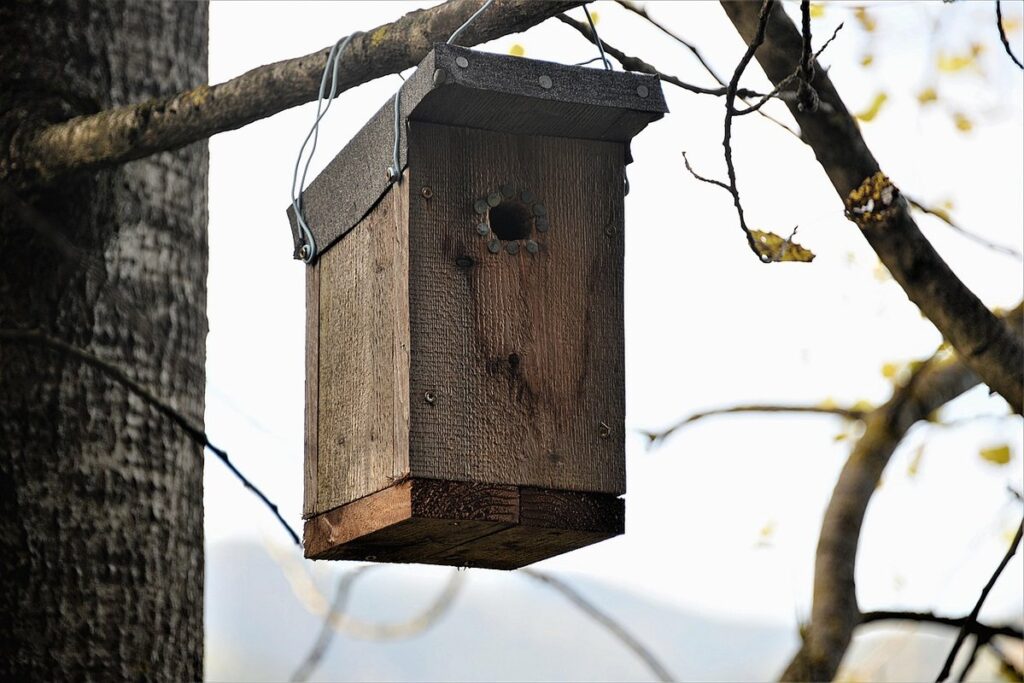
Importance of Nesting Box Curtain Privacy
When setting up nesting boxes, it’s essential to consider the privacy needs of your birds. Let’s explore why nesting box curtain privacy is crucial for a safe and thriving environment.
Providing a Safe Haven for Birds
When it comes to creating a safe haven for birds within their nesting boxes, providing them with a sense of security and privacy is crucial. Birdhouse curtains play a vital role in achieving this by shielding the nest from predators and human intrusion.
Birds are constantly on high alert, especially during breeding season, and a sudden presence can cause immense stress. By installing birdhouse curtains, you’re giving them a much-needed respite from potential threats. Imagine a pair of robins building their nest; they’ll be more focused on laying eggs and incubating them without worrying about snakes or cats lurking around.
Curtains not only offer protection but also provide birds with the peace of mind to focus on their reproductive activities. A study by the Cornell Lab of Ornithology found that nesting box design and placement can significantly impact bird breeding success, with a secure enclosure being one of the key factors. When choosing curtains for your birdhouse, opt for lightweight yet durable materials like cotton or mesh screens that allow airflow while keeping unwanted visitors out.
Benefits of Reducing Stress on Birds
When birds are exposed to humans or other animals on a regular basis, it can cause them significant stress. This excessive exposure can disrupt their natural behaviors and affect their reproductive cycles. Imagine having a constant stream of visitors at home; you’d feel anxious and stressed out too! Birds are no different.
Research has shown that the presence of predators, such as cats or other birds of prey, near nesting sites can lead to a significant decrease in breeding success. The constant stress causes birds to become more vigilant, spending less time on essential activities like foraging and mate selection. This, in turn, affects their reproductive cycles, making it harder for them to successfully raise their young.
To mitigate this issue, providing a safe and private space for birds is crucial. By installing nesting box curtains, you can create a buffer zone between the birds and potential stressors. Not only will this reduce stress levels but also promote a healthier environment for the birds to thrive in.
The Role of Nesting Box Curtain Materials in Privacy
When it comes to maintaining privacy in birdhouses while ensuring airflow, the type of material used for nesting box curtains plays a crucial role. You may be wondering which materials are most effective.
Mesh and netting are popular choices for nesting box curtains due to their ability to allow air circulation while keeping predators at bay. These materials provide excellent visibility for monitoring chick development without compromising on privacy. For example, using a 1/4-inch mesh allows for adequate airflow while preventing larger birds from entering the nest.
On the other hand, plastic curtains can also be effective but may not offer the same level of airflow as mesh or netting. However, they provide better UV protection and can be more durable in harsh weather conditions. When choosing a material, consider factors such as climate, bird species, and personal preference.
In addition to these considerations, it’s essential to ensure that any curtain material allows for easy cleaning and maintenance. Regular cleaning will help prevent the buildup of debris and disease-causing organisms.
Types of Nesting Box Curtains for Different Needs
When selecting nesting box curtains, it’s essential to consider your specific needs and circumstances. This section explores the various types of curtains available for different situations and birdhouse requirements.
Mesh Curtains: A Balance Between Privacy and Airflow
Mesh curtains are a popular choice for nesting box owners who want to balance privacy with airflow. These lightweight, semi-transparent materials allow birds to see and feel the outdoors while keeping predators at bay. One of the key benefits of mesh curtains is their ability to provide excellent ventilation, which is essential for maintaining a healthy environment within the birdhouse.
When choosing mesh curtains, consider the mesh size and material. A larger mesh size will allow more airflow but may compromise on privacy. On the other hand, a smaller mesh size will offer better protection from predators but may reduce airflow. It’s also essential to choose a durable and weather-resistant material that can withstand various environmental conditions.
To install mesh curtains effectively, place them at an angle to ensure they don’t touch the birdhouse walls or roof. This will prevent water from accumulating on the curtain and causing damage. By balancing airflow with privacy, mesh curtains provide a suitable solution for nesting box owners who want to create a safe and comfortable environment for their birds.
Netting Curtains: Suitable for Small or Unusual Nesting Boxes
Netting curtains are an excellent choice for small or unusually shaped nesting boxes. These types of curtains allow air to circulate freely while maintaining the birds’ sense of security and seclusion. Unlike solid panels, netting curtains provide a transparent barrier that lets in natural light and keeps predators out.
One of the key benefits of using netting curtains is their ability to accommodate unique nesting box designs. For instance, if you have a nesting box with a curved roof or an irregular shape, netting curtains can be easily custom-made to fit snugly around the edges. This ensures that birds feel secure and protected from outside threats.
When choosing netting curtains for your small or unusual nesting boxes, consider using a mesh size of 1-2 inches (2.5-5 cm). This provides sufficient airflow while keeping predators like snakes and rats out. Make sure to attach the netting curtains securely with screws or clips to prevent them from sagging or blowing away in windy conditions.
DIY vs. Purchased Nesting Box Curtains
When it comes to choosing nesting box curtains, one decision you’ll need to make is whether to go DIY or purchase pre-made ones. Both options have their advantages and disadvantages, which we’ll explore below.
Making your own curtain can be a cost-effective option, especially if you’re crafty with materials like netting or mesh. You can choose the exact dimensions you need, ensuring a snug fit in your nesting box. However, this approach requires time and effort to design, cut, and install the curtains. Additionally, if you’re new to DIY projects, the process may be more frustrating than rewarding.
On the other hand, purchasing pre-made curtain sets often comes with ease of installation, as they usually come with simple hanging mechanisms. Many brands offer a variety of materials, including durable fabrics that provide excellent protection from the elements. However, this option can be pricey, especially if you have multiple nesting boxes to equip.
Consider the following before making your decision: do you have experience with DIY projects? Are you willing to invest time in crafting custom curtains? Or would you prefer a hassle-free solution and budget accordingly?
Ultimately, weigh your needs against your resources – whether it’s time, money, or expertise. This will help you decide which option is best for you and your feathered friends.
Installing and Maintaining Nesting Box Curtains
To ensure your nesting box curtains remain effective, it’s crucial to install them correctly and maintain them regularly. In this section, we’ll cover these essential steps in detail.
Choosing the Right Size and Fitting Your Curtains
When it comes to installing nesting box curtains, one of the most critical factors is ensuring they fit properly. A well-fitted curtain can provide optimal privacy for birds without obstructing their access to the nesting box.
To start, measure the nesting box carefully, taking note of its width and depth. Consider any obstructions, such as the entrance hole or any internal features like perches or dividers. This will help you determine the ideal size for your curtain.
When selecting a curtain, choose one that is slightly larger than the measurements taken to allow for ease of installation and adjustment. Avoid curtains that are too tight, as they may restrict bird movement. A general rule of thumb is to choose a curtain with a drop of at least 6-8 inches below the nesting box floor.
Keep in mind that some manufacturers offer customizable sizes or adjustable panels, which can be particularly useful for irregularly shaped boxes. Always check the product description and manufacturer’s guidelines before making a final selection. By choosing the right size and ensuring proper fit, you’ll be able to provide your birds with the comfort and security they need.
Hanging and Securing Your Curtain Effectively
Hanging and securing nesting box curtains effectively is crucial for maintaining stability and easy access to the birdhouse. A stable curtain will not only provide adequate privacy but also prevent accidental falls that could harm the birds. Start by choosing a sturdy rod or cord specifically designed for outdoor use, preferably made from weather-resistant materials such as metal, nylon, or UV-stabilized polyester.
Consider using a tension-mounted rod for easy installation and adjustment. This type of rod is ideal for small birdhouses and allows for effortless movement when cleaning the nesting box. Alternatively, you can opt for a screw-mounted rod that provides additional support and stability. For larger birdhouses, a sturdy cord system with a pulley mechanism can be an excellent choice.
When securing the curtain, ensure it’s tightly attached to prevent sagging or billowing in windy conditions. Regularly inspect the hanging mechanism to guarantee smooth operation and easy access for cleaning.
Maintenance Tips for Long-Lasting Curtains
Maintaining your nesting box curtains is crucial to ensure they remain effective in providing privacy for your feathered friends. Over time, these curtains can accumulate dust, dirt, and debris that may compromise their functionality. To keep them in top condition, it’s essential to clean them regularly.
Start by gently removing the curtains from the nesting box using a soft-bristled brush or a cloth. For more stubborn stains or buildup, mix a solution of mild soap and warm water, and use a clean cloth to wipe down the curtain material. Be sure to rinse thoroughly with clean water to prevent any harsh chemicals from affecting the bird’s health.
If your curtains are torn or damaged beyond repair, it may be time for replacement. Look for durable materials that can withstand the elements and frequent cleaning. Consider replacing the rod system as well if it shows signs of wear. Regular maintenance will extend the life of your nesting box curtains and ensure they remain a vital part of providing a safe haven for your birds.
In some cases, it might be necessary to replace the entire curtain set due to excessive damage or wear. When this happens, inspect the rod system as well and consider upgrading to a more durable material for long-term use.
Challenges and Troubleshooting with Nesting Box Curtain Installation
You might encounter some common issues when installing nesting box curtains, such as fitting problems or difficulties with securing them in place. Let’s troubleshoot these challenges together.
Common Issues and Solutions
When installing nesting box curtains, it’s not uncommon to encounter issues that can compromise their effectiveness. One common problem is uneven hanging, which can leave gaps between the curtain and the birdhouse, undermining the privacy provided by the curtain.
To avoid this issue, make sure to measure the birdhouse carefully before cutting the curtain material. Consider using a level to ensure the curtain is hung straight and even. It’s also essential to choose a curtain material that provides adequate coverage without being too bulky or obstructing the birds’ view.
Another common problem is inadequate material choice. Using curtains that are not specifically designed for nesting boxes can lead to poor performance, such as light leakage or excessive wind resistance. Opt for materials like mesh or blackout fabric, which provide excellent visibility while maintaining privacy. You can also consider using a waterproof coating on the curtain material to prevent moisture buildup and maintain its effectiveness over time.
Tips for Ensuring Proper Airflow and Ventilation
Maintaining proper airflow within the nesting box is crucial to prevent moisture buildup and ensure a healthy environment for your feathered friends. A lack of ventilation can lead to condensation, which can seep into the nesting box and cause issues such as fungal growth and bacterial contamination.
To avoid this, make sure that any curtain installed around the nesting box has enough gaps or mesh panels to allow for adequate airflow. Aim for at least 1-2 inches (2.5-5 cm) of space between the curtain and the nesting box walls. This will not only prevent moisture buildup but also allow fresh air to circulate and exchange stale air.
Consider installing a mesh panel with openings of about 1/4 inch (6 mm) for optimal airflow. This size allows for sufficient ventilation without compromising on privacy. Regularly inspect your nesting box curtains to ensure that they are still allowing for proper airflow, and make adjustments as needed to maintain an optimal environment for the birds.
By following these simple guidelines, you can help prevent moisture-related issues and create a healthy environment within the nesting box.
Adjustments After Initial Installation
After installing nesting box curtains, it’s not uncommon for homeowners to notice that they may not be providing the desired level of privacy. This can be due to various factors such as improper installation, inadequate curtain choice, or changes in bird behavior.
One common issue is birds finding ways to access the box through gaps or openings between the curtain and the nesting box itself. To mitigate this, ensure a snug fit by adjusting the curtain’s tension or repositioning it slightly. You can also try adding a small piece of mesh or screen material to cover any remaining gaps.
Another consideration is sunlight and heat gain during warmer months. If you live in an area with intense sun exposure, consider installing UV-blocking curtains or shades to prevent excessive heating inside the nesting box. Additionally, observe your bird’s behavior and adjust the curtain accordingly – if they’re consistently finding ways to access the box despite the curtains being closed, it may be time to reevaluate the design of your nesting box setup.
Keep in mind that nesting box curtains are not a one-size-fits-all solution; be prepared to make adjustments as needed based on your specific environment and bird species.
Nesting Box Curtain Options for Special Considerations
Some bird owners have special needs when it comes to nesting box curtains, such as larger birds that require more room or smaller boxes where visibility is crucial. This section explores those unique considerations and solutions.
Inclusion of Window Perches or Perches Without Curtains
Including window perches in nesting boxes with curtains can greatly enhance birdwatching experiences while maintaining the birds’ natural behaviors. When designed correctly, these perches allow observers to observe the birds without disrupting their daily activities. This is particularly beneficial for enthusiasts who want to study and appreciate the birds’ behavior without interfering.
To minimize disruption, it’s essential to position the perch in a way that allows the birds to feel secure while still allowing observers a clear view of the nesting box. One approach is to place the perch on the opposite side of the nesting box from the entrance, providing a clear view without creating a sense of vulnerability for the birds.
When choosing perches without curtains, consider using sturdy and weather-resistant materials to ensure they can withstand outdoor conditions. Some birders prefer perches with a slight incline or curve, allowing them to easily observe the birds without obstructing their vision.
By incorporating thoughtful design elements, you can create an engaging birdwatching experience while preserving the privacy of the nesting box’s inhabitants.
Alternatives for Small Spaces or Different Design Requirements
When it comes to unique nesting box designs or small spaces, you may need to think outside the box – literally. For instance, tension rods can be an excellent solution for smaller nesting boxes where traditional curtain systems won’t fit. Simply install the rod between the nesting box’s walls and attach the curtains to them. This will create a more compact yet functional space.
Another innovative approach is using retractable curtains that can easily slide in and out of the way when needed. These types of curtains are often spring-loaded, allowing for effortless operation with just a touch. This design flexibility comes in handy for nesting boxes with limited clearance or those that require easy access for cleaning or maintenance.
For truly compact spaces, some birders have opted for magnetic curtain attachments. By leveraging the magnetic force, these solutions secure the curtains without taking up valuable space.
Energy Efficiency Considerations
When choosing a nesting box curtain option, energy efficiency is a crucial consideration to ensure the comfort and well-being of your feathered friends. Birds need a stable temperature range to nest successfully, and an inefficient curtain can disrupt this balance.
Look for curtains made from breathable materials like cotton or mesh that allow air circulation while maintaining privacy. These materials also help regulate temperature extremes, keeping the nesting box cool in summer and warm in winter. For instance, a mesh curtain with 1-2 mm openings allows insects to pass through while keeping larger pests out.
Consider the R-value of your curtains as well. A higher R-value indicates better insulation, which is essential for maintaining a stable temperature range. However, be mindful that high-R curtains may not allow sufficient airflow, potentially leading to moisture buildup and fungal growth.
It’s also essential to choose a curtain with a suitable weight or thickness. Lightweight curtains might not block out drafts or harsh sunlight, while overly thick ones can trap heat and humidity. Opt for a balance between functionality and aesthetics to ensure the comfort of your birds while maintaining their natural habits.
Conclusion and Final Tips for Effective Nesting Box Curtain Installation
Now that you’ve learned how to choose and install nesting box curtains, let’s summarize key takeaways and provide some final tips for a successful installation.
Recap of Key Points
In conclusion to our exploration of nesting box curtains and their significance in maintaining bird privacy, let’s recap the key takeaways.
We’ve discussed the importance of providing birds with a secure and private space for breeding and raising their young. The installation of a nesting box curtain plays a crucial role in this, as it helps protect the birds from external threats, such as predators, harsh weather conditions, and human disturbance.
Key considerations when choosing the right nesting box curtain include its material, design, and placement within the birdhouse. A well-designed curtain can help to maintain a stable internal temperature, reduce noise levels, and even aid in the regulation of humidity levels inside the box.
Ultimately, installing a nesting box curtain is not just about aesthetics; it’s an essential aspect of creating a safe and welcoming environment for our feathered friends. By incorporating these practical tips into your birdhouse design, you’ll be contributing to the well-being and success of local bird populations.
Best Practices for Future Reference
When it comes to nesting box curtain installation, there are several best practices to keep in mind for future reference. Choosing the right materials is crucial for ensuring proper ventilation and visibility for both birds and birders alike. Opt for breathable fabrics like cotton or mesh screens that allow for airflow while maintaining concealment.
For hanging techniques, ensure the curtains are at least 6-8 inches above the nesting box entrance to prevent overhang and encourage easy access. Consider using hooks or screws with a durable finish to withstand outdoor conditions. Regular maintenance is also vital; inspect the curtains every few months for signs of wear or damage.
Remember to adjust the curtains seasonally, taking into account changes in sunlight exposure and precipitation patterns. This will help maintain optimal visibility and bird comfort levels. Additionally, store excess materials and hardware safely to prevent loss or damage. By following these guidelines, you’ll be well-equipped to handle any future maintenance tasks, ensuring your nesting box curtain installation remains effective for years to come.
Frequently Asked Questions
Can I use any type of curtain material for nesting box curtains, or are there specific requirements?
When choosing a material for your nesting box curtains, it’s essential to consider the birds’ needs for ventilation and security. Opt for breathable materials like mesh or netting to ensure airflow while keeping predators out. Avoid heavy or dense fabrics that may trap heat or obstruct air movement.
How often should I clean my nesting box curtains?
Regular cleaning is crucial to maintain your nesting box curtains’ effectiveness. Clean them every 1-2 months, depending on usage and environmental conditions. Use mild soap and water, ensuring the curtains are completely dry before re-hanging. This will prevent bacterial growth and ensure proper airflow.
What’s the ideal size for my nesting box curtains?
The size of your nesting box curtains should match the dimensions of your birdhouse. Typically, they should be slightly larger than the entrance hole to provide adequate coverage without obstructing it. Measure carefully or consult with a professional if unsure about sizing your curtains correctly.
Can I use netting curtains in small or unusual nesting boxes?
Netting curtains can be suitable for smaller or uniquely shaped nesting boxes. However, ensure that the mesh size is large enough not to harm birds or block air movement. For especially small spaces, consider using mesh with larger openings or consulting with a wildlife expert for advice.
How do I troubleshoot common issues with nesting box curtain installation?
If you encounter issues like sagging curtains or inadequate airflow, check for proper sizing and hanging. Ensure the curtains are securely attached and that any obstructions (like twigs or debris) have been cleared. For more complex problems, consult online resources or reach out to a professional for guidance.