
When it comes to creating a cozy home for your feathered friends, one often overlooked aspect is the perfect nesting box height from floor. Different bird species have unique requirements, and choosing the right height can make all the difference in their health and happiness. Whether you’re a seasoned bird enthusiast or just starting out, installing a nesting box that’s tailored to your birds’ needs is crucial. But with so many factors to consider – from enclosure size to accessibility – it can be daunting to get it just right.
In this article, we’ll explore the essential considerations for determining the ideal nesting box height from floor. We’ll delve into species-specific needs, provide expert tips on installation and maintenance, and offer advice on customization for optimal results. By the end of this guide, you’ll have a clear understanding of how to create a welcoming environment that promotes healthy breeding, reduces stress, and brings joy to your bird-keeping experience.
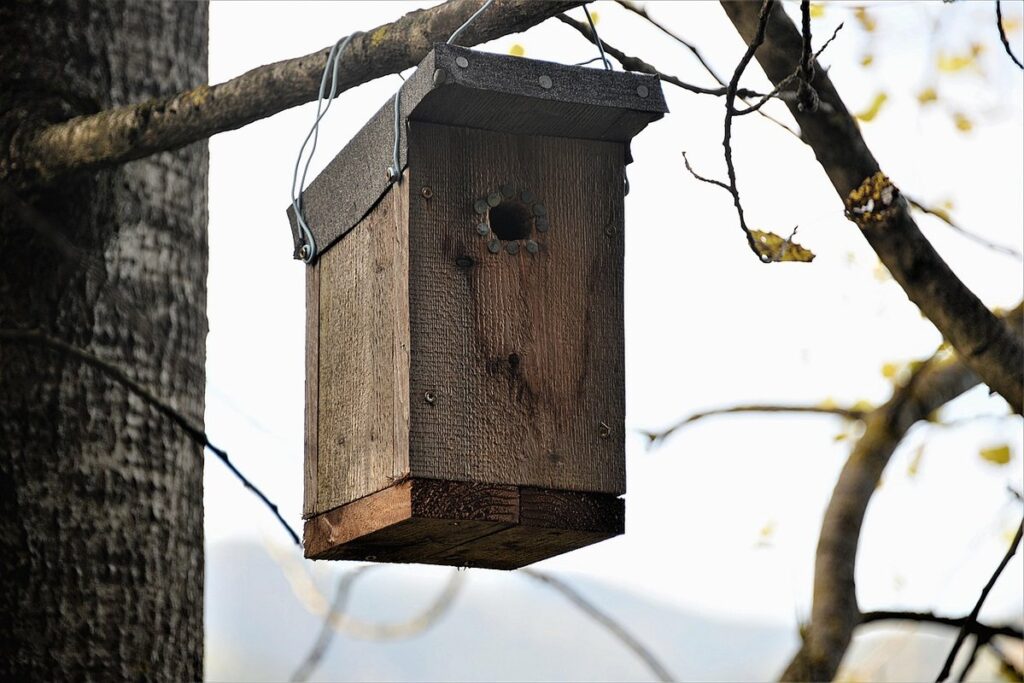
Understanding the Importance of Proper Nesting Box Height
As a bird keeper, you’re probably wondering why nesting box height from floor matters. In this section, we’ll explore the importance of getting it just right for your feathered friends’ comfort and success.
Factors to Consider When Determining Ideal Nesting Box Height
When determining the ideal nesting box height from floor, there are several factors to consider. First and foremost, you need to think about the specific bird species you’re keeping. Different birds have unique requirements when it comes to nesting box height.
For example, some birds like finches and sparrows prefer a more horizontal approach to nesting, often with boxes installed between 1-2 feet from the floor. On the other hand, larger birds such as parrots and macaws may require more vertical space, typically with boxes situated between 3-5 feet high.
Enclosure size is also a crucial consideration. Larger enclosures can accommodate taller nesting boxes, while smaller spaces may necessitate shorter ones to prevent birds from perching too far away. Additionally, think about accessibility: if you’re not able to clean the nest regularly or inspect for potential health issues, consider installing cameras or designing the box with easy-access features.
Lastly, remember that a good rule of thumb is to place nesting boxes so that the entrance hole is at least 6-8 inches off the floor, allowing birds to safely enter and exit without being vulnerable to predators.
Why Proper Height Matters for Bird Health and Happiness
When it comes to bird health and happiness, proper nesting box height plays a crucial role. Birds need a safe and comfortable place to nest, raise their young, and protect themselves from predators. If the nesting box is too low or too high, it can lead to stress, injuries, and even death.
A nesting box that’s too low can make birds vulnerable to predators, such as cats, dogs, and other wildlife. On the other hand, a nesting box that’s too high may be inaccessible for some bird species, causing them to abandon their nests or become stressed trying to reach it. By placing the nesting box at the right height, you can provide your feathered friends with a sense of security and well-being.
For example, bluebirds typically prefer nesting boxes that are between 5-10 feet off the ground, while robins prefer heights between 3-6 feet. Researching the specific needs of your bird species will help you determine the optimal height for their nesting box. By taking the time to choose the right height, you’ll be creating a haven for your birds to thrive and live happily ever after.
Nesting Box Standards and Regulations
When it comes to building or purchasing a nesting box, understanding the standards and regulations is crucial to ensure you’re meeting your birds’ needs while also complying with local laws. Let’s dive into what you need to know.
International and Local Guidelines for Nesting Boxes
When it comes to nesting boxes, compliance with national and international guidelines is crucial. These regulations not only ensure bird welfare but also protect you as a bird keeper from potential legal issues.
In the UK, for instance, The Animal Welfare Act 2006 sets minimum standards for nest boxes, including recommended heights. According to this act, nest boxes must be positioned between 1.5 and 2 meters above ground level to prevent predators from reaching them. Similarly, in Germany, the Federal Nature Conservation Act of 1998 requires that nest boxes be installed at least 2 meters off the ground.
It’s essential to familiarize yourself with local regulations, as these can vary significantly depending on your location. For example, while some countries may have specific minimum height requirements, others might not. In such cases, consulting guidelines from reputable organizations like the RSPB (Royal Society for the Protection of Birds) or your national bird-keeping association can provide valuable insights.
To ensure compliance with international and local guidelines, research and understand the regulations applicable to your region. Consider factors like climate, bird species, and predator presence when determining the optimal height for your nest boxes.
Complying with Building Codes and Permit Requirements
When installing or modifying nesting boxes, it’s essential to comply with local building codes and permit requirements. Building codes ensure that structures are safe for occupancy, while permits verify that work is done by licensed professionals. These regulations may seem restrictive, but they’re crucial for protecting both birds and people.
Before starting your project, familiarize yourself with local ordinances. Check with your city or county’s building department to determine if any permits are required. Even small modifications, like changing the height from floor or adding a new entrance, might necessitate a permit. A permit can cost anywhere from $50 to over $1,000, depending on the jurisdiction and project complexity.
If you’re unsure about specific regulations, consider consulting with a local contractor or wildlife expert who has experience working with building codes and permits in your area. They can help you navigate the process and ensure that your nesting box meets all necessary standards while maintaining optimal height from floor for the birds’ comfort and well-being.
Measuring Your Birds: Determining the Optimal Nesting Box Height
When it comes to providing your birds with the perfect nesting box, getting the height just right is crucial. This section will help you determine the optimal nesting box height for your feathered friends.
Assessing Your Bird’s Size and Weight
When assessing your bird’s size and weight, it’s essential to consider their plumage as well. Birds with thick, fluffy coats can appear larger than they actually are, while those with sleek feathers may appear smaller. To get an accurate measurement, gently brush away any loose feathers or debris from the bird’s back, shoulders, and tail.
Next, stand your bird on a flat surface and measure its length from the tip of the beak to the end of the tail. Make sure to hold the tape measure or ruler level and parallel to the ground for accurate results. For most species, this measurement will give you an idea of their overall size. However, keep in mind that some birds, like parrots and macaws, have longer tails that can add several inches to their length.
To account for weight, consider the bird’s body shape and muscle mass. Birds with more prominent muscles or a stouter build may require slightly larger nesting boxes to accommodate their bulk. Measure your bird’s circumference at its widest point – usually around the breast or belly area – to get an estimate of their overall girth. By considering both length and weight, you can make an informed decision about the ideal nesting box height for your feathered friends.
Using Measurements to Choose the Right Nesting Box Height
When it comes to choosing the right nesting box height for your birds, measurements are essential. You can’t just rely on general guidelines or assumptions – each species has its unique needs and preferences when it comes to nesting heights. To ensure you select a nesting box that meets their specific requirements, take precise measurements of your birds.
Start by measuring the height from floor to wingtip of an adult bird in your collection. For example, if you have a pair of robins, measure the length from the top of their wing to the floor when they’re perched comfortably. This will give you a baseline for determining the optimal nesting box height. Keep in mind that different species may require varying heights – some prefer higher or lower placements.
Consider factors like breeding habits and habitat preferences. For instance, cavity-nesting birds like bluebirds might prefer boxes placed 3-5 feet from the ground, while larger bird species may need taller boxes to accommodate their needs.
Choosing the Correct Nesting Box Style and Design
When it comes to choosing a nesting box, selecting the right style and design is crucial for your bird’s comfort and well-being, so let’s dive into the details.
Types of Nesting Boxes: Rectangular, Circular, and More
When it comes to choosing the right nesting box for your feathered friends, the style and design of the box are just as crucial as its height from floor. Let’s take a closer look at some popular nesting box styles that cater to different bird species.
One common type is the rectangular nesting box, which is often favored by blue tits, great tits, and coal tits. These boxes typically have a sloping roof and a narrow entrance hole, providing a cozy space for these birds to raise their young. On the other hand, circular nesting boxes are more commonly used for species like robins and sparrows, as they offer a wider entrance and a more spacious interior.
Other custom designs are available, such as nesting boxes with different angles or orientations, which can be beneficial for specific bird species that have unique nesting habits. For example, some birds prefer to nest in vertical spaces, while others prefer horizontal ones. Knowing the preferred nesting style of your target bird species will help you choose the most suitable design for your nesting box.
When selecting a nesting box, consider the size and comfort of the interior space. Some birds may prefer deeper boxes with more insulation, while others may opt for shallower boxes with easier access to the entrance hole.
Considerations for Easy Cleaning and Maintenance
When choosing a nesting box style and design, it’s essential to consider features that make cleaning and maintenance easier. A well-designed nesting box should be easy to clean and maintain, which is crucial for the health and well-being of your birds.
Look for nesting boxes with sloping roofs or removable roof sections that allow for easy access without disturbing the nest or its occupants. This design feature enables you to clean out debris, droppings, and parasites without having to dismantle the entire box.
Another important consideration is a nesting box with a front or side door that allows for simple cleaning of the interior. Some designs also incorporate removable trays or inserts that catch droppings and debris, making cleanup even more manageable.
Ultimately, easy cleaning and maintenance are critical factors in optimizing nesting box height from floor. By choosing a design that simplifies these tasks, you can ensure your birds have a safe and healthy environment to thrive in.
Installing and Maintaining Your Nesting Box: Tips and Best Practices
To ensure your nesting box is safe, clean, and attractive to birds, proper installation and maintenance are crucial steps in creating a successful bird habitat. This includes setting up the box at an ideal height from floor.
Proper Installation Techniques for Optimal Performance
When installing nesting boxes at the correct height from the floor is crucial to ensure accessibility and stability for birds. To do this correctly, consider the following installation techniques.
Ensure the nesting box is securely fastened to a nearby tree or structure using a sturdy mounting system. This will prevent it from swaying in the wind, which can deter birds from using it. Also, make sure the nesting box is at least 3-4 feet off the ground to protect it from predators and harsh weather conditions.
A good rule of thumb is to install the nesting box in an area that provides partial shade and protection from strong winds. This will create a comfortable environment for the birds to build their nests and lay eggs. When mounting the nesting box, face it east or southeast to provide warmth during winter months and coolness during summer months.
Remember to check local regulations regarding nesting box installation heights to avoid any potential issues with nearby residents or wildlife experts. By following these expert advice on proper installation techniques, you’ll be creating an optimal environment for your feathered friends to thrive.
Regular Maintenance and Cleaning Schedules
Regular maintenance and cleaning of nesting boxes are crucial for ensuring bird health and hygiene. As a responsible bird keeper, you should establish a regular schedule to inspect and clean the nesting boxes at least once every 7-10 days during breeding season.
During inspections, check for signs of parasites, such as mites, lice, or fleas, which can weaken birds and affect their ability to breed successfully. Look for droppings or debris that may accumulate in the box, as these can attract unwanted pests. Clean out any accumulated waste with a soft brush or cloth, taking care not to disturb the nesting material.
It’s also essential to check the nesting boxes’ integrity during inspections. Ensure that there are no signs of wear and tear on the wood or materials used, which could compromise the box’s structural integrity. Consider replacing wooden components every 2-3 years to maintain the box’s overall condition. Regular maintenance will ensure a healthy environment for your birds to nest safely and successfully.
Overcoming Challenges: Troubleshooting Common Issues with Nesting Box Height
Don’t let a poorly placed nesting box ruin your bird’s chances of laying eggs – this section addresses common height-related issues and their solutions. We’ll walk you through troubleshooting these problems together.
Identifying Potential Problems with Your Current Nesting Box Setup
When it comes to nesting box height from floor, getting it just right is crucial for the well-being and productivity of your feathered friends. However, a poorly chosen height can lead to a range of issues that may seem unrelated at first glance but are often interconnected.
One common problem that arises when the nesting box height is not suitable is egg-laying difficulties. If the nesting box is too high or low, it can be challenging for birds to comfortably access their eggs, leading to egg breakage, misshapen eggs, or even complete cessation of laying. For example, a study on chickens found that those housed in nests at 1-2 inches above floor level laid more eggs and had fewer fertility issues compared to those with nests at higher or lower levels.
Another issue that can arise from unsuitable nesting box height is aggressive behavior among birds. When a nest is too high or low, it can create competition for space and resources, leading to pecking order battles, feather plucking, and other stress-related behaviors. For instance, you may notice that your birds are fighting over the nesting box entrance, which can be a clear sign that the height needs adjusting.
In such cases, the first step is to observe your birds’ behavior and adjust the nest height accordingly. You might need to experiment with different heights or modify the design of the nesting box to better suit their needs. Keep in mind that every bird species has unique requirements, so research what’s best for your particular flock. By being attentive to these subtle cues and willing to make adjustments, you can create a harmonious environment where birds thrive and lay healthy eggs with ease.
Solutions for Adjusting or Replacing Your Nesting Boxes
When adjusting or replacing your nesting boxes, it’s essential to consider the height of the new box relative to the floor. A common issue arises when a replacement box is taller than the original one, causing difficulties for birds accessing the nesting site.
In such cases, you can try modifying the existing perch or adding an adjustable extension to ensure a comfortable approach. For instance, using wooden dowels or PVC pipes can provide a makeshift ramp or step for birds to climb onto. Alternatively, consider installing new perches closer to the floor, ensuring easy access for your feathered friends.
It’s also crucial to choose nesting boxes that are designed with accessibility in mind. Opt for units with sloping roofs or built-in ramps to simplify the approach. Additionally, ensure the box is installed at a safe distance from any obstacles that may hinder bird movement.
When replacing a nesting box entirely, remember to inspect and clean the area before installing the new unit. This will help prevent any potential issues related to debris accumulation or damage to nearby structures.
Additional Tips and Considerations for Advanced Bird Keepers
If you’ve been keeping birds for a while, you’re probably aware of more advanced considerations that can take your setup to the next level. This section offers expert insights on optimizing nesting box height from floor.
Maximizing Space Efficiency in Small Enclosures
When working with small enclosures, it can be challenging to balance space efficiency with proper nesting box height. However, this is crucial for bird health and well-being. Here are a few expert tips to help you optimize space usage while maintaining the ideal nesting box height.
Firstly, consider using vertical space. Installing nesting boxes at varying heights can make the most of your enclosure’s vertical dimensions. This approach not only provides more opportunities for birds to nest but also encourages them to fly and exercise, which is essential for their physical health.
When selecting a location for your nesting box, think about the bird species’ natural behavior. For instance, cavity-nesting birds like woodpeckers prefer higher perches, while ground-nesting birds like quails require boxes closer to the ground. Make sure to research your bird’s specific needs before setting up their nesting space.
Another crucial factor is the nesting box’s depth. Ensure it’s deep enough for the birds to comfortably nest and lay eggs without feeling exposed or vulnerable. A general rule of thumb is to provide a depth that allows for about 2-3 inches (5-7.6 cm) of space between the bird’s tail feathers and the box’s entrance.
By carefully considering these factors, you can successfully optimize space usage in your small enclosures while maintaining proper nesting box height.
Customization Options for Unique Species or Breeds
When it comes to optimizing nesting box height from floor for unique species or breeds, one size does not fit all. Each bird’s requirements vary depending on their natural habitat and physical characteristics. For instance, parrots and macaws are generally comfortable with higher nesting boxes, often preferring them to be placed at least 3-4 feet above the floor to simulate their forest-dwelling lifestyle.
On the other hand, smaller birds like finches or canaries thrive in lower-to-the-ground nests that mimic their grassland habitats. A good rule of thumb is to research your bird’s specific needs and adapt accordingly. Some species may require more height due to their natural nesting habits, while others might prefer a cozier, more enclosed space.
To cater to these unique requirements, consider the following customization options: installing adjustable nesting box brackets that allow you to raise or lower the nest as needed; using differently sized nests tailored to your bird’s specific needs; and incorporating features like perches or ledges that provide comfortable access points for birds of varying sizes. By understanding and accommodating the distinct preferences of your feathered friends, you can create a more harmonious and healthy environment within their nesting box.
Frequently Asked Questions
What if I have a small enclosure with limited space? Can I still install a nesting box that meets my bird’s needs?
While it may seem challenging to fit a standard-sized nesting box into a small enclosure, there are options available. Consider choosing a compact or wall-mounted nesting box design specifically tailored for smaller spaces. These designs can help maximize your birds’ comfort and well-being without sacrificing valuable space.
How do I know if my bird’s size and weight will affect the optimal nesting box height from floor?
Measuring your birds is essential in determining the ideal nesting box height from floor. Use a tape measure to record their length, width, and height to ensure you choose a nesting box that can accommodate them comfortably. This step will also help you identify any potential issues with accessibility or safety.
Can I adjust the height of an existing nesting box if it’s not meeting my bird’s needs?
Yes, in many cases, you can adjust the height of an existing nesting box by using shims, blocks, or risers to elevate it. This is a good solution for bird keepers who are unsure about their birds’ specific requirements or need to make adjustments as they mature.
How do I choose between different types of nesting boxes (rectangular, circular, etc.)?
Choosing the right nesting box type depends on your bird’s species, size, and preferences. Consider factors such as accessibility, ease of cleaning, and overall comfort when selecting a design that suits your birds’ needs. Some species may prefer a specific shape or style over others.
What are some common mistakes to avoid when installing a new nesting box?
Avoid installing a nesting box too close to walls or other obstructions, which can make it difficult for your birds to access comfortably. Also, ensure the entrance hole is at an optimal height and size for your bird’s species to prevent stress and injuries during breeding season.