
Are you an avid chicken enthusiast looking to add some unique breeds to your flock? Or perhaps you’re just starting out and want to learn about the best poultry for your backyard farm? Look no further than the New Hampshire poultry breed! This beloved bird has a rich history that dates back to the early 20th century, and its distinct characteristics make it a favorite among chicken keepers. In this article, we’ll delve into the fascinating story of the New Hampshire breed, exploring its origins, key features, and benefits. You’ll learn expert advice on breeding, raising, and showing these stunning birds, as well as get tips on how to care for them in your own backyard flock. Whether you’re a seasoned breeder or just starting out, this guide will give you the inside scoop on everything New Hampshire poultry!
History and Origins
The New Hampshire poultry breed has a rich history that spans centuries, originating from England and brought to America by early settlers. Let’s explore its fascinating story together!
The Rise of Poultry Farming in New Hampshire
Poultry farming has a rich history in New Hampshire, dating back to the early colonial era. The state’s ideal climate and fertile soil made it an attractive location for farmers to raise chickens, turkeys, and other birds. In fact, New Hampshire was one of the first states in the country to adopt poultry farming as a significant industry.
By the mid-19th century, poultry farming had become a major contributor to the state’s agricultural economy. Farmers began to specialize in raising specific breeds, such as the Narragansett Turkey and the Plymouth Rock chicken. These birds were prized for their exceptional quality and flavor, and were sought after by markets both locally and nationally.
Today, poultry farming remains an important part of New Hampshire’s agricultural heritage. Many small-scale farms throughout the state continue to raise a variety of breeds, including heritage and heirloom species. If you’re interested in raising your own poultry, consider starting with a few hardy breeds like the Rhode Island Red or the Australorp. With proper care and attention, these birds will thrive in New Hampshire’s climate and provide you with a steady supply of fresh eggs and meat.
Key Players and Influencers
The New Hampshire poultry breed has been shaped by numerous dedicated individuals and organizations over the years. One key figure is Dr. Arthur Mellen, a renowned poultry expert who played a significant role in developing the breed in the early 20th century. He worked closely with other prominent poultry breeders to establish the breed’s standards.
Another influential organization is the American Poultry Association (APA), which has been instrumental in promoting and standardizing the New Hampshire breed since its inception. The APA’s efforts have helped to solidify the breed’s reputation as a top-notch producer of high-quality eggs.
In recent years, local poultry clubs and associations have also contributed significantly to the preservation and promotion of the New Hampshire breed. These groups provide valuable resources and networking opportunities for breeders, helping to ensure the continued success of the breed.
If you’re interested in getting involved with the New Hampshire breed, consider reaching out to these organizations or seeking guidance from experienced breeders. They can offer valuable insights and advice on how to develop your own flock and contribute to the breed’s ongoing development.
Characteristics and Traits
So, what makes a New Hampshire poultry breed truly stand out? Let’s take a closer look at their key characteristics and traits that make them such a popular choice among backyard farmers.
Physical Characteristics
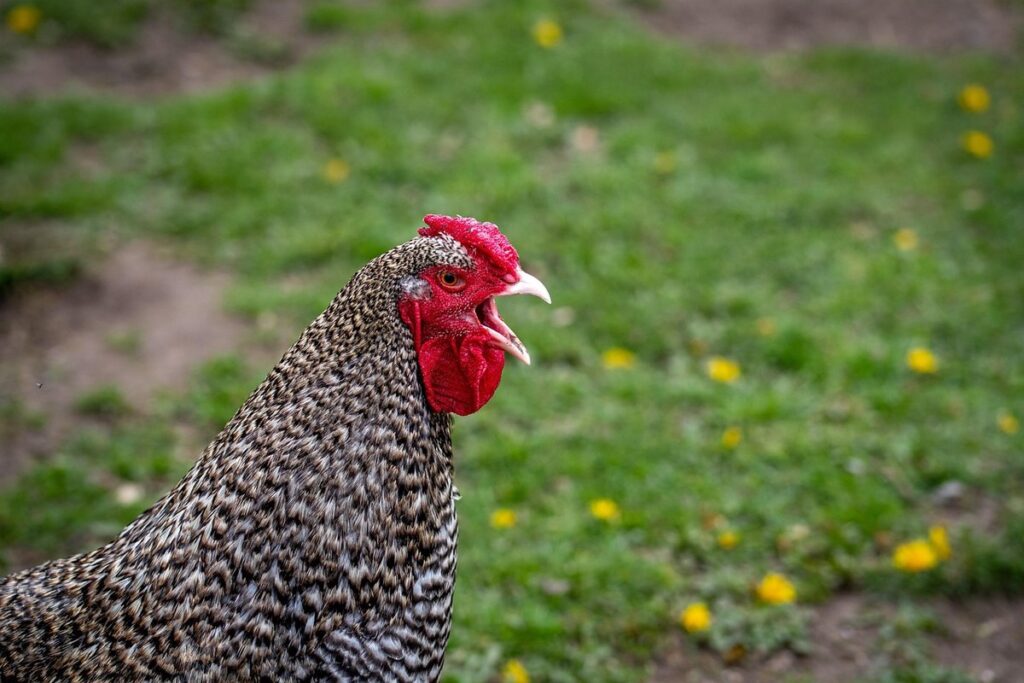
The New Hampshire poultry breed is known for its distinctive physical characteristics that set it apart from other breeds. In terms of size, New Hampshires are considered a medium-sized breed, with roosters weighing between 7-8 pounds and hens weighing around 6-7 pounds.
One of the most notable features of this breed is their plumage, which is typically a rich brown color with white stripes on their necks. Their feathers are also known for being soft and smooth to the touch. The beak shape is another distinctive feature of New Hampshires, with a curved upper mandible that gives them a unique appearance.
In addition to these physical attributes, New Hampshires are also characterized by their alert and active personalities. They have a high-energy temperament and require regular exercise to stay happy and healthy. With proper care and attention, New Hampshires can thrive in backyard flocks and make excellent additions to any poultry enthusiast’s collection. Overall, the combination of their striking physical appearance and lively personalities makes them a popular choice among breeders and owners alike.
Temperament and Behavior
The New Hampshire breed is renowned for its calm and docile nature, making it an excellent choice for backyard flocks and families with children. They are known to be friendly and social birds, often seeking human interaction and attention. Their temperament is well-suited for small farms or urban settings where space may be limited.
In terms of energy level, New Hampshire chickens are considered moderate, requiring regular exercise but not as much as some other breeds. A daily walk around the yard or access to a secure outdoor run should suffice to keep them happy and healthy.
One of the most impressive aspects of the New Hampshire breed is its adaptability to different environments. They thrive in both hot and cold climates, making them an excellent choice for farmers in various regions. With proper care and management, these birds can adjust to your specific needs and living situation.
Advantages and Benefits
Now that we’ve explored the characteristics of the New Hampshire poultry breed, let’s dive into its many advantages and benefits for backyard chicken keepers. This section highlights what makes this breed a popular choice among homesteaders.
Egg-Laying Capabilities
One of the most impressive aspects of the New Hampshire poultry breed is its exceptional egg-laying capabilities. This breed is renowned for producing an astonishing number of eggs per year, making it a top choice for backyard chicken keepers and commercial farmers alike.
On average, a healthy New Hampshire hen will lay around 200-250 large brown eggs per year, with some hens producing as many as 300 eggs in ideal conditions. This translates to an impressive daily production rate of around 5-6 eggs per hen. To put this into perspective, consider that the average egg-laying chicken breed produces around 280-300 eggs per year, but often at a much higher cost.
If you’re looking to maximize your New Hampshire hens’ egg-laying potential, make sure to provide them with a balanced diet rich in protein and calcium. Aiming for about 15% protein in their feed will help promote strong eggshell production and overall health. By following these simple tips, you can enjoy an abundance of fresh eggs from your happy and healthy New Hampshire hens.
Meat Production and Quality
When it comes to meat production and quality, the New Hampshire breed truly stands out. One of the most notable advantages of this poultry is its exceptional tenderness. Whether you’re cooking a slow-cooked roast or grilling a quick weeknight meal, the lean meat of the New Hampshire breed simply falls apart with ease.
But don’t just take our word for it – studies have shown that the New Hampshire breed has significantly lower fat content compared to other poultry breeds. This not only makes it an attractive option for health-conscious consumers but also ensures that the meat remains juicy and flavorful, even when cooked to perfection.
In terms of nutritional content, the New Hampshire breed excels. Packed with protein, vitamins, and minerals, this poultry is a staple in many households looking to incorporate more wholesome ingredients into their meals. By choosing the New Hampshire breed for your meat production needs, you can rest assured that your customers will be enjoying high-quality, nutritious meat that’s sure to become a favorite at family gatherings and restaurants alike.
The rich flavor profile of the New Hampshire breed is another major selling point. With hints of gaminess and a subtle sweetness, this poultry is perfect for cooks looking to add depth and complexity to their dishes. And with its versatile nature, it can be used in everything from hearty stews to elegant roasts – making it an essential addition to any meat production operation.
Breeding and Raising
When it comes to bringing up a new generation of New Hampshire poultry, breeding and raising them requires some knowledge and care. Let’s dive into the specifics of how to do it successfully.
Tips for Successful Breeding Programs
Breeding for success requires a well-thought-out plan and attention to detail. When it comes to the New Hampshire poultry breed, there are several strategies you can implement to improve fertility rates, reduce disease susceptibility, and increase genetic diversity.
First, let’s talk about improving fertility rates. This can be achieved by maintaining a healthy and stress-free environment for your birds. Make sure they have access to clean water, nutritious feed, and adequate space to roam. You should also consider implementing a breeding rotation program, where you rotate breeders regularly to prevent overbreeding.
Another key aspect is reducing disease susceptibility. This can be done by practicing good biosecurity measures, such as isolating new birds for 30 days before introducing them to the main flock, and keeping your farm clean and disinfected.
To increase genetic diversity, consider cross-breeding with other breeds or purchasing birds from reputable breeders who prioritize genetics. You should also keep accurate records of breeding programs to track progress and identify potential areas for improvement. By implementing these strategies, you’ll be well on your way to establishing a successful breeding program.
Essential Care and Nutrition
Caring for New Hampshire chickens requires attention to their basic needs, including nutrition, housing, health checks, and parasite control. When it comes to feeding, provide a balanced diet that includes layers pellets as the main staple, supplemented with fresh fruits and vegetables daily. Calcium-rich foods like crushed oyster shells or dark leafy greens are also essential for eggshell development.
Housing should be clean, dry, and well-ventilated to prevent ammonia buildup from droppings. A minimum of 2 square feet per bird inside the coop is recommended, with additional space for exercise in a fenced area. Regular cleaning of the coop and run will help keep your flock healthy.
Regular health checks are crucial to detect any issues early on. Check for signs of illness such as lethargy, labored breathing, or changes in appetite and droppings. Monitor for parasites like mites, lice, or fleas by inspecting the birds’ feathers and skin regularly. Use preventative measures like diatomaceous earth or pyrethrin sprays to control parasite infestations before they become severe.
Maintain a consistent vaccination schedule with your veterinarian to protect against common diseases in the flock.
Health Considerations
When raising a new Hampshire poultry breed, it’s essential to consider their specific health needs and common issues that may arise as they grow and mature. This section will guide you through what to expect.
Common Ailments and Diseases
The New Hampshire breed is generally considered to be a hardy and robust bird, but like all poultry breeds, it can still be susceptible to certain health issues. One of the most common problems faced by New Hampshire owners is Marek’s disease, a contagious condition that affects the nervous system and can lead to paralysis and death. This is often spread through contact with infected birds or contaminated feed, so it’s essential to take precautions when introducing new birds to your flock.
Other diseases that can affect New Hampshire poultry include Infectious Bronchitis and Avian Influenza, which are both highly contagious and can be life-threatening if left untreated. Regular vaccinations and a clean living environment can help prevent the spread of these conditions.
In addition to diseases, parasites such as mites and lice can also cause problems for New Hampshire birds. These external pests can lead to stress and discomfort, so it’s crucial to regularly inspect your flock for signs of infestation.
Preventative Measures and Vaccinations
When it comes to maintaining a healthy flock of New Hampshire chickens, preventative measures and vaccinations play a crucial role. One of the most effective ways to prevent disease is through good biosecurity practices. This includes isolating new birds for 30 days before introducing them to the main flock, disinfecting equipment and clothing regularly, and washing your hands thoroughly after handling your birds.
Vaccinations can also be an essential part of maintaining a healthy flock. While New Hampshire chickens are generally considered to be resistant to many diseases, certain vaccinations may still be necessary depending on your location and local disease prevalence. For example, if you live in an area with high incidence of avian influenza, vaccinating your birds against this disease may be crucial.
It’s also essential to keep a clean and well-maintained coop, including regular cleaning and disinfection of nesting boxes and perches. Providing adequate ventilation and proper nutrition can also help prevent disease. Some recommended vaccinations for New Hampshire chickens include Newcastle Disease vaccine, Infectious Bronchitis vaccine, and Avian Influenza vaccine. Consult with your veterinarian to determine the best vaccination strategy for your flock based on local conditions and health status.
Showing and Competitions
If you’re planning to show off your prized birds, we’ve got you covered – here’s what you need to know about poultry competitions in New Hampshire. From rules to regulations, get prepared!
Preparing for Show Day
Preparing for Show Day with Your New Hampshire Birds
The day of reckoning is finally here – show day! You’ve spent months preparing and training your New Hampshire birds, and now it’s time to put their skills to the test. To ensure you and your birds make a great impression, let’s talk about the essential tasks to tackle before heading out.
First things first, grooming is crucial for making a good impression at shows. Give your birds a thorough bath using a mild shampoo specifically designed for poultry. Pay attention to the feathers around their vents, wings, and tail, as these areas tend to be more prone to dirt buildup. Next, focus on tidying up any straggly or overgrown feathers. Use some high-quality oil or conditioner to give your birds’ plumage an extra sheen.
When it comes to handling and presentation, practice makes perfect. Familiarize yourself with the show rules and get comfortable with the judging process. Work on developing a calm, confident demeanor around your birds – this will go a long way in impressing judges. Make sure you have all necessary documentation, such as vaccination records and registration papers, readily available.
On show day itself, plan to arrive early to account for any unexpected delays or setup mishaps. Familiarize yourself with the show venue and schedule, so you can make the most of your time there. With these tips in mind, you’ll be well-prepared to showcase your magnificent New Hampshire birds.
Best Practices for Judging Criteria
When you’re getting ready to show your prized New Hampshire poultry at a competition, it’s essential to understand the judging criteria used by experts. The goal is not just to win an award but also to give potential buyers or enthusiasts a chance to appreciate your bird’s unique qualities.
Judges evaluate birds based on their overall appearance, which includes posture, structure, and plumage quality. Feather quality is a critical aspect of poultry showing. Cleanliness, uniformity, and sheen are all important factors in this category. Judges may also assess the bird’s weight, muscle tone, and bone density to ensure they’re within breed standards.
When preparing for a competition, pay close attention to your New Hampshire poultry’s posture. Make sure their wings are held back properly and their tail feathers are fluffed out evenly. This will not only make them appear more attractive but also give the impression of strength and vitality.
To improve your chances at winning, practice regularly with different judges and learn from their feedback. By doing so, you’ll develop a keen eye for detail and become more familiar with what makes a New Hampshire poultry truly stand out in a competition.
Frequently Asked Questions
Can I raise New Hampshire poultry in a small backyard farm with limited space?
Yes, the New Hampshire breed is adaptable to smaller spaces and can thrive in backyards with proper care and management. They require regular exercise, so consider providing a secure outdoor enclosure or area for them to roam.
What are some common health concerns that affect New Hampshire poultry, and how can I prevent them?
New Hampshire birds are generally hardy, but they can be susceptible to diseases like Newcastle disease and avian influenza. To prevent these issues, ensure your flock is vaccinated regularly, maintain good hygiene practices, and monitor their overall health closely.
How do I determine if my New Hampshire breed is suitable for egg-laying or meat production?
The New Hampshire breed excels in both areas, but their primary purpose depends on your specific needs and preferences. If you want to focus on eggs, look for birds with a stronger emphasis on egg-laying characteristics, such as larger ovaries and more prominent combs.
Can I cross-breed my New Hampshire poultry with other breeds to create new varieties?
Yes, New Hampshire chickens are known for their hybrid vigor and can be crossed with other breeds to create unique and desirable offspring. However, it’s essential to research the compatibility of different breeds and follow proper breeding practices to ensure the health and quality of your flock.
What are some essential tips for showing my New Hampshire poultry in competitions?
To increase your chances of success in shows, focus on maintaining excellent overall health, cleanliness, and nutrition for your birds. Also, study the judging criteria and prepare your birds according to those standards, paying close attention to their physical characteristics and temperament.