
Are you looking to boost your egg production at home? The New Hampshire Red chicken breed is known for its exceptional laying abilities, making them an ideal choice for backyard farmers and homesteaders. With their friendly and docile nature, it’s no wonder why many enthusiasts swear by these stunning birds.
In this article, we’ll delve into the world of New Hampshire Red chickens, exploring what makes them so remarkable when it comes to egg-laying potential. From understanding breed characteristics to discussing nutrition and health considerations, you’ll learn everything you need to know to raise healthy and productive hens. Whether you’re a seasoned farmer or just starting out, this guide will walk you through the ins and outs of raising New Hampshire Red chickens for maximum egg production.
Characteristics and History of New Hampshire Red Chickens
The New Hampshire Red chicken has a rich history that dates back to the early 20th century, shaped by its unique characteristics. Let’s take a closer look at these fascinating birds.
Origins and Development
The New Hampshire Red breed has its roots in the United States, specifically in the early 20th century. Developed by crossing various strains of chickens, including the Rhode Island Red and the Cochin, the goal was to create a hardy, dual-purpose bird that excelled both as an egg layer and meat producer.
By the 1920s, the New Hampshire Red breed had gained popularity among farmers due to its exceptional cold-hardiness, high egg production, and rich, dark-brown eggs. In fact, it’s said that one New Hampshire Red hen can lay up to 200 large brown eggs per year. Its impressive productivity made it an instant hit in backyard flocks and commercial farms alike.
The breed’s popularity can be attributed to its adaptability and robust health. With proper care, a New Hampshire Red hen can live for around 10 years or more, providing consistent egg production throughout its lifespan. As you consider bringing this breed into your own flock, keep in mind that it thrives on a balanced diet, plenty of fresh water, and adequate space to roam.
Physical Characteristics and Temperament
New Hampshire Red chickens are a popular breed known for their robust build and striking appearance. On average, hens weigh around 6-7 pounds (2.7-3.2 kg) while roosters tip the scales at 8-9 pounds (3.6-4 kg). Their size makes them well-suited for free-range or pasture-raised egg production.
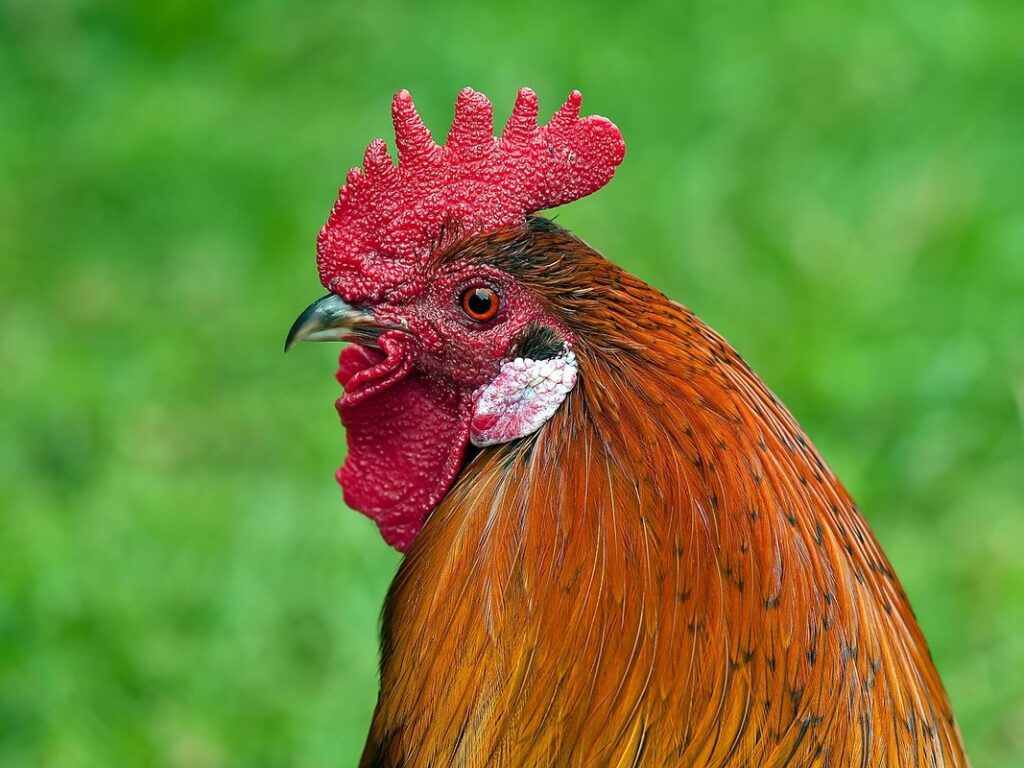
Their plumage is one of their most distinctive features, with a rich, reddish-brown coat that’s often described as being ‘fire-engine red.’ The feathers are smooth and glossy, making them a pleasure to look at. New Hampshire Reds have a medium-length beak, which is straight and proportional to the rest of their face.
In terms of temperament, these birds are known for being friendly and outgoing. They’re relatively docile and make great additions to small or large flocks, especially for beginners. However, they can be quite energetic, so it’s essential to provide them with plenty of space to roam and exercise. With proper care and management, New Hampshire Reds will reward you with a steady supply of high-quality eggs and become beloved members of your backyard flock.
Egg-Laying Potential
New Hampshire Red hens are renowned for their impressive egg-laying potential. On average, these birds can produce around 200-220 large brown eggs per year, making them an excellent choice for backyard chicken keepers and small-scale farmers alike.
In terms of daily production, you can expect a New Hampshire Red hen to lay one egg every 24-26 hours. This means that with proper management and care, a single hen can produce around 5-6 eggs per week. It’s worth noting that individual birds may vary in their productivity, but this range provides a good benchmark for what to expect.
Egg weight is also an important consideration when it comes to New Hampshire Red hens. Their eggs typically weigh around 55-60 grams, which is slightly larger than the average egg from other breeds. This means you’ll be getting more egg per bird, making them a great choice for families or households with multiple people.
To get the most out of your New Hampshire Red hens’ egg-laying potential, make sure to provide them with a balanced diet, plenty of fresh water, and adequate space to roam. With proper care and attention, these birds can reward you with an abundance of delicious, large brown eggs for years to come.
Raising New Hampshire Red Chickens for Egg Production
If you’re raising New Hampshire Reds for eggs, you’ll want to know how to care for them throughout their lives, from day-old chicks to laying hens. Proper care and management will ensure a bountiful harvest of delicious eggs.
Starting with Chicks or Pullets
When starting with New Hampshire Red chickens for egg production, you have two main options: purchasing chicks or pullets. While both methods can be successful, there are pros and cons to each that you should consider.
Starting with chicks offers a blank slate, allowing you to establish a strong foundation from the beginning. This means selecting healthy chicks, setting up proper housing, and implementing a well-planned nutrition strategy. You’ll also have more control over their early growth and development, which can lead to improved egg production in the long run. However, this approach requires a higher level of expertise and equipment, as you’ll need to provide heat, light, and specialized care for the first few weeks.
On the other hand, purchasing pullets saves time and effort upfront but may limit your control over their early development. Pullets have already begun growing feathers and are closer to maturity, reducing the risk of disease and environmental stressors. However, their egg-laying potential might be less predictable, and you’ll need to accommodate them in existing facilities.
When deciding between chicks or pullets, consider your available space, experience level, and resources. If you have a small farm or backyard flock, purchasing pullets may be the more practical choice. Larger operations with more extensive housing and feeding infrastructure can benefit from starting with chicks.
Housing and Environment
When it comes to raising New Hampshire Red chickens for egg production, providing an ideal environment is crucial for their health and productivity. Start by designing a coop that’s specifically tailored to the needs of your flock. A good rule of thumb is to provide at least 3-4 square feet of space per bird inside the coop. This will give them room to move around comfortably and reduce stress.
In addition to ample space, proper ventilation is essential. Aim for a minimum of 1 inch of window per 10 square feet of floor area to ensure good airflow. You can also install vents or windows that open automatically to regulate temperature and humidity levels. As for lighting, New Hampshire Red chickens prefer natural light, but they’ll still appreciate additional lighting during winter months when daylight hours are shorter.
To create a thriving environment, consider incorporating features like nesting boxes (about 1 per 3-4 hens), roosting bars, and easy-clean flooring. Remember to position the coop in a spot that receives partial shade and has good drainage to keep your flock healthy and happy. By paying attention to these details, you’ll be well on your way to creating an ideal environment for your New Hampshire Red chickens.
Nutrition and Health Considerations
New Hampshire Red chickens are active birds that require a balanced diet to maintain their health and egg-laying performance. As a responsible chicken keeper, it’s essential to provide them with the right nutrients at the right time. A high-quality layer feed should form the base of their diet, supplemented with fresh fruits and vegetables. For example, offering leafy greens like kale or spinach can help meet their calcium needs for strong eggshell production.
When it comes to feeding schedules, a good rule of thumb is to provide 16-18% protein feed during the breeding stage and 14-16% protein feed once they start laying eggs. You should also consider providing oyster shells as a source of extra calcium to support their reproductive health.
Common health issues to watch out for include ascites, which can be caused by poor air quality or overeating, and reproductive problems like egg binding. Regular health checks, clean living conditions, and a well-balanced diet can help prevent these issues from arising.
Caring for New Hampshire Red Hens in Different Life Stages
Whether you’re raising chicks, teenagers, or mature hens, each stage of your New Hampshire Red’s life requires unique care and attention to ensure they thrive and continue producing high-quality eggs. Let’s dive into their specific needs at different life stages.
Broody Behavior and Egg Production
As a New Hampshire Red hen owner, you may have encountered broodiness at some point. This natural behavior is characterized by a hen’s intense desire to incubate eggs and care for chicks. While it can be endearing, broodiness can negatively impact egg production and even lead to health issues if not managed properly.
When a New Hampshire Red hen goes broody, she may stop laying eggs or produce significantly fewer eggs than usual. This is because her body’s priority shifts from producing eggs to nurturing potential chicks. In fact, studies have shown that broody hens can reduce egg production by up to 50% during their incubation period.
To manage broodiness in your New Hampshire Red hens, it’s essential to recognize the signs early on. These include excessive scratching, nesting behavior, and a general decrease in egg production. To encourage egg laying again, you can try separating the broody hen from her flock or using a “dummy” egg to distract her from her incubation instincts. Another approach is to provide plenty of light in your coop, as darkness can trigger broodiness in some hens.
Molting and Rest Periods
Molting and rest periods are essential aspects of New Hampshire Red hens’ lives, especially when it comes to egg production. As these birds age, they typically go through a molting process that affects their ability to lay eggs.
During molting, the hen’s body focuses on growing new feathers, and this can last anywhere from 2-8 weeks, depending on factors such as nutrition, health, and genetics. It’s normal for hens to stop laying eggs during this phase, but it doesn’t mean they’re not still producing some eggs. In fact, studies have shown that even though a hen may be molting, she can still produce around 20-30% of her regular egg production.
To maintain productivity during molting, ensure your hens receive adequate nutrition through high-quality feed, particularly protein-rich foods to promote healthy feather growth. Provide them with calcium supplements to strengthen their bones and support the new feathers. Also, provide a dust bath area for your hens to help loosen and remove dead skin cells naturally.
By following these tips, you can minimize the impact of molting on egg production in your New Hampshire Red flock.
Aging Hens: When to Expect Decreased Egg Production
As your New Hampshire Red hens mature and reach their mid-to-late years, you can expect to see a natural decline in egg production. Typically, this decrease begins around the age of 3-4 years, with most hens continuing to lay eggs until they’re about 5-6 years old.
Keep an eye out for signs that your hens are aging, such as changes in plumage, slower movement, or a decrease in egg size and quality. These can be subtle indicators, but they signal the start of a gradual decline in egg production.
Don’t worry – you’re not alone! Many backyard chicken keepers experience this phase with their beloved hens. To manage older hens effectively:
* Consider adding calcium supplements to their diet to support bone health
* Provide extra protein sources to maintain muscle mass and overall health
* Give them a safe, sheltered place to roam, reducing stress and protecting from predators
By paying attention to these age-related changes and adapting your care accordingly, you can help your aging hens stay healthy and content in their golden years.
Tips for Maximizing New Hampshire Red Egg Production
To get the most out of your New Hampshire Reds, make sure to provide them with optimal living conditions and nutritious feed that promotes healthy egg-laying. Proper care can boost their productivity significantly.
Breeding and Selection Strategies
When it comes to maximizing New Hampshire Red egg production, understanding the importance of genetics is crucial. Breeders should focus on selecting chickens with a strong reproductive history and high fertility rates. This can be achieved by choosing parents that are consistently laying large numbers of eggs throughout their breeding cycle.
Nutrition also plays a vital role in determining egg-laying performance. Ensure your birds have access to a balanced diet rich in calcium, protein, and other essential nutrients. A well-planned nutrition program will not only support healthy growth but also maximize the number of eggs laid.
Management factors such as proper ventilation, adequate space, and optimal temperature can also impact egg production. Maintaining clean living conditions and providing regular veterinary care is also essential for promoting overall health and fertility.
Flock Dynamics and Socialization
Creating a harmonious flock is crucial for maximizing New Hampshire Red egg production. Socialization plays a significant role in reducing stress and aggression among hens, which can directly impact their egg-laying abilities. To establish a cohesive flock, introduce new birds gradually, allowing them to become familiar with the existing pecking order.
Aim to add new hens during a period of low stress, such as after a successful molt or when the flock is not under pressure to produce eggs intensively. Ensure that each hen has enough space and resources, including adequate nesting boxes and feeding areas. By providing these basic needs, you’ll minimize competition and territorial behavior.
In terms of social dynamics, be aware of your rooster’s influence on the hens. If the rooster is aggressive or dominant, it may suppress egg production among certain hens. Monitor their behavior closely, separating any birds that exhibit significant stress or aggression towards each other.
Common Issues and Solutions for New Hampshire Red Chicken Owners
As a new owner of New Hampshire Red chickens, you may encounter some common issues that can be easily resolved. Let’s tackle these problems together to ensure a healthy and thriving flock.
Health Issues and Treatment Options
As a New Hampshire Red chicken owner, it’s essential to be aware of common health issues that can affect your flock. Respiratory problems are one of the most prevalent issues, often caused by dust, ammonia fumes from litter, or viruses like avian influenza. Symptoms include labored breathing, coughing, and wheezing. Treatment typically involves providing a clean environment with adequate ventilation, removing affected birds to prevent transmission, and administering antibiotics as prescribed by a veterinarian.
Another common issue is mites, external parasites that feed on your chickens’ blood, causing anemia and stress. Signs of infestation include excessive scratching, fluffing, or dust-bathing. To get rid of mites, use a powder or spray containing diatomaceous earth or pyrethrin, applying it according to the product’s instructions.
Internal parasites like worms can also affect your flock, leading to weight loss, lethargy, and decreased egg production. Regular deworming is crucial, with most veterinarians recommending a combination of medications and lifestyle changes, such as providing fresh water and a balanced diet.
Management Challenges and Solutions
As a new New Hampshire Red chicken owner, you’re likely to encounter some common management challenges that can impact the health and productivity of your flock. One of the most significant issues is coop maintenance. A clean and well-maintained coop is essential for preventing disease and parasites from spreading among your chickens. Make it a habit to check the coop daily for signs of wear and tear, and set aside time each week to deep clean and disinfect the entire area.
Another challenge you may face is predator control. New Hampshire Red chickens are susceptible to predators like foxes, coyotes, and hawks, which can attack your flock at any moment. To mitigate this risk, consider investing in a sturdy coop with secure locking mechanisms and electrified fencing around the perimeter of your property. You should also keep a close eye on your flock during daylight hours and invest in noise-making devices to scare away potential predators.
Time management is another critical aspect of managing your New Hampshire Red chickens. With their high egg-laying capacity, you’ll need to ensure that you have enough time to collect eggs daily, provide fresh food and water, and perform regular health checks on your flock. To stay organized, create a schedule or routine that works for you and stick to it as much as possible. By doing so, you’ll be able to enjoy the many benefits of owning New Hampshire Red chickens while minimizing stress and maintaining a healthy and happy flock.
Conclusion: Raising Healthy and Productive New Hampshire Red Chickens
Now that you’ve learned how to raise New Hampshire Reds, let’s summarize the key takeaways for raising healthy and productive hens. Reviewing our advice on breeding, feeding, and health care is essential for success.
Recap of Key Takeaways
Raising healthy and productive New Hampshire Red chickens for egg production requires careful attention to their nutrition, health, and living conditions. Let’s recap some key takeaways from this comprehensive guide.
Firstly, it’s essential to provide your flock with a balanced diet that meets their nutritional needs. This includes a high-quality layer feed as the main staple, supplemented with fresh fruits and vegetables daily. A good example is offering leafy greens like kale or spinach, which are rich in calcium for strong eggshell production.
Another crucial aspect of raising healthy New Hampshire Red chickens is maintaining optimal health. Regular vaccinations and parasite control measures should be implemented to prevent diseases from spreading within the flock. Keep an eye out for any signs of stress or illness, such as changes in appetite or behavior, and address them promptly with veterinary care if necessary.
In terms of living conditions, ensure your coop provides adequate ventilation, lighting, and space for your chickens to move around comfortably. Aim for at least 4-5 square feet per bird inside the coop, and consider adding a run or enclosed area where they can exercise outdoors. This will not only promote overall well-being but also boost egg production.
Lastly, it’s vital to recognize the importance of genetics in breeding successful layers. If you’re planning to hatch your own chicks or purchase new birds for your flock, research reputable breeders who specialize in New Hampshire Red chickens known for their high egg-laying capacity.
By following these guidelines and implementing the strategies outlined in this guide, you’ll be well on your way to raising a thriving and productive flock of New Hampshire Red chickens that will provide you with an abundance of fresh eggs for years to come.
Frequently Asked Questions
What’s the ideal flock size for maximizing New Hampshire Red egg production?
A well-managed flock of around 10-15 hens is often considered optimal, allowing for socialization and stress reduction while also promoting efficient resource allocation.
Can I raise New Hampshire Reds in a small backyard or urban setting with minimal space?
Yes. These birds are adaptable to smaller spaces, making them an excellent choice for urban homesteaders. Ensure adequate shelter, nutrition, and exercise to promote overall health and productivity.
How often should I collect eggs from my New Hampshire Red hens, especially during the molting period?
Collect eggs daily or every other day to prevent breakage and maintain egg cleanliness. During molting periods (around 2-3 months), reduce collection frequency if necessary to minimize stress on the birds.
Are New Hampshire Reds prone to specific health issues that I should be aware of?
Yes. As with any breed, keep an eye out for common issues like mites, lice, and respiratory infections. Regularly inspect your flock’s living conditions, provide adequate ventilation, and maintain a balanced diet to prevent these problems.
At what age can I expect New Hampshire Red hens to reach their full egg-laying potential?
Typically, 18-24 months of age is when most New Hampshire Reds will reach peak production. However, individual birds may vary, so monitor your flock’s performance and adjust management strategies accordingly.