
Are you tired of being woken up by your rooster’s early morning crowing? Do you dream of enjoying a peaceful backyard oasis, free from excessive noise pollution? You’re not alone! Many backyard chicken keepers struggle with noisy roosters, but there are solutions to help reduce the disturbance. In this article, we’ll explore expert tips on noise-reducing techniques, training methods, and DIY projects designed specifically for noisy roosters. From sound-dampening materials to behavioral modification strategies, we’ll cover it all. Whether you’re a seasoned chicken keeper or just starting out, our goal is to provide actionable advice that will help you create a more serene outdoor space. So, if you’re ready to tame your rooster’s loud voice and enjoy the tranquility of your backyard, let’s dive in!
Understanding the Problem
The first step to taming a noisy rooster is understanding why it’s making so much racket, and that starts by identifying the source of the problem in your yard.
Why Do Roosters Make So Much Noise?
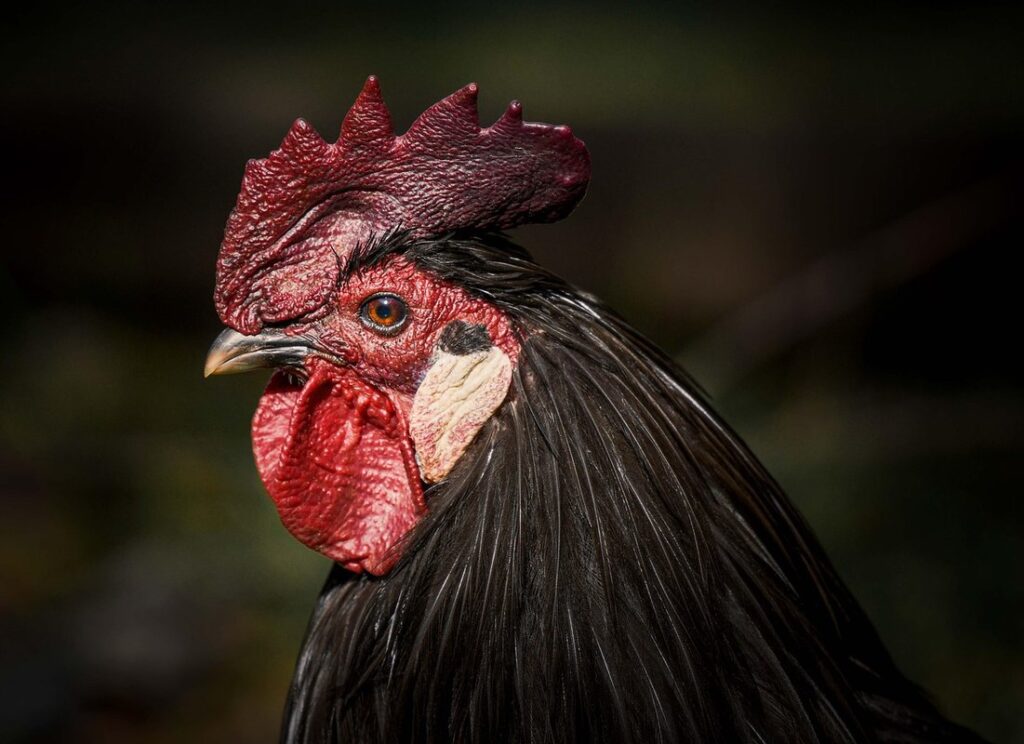
Roosters are known for their loud crowing, which can be a source of frustration for many backyard chicken keepers. But why do roosters make so much noise? It’s not just about attention-seeking behavior; there are several reasons behind this natural behavior.
Firstly, roosters crow as an alarm call to alert other birds and even humans to potential threats or changes in the environment. This is a vital function for their survival, ensuring that they stay safe from predators. For instance, if a hawk is spotted nearby, a rooster will sound its loud warning cry to warn the flock.
However, this natural behavior can be triggered by various factors beyond just threats. Stress and anxiety caused by changes in environment, social hierarchy issues, or even health problems can lead to increased crowing. Moreover, some breeds are naturally more vocal than others, making them more prone to excessive noise.
To address noisy rooster issues, understanding the underlying causes is essential. By identifying stress factors, providing a suitable living space, and ensuring a balanced flock dynamic, you can help reduce your rooster’s noise levels.
Impact on Homeowners and Neighbors
Living with a noisy rooster can be more than just a nuisance – it can significantly impact daily life, relationships with neighbors, and even property values. Imagine waking up every morning to the loud crowing of a rooster at 4 am, only to find that you’re not alone in your frustration. Your neighbors may feel just as annoyed, leading to strained relationships and potential disputes.
According to a survey, 60% of homeowners with noisy roosters reported feeling stressed or anxious due to the constant noise. This can lead to decreased quality of life, making it difficult to enjoy one’s own property. In extreme cases, excessive rooster noise can even affect property values, as potential buyers may be deterred by the disturbance.
If you’re living with a noisy rooster, consider taking steps to address the issue. Start by talking to your neighbor and explaining the impact their rooster is having on your daily life. It’s essential to approach the conversation calmly and respectfully, as finding a solution that works for everyone involved can be challenging but ultimately beneficial.
Identifying the Source of the Problem
Let’s get down to business and figure out why your rooster is making so much noise. To quiet your yard, you need to start by identifying what’s causing the disturbance.
Rooster Age and Health Factors
As you navigate the challenges of a noisy rooster, it’s essential to consider whether age and health issues are contributing to the problem. Roosters, like all animals, can experience declining physical and mental health as they mature, leading to increased vocalizations. A healthy young rooster typically makes about 30-50 sounds per hour, but an aging or ailing bird may increase this number significantly.
Some common signs of illness in roosters include excessive panting, lethargy, and changes in appetite. If you notice any of these symptoms, it’s crucial to consult with a veterinarian experienced in caring for poultry. Similarly, as roosters age, their vocalizations can become more frequent and loud due to declining hearing or cognitive abilities.
In addition to signs of illness, you should also monitor your rooster’s overall health by keeping an eye on his living conditions, nutrition, and access to fresh water and sunlight. Regular veterinary check-ups and a balanced diet can go a long way in maintaining your rooster’s physical and mental well-being.
Environment and Stress Triggers
When it comes to noisy roosters, environmental factors often play a significant role in triggering loud crowing. One common culprit is overcrowding. When roosters are packed too tightly into a small space, they can become stressed and vocal about their discomfort. To alleviate this issue, consider separating your flock or providing additional space for them to roam.
Changes in routine can also cause roosters to crow loudly. If you’re not providing regular feeding times, exercise opportunities, or enough attention, your rooster may feel anxious and express itself through loud crowing. Try establishing a consistent daily schedule for your birds, including set mealtimes and playtime.
Additionally, lack of stimulation can contribute to noisy roosters. When roosters are bored or don’t have engaging activities, they may resort to loud vocalizations as a way to entertain themselves. Consider adding toys, scratching posts, or other enrichment items to keep your birds active and occupied throughout the day. By addressing these environmental triggers, you can take a crucial step in quieting down your noisy rooster and creating a more peaceful yard environment.
Solutions for the Homeowner
If you’re tired of noisy roosters disrupting your morning peace, don’t worry – we’ve got practical solutions to help you find quiet. Let’s explore some effective ways to minimize their noise in this section.
Noise-Reducing Techniques
If you’re struggling with a noisy rooster in your yard, there are several noise-reducing techniques you can try. One effective method is to install sound barriers around the coop and run area. This could be as simple as adding a tall fence or installing sound-absorbing materials like acoustic panels. By blocking the direct path of sound waves, these barriers can significantly reduce the amount of noise that escapes into your yard.
Another option is to use white noise machines to mask the rooster’s crowing. These devices produce a constant, soothing background noise that can help drown out other sounds in your yard. You can place them near the coop or even stream calming sounds online through smart speakers. By creating a competing sound source, these machines can make it easier for you and your neighbors to ignore the rooster’s noise.
Strategically placed vegetation can also help minimize the impact of a noisy rooster. Consider planting trees or shrubs around the coop area to block direct line-of-sight between the rooster and your house. Dense foliage like bamboo or tall grasses can absorb sound waves, reducing the amount that escapes into your yard.
Rooster Training and Behavioral Modification
Training your rooster to be quieter requires patience, consistency, and positive reinforcement. One effective technique is desensitization, where you gradually expose your bird to situations that typically trigger loud vocalization, starting with low-stress scenarios. For example, if your rooster barks at strangers approaching the coop, begin by having a friend wave or throw treats near the enclosure while you provide rewards for calm behavior.
To reduce excessive vocalization, focus on rewarding quiet periods rather than reacting to noise. Use positive reinforcement techniques like offering treats or praise when your rooster remains silent during a stressful event. Consistency is key: establish a regular routine and stick to it to help your rooster understand what’s expected.
Some exercises you can try include:
* Rewarding quiet time with treats, toys, or playtime
* Desensitizing your rooster to triggers like loud noises, visitors, or sudden movements
* Gradually increasing exposure to stimuli while maintaining a calm environment
* Encouraging alternative behaviors, such as foraging or exploring new areas
By implementing these techniques and being patient with the process, you can help reduce your rooster’s excessive vocalization. Remember that every bird is unique, so it may take time to find what works best for your individual pet.
Alternative Approaches for the Feeder or Breeder
If you’re a feeder or breeder looking to minimize noise, don’t worry – we’ve got some alternative approaches that can help keep your roosters under control. These solutions prioritize peace and quiet in your yard.
Quiet Rooster Breeds
If you’re looking for a more permanent solution to reduce noise levels on your property, consider introducing quiet rooster breeds into your flock. These birds are specifically bred to have lower vocalizations than their loud counterparts.
Some popular low-noise rooster breeds include the Silkie, Polish, and Cochin. Silkies are known for their gentle disposition and soft clucking, while Polish roosters are friendly and laid-back, making them suitable for noise-sensitive areas. Cochins are another option, with their calm nature and relatively quiet chirping.
When selecting a quiet breed, consider the size of your space as well as your neighbors’ tolerance levels. For instance, if you have a small backyard or live in close proximity to other homes, a smaller rooster like the Polish may be a better fit. Researching the characteristics of various breeds can help you choose the right low-noise rooster for your situation.
It’s essential to note that even quiet roosters will make some noise, so it’s crucial to introduce them to your existing flock gradually and under close supervision to ensure a smooth transition.
Integrated Pest Management (IPM) Strategies
When it comes to noisy roosters, one effective approach is Integrated Pest Management (IPM), which focuses on minimizing pest populations through natural deterrents. By reducing the presence of pests, you can help alleviate your rooster’s stress responses, making them less likely to vocalize loudly.
To implement an IPM strategy for noisy roosters, start by identifying the underlying reasons for their noise levels. Are they reacting to specific insects or rodents? Once you’ve identified the culprits, it’s time to develop a multi-faceted plan to deter them naturally.
Consider using physical barriers like fine-mesh screens or netting to exclude pests from your rooster’s living space. Plant pest-repellent herbs and flowers around their enclosure, such as mint, lemongrass, or citronella, which can help keep unwanted visitors at bay. Also, try using homemade repellents made from natural ingredients like hot peppers, garlic, or diatomaceous earth to deter pests.
Regularly inspect your rooster’s living space and remove any debris that may attract pests. Additionally, maintain a clean and well-ventilated coop to prevent the buildup of ammonia-rich droppings that can attract rodents. By implementing these IPM strategies, you’ll be well on your way to reducing your noisy rooster’s stress levels and promoting a more peaceful backyard environment.
DIY Projects and Cost-Effective Solutions
For those looking for a more budget-friendly approach, we’ve gathered some creative and practical DIY projects to help quiet your noisy rooster without breaking the bank. These cost-effective solutions are a must-try!
Customized Roosters’ Quarters
When designing custom roosters’ quarters, the goal is to create a quiet and draft-free enclosure that also protects your birds from predators. Start by considering the size of the enclosure. Aim for at least 2-3 square feet per bird to ensure they have enough space to move around comfortably.
Proper ventilation is crucial in these enclosures. You can install windows or vents that allow fresh air to circulate while keeping out drafts. Consider using a mesh screen or hardware cloth on any openings to prevent predators from getting inside. For added security, you can bury the fencing 12-18 inches underground and angle it outward at least 6 inches.
When building your custom enclosure, think about accessibility. Make sure it’s easy for you to clean and maintain by including features like removable roosts or nesting boxes. You can also add features like a covered run or a greenhouse-style roof to provide shade and protection from the elements. By designing with both functionality and aesthetics in mind, you can create a peaceful haven for your roosters that is both functional and visually appealing.
Repellents and Deterrents
When dealing with a noisy rooster, repellents and deterrents can be an effective solution to discourage excessive vocalization. You can either opt for homemade or commercial repellents that target the bird’s natural behavior.
One of the most common homemade solutions is using hot peppers. Combine cayenne pepper, chili powder, and garlic in water to create a spray. Spray this mixture directly on areas where the rooster tends to vocalize, such as perches, feeding troughs, or nesting boxes. The pungent smell will deter him from frequenting those spots.
Another option is using commercial products containing capsaicin, the compound found in chili peppers that irritates birds’ sensitive eyes and respiratory systems. Spray these around areas you want to keep roosters away from, such as gardens, porches, or play areas for kids. Remember to reapply after rain or heavy use.
To maximize effectiveness, try combining repellents with environmental adjustments, like increasing the rooster’s visual distractions through bird feeders or toys nearby. This multi-pronged approach can help you reduce the noise level caused by your noisy rooster.
Conclusion and Next Steps
Now that you’ve learned how to quiet your noisy rooster, it’s time to put these tips into action. We’ll walk you through next steps for long-term success.
Recap of Key Takeaways
In conclusion, tackling noisy rooster behavior requires a multi-faceted approach that addresses the root causes of their vocalizations. By implementing some or all of the strategies outlined in this article, you’ll be well on your way to creating a more peaceful yard environment.
First and foremost, it’s essential to recognize that roosters will naturally crow at dawn and dusk, so don’t expect them to remain silent during these times. However, there are steps you can take to minimize their noise levels:
* Provide adequate space and housing for your rooster(s), ensuring they have enough room to roam and engage in natural behaviors.
* Offer a balanced diet that includes fresh fruits and vegetables, as well as high-quality commercial feed. A nutritious diet will help support overall health and reduce stress-related vocalizations.
* Create a stimulating environment through the use of enrichment activities such as foraging toys or scratching posts.
For more severe cases of noisy rooster behavior, consider implementing noise-reducing measures like earplugs or white noise machines to minimize disturbance to neighboring properties. Alternatively, explore humane deterrents like ultrasonic devices that emit undetectable frequencies unpleasant for birds but harmless to humans and pets.
To recap, the most effective strategies for quieting your yard’s roosters include:
* Identifying and addressing underlying causes of vocalization
* Providing a suitable environment and enrichment activities
* Exploring noise-reducing measures or humane deterrents
By taking these proactive steps, you’ll not only reduce the disturbance caused by noisy rooster behavior but also promote overall well-being for your feathered companions.
Frequently Asked Questions
Can I train my rooster to crow less if it’s been doing so since birth?
Yes, while some roosters are naturally louder than others, behavioral modification can still be effective. Focus on gradual changes in your rooster’s routine, such as regular exercise and stress-reducing activities like gentle petting or interactive toys. This approach may take time but is worth trying before considering noise-reducing materials or other drastic measures.
Will sound-dampening materials harm my rooster or the environment?
No, most sound-dampening materials are safe for chickens and can even help reduce stress caused by loud noises. However, choose eco-friendly options like acoustic panels made from natural fibers or recycled materials to minimize environmental impact. Always follow manufacturer instructions and monitor your rooster’s behavior after introducing these materials.
What if I live in an area with strict noise ordinances?
Review local regulations to understand specific requirements for backyard chicken keeping. Consider consulting with a local expert or government agency to ensure you’re meeting all necessary standards. You may also want to explore alternative approaches, such as customizing your rooster’s quarters or using repellents and deterrents that comply with noise restrictions.
Can I use these noise-reducing techniques if my rooster is elderly or has health issues?
Consult with a veterinarian before implementing any new strategies, especially if your rooster has age-related or health issues. While some methods may be suitable for older birds, others might exacerbate existing conditions. Tailor your approach to your rooster’s specific needs and health status.
How can I balance noise reduction with my rooster’s natural behaviors?
Prioritize understanding the underlying reasons behind your rooster’s loud crowing (e.g., alarm calls or social behavior). Then, incorporate a combination of techniques that respect these instincts while reducing the disturbance. For example, you might use sound-dampening materials near areas where your rooster tends to congregate, while maintaining open spaces for natural behaviors.