
As a backyard chicken owner, you want to provide a safe and healthy environment for your flock. But have you ever stopped to think about the chemicals lurking in your chicken coop? Non-toxic paints are not just a nice-to-have, but a must-have when it comes to protecting your chickens from harsh fumes and toxins. The truth is, traditional paint options can be detrimental to your birds’ health, causing respiratory problems and other issues. In this article, we’ll explore the world of eco-friendly paint options for chicken coops, highlighting safe and effective alternatives that are perfect for creating a toxin-free zone for your feathered friends. Whether you’re building or renovating a coop, stay tuned to learn how to create a healthier environment for your flock with non-toxic paints.
Benefits of Using Non-Toxic Paint
Switching to non-toxic paint for your chicken coop has numerous advantages, from protecting your flock’s health to promoting a safer living environment. We’ll explore these benefits in more detail next.
Reduced Exposure to Chemicals
When you think about painting your chicken coop, it’s easy to overlook the potential risks that traditional paints can pose to your flock. The truth is, most conventional paints contain volatile organic compounds (VOCs), which are released into the air as they dry and off-gas over time. These chemicals can be hazardous to your chickens’ health, causing respiratory problems, skin irritation, and even organ damage.
But there’s good news: non-toxic paint options exist that minimize this risk significantly. By choosing a water-based or natural latex paint specifically labeled as “non-toxic” or “low-VOC,” you can reduce the amount of hazardous chemicals in your coop. Look for paints made from plant-based ingredients, such as milk protein or clay, which are gentler on surfaces and the environment.
To give you an idea of just how big a difference non-toxic paint can make, consider this: according to the US Environmental Protection Agency (EPA), traditional paints can contain up to 60% VOCs by weight. That’s a staggering amount of chemical exposure for your flock. By opting for non-toxic alternatives, you’ll not only be protecting their health but also creating a safer, healthier environment for them to thrive in.
Improved Health and Safety
When it comes to our chicken coops, we want to ensure that our feathered friends live happy and healthy lives. However, many traditional paints used for coop exteriors contain Volatile Organic Compounds (VOCs), which can have devastating effects on both humans and animals.
Inhaling VOCs has been linked to a range of respiratory problems, from mild allergies to life-threatening conditions like asthma. Prolonged exposure has even been shown to increase the risk of cancer. It’s alarming to think that our well-intentioned efforts to keep our coops clean and protected could actually be harming us instead.
Using non-toxic paint for your chicken coop significantly reduces this risk. By opting for a VOC-free alternative, you can create a healthier environment for both yourself and your chickens. This is especially important if you spend time in the coop or regularly inspect it to ensure your birds’ well-being.
Types of Non-Toxic Paint
When it comes to protecting both your chickens and their living space, you’ll want to consider non-toxic paint options that are safe for them to breathe and live in. Let’s explore some popular types of non-toxic paints suitable for chicken coops.
Natural Latex Paints
Natural latex paints are an excellent non-toxic option for painting your chicken coop. One of the key characteristics of these paints is their eco-friendliness – they’re made from natural materials that are biodegradable and free from harsh chemicals. This makes them not only safe for your chickens but also for you and the environment.
What sets natural latex paints apart is their low-VOC (volatile organic compound) properties. VOCs are known to cause a range of health problems, from headaches and dizziness to respiratory issues. By using low-VOC paint, you can create a healthier living space for your birds – and for yourself when working on the coop.
To use natural latex paints in your chicken coop, simply follow the manufacturer’s instructions for application and drying times. Keep in mind that these paints may require an additional primer coat to achieve optimal adhesion. With their water-based formula and gentle ingredients, natural latex paints are a great choice for non-toxic painting projects – especially when it comes to your birds’ health and well-being.
When selecting a natural latex paint, look for certifications like Greenguard Gold or EcoLogo, which guarantee the product meets rigorous environmental standards. This ensures you’re getting a high-quality, eco-friendly option that will keep your chickens safe and your coop looking its best.
Low-VOC Epoxy Paints
When it comes to choosing non-toxic paints for your chicken coop, low-VOC epoxy paints are an excellent option. These paints are made by combining a resin and hardener that is then mixed together on-site, rather than being pre-mixed like traditional paints. This unique process allows manufacturers to control the amount of volatile organic compounds (VOCs) released during application.
The advantages of using low-VOC epoxy paints in your chicken coop are numerous. For one, they emit significantly fewer fumes compared to traditional paints, making them an ideal choice for indoor applications where air quality is a concern. In fact, some studies have shown that VOC levels can drop by up to 90% when switching from traditional paint to low-VOC epoxy. Moreover, these paints are highly durable and resistant to scratches and fading, ensuring your chicken coop’s walls stay looking great for years to come. By using low-VOC epoxy paints, you’ll be creating a healthier environment for your feathered friends while also reducing your environmental impact.
Milk Paint and Other Traditional Options
In recent years, there has been a resurgence of interest in traditional, non-toxic paint options for various applications, including chicken coops. Milk paint, in particular, has gained popularity among eco-conscious homeowners and farmers alike. This ancient painting technique uses milk protein as a binder, making it an excellent choice for those seeking non-toxic alternatives.
Milk paint is made from natural ingredients such as milk, lime, and pigments, which are combined to create a durable, water-resistant finish. One of the benefits of using milk paint in your chicken coop is its ability to breathe, allowing moisture to escape and reducing the risk of mold and mildew growth. Additionally, milk paint can be easily repaired or touched up without stripping the entire surface.
Other traditional non-toxic options include natural oils like linseed oil and tung oil, which can be used as a finish coat or mixed with pigments for a more vibrant color. These oils provide excellent protection against the elements while maintaining a healthy indoor environment for your chickens.
Choosing the Right Non-Toxic Paint
When selecting a non-toxic paint for your chicken coop, you’ll want to consider factors such as VOC levels and ingredient safety. Let’s dive into these crucial considerations together.
Considerations for Different Surfaces
When it comes to painting surfaces within your chicken coop, not all paints are created equal. The type of surface you’re working with will greatly impact the performance and durability of the paint job. For instance, wood is a popular choice for chicken coops due to its natural insulation properties, but it requires a bit more prep work before painting.
For wood surfaces, look for a non-toxic paint specifically designed for exterior use on wood. These paints usually contain mildew-resistant agents that will help protect the surface from moisture damage. Some popular options include latex-based paints or eco-friendly oil-based paints like plant-based stains. Always read the label and ensure the product is labeled as “non-toxic” to avoid exposing your flock to hazardous chemicals.
Metal surfaces, on the other hand, require a primer first to ensure the paint adheres properly. You’ll want to choose a non-toxic metal primer that’s specifically designed for exterior use. Once primed, you can apply a high-quality non-toxic enamel or acrylic paint. Drywall, while not a traditional choice for chicken coops, is often used in coop renovations. For drywall surfaces, opt for a low-VOC (volatile organic compound) paint to minimize indoor air pollution.
When selecting a paint for your specific surface, keep an eye out for products labeled as “non-toxic” or “eco-friendly.” While these terms are not regulated by the EPA, they generally indicate a lower risk of exposure to hazardous chemicals. Consider consulting with a local painting professional or doing further research to ensure you’re choosing the best non-toxic paint option for your coop’s unique surfaces.
The type of paint you choose will also impact how long it lasts. Some non-toxic paints are more durable than others, so be sure to consider factors like weather resistance and fade protection when making your selection.
Factors to Evaluate When Selecting a Paint
When selecting a non-toxic paint for your chicken coop, there are several key considerations to evaluate. First and foremost, consider color retention. A good paint should withstand the harsh conditions of a chicken coop, including sunlight, moisture, and temperature fluctuations. Look for paints with high lightfastness ratings (LUX), which measure how well a pigment resists fading.
Durability is another crucial factor. Non-toxic paints can still chip or flake off over time, so choose a paint that’s resistant to scratches and impact. Check the product’s description for information on its wear resistance and durability. Ease of application is also important. A paint that’s easy to apply will save you time and effort in the long run.
Consider the specific needs of your chicken coop as well. For example, if you live in an area with high humidity or extreme temperatures, look for paints that are specifically designed to withstand these conditions. Finally, be sure to read reviews from other customers who have used the product in similar applications. This will give you a better sense of how well it performs in real-world situations.
Application and Maintenance Tips
Now that you’ve chosen a non-toxic paint for your chicken coop, it’s time to apply it safely and maintain its integrity over time. Follow these essential application and maintenance tips.
Preparation is Key
When it comes to applying non-toxic paint to your chicken coop, preparation is key. A well-prepared surface not only ensures a smooth and even finish but also helps the paint adhere better and last longer. Start by thoroughly cleaning the surface of your coop with a mild detergent and water. This will remove any dirt, dust, or debris that may be hindering the paint’s adhesion.
Next, assess whether you need to prime the surface before painting. If the existing finish is rough, uneven, or has been damaged, applying a primer can help create a smooth canvas for your non-toxic paint. Look for primers specifically designed for interior use and choose one that complements your chosen non-toxic paint.
Finally, ensure good ventilation in your chicken coop during painting to prevent any fumes from accumulating. Open windows and doors or set up fans to circulate the air, keeping both you and your chickens safe. By taking these simple steps, you’ll be well-prepared for a successful painting project that keeps your flock healthy and happy.
Best Practices for Applying Non-Toxic Paint
When applying non-toxic paint to your chicken coop, it’s essential to follow some best practices to ensure a smooth and safe process. First, make sure you’re working in a well-ventilated area to prevent inhalation of fumes from the paint.
Begin by cleaning the surface thoroughly with a gentle detergent to remove any dirt or debris that could interfere with paint adhesion. Next, apply a primer specifically designed for non-toxic use, if recommended by the manufacturer. Use a high-quality brush with synthetic bristles, as natural fibers can leach chemicals into the paint.
Work in sections, using smooth, even strokes to cover large areas quickly. Avoid over-saturating the surface, as this can lead to uneven drying and potentially harm your chickens. Follow the manufacturer’s recommended drying time, usually between 30 minutes to an hour, depending on the specific product. Keep in mind that some non-toxic paints may require additional coats for adequate coverage.
Allow each coat to dry completely before applying the next one. This will help prevent peeling or flaking off over time. By following these steps and guidelines, you’ll be able to achieve a safe and durable finish for your chicken coop.
Eco-Friendly Brands and Products
When it comes to painting your chicken coop, choosing eco-friendly brands is crucial for creating a healthy environment for your flock. Let’s take a look at some top picks from reputable companies that offer non-toxic options.
Recommended Manufacturers
When it comes to finding eco-friendly paints for your chicken coop, there are several reputable manufacturers that stand out from the rest. Some of these brands specialize in non-toxic, low-VOC (volatile organic compound) paints that are perfect for a safe and healthy environment for your chickens.
Benjamin Moore’s Natura line is a popular choice among eco-conscious homeowners. Their water-based, zero-VOC paint options come in a wide range of colors and finishes, making it easy to find the perfect shade for your coop. Additionally, Benjamin Moore offers a comprehensive guide to painting your home, including tips on preparation and application.
Another trusted brand is Behr Premium Plus ULTRA. This low-VOC paint boasts excellent durability and adhesion properties, while also being gentle on the environment. With its wide color selection and affordable price point, it’s an excellent choice for those on a budget.
My recommendation would be to opt for water-based paints from these brands as they are easier to clean up and dry quickly, allowing you to get back to your chicken coop in no time.
DIY or Store-Bought Options?
When it comes to non-toxic paint options for your chicken coop, you’re likely wondering whether to go the DIY route or opt for a store-bought solution. Both paths have their advantages and disadvantages.
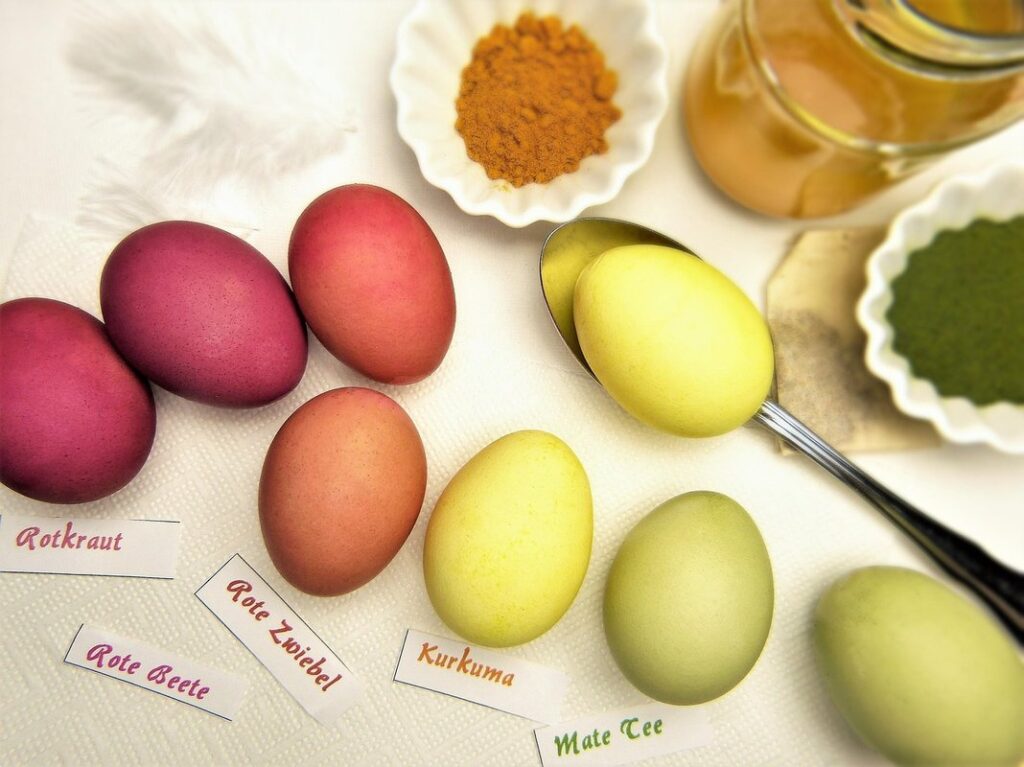
Creating your own non-toxic paint can be a cost-effective option, allowing you to choose from natural ingredients like lime wash, clay, and plant-based dyes. For instance, you can mix together natural minerals and oils to create a durable and water-resistant coating for your coop’s walls. Additionally, making your own paint gives you complete control over the ingredients and ensures that they align with your specific needs.
However, store-bought non-toxic paints often come with their own set of benefits. Manufacturers have developed specialized formulas that meet stringent standards for safety and performance. These products can provide a smooth finish and are easy to apply, saving time and effort. Some popular brands, like Ecos or YOLO Colorhouse, offer eco-friendly paint options made from natural ingredients. Ultimately, whether you choose DIY or store-bought, make sure to research the product’s certifications (like AP or Greenguard) to ensure it meets your non-toxic standards.
Budget-Friendly Solutions
When it comes to painting your chicken coop without breaking the bank, we’ve got some fantastic budget-friendly solutions for you to try. From affordable eco-paints to clever repurposing ideas.
Cost-Effective Alternatives
When it comes to repainting your chicken coop with non-toxic options, you might be thinking that it has to break the bank. But the truth is, using eco-friendly paints doesn’t have to cost an arm and a leg. One of the simplest ways to save money is by repainting with existing colors. If you’ve already got some leftover paint or the original color still looks great, there’s no need to buy new.
Another budget-friendly option is to consider repurposing materials like old pallets, wood scraps, or even salvaged doors. Get creative and use these items as a base for your chicken coop decorations or accessories. You can also get crafty and make your own non-toxic paint using natural ingredients like lime wash, clay, or plant-based dyes.
If you do need to buy new paint, look for eco-friendly brands that offer affordable options without sacrificing quality. Some popular choices include zero-VOC (Volatile Organic Compound) paints made from natural latex or plant-based oils. These not only reduce the risk of toxic fumes but also tend to be priced competitively with traditional paints.
DIY Paint Recipes for Non-Toxic Coatings
Making your own non-toxic coatings is easier than you think. With just a few household items, you can create low-VOC (volatile organic compound) paints that are safe for your chicken coop and the environment.
One simple recipe involves mixing 1 cup of water with 2 tablespoons of white vinegar and 2 tablespoons of borax. This mixture creates a paste that’s perfect for painting walls or trim. Apply it to the surface, let it dry, and then seal it with a natural wax or oil.
Another option is to make a paint using 1 cup of water, 2 tablespoons of cornstarch, and 1 tablespoon of lemon juice. This mixture dries quickly and provides a smooth finish. Simply apply it to the surface, let it dry, and then add additional coats as needed.
When making your own non-toxic coatings, be sure to use eco-friendly ingredients like plant-based oils, natural waxes, or citrus-based solvents. Avoid using harsh chemicals or substances that can harm your chickens or contaminate their living environment. With a little creativity and experimentation, you can create a safe and healthy space for your flock without breaking the bank.
Final Considerations and Recommendations
Now that you’ve chosen a non-toxic paint for your chicken coop, let’s review what to keep in mind when applying it to ensure a safe and healthy environment.
Ensuring Long-Term Safety
When choosing non-toxic paint for your chicken coop, it’s essential to consider the long-term benefits of this decision. Not only will you be protecting the health and well-being of your flock, but also minimizing potential environmental harm.
One critical aspect to consider is continued health safety. Non-toxic paints are made from natural ingredients that won’t leach chemicals into the air or soil, reducing the risk of respiratory problems, skin irritation, or even cancer. For instance, if you’re using a paint with volatile organic compounds (VOCs), these fumes can contaminate the coop’s air and negatively impact your birds’ health.
Additionally, non-toxic paints have a lower environmental impact than their traditional counterparts. They’re often made from eco-friendly materials, like plant-based binders or natural pigments, which are biodegradable and compostable. This reduces waste and minimizes harm to local ecosystems.
To further ensure long-term safety, make sure to follow the manufacturer’s instructions for application, drying time, and maintenance. Regularly inspect your paint job for signs of wear or damage, and touch up any areas as needed. By choosing non-toxic paint and taking proper care, you’ll be safeguarding both your flock’s health and the environment for years to come.
Conclusion and Next Steps
In conclusion, switching to non-toxic paints for your chicken coop is a crucial decision that prioritizes the health and well-being of both you and your flock. By choosing safer alternatives, you can minimize the risk of exposure to harsh chemicals and create a healthier environment for your chickens.
As we’ve discussed throughout this article, non-toxic paints are made from natural ingredients that are free from volatile organic compounds (VOCs) and other toxic substances. These paints not only improve indoor air quality but also reduce the risk of contamination and poisoning. By making the switch, you can enjoy a safer and more sustainable living space for your family and pets.
So, what’s next? Start by identifying areas in your chicken coop that require painting, and research non-toxic paint options that meet your specific needs. Consider factors like durability, color retention, and ease of application when selecting a new paint. Remember to always follow the manufacturer’s instructions and take necessary precautions when painting to ensure a smooth and safe process.
Frequently Asked Questions
Can I use non-toxic paint on surfaces with existing stains or mold?
Yes, but it’s essential to properly clean and prepare the surface before applying non-toxic paint. This may involve using a solution of bleach and water to remove stubborn stains or mold, followed by thorough rinsing and drying.
How long does it take for non-toxic paint to fully dry and off-gas?
The drying time for non-toxic paint can vary depending on the specific product and environmental conditions. However, most eco-friendly paints are designed to dry within 2-4 hours and have minimal VOC emissions after 24-48 hours.
Can I use a single coat of non-toxic paint, or do I need multiple coats?
While some non-toxic paints can be applied in a single coat, it’s often recommended to apply two coats for optimal coverage and durability. This is especially true for surfaces with uneven textures or those prone to wear and tear.
Are there any specific safety precautions I should take when working with non-toxic paint?
Yes, even though these paints are designed to be safer than traditional options, they can still cause skin irritation or respiratory issues in some individuals. Always follow the manufacturer’s instructions for application and handling, and work in a well-ventilated area to minimize exposure.
Can I use non-toxic paint on exterior surfaces, such as chicken coop roofs?
Some non-toxic paints are specifically designed for exterior use and can withstand weather conditions like rain and sunlight. However, it’s crucial to choose a product that meets the necessary durability and UV-resistance standards for outdoor applications. Always check the manufacturer’s recommendations and follow any specific instructions for exterior use.