
Are you looking for a new feathered friend to join your backyard flock or add some charm to your pet collection? Look no further than the Old English Bantam chicken! With their rich history and unique characteristics, it’s no wonder this breed has captured the hearts of many hobby farmers and pet owners. If you’re curious about what makes these miniature marvels so special, you’re in luck – we’re about to dive into the fascinating world of the Old English Bantam.
In this article, we’ll explore the charming history of this beloved breed, take a closer look at their physical characteristics that set them apart from other chickens, and discover the delightful temperament that makes them such wonderful companions. Whether you’re a seasoned chicken keeper or just starting out, you’ll learn everything you need to know about bringing home an Old English Bantam chicken as your new pet.
Origins and History
The origins of the Old English Bantam chicken are shrouded in mystery, but one thing is clear: its history is rich and fascinating. Let’s take a closer look at where this charming breed came from.
Early Beginnings: Ancient Fowl in England
The history of the Old English Bantam is deeply rooted in England’s rich agricultural past. For thousands of years, small chickens like these have been a part of British Isles’ landscape. It’s believed that early fowl were introduced to the UK by the Romans, who brought over their own breeds. Over time, these birds adapted and evolved to thrive in England’s climate.
Archaeological findings suggest that ancient Britons kept small fowl for both meat and eggs. The Celts, who inhabited the region before the Roman invasion, are known to have prized these tiny chickens for their unique characteristics. In fact, some historians believe that bantams were highly valued by the Anglo-Saxons, who used them as offerings to the gods.
The name “Bantam” itself is believed to have originated from the Indonesian city of Banten, where exotic birds were traded with Europe in the 16th century. However, it’s clear that the characteristics and temperament we associate with bantams today are distinctly English.
Historical Significance and Popularity
During the 19th century, the Old English Bantam gained immense popularity among European farmers and enthusiasts alike. Its unique charm and characteristics made it a favorite at exhibitions and fairs. These small but mighty birds stole the show with their vibrant plumage and energetic personalities.
In fact, the Old English Bantam was one of the most sought-after breeds in the UK during this period. Farmers would often showcase them at local fairs and exhibitions, where they would compete for top prizes. The breed’s popularity can be attributed to its small size, which made it an ideal choice for backyard farmers who had limited space.
The Old English Bantam was also a crowd-pleaser due to its diverse range of colors and patterns. Enthusiasts would often breed them specifically for their unique characteristics, leading to the development of new color varieties. This attention to detail and commitment to preserving the breed’s heritage is a testament to the Old English Bantam’s enduring appeal.
Today, enthusiasts can still find the Old English Bantam at many poultry shows and exhibitions, where it continues to captivate audiences with its charm and charisma. If you’re interested in bringing this beloved breed into your own backyard, be sure to do your research and choose a reputable breeder who prioritizes the health and well-being of their birds.
Physical Characteristics
Let’s take a closer look at what makes these adorable birds stand out, starting with their compact size and striking plumage.
Size, Weight, and Body Type
When it comes to physical characteristics, the Old English Bantam truly stands out. These charming birds are compact in size, typically weighing between 2-3 pounds, making them perfect for small backyards or urban homesteads. Their miniature frame is not only adorable but also energy-efficient, requiring less food and space than larger breeds.
One of the most impressive features of the Old English Bantam is its robust body structure. With a sturdy build and well-sprung feathers, they can withstand harsh weather conditions and rough handling. Their small size belies their remarkable egg-laying abilities, with many hens producing an average of 200-220 eggs per year.
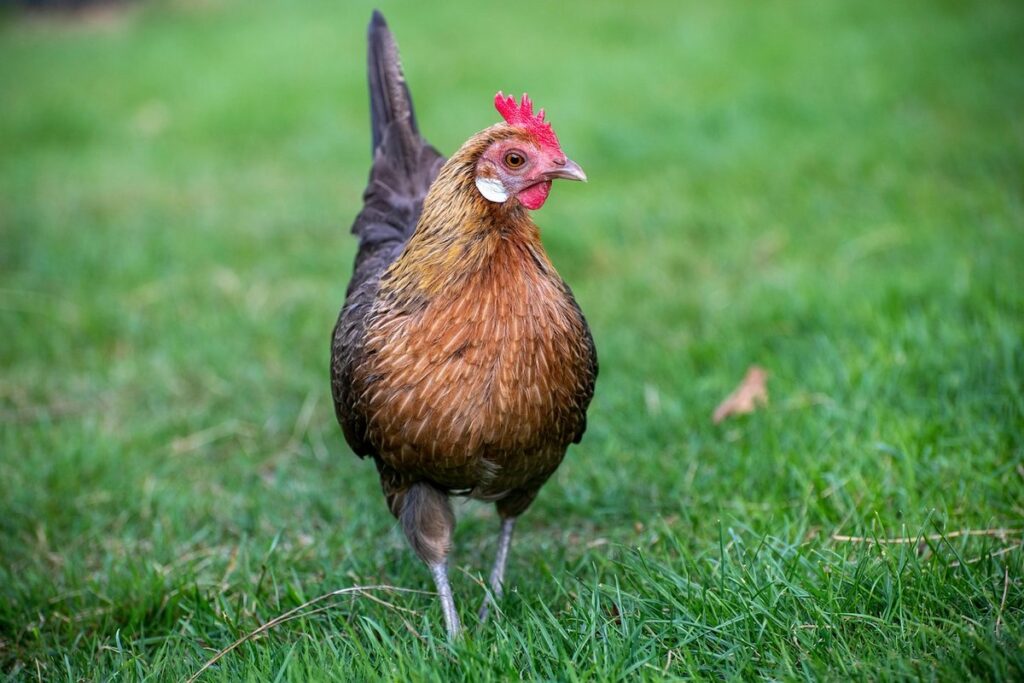
In terms of body type, the Old English Bantam has a distinctive rounded appearance, with a short, compact tail and a well-rounded breast. They come in a wide range of colors and patterns, from the classic black and white to more exotic shades like lavender and buff. Whether you’re looking for a friendly companion or a prolific egg-layer, the Old English Bantam is an excellent choice for any backyard flock.
Plumage Variations: Colors and Patterns
One of the most distinctive and charming features of the Old English Bantam is its incredible plumage variations. These little chickens can be found in a wide range of colors and patterns, making each one unique and special.
You’ll find Black Old English Bantams with glossy, iridescent feathers that seem to shimmer in the light, while their White counterparts are as snowy-white as freshly fallen snow. The Buff variety boasts warm, sun-kissed feathers in shades ranging from pale cream to rich golden hues. But that’s not all – you can also find Old English Bantams with intricate patterns like Barred, Mottled, and even Speckled.
Some breeders have developed rare and exotic color combinations, such as the Black-Breasted Red, which features a glossy black back and wings with a deep reddish-brown breast. Others specialize in producing birds with striking white or buff highlights on their faces or tails.
When choosing an Old English Bantam, consider what type of plumage variation you’re looking for – do you want a sleek, solid color or something more intricate?
Temperament and Personality
When it comes to Old English Bantam chickens, their personalities are just as fascinating as their striking appearances. Let’s dive into what makes these birds so charmingly unique.
Friendly and Docile Nature
One of the most endearing qualities of the Old English Bantam is its exceptionally friendly and docile nature. These charming birds are renowned for their gentle temperament, making them an excellent choice as pets for families with children or even for seasoned poultry enthusiasts. Their calm demeanor allows them to thrive in a variety of living situations, from small backyards to spacious farms.
In fact, the Old English Bantam’s friendly disposition is one of its most defining characteristics. They are known to form strong bonds with their owners and can often be seen following them around the yard or even into the house. This social nature makes them an excellent choice for families who want a pet that will interact with everyone.
If you’re considering bringing an Old English Bantam into your family, remember that they require regular interaction and attention to stay happy and healthy. With patience and gentle handling, these birds can become lifelong companions and provide endless entertainment with their antics and curious nature.
Interaction with Other Animals: Pecking Order and Socialization
When introducing an Old English Bantam to a mixed flock or household environment, it’s essential to consider their socialization and pecking order. These charming birds thrive on interaction and can form strong bonds with other animals, but they can also be quite assertive.
In a mixed flock setting, the Old English Bantam’s personality traits make them an excellent choice as a flock leader or companion bird. However, it’s crucial to introduce them gradually and under close supervision to prevent any conflicts. Start by keeping them in adjacent coops for a few days to allow them to become familiar with each other’s presence, scent, and sounds.
Once you’re confident they’ve formed a positive relationship, begin supervised interactions in the same enclosure. Be prepared to intervene if necessary, as even well-socialized Old English Bantams can get aggressive when competing for resources or attention. With patience and careful introduction, your flock will learn to live harmoniously together, and your Old English Bantam will be the charismatic leader they adore.
Health and Maintenance
To keep your charming Old English Bantam healthy and thriving, you’ll want to stay on top of regular health checks and proper maintenance routines. Regular upkeep will ensure your bird stays happy and contented.
Potential Health Issues: Common Problems and Solutions
As an owner of an Old English Bantam chicken, you’re likely to be aware of the potential health issues that can affect these charming birds. One common problem is obesity, which can lead to a range of other health issues if left unchecked. To prevent this, make sure your Bantam has plenty of space to roam and exercise outside of its coop. A good rule of thumb is to provide at least 2-3 square feet of outdoor space per bird.
Egg-laying disorders are another concern for Old English Bantams. These birds can be prone to egg binding, which occurs when the hen lays an egg that’s too large for her reproductive tract. To prevent this, make sure your Bantam is getting enough calcium in its diet and stay on top of regular health checks with a veterinarian. Regular cleaning of the coop and run is also essential to prevent parasites such as mites and lice from taking hold.
It’s also crucial to monitor your Bantam’s overall behavior and watch for signs of stress or illness, which can be more common in older birds. If you notice any unusual changes in appetite, droppings, or plumage, seek veterinary advice promptly to ensure the health and well-being of your beloved pet.
Dietary Requirements and Nutrition
As an owner of Old English Bantams, it’s essential to provide them with a balanced diet that meets their unique nutritional needs. These small but mighty birds require a combination of protein, calcium, and other essential vitamins and minerals to maintain their health and vitality.
A good starting point is to offer high-quality commercial chicken feed as the main staple of their diet. However, it’s also crucial to supplement with fresh fruits and vegetables to ensure they receive the necessary variety and nutrients. Leafy greens like kale and spinach are excellent choices, while fresh berries and citrus fruits provide essential vitamins and antioxidants.
It’s worth noting that Old English Bantams require a slightly higher calcium intake than other breeds due to their tendency to develop leg problems. Consider adding crushed oyster shells or dark leafy greens high in calcium to their diet. A rough estimate of 1/4 cup of fresh veggies per bird per day is a good starting point, but be sure to adjust according to individual needs and preferences.
Remember to also provide access to clean, fresh water at all times. By following these guidelines, you’ll be well on your way to creating a balanced diet for your charismatic Old English Bantams.
Breeding and Raising
When it comes to bringing up a new flock of Old English Bantams, many enthusiasts want to know how to breed and raise these charming birds successfully.
Choosing the Right Stock: Selecting Healthy Hatching Eggs
When breeding the charming Old English Bantam, selecting healthy hatching eggs is of paramount importance. The quality of these eggs directly influences the health and well-being of the chicks that emerge from them. To ensure a successful hatch, it’s crucial to source high-quality eggs from reputable breeders.
Before purchasing eggs, inspect them carefully for any visible cracks or damage. Look for eggs with clean, dry surfaces free from debris or dirt. It’s also essential to consider the age of the eggs; they should be within 7-10 days of being laid for optimal hatch rates. Avoid buying eggs that have been stored for extended periods.
Proper incubation and raising techniques are equally vital in nurturing healthy chicks. The ideal temperature range for incubating Old English Bantam eggs is between 99°F to 100°F (37°C to 38°C). Once the chicks hatch, provide them with a warm, draft-free environment, adequate ventilation, and access to fresh food and water.
Regularly monitor the chicks’ health and growth, watching for signs of illness or stress. With proper care and attention, your Old English Bantams will thrive under your watchful eye.
Tips for Successful Breeding Programs: Record-Keeping and Selection
When establishing a breeding program for your Old English Bantam flock, record-keeping and selection are crucial components to ensure the success of your birds. Start by maintaining accurate records on each bird’s pedigree, including parentage, health issues, and feather quality. This information will help you make informed decisions when selecting birds for breeding.
For genetic selection, focus on maintaining a diverse gene pool by choosing birds with unique characteristics, such as distinct color varieties or unusual comb types. Avoid over-reliance on single bloodlines, which can lead to genetic deficiencies. Instead, aim for a mix of 10-15 breeding birds that reflect the breed’s original standards.
Regular health checks and monitoring of feather quality will also aid in your selection process. Make sure to identify any inherited traits or issues early on, allowing you to remove them from your breeding program before they become widespread problems. By following these steps, you’ll be well on your way to establishing a thriving breeding program that showcases the best qualities of the Old English Bantam breed.
Keeping as Pets
If you’re thinking of bringing one home, let’s dive into what it takes to keep an Old English Bantam Chicken as a happy and healthy pet.
Creating an Ideal Environment: Space, Fencing, and Shelter
When it comes to keeping your beloved Old English Bantams happy and healthy as pets, creating an ideal environment is crucial. These charming birds require a specific setup that meets their unique needs.
In terms of space, Old English Bantams are relatively compact birds, but they still need room to roam and exercise. A minimum run size of 2×4 feet per bird is recommended, with a secure enclosure that protects them from predators and harsh weather conditions. Consider adding some enrichment activities like hiding treats or toys to keep their minds stimulated.
Fencing is another critical aspect to consider. Old English Bantams are skilled escape artists, so you’ll need sturdy fencing that’s at least 3 feet high to prevent them from flying over. You can opt for traditional chicken wire or explore more modern options like hardware cloth or netting.
Shelter is also vital, providing protection from the elements and predators. A well-ventilated coop with adequate nesting boxes will keep your birds happy and healthy. Make sure it’s placed in a quiet spot to reduce stress caused by noise pollution. By creating an ideal environment that meets their specific needs, you’ll be rewarded with happy, thriving Old English Bantams that bring joy to your life.
Exercise and Enrichment: Tips for a Happy and Healthy Flock
As a proud owner of an Old English Bantam flock, it’s essential to prioritize their mental stimulation and exercise needs. After all, a happy flock is a healthy one! Start by providing your birds with a variety of toys and activities that challenge them physically and mentally. Consider offering puzzle feeders, treat-dispensing toys, or even creating a DIY obstacle course in their run.
Rotate these items regularly to prevent boredom and keep your flock engaged. For example, you can place a cardboard box filled with treats inside the coop or attach a rope toy to the door for them to peck at. Remember to also allocate dedicated time for outdoor exercise and exploration, such as supervised free-ranging or letting them roam in a securely fenced area.
Make sure to provide enough space for your flock to move around comfortably, allowing them to stretch their wings and get some sunlight. A well-exercised and mentally stimulated Old English Bantam is a joy to behold!
Conclusion
In conclusion, the Old English Bantam Chicken is truly a unique and captivating breed. If you’re thinking of adding one to your backyard flock, we encourage you to do so – but be prepared for their charming personalities! With proper care and attention, these little birds can thrive and bring endless joy to your life. One tip for new owners: make sure to provide plenty of space and enrichment activities to keep them entertained and stimulated.
By doing so, you’ll be rewarded with a happy and healthy Old English Bantam that will undoubtedly become the star of your backyard menagerie. Remember, these birds are known for their lively and affectionate nature, so be prepared to spoil them rotten! With patience, love, and proper care, your Old English Bantam will bring a touch of old-fashioned charm to your life.
Frequently Asked Questions
How do I choose the right Old English Bantam chicken for my backyard flock?
When selecting an Old English Bantam, consider factors like temperament, plumage variation, and health records. Look for breeders who prioritize genetic diversity and have a reputation for producing healthy birds. You can also ask about the chicken’s ancestry and family history to ensure you’re getting a bird with desirable traits.
Can I keep multiple Old English Bantams together in a small backyard?
Yes, Old English Bantams are social birds that thrive on interaction. However, introducing new birds to an existing flock requires careful planning to avoid conflicts and establish a pecking order. Start by introducing them slowly and under close supervision, providing enough space and shelter for each bird.
How often should I clean the coop and run for my Old English Bantams?
Regular cleaning is essential to maintain your Old English Bantam’s health and happiness. Aim to clean the coop and run at least once a week during warm weather and more frequently in wet or muddy conditions. Remove soiled bedding, disinfect surfaces, and provide fresh food and water.
Can I breed my Old English Bantams for show quality?
Yes, breeding Old English Bantams for show requires attention to genetics, nutrition, and environmental factors that promote optimal growth and development. Record-keeping is essential to track lineage, health issues, and breeding success. Research reputable breed clubs and consult with experienced breeders to ensure you’re on the right path.
What are some common health issues to watch out for in Old English Bantams?
Old English Bantams can be prone to respiratory problems, parasites, and reproductive issues. Regular monitoring of your birds’ behavior, appetite, and overall health will help identify potential problems early on. Consult with a veterinarian experienced in poultry care to develop a preventative care plan tailored to your flock’s needs.