
When it comes to raising happy and healthy chickens, there are many factors to consider – but one often overlooked aspect is chicken feeder placement. Getting this right can make all the difference in your flock’s stress levels, nutrition intake, and even predator protection. A well-placed feeder not only keeps your birds satisfied but also helps prevent unwanted attention from predators like raccoons or hawks. In this article, we’ll dive into expert strategies for choosing the perfect chicken feeder placement, balancing nutrition with safety, and observing your flock’s behavior to create a stress-free feeding experience that works best for you and your feathered friends.
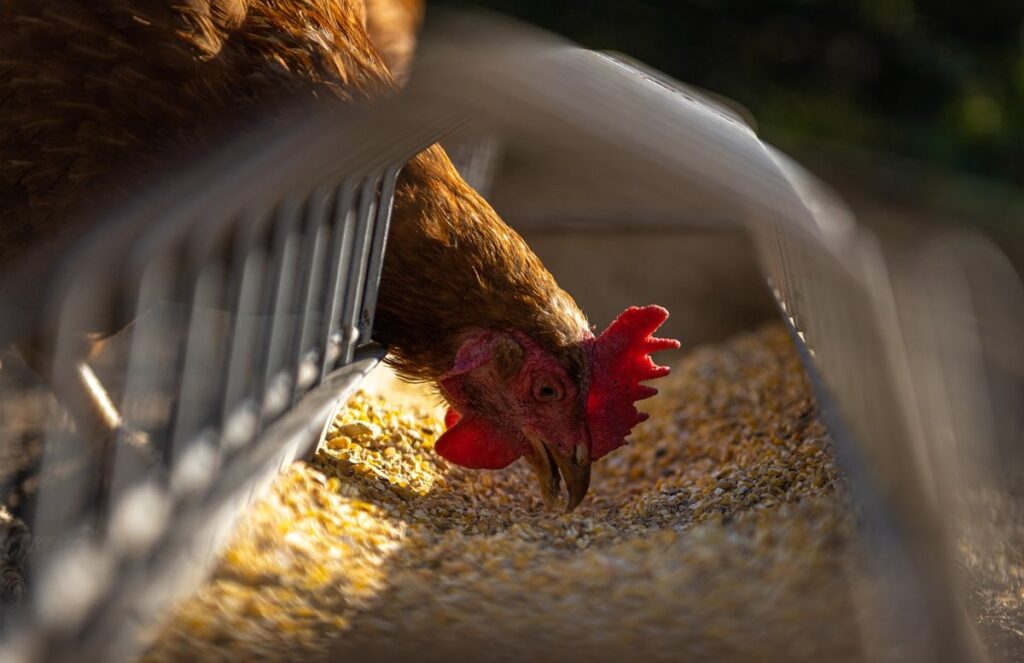
Understanding Chicken Behavior and Needs
To raise happy and healthy chickens, it’s essential to understand their natural behaviors and feeding patterns, which will help you determine the best feeder placement for your flock. Let’s dive into the world of chicken behavior!
Factors Influencing Pecking Order
When it comes to optimal chicken feeder placement strategies, understanding the pecking order is crucial. The social hierarchy of your flock significantly influences how chickens interact with each other at feeders, which can impact feeding efficiency and even lead to aggressive behavior.
Chickens are naturally inclined to establish a pecking order, especially when competing for food. When feeders are placed in areas where multiple birds can access them simultaneously, this can exacerbate the issue. Dominant birds will often push or intimidate subordinates away from the feeder, making it challenging for the latter to eat.
To minimize conflicts, consider placing separate feeders for each section of your flock. This way, dominant birds won’t feel compelled to assert their dominance over others while eating. Additionally, ensuring there are enough feeders and places to eat simultaneously can also reduce competition.
When introducing new chickens to an existing flock, monitor their interactions closely at feeding times to prevent conflicts from escalating into aggressive behavior.
Nutrition Requirements and Foraging Instincts
Chickens have an innate instinct to forage for food, which is crucial for their physical and mental well-being. When this natural behavior is restricted, it can lead to a range of health issues, including obesity, stress, and even disease susceptibility. Feeder placement plays a significant role in satisfying their nutritional needs while also catering to their foraging instincts.
When selecting a feeder placement strategy, consider the chicken’s natural tendency to scratch and peck at ground-level food sources. Placing feeders at least 12-18 inches off the ground can help prevent waste and reduce competition among birds, but it may not be sufficient to meet their foraging needs. To provide optimal nutrition and mental stimulation, incorporate a mix of ground-level feeding areas and elevated feeders. This allows chickens to engage in their natural foraging behavior while also minimizing health risks associated with over-reliance on single feeding sources.
It’s essential to strike a balance between providing easy access to food and promoting foraging behaviors that stimulate digestive health and overall well-being. By understanding the interplay between nutrition, foraging instincts, and feeder placement, you can create an environment that supports your chickens’ physical and mental needs.
Choosing the Right Feeder Location
When it comes to feeding your flock, placing the feeder in the right spot is crucial for encouraging healthy eating habits and minimizing waste. Let’s discuss where you should place the feeder to get the most out of your chickens’ meals.
Considering Predator Deterrence
When considering predator deterrence, it’s essential to think creatively about feeder placement. One effective method is using protective covers over feeders. These can be as simple as a mesh net or a more robust wire enclosure. Not only do they shield the feed from curious eyes, but they also make it difficult for predators to access. For example, you can use chicken-wire enclosures with openings just large enough for your chickens to get in and out.
Another approach is to position feeders near sheltered areas, such as a coop or run with sturdy walls. This way, if a predator does manage to breach the feeder area, your birds have a safe haven nearby. You can also strategically place plants like lavender or rosemary around the feeder area, which are known to deter certain types of predators.
It’s worth noting that while these methods aren’t foolproof, they can significantly reduce the likelihood of predation. Be sure to combine them with other security measures, such as locking up at night and monitoring your flock regularly.
Accessibility and Ease of Maintenance
When it comes to feeder placement, accessibility for both chickens and humans is crucial. A well-placed feeder can make a significant difference in maintaining a healthy flock and reducing stress on the birds. Chickens should be able to access their food easily, without straining or stretching, to prevent waste and encourage consumption of all nutrients.
From a human perspective, ease of maintenance and cleaning is also vital. Imagine having to clean up spills and messes every day – it’s not only time-consuming but also frustrating. A feeder placed near the coop or nesting boxes makes it simple to refill food and water without disturbing the birds. Moreover, a convenient location allows for regular cleaning, which helps prevent pests and diseases.
Consider this: if your chickens have to walk long distances to reach their feeder, they may become stressed and more susceptible to health issues. A feeder placed near their favorite dust bath or perching area will also encourage them to spend more time in these zones, promoting overall well-being. By thinking through both the chicken’s and human’s needs, you can create a harmonious coop environment that minimizes stress and maximizes enjoyment for all involved.
Types of Feeders and Placement Considerations
When it comes to placing chicken feeders, you have several options for feeder types and placement considerations to keep in mind. Let’s explore these key factors together.
Hanging Feeders: Pros and Cons
Hanging feeders have gained popularity among chicken keepers due to their space-saving design and ease of use. However, they also come with some drawbacks that should be carefully considered.
One major concern with hanging feeders is stability. If the feeder is not properly secured or if the chickens are particularly rambunctious, the feeder can tip over, spilling food everywhere. This not only creates a mess but also leads to waste as the birds may trample and scatter the spilled feed. To mitigate this risk, it’s essential to choose a sturdy hanging feeder with a wide base and secure attachment points.
Another potential issue is the ease of access for pests such as rodents or raccoons. Hanging feeders can be more vulnerable to these critters, which may jump up to reach the food. This can lead to significant losses if not properly secured. To minimize this risk, consider using a feeder with a built-in predator guard or placing it in an area that’s inaccessible to wildlife.
To ensure success with hanging feeders, choose a high-quality product and take steps to secure it firmly. Regularly inspect the feeder for signs of wear and tear, and make adjustments as needed to maintain optimal stability and access. With proper care and attention, hanging feeders can be a convenient and efficient way to manage your flock’s feeding needs.
Ground-Level Feeders: Benefits and Drawbacks
Ground-level feeders are a popular choice for chicken owners due to their ease of maintenance and ability to dispense food consistently. However, they also have some significant drawbacks that need to be considered.
One of the main benefits of ground-level feeders is that they allow chickens to forage and scratch as they eat, which can help stimulate their natural behaviors and reduce boredom. Additionally, they are relatively low-cost compared to other types of feeders and can be easily installed in existing coop or run layouts. However, one major drawback is the increased risk of attracting pests such as rodents, raccoons, and hawks.
To minimize this risk, it’s essential to position ground-level feeders at least 3-4 feet away from any walls or structures to reduce shelter for predators. You can also consider using protective covers or enclosures around the feeder to prevent access by unwanted visitors. Regular cleaning of the feeder area is also crucial to maintaining cleanliness and preventing disease transmission. By being aware of these pros and cons, you can make an informed decision about whether a ground-level feeder is right for your flock.
Integrating Feeders with Coop Design
When designing your coop, it’s essential to consider integrating feeders into the layout to promote efficient feeding and reduce mess. This section explores key factors to consider when making this crucial design decision.
Strategic Placement Within the Coop
When incorporating feeders into your coop design, strategic placement is key to maximizing space efficiency while minimizing competition among chickens. One effective way to achieve this is by placing multiple feeders throughout the coop, rather than relying on a single feeder at one end.
This approach allows for more even distribution of chickens and reduces congestion around the feeding area. For example, if you have a large flock of 20 chickens, consider installing two or three feeders strategically placed throughout the coop to ensure each bird has ample access.
When choosing locations for your feeders, think about traffic flow within the coop. Place them near areas where chickens tend to congregate, such as nesting boxes or roosting bars, but avoid placing them directly adjacent to these areas to prevent over-crowding.
Remember to also consider the height and accessibility of the feeders. Chickens with mobility issues may struggle to access feeders placed at a height that’s too high or awkwardly positioned, so ensure they’re placed at a comfortable level for all birds.
Balancing Feed Access with Predator Protection
When it comes to providing feed for your chickens while maintaining adequate predator protection, finding that delicate balance can be a challenge. You want to ensure that your flock has easy access to food without making it too accessible for predators like raccoons, opossums, or hawks.
One way to achieve this balance is by using secure feeding arrangements such as covered feeders or self-locking feed containers. These types of feeders can be placed on the coop floor or attached to the coop walls, providing a safe feeding area for your chickens while keeping predators out. For example, you could use a feeder with a locking mechanism that requires a specific key or combination to access the feed.
Another option is to incorporate feeders into the overall design of your coop. You can install feeders within nesting boxes or other secure areas where chickens can eat safely without being exposed to predators. Consider using hardware cloth or chicken wire around feeders to prevent unwanted visitors from accessing the feed. By taking these precautions, you can ensure that your flock has access to nutritious food while minimizing the risk of predation.
Monitoring and Adjusting Feeder Placement
Once you’ve set up your feeder system, it’s time to monitor its effectiveness and make adjustments as needed to keep your chickens happy and healthy. Let’s dive into how to do that.
Observing Chicken Behavior and Preferences
When it comes to optimal chicken feeder placement, understanding your flock’s behavior and preferences is crucial. By observing their habits, you can make informed decisions about where to place their feeders for maximum efficiency and minimal waste. Chickens are creatures of habit, so taking note of their usual routines can help you identify areas where they tend to congregate.
Pay attention to how your chickens interact with each other at feeding times. Do they prefer a central location or scatter throughout the coop? Are there any specific spots where they seem to linger longer than others? These observations can give you valuable insights into their preferences. For example, if you notice that most of your flock tends to gather near a particular wall or corner, it might be worth considering placing feeders in those areas.
By taking a few minutes each day to observe and adjust, you can create an environment that suits your chickens’ natural behavior, reducing stress and optimizing their feeding experience.
Regularly Inspecting Feeder Placement
Regular inspections are crucial to ensure that feeder placement remains optimal for your flock. As chickens grow and new members join the group, their feeding needs change. A feeder placement strategy that worked well initially may no longer be suitable as the flock ages or expands.
To adjust feeder placement accordingly, inspect the area regularly, ideally every few months or whenever you notice changes in behavior or performance. Look for signs such as pecking at the ground, competition for space, or reduced feed consumption. These cues indicate that the current setup is no longer meeting their needs.
Consider relocating the feeder to a more central location to reduce travel time and stress on older birds. Alternatively, add additional feeding stations to accommodate new flock members without overcrowding existing areas. By regularly inspecting your feeder placement, you can make necessary adjustments to maintain a stress-free and efficient feeding environment for your chickens.
Frequently Asked Questions
Can I use a single feeder for all my chickens, or do they need separate feeders?
Yes, you can use a single feeder for your flock, but consider factors like competition, aggression, and accessibility when making this decision. For larger flocks or if you notice aggressive behavior at the feeder, installing multiple feeders can help reduce stress and promote a peaceful environment.
How do I determine the ideal feeder placement in relation to my coop’s layout?
Consider both predator protection and flock accessibility when placing your feeder. Ideally, place it at least 10-15 feet away from the coop, near a shelter or covered area where your birds feel safe while eating. This balance ensures easy access for your chickens while minimizing predator risks.
Can I hang feeders too high to prevent raccoons or other predators from accessing them?
Yes, hanging feeders above a certain height can deter predators, but make sure this doesn’t compromise accessibility for your flock. If you decide on high-hanging feeders, ensure they’re within easy reach (around 3-4 feet) and consider using ladder-free feeding systems to simplify feeding times.
How often should I clean and inspect the feeder placement in my chicken run?
Regular inspection is crucial to maintaining a healthy environment for your flock. Aim to check the feeder placement at least once a week, more frequently during peak pest seasons or if you notice excessive droppings around the area. Clean and disinfect the feeders as necessary, taking care not to disturb the surrounding ground.
What are some alternatives to traditional chicken feeders that can provide added benefits?
Consider incorporating foraging systems or activity-based feeding solutions into your setup. These can help stimulate natural behavior, encourage exercise, and reduce reliance on processed feed. By integrating innovative feeding methods with your coop design, you can create a more holistic and engaging environment for your flock.