
When it comes to raising backyard chickens, one of the most critical factors in their happiness and health is the size of their coop. Bantams, being smaller than your average chicken, require even more attention to detail when it comes to designing a coop that meets their unique needs. With limited space to work with, you’ll want to strike the perfect balance between providing enough room for your flock to move around and keeping costs down.
In this article, we’ll dive into expert tips on how to design and build a bantam coop that’s tailored to your flock’s specific requirements. From determining optimal space per bird to considering health considerations like ventilation and predator protection, you’ll learn everything you need to know to create the perfect home for your small but mighty backyard chickens.
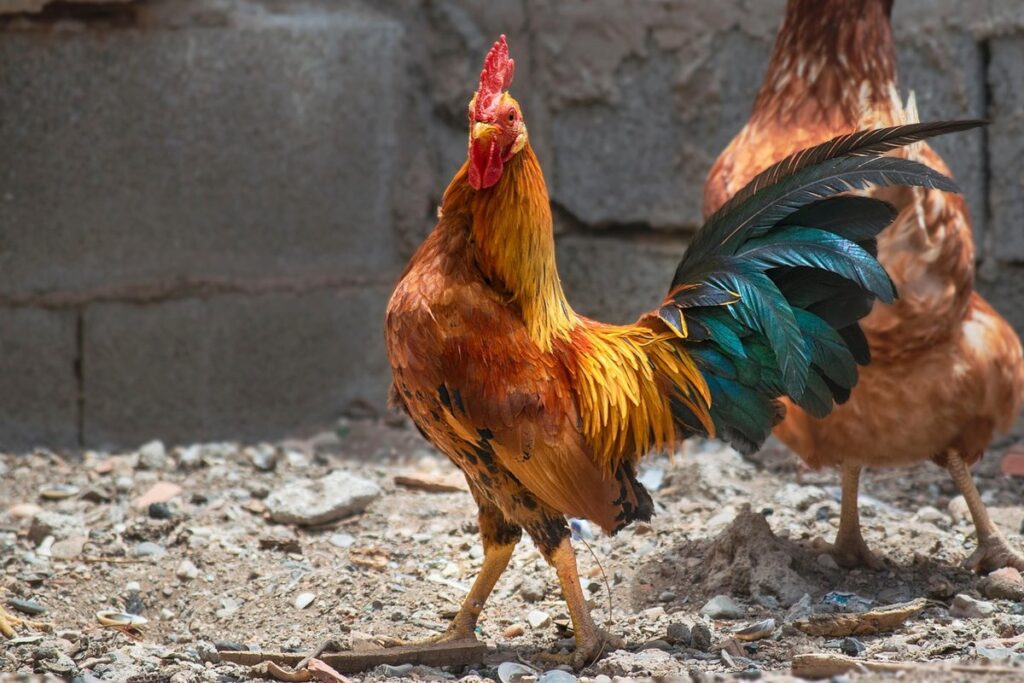
Understanding Bantam Chicken Requirements
To ensure you’re giving your bantams a happy and healthy life, it’s essential to understand their unique requirements for space and environment within their coop. Let’s break down what these needs entail.
Bantam Breed Characteristics and Space Needs
When it comes to determining the right size of a bantam coop, understanding the unique characteristics of these tiny but mighty birds is crucial. Bantams are known for their compact size, with most breeds weighing between 1-4 pounds and standing about 6-12 inches tall.
Their small stature means they require less space than standard-sized chickens, but that doesn’t mean you can skimp on the coop. Bantams need room to move around comfortably, stretch their wings, and engage in natural behaviors like foraging and dust bathing. A good rule of thumb is to provide at least 2-3 square feet of floor space per bird.
Some bantam breeds, such as the Silkie or Polish, are known for being more docile and easy-going, while others, like the Japanese Bantam, can be quite feisty. This temperament difference will also impact your coop design and layout. If you’re housing a high-energy breed, consider adding features like perches, ladders, and exercise equipment to keep them active and stimulated.
Ultimately, when designing a bantam coop, remember that size matters, but so does the quality of space provided. Ensure your coop is well-ventilated, safe from predators, and equipped with adequate roosting bars and nesting boxes. By understanding the unique needs of bantams and providing a suitable environment, you’ll be rewarded with happy, healthy birds.
Determining Coop Size Based on Flock Size
When it comes to determining coop size based on flock size, there are several key factors to consider. The number of birds you plan to keep will have a significant impact on the space required for a comfortable and healthy living environment.
A general rule of thumb is to provide at least 3-4 square feet of floor space per bantam bird inside the coop. However, this can vary depending on breed, age, and climate. For example, if you’re keeping young chicks in a warm climate, they may require more space than adult birds in a cooler environment.
To calculate the right amount of space for your flock, consider the following:
* Young chicks (0-6 months): 4-5 square feet per bird
* Adult bantams: 3-4 square feet per bird
* Birds in hot climates: 4-5 square feet per bird
* Birds in cold climates: 2.5-3.5 square feet per bird
Remember, these are general guidelines and may need to be adjusted based on your specific situation. It’s also essential to consider the coop’s ventilation, lighting, and layout when determining its size.
Assessing Your Yard’s Space Constraints
When it comes to raising bantam chickens, one of the most crucial factors is understanding your yard’s space constraints. Before designing a coop, you need to assess the available space and incorporate it into your design. Start by measuring your yard’s dimensions, including the area where the coop will be located.
Consider the size of your bantam flock – are you planning to keep one or multiple birds? This will impact the minimum square footage required for the coop. The American Society for the Prevention of Cruelty to Animals (ASPCA) recommends at least 2-4 square feet per chicken inside the coop, and 8-10 square feet outside.
To maximize small spaces, think vertically – install shelves or hanging feeders to make the most of your yard’s vertical height. You can also opt for a tiered coop design or use wall-mounted nesting boxes. Another creative solution is a “coop within a coop” concept, where the main coop serves as a shelter and the smaller annex provides additional space.
When designing your bantam coop, remember to leave some buffer room for future expansion – it’s always better to have extra space rather than too little. By taking these factors into account, you’ll be able to create a happy, healthy environment for your bantam chickens despite limited yard space.
Coop Size Guidelines for Bantams
When it comes to housing your bantam flock, getting the coop size just right is crucial – let’s explore the ideal dimensions and square footage guidelines. We’ll cover everything from minimum space requirements to optimal living areas.
Minimum Recommended Coop Sizes for Bantam Breeds
When it comes to choosing the right coop size for your bantam flock, understanding each breed’s specific needs is crucial. Here are some minimum recommended coop sizes for various bantam breeds, taking into account their unique characteristics and requirements.
For example, Silkies require a spacious coop with ample ventilation due to their dense plumage and potential for heat stress. A minimum size of 2-3 square feet per bird is recommended, with a height of at least 4 feet to accommodate their vertical behavior.
Polish bantams, on the other hand, are known for their small size but require a slightly larger coop due to their active nature and need for exercise space. A minimum size of 2-3 square feet per bird is recommended, with adequate nesting boxes and roosting bars.
Other breeds like Belgian Bearded d’Anvers and Dutch bantams also have specific needs. The former requires a sturdy coop to withstand their vigorous scratching, while the latter benefits from a smaller coop with plenty of windows for natural light.
Keep in mind that these are minimum recommendations, and larger coops will provide a more comfortable living space for your bantam flock. Be sure to research each breed’s specific needs and take those into consideration when planning your coop design.
Calculating Square Footage for a Bantam Flock
When it comes to determining the ideal coop size for your bantam flock, calculating square footage is crucial. You’ll want to ensure that you have enough space for your birds to move around comfortably, exercise, and engage in natural behaviors. To calculate square footage, use the following formula: (flock size x 2-3 sq ft per bird) + (5% of total coop area for nesting boxes).
For example, if you have a flock of 6 bantams, your calculation would be: (6 x 2.5 sq ft/bird) = 15 sq ft for roaming space. Then, add the 5% required for nesting boxes: 15 sq ft x 0.05 = 0.75 sq ft. This means you’ll need a total of approximately 16 square feet of coop area per bird.
To put this into perspective, a small bantam flock can thrive in a coop that’s roughly the size of a 2×8 foot storage shed. However, if your birds are particularly active or you’re housing larger breeds, you may want to consider increasing the total square footage by 10-20%.
Considerations for Multi-Level Coops
When designing a coop for bantams, some backyard chicken keepers consider multi-level coops as an option. This type of coop can be beneficial for several reasons. For one, it allows you to make the most of your available space by stacking levels instead of building outwards.
However, there are also potential drawbacks to multi-level coops to consider. One major issue is accessibility. If not designed correctly, accessing upper levels can be challenging and may lead to injuries or stress for both humans and chickens. Proper consideration should be given to the design of stairs, ladders, or ramps that connect the different levels.
Another factor to keep in mind is predator protection. Multi-level coops can create blind spots where predators may hide, which could compromise the coop’s security. Careful planning is essential when designing a multi-level coop to ensure adequate ventilation and easy cleaning on all levels.
To get started, research existing designs and consider factors such as roof shape, eaves, and window placement.
Designing Your Bantam Coop
When designing your bantam coop, there are several factors to consider to ensure it meets the needs of your feathered friends and fits comfortably in your backyard. Let’s dive into the specifics!
Incorporating Natural Light and Ventilation
When designing your bantam coop, it’s essential to incorporate natural light and ventilation. These elements not only provide a healthy environment for your birds but also contribute to their overall well-being.
Natural light is crucial for the chickens’ visual health and helps regulate their circadian rhythms. A well-placed window or skylight can make all the difference in keeping your coop bright and airy. Consider installing windows on opposite sides of the coop to allow cross-ventilation, reducing the risk of ammonia buildup from droppings.
To maximize ventilation, ensure there are adequate gaps between nesting boxes and roosting bars for air to circulate freely. You can also incorporate vents or fans that operate automatically when temperatures rise. A general rule of thumb is to provide 1 square foot of ventilation per 4 square feet of coop space.
Don’t forget to consider the materials you use in your coop’s construction. Opt for breathable and moisture-resistant materials like cedar or pine, which will help maintain a healthy environment for your birds. By incorporating these design elements, you’ll create a comfortable and safe home for your bantam chickens to thrive.
Choosing the Right Materials for a Bantam Coop
When it comes to building a bantam coop, choosing the right materials is crucial for durability, maintenance, and safety. The three most common materials used are wood, metal, and plastic. Each has its pros and cons.
Wood is a popular choice due to its natural appeal and ease of customization. However, it requires regular painting or staining to protect against rot and insects. Additionally, wooden coops can be prone to moisture damage if not properly treated.
Metal coops offer excellent durability and resistance to pests and weather conditions. They are also relatively low-maintenance. However, metal can conduct heat, making it uncomfortable for your chickens during extreme temperatures. Moreover, some metals may react with food or water, posing health risks to the birds.
Plastic coops provide a lightweight and easy-to-clean option but often lack durability. They can become brittle over time and are prone to cracking under harsh weather conditions.
Consider the climate, budget, and desired level of maintenance when selecting materials for your bantam coop. For example, if you live in an area with extreme temperatures or heavy rainfall, metal may be a better choice.
Add-Ons and Accessories for Enhanced Bantam Care
When it comes to designing a bantam coop, adding thoughtful touches can make all the difference in creating a happy and healthy environment for your feathered friends. In addition to considering the optimal size of your coop, you’ll also want to think about incorporating practical add-ons and accessories that enhance your bantams’ quality of life.
One essential feature is a nesting box or two (depending on how many hens you have). These should be large enough for your bantams to comfortably turn around and lay their eggs. A good rule of thumb is to provide one nesting box per 3-4 hens, with each box measuring at least 12 inches wide, 12 inches deep, and 18 inches tall. You can also consider adding a roof or overhang above the nesting boxes to protect them from the elements.
Other must-haves include sturdy perches for your bantams to roost on at night. Aim for perches that are about 24-30 inches off the ground to prevent straining their legs and joints. You’ll also want to install feeders and waterers that are easily accessible yet predator-proof. Consider using a swing or hanging feeder to minimize waste and mess, as well as a sturdy roosting pole with built-in feed troughs for convenience.
By incorporating these simple yet thoughtful touches into your bantam coop design, you’ll be creating a safe, comfortable, and stress-free environment that will keep your birds thriving.
Health Considerations in Bantam Coop Design
When designing a bantam coop, it’s crucial to consider health considerations that can affect your feathered friends, such as ventilation and cleanliness. Proper planning will keep your birds healthy and happy.
Reducing Stress and Promoting Health in Your Flock
When designing a bantam coop, it’s essential to prioritize creating a low-stress environment that promotes overall health and well-being for your flock. A stressful coop can lead to increased anxiety, stress-related behaviors like feather pecking or egg eating, and even compromised immune systems.
To reduce stress in your coop, consider the following design elements: adequate ventilation, natural light, and sufficient space per bird. Bantams are naturally curious and active birds, so they require ample room to move around comfortably. Aim for at least 3-4 square feet of floor space per bird, depending on breed size.
In addition to physical space, also provide mental stimulation through enrichment activities like scratching posts, hanging toys, or hidden treats. This will encourage your flock to engage in natural behaviors and reduce boredom-related stress.
For example, a simple way to boost coop morale is to place a window or skylight high up on the wall to allow natural light to enter the coop during the day. This can greatly improve overall mood and behavior in your flock.
Climate Control and Ventilation
When it comes to designing a bantam coop, climate control and ventilation are crucial aspects to consider. Chickens can quickly overheat and succumb to heat stress if their coop doesn’t allow for adequate airflow. In fact, research has shown that temperatures above 85°F (30°C) can be lethal to chickens.
To incorporate effective ventilation into your coop’s design, make sure it includes:
* Windows or vents on opposite sides of the coop to provide cross-ventilation
* A screened roof or walls to allow for air circulation and prevent drafts
* A slight slope in the coop’s roof to ensure water runs off and doesn’t accumulate
In addition to ventilation, climate control can be achieved through clever design elements. For example, you can add insulation to the coop’s walls and ceiling to regulate temperature extremes, use a misting system or evaporative cooler to lower temperatures during hot summer months, or install radiant heat panels for cold winter days.
By incorporating these features into your bantam coop’s design, you’ll create a safe, healthy environment for your backyard chickens to thrive in.
Maintenance and Upkeep of Your Bantam Coop
To keep your bantams happy and healthy, regular maintenance is crucial, which includes cleaning out their coop, replenishing bedding, and inspecting for potential hazards. Let’s dive into the details of coop upkeep.
Regular Cleaning and Disinfecting Routines
When it comes to maintaining a clean and healthy coop environment, regular cleaning and disinfecting routines are essential. A dirty coop can lead to health issues and stress on your bantam chickens, which is why it’s crucial to establish a consistent schedule.
Start by designating specific tasks for each week. For example, dedicate one day a week to deep cleaning the coop, where you’ll remove all bedding material, scrub the walls and floors with a disinfectant solution, and replace any soiled or damaged items. In between these deep cleanings, perform daily chores such as removing waste, checking for any signs of illness, and replenishing food and water.
It’s also vital to establish a disinfection routine, especially during peak health seasons. Mix one part white vinegar with nine parts water in a spray bottle and apply it liberally to all surfaces, paying attention to areas around feeders, waters, and nesting boxes. Let the solution sit for 10-15 minutes before rinsing thoroughly. This simple yet effective method will help keep your coop free from disease-causing bacteria and germs.
Inspecting Your Coop for Damage or Wear
Regular inspections of your bantam coop are crucial to maintaining a happy and healthy flock. A quick once-over can help you identify potential issues before they become major problems, saving you time and stress in the long run.
When inspecting your coop, start by looking for signs of wear on doors, windows, and other moving parts. Check for any cracks or gaps that could let predators in or allow drafts to enter. If you notice any damage, don’t hesitate to make repairs – a simple patch job can save you from more extensive (and expensive) renovations down the line.
Next, inspect the coop’s structure, checking for any signs of sagging or warping. Make sure nails and screws are secure, and that any roofing materials are in good condition. Also, keep an eye out for any mold or mildew – these can be signs of a bigger issue with ventilation.
Don’t forget to check on your chickens’ living quarters, too. Make sure nesting boxes are clean and accessible, and that perches are sturdy enough to support their weight. With regular inspections, you’ll be able to catch potential problems early, keeping your flock happy and healthy for years to come.
Troubleshooting Common Bantam Coop Issues
We’ve all been there – a bantam coop issue pops up, and you’re not sure where to turn. Don’t worry, we’ll walk you through common problems and their easy fixes right here.
Dealing with Predator Encounters
As a backyard chicken keeper, it’s essential to be aware of the risks associated with predators and take steps to protect your flock. Bantams are particularly vulnerable due to their small size, making them an attractive target for predators such as foxes, coyotes, hawks, and domestic cats.
To safeguard your flock, ensure your bantam coop is well-constructed and securely locked. A sturdy coop with hardware cloth or chicken wire covering the windows and any openings will help prevent predators from getting in. Consider adding a secure roof to prevent aerial attacks by birds of prey.
In case of a predator encounter, stay calm and act quickly. If you hear unusual noises or see signs of predation (such as feathers or egg shells outside the coop), immediately check on your flock and humanely dispatch any injured birds. It’s also crucial to inspect the coop for any weaknesses that may have allowed the predator entry.
If you’re unfortunate enough to experience a predator attack, take steps to prevent future occurrences by reinforcing the coop, increasing security measures, or relocating the coop to a more secure location.
Managing Broody Behavior and Egg Bound Hens
Managing broody behavior and egg-bound hens is crucial to maintaining a healthy bantam flock. Some breeds are more prone to broodiness than others, such as Silkies, Polish, and Cochins. These birds will stop laying eggs and focus solely on incubating their eggs, which can be beneficial for the survival of the species but detrimental to your egg production.
Signs of a broody hen include a stopped-in-flight posture, puffed-out feathers, and excessive attention to her nesting box. To manage broodiness, provide enough nesting boxes (at least one per 5 hens) with adequate ventilation and darkness. You can also try to stimulate her interest in laying by gently removing the eggs from the nesting box or using a fake egg substitute.
Egg-bound hens, on the other hand, experience constipation due to large or misshapen eggs, leading to painful symptoms and potential health complications. To prevent egg-binding, ensure your hens have enough space to move around (at least 4-5 square feet per hen) and maintain a balanced diet rich in fiber. If you suspect an egg-bound hen, gently assist her by applying gentle pressure or consulting with a veterinarian for professional assistance.
Monitoring your flock’s behavior and adapting your coop environment accordingly will help prevent these common issues from arising. By doing so, you’ll create a more harmonious and productive bantam flock that thrives in its ideal living space.
Frequently Asked Questions
What is the ideal ratio of bantams to square footage in a coop?
While we discussed minimum recommended coop sizes for bantam breeds, it’s essential to consider the ideal ratio of birds to square footage. A general rule of thumb is to provide at least 2-4 square feet per bird inside the coop and 8-10 square feet per bird in the run area.
How can I ensure proper ventilation in a multi-level bantam coop?
When designing a multi-level coop, it’s crucial to consider ventilation to prevent ammonia buildup from droppings. One solution is to install windows on each level, ensuring there are no obstructions blocking airflow. Regularly inspect your coop to identify any areas where air may be stagnant and make adjustments as needed.
Can I use reclaimed or recycled materials for building a bantam coop?
Using eco-friendly materials like reclaimed wood can be an excellent way to create a sustainable backyard chicken habitat. However, ensure the materials are free from chemicals and treated safely for animal use. This approach will not only reduce waste but also provide your flock with a healthier environment.
How often should I inspect my bantam coop for damage or wear?
Regular inspections are vital to maintaining a safe and healthy environment for your bantams. Check your coop every few weeks, looking for signs of wear like damaged roofing, cracked walls, or worn-out nesting boxes. Address any issues promptly to prevent further problems.
Can I mix different bantam breeds in the same coop?
While it’s possible to keep multiple bantam breeds together, it’s essential to consider compatibility and potential conflicts. Research each breed’s temperament and personality traits before introducing them to your flock, ensuring a harmonious coexistence.