
As a backyard chicken keeper or commercial farmer, you’re likely no stranger to the importance of feeding your flock. But have you ever stopped to think about the intricacies of chicken feed ration? With so many variables at play – nutritional requirements, formulation, and sustainability – it’s easy to get overwhelmed. In this ultimate guide, we’ll break down the complexities of chicken feed ration, covering everything from maximizing nutrition and performance to ensuring the welfare of your birds.
We’ll delve into the nitty-gritty details of creating a balanced diet for your flock, including how to formulate the perfect blend of ingredients. You’ll learn how to make informed decisions about your chicken feed, balancing cost-effectiveness with nutritional value. By the end of this article, you’ll have a comprehensive understanding of chicken feed ration and be equipped to take your flock’s health and productivity to the next level.
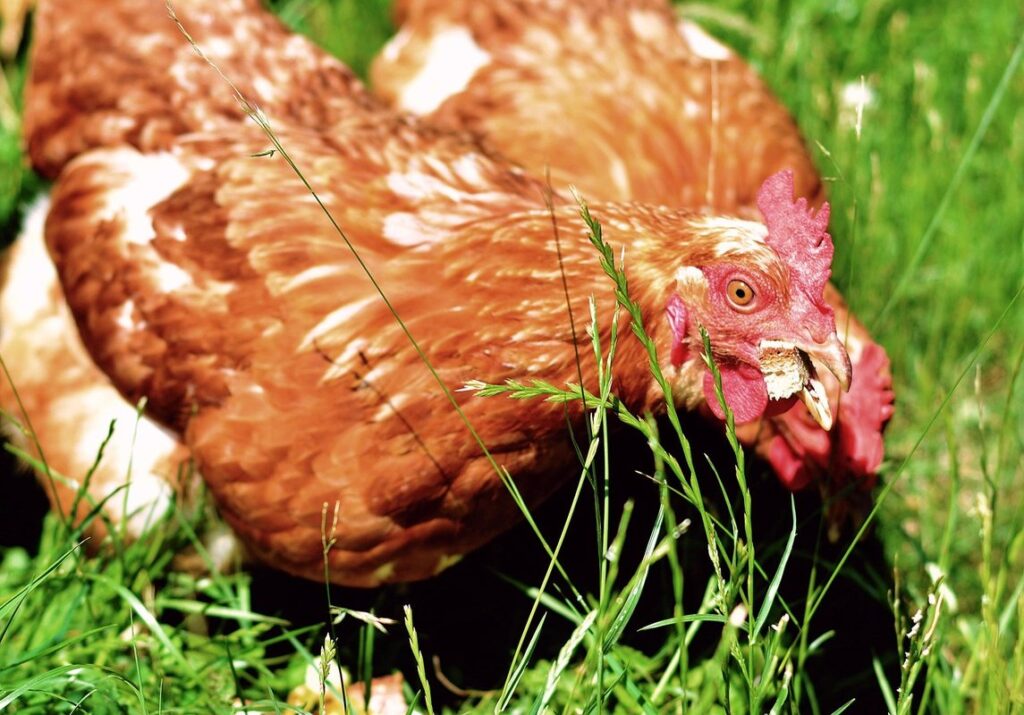
Understanding Chicken Feed Requirements
To maximize your flock’s nutrition and performance, it’s essential to understand their specific feed requirements. Let’s dive into the factors that influence a chicken’s nutritional needs.
Choosing the Right Feed Type
When it comes to choosing the right feed type for your chickens, it’s essential to consider their age, breed, and intended use. The nutritional needs of chicks, pullets, layers, and broilers are distinct, and using the wrong feed can lead to performance issues or health problems.
Starter feeds, typically formulated for chicks up to 4-6 weeks old, provide a balanced mix of energy, protein, and essential nutrients for rapid growth and development. Grower feeds, suitable for birds between 4-18 weeks, contain more protein and less calcium than starter feeds, promoting continued growth without excessive bone formation.
Layer feeds, designed for hens over 18 weeks, focus on calcium and phosphorus to support eggshell production. Broiler feeds, often used in large-scale operations, prioritize high-energy content to optimize weight gain in a short period. It’s crucial to select the correct feed type based on your flock’s specific needs to ensure optimal performance, health, and profitability. Consult with a veterinarian or poultry expert to determine the best feed strategy for your operation.
Balancing Macronutrients and Micronutrients
Balancing macronutrients and micronutrients is crucial in chicken feed ration as it directly affects the health and productivity of your flock. Macronutrients like carbohydrates, proteins, and fats provide energy, growth, and maintenance, while micronutrients like vitamins and minerals play a vital role in various bodily functions.
When it comes to macronutrient balance, too little protein can lead to stunted growth, weakened immune systems, and poor egg production. Conversely, excessive protein consumption can cause kidney damage, increase the risk of diseases, and lead to environmental pollution through nutrient-rich waste. A general rule of thumb is to provide 16-18% protein for layers and 20-22% for broilers.
Micronutrient deficiencies, on the other hand, can cause specific health issues. For example, a lack of vitamin D3 can result in softening of eggshells, while inadequate calcium supply can lead to rickets and poor bone development. To avoid these imbalances, ensure that your feed ration includes a balanced mix of all essential nutrients, including vitamins A, D3, E, K, and B-complex, as well as minerals like calcium, phosphorus, and potassium.
When selecting a commercial feed or creating a custom ration, pay attention to the Guaranteed Analysis (GA) statement. This usually lists the percentage of each nutrient present in the feed. Be sure to compare GA statements from different manufacturers to choose the best option for your flock’s specific needs.
Nutritional Considerations for Different Life Stages
As your flock grows and matures, their nutritional needs change significantly, requiring tailored feed rations to ensure optimal health and performance. In this next part of our guide, we’ll explore these essential considerations.
Starter Feed Requirements
When it comes to young chickens, particularly those under 16 weeks of age, they require a specialized diet that caters to their high growth rate and nutrient demands. High-quality protein is essential for muscle development, so look for starter feeds with an amino acid profile rich in methionine and lysine. These two essential amino acids support rapid growth and tissue repair.
Ensure the feed contains adequate energy levels to sustain this growth spurt. Choose a starter feed with a moderate to high energy content (around 2,500-3,000 kcal/kg) to promote optimal weight gain. Don’t forget about vitamins – young chickens require adequate amounts of vitamin A, D3, and E to support immune function and overall health.
A good rule of thumb is to transition from starter feed to grower feed between 16-20 weeks of age. This allows the bird to adjust to a slightly more mature diet that still meets their growing needs but also starts to prepare them for adult life.
Grower Feed Formulation
As chickens grow from pullets to full-grown hens, their nutritional needs change dramatically. Grower feeds are formulated to meet these changing requirements, striking a delicate balance between growth promotion and disease resistance. A well-balanced grower feed typically contains around 16-18% protein, with a mix of amino acids that promote muscle growth without compromising immune function.
To optimize growth while minimizing the risk of disease, growers often include performance-enhancing additives like probiotics and yeast extract in their formulations. These compounds help support gut health, increase nutrient absorption, and boost the bird’s natural defenses against pathogens. However, excessive use of these additives can lead to imbalanced nutrition and potentially harm the flock.
When selecting a grower feed for your flock, look for products that incorporate scientifically-backed formulations and high-quality ingredients. Avoid feeds with artificial preservatives or excessive levels of antibiotics, as these can compromise long-term health and productivity. By choosing a balanced grower feed that prioritizes both growth promotion and disease resistance, you’ll set your chickens up for optimal performance and minimize the risk of costly health issues down the line.
Factors Affecting Chicken Feed Ration
When it comes to creating a well-balanced chicken feed ration, several key factors come into play that can significantly impact the nutritional value and overall performance of your flock. Let’s explore these crucial variables together.
Climate and Environmental Conditions
When it comes to chicken feed ration, understanding the impact of climate and environmental conditions is crucial for maximizing nutrition and performance. Temperature fluctuations, humidity levels, and other weather-related factors can significantly affect a flock’s nutritional requirements.
In hot climates, chickens may require more water intake, which can lead to increased moisture in their droppings. This can result in heat stress, reduced egg production, and compromised gut health. To adapt feed formulations for such conditions, consider increasing the proportion of moisture-resistant ingredients like oats or barley. Additionally, incorporating electrolytes and other heat-stress mitigating additives into the ration can help maintain flock health.
In colder temperatures, chickens may require more energy to stay warm, which can be achieved by increasing the percentage of protein-rich feedstuffs like soybean meal. Conversely, during periods of extreme cold, consider reducing the amount of moisture-containing ingredients to prevent frost damage in the feed.
By recognizing these climate-related adaptations, you can create a customized chicken feed ration that optimizes nutritional intake and supports optimal performance under various environmental conditions.
Age, Sex, and Breed Considerations
When it comes to creating an effective chicken feed ration, one of the most critical factors to consider is the age, sex, and breed of your birds. Different stages of life, sexes, and breeds have unique nutritional needs that can significantly impact their health, growth rate, and overall performance.
For example, starter chicks require a higher proportion of protein in their diet compared to layer hens or breeding roosters. A balanced feed ration for starter chicks should contain around 20-22% protein content. On the other hand, layer hens require more calcium and phosphorus to support eggshell production, making a feed with 16-18% protein content suitable.
Breed-specific nutritional needs are another essential consideration. Some breeds, like Leghorns, are prolific layers and require higher levels of energy and protein in their diet. Meanwhile, slow-growing breeds like Orpingtons may benefit from a more relaxed growth rate and adequate fiber content to support healthy digestion.
It’s also worth noting that as chickens mature, their nutritional needs change significantly. Breeding roosters, for instance, require less protein and more energy than breeding hens, making it essential to adjust feed formulation accordingly.
Understanding the specific nutritional requirements of your flock is crucial in creating an optimal feed ration. This involves taking into account factors such as age, sex, breed, and production level. By doing so, you can maximize nutrition, boost performance, and ensure the overall health and well-being of your chickens.
Best Practices for Formulating Chicken Feed Ration
When formulating a chicken feed ration, it’s essential to balance nutrients carefully to ensure optimal health and performance. A well-crafted ration will prevent deficiencies and boost your flock’s overall vitality.
Ensuring Adequate Protein Content
Protein is one of the most crucial nutrients for chickens, making up about 15-20% of their diet. Adequate protein content in chicken feed ensures that your flock stays healthy, productive, and performs optimally. There are two main types of proteins used in chicken feed: plant-based (such as soybean meal or corn gluten meal) and animal-based (like fishmeal or meat and bone meal). Plant-based proteins are generally less expensive but may have lower bioavailability than their animal-based counterparts.
To optimize protein utilization, consider the following strategies:
* Provide a balanced amino acid profile by combining multiple plant-based sources of protein
* Avoid over-supplementing with protein as this can lead to excessive nitrogen excretion and environmental pollution
* Consider adding enzymes that break down complex proteins into more easily absorbed forms
* Monitor your flock’s nutrient intake and adjust the feed formulation accordingly based on age, breed, and production level
For example, studies have shown that broiler chickens fed a diet with a balanced amino acid profile had improved growth rates and increased efficiency. By paying attention to protein content and utilization, you can help ensure that your flock is getting the nutrients it needs to thrive.
Managing Feed Additives and Supplements
When it comes to creating an optimal chicken feed ration, selecting the right feed additives and supplements is crucial for supporting overall health and productivity. These nutrients can provide a boost to nutrient profiles, enhance palatability, and aid in disease prevention.
Let’s explore some benefits of using different types of additives:
• Antibiotics and antimicrobials: These additives help control bacterial diseases by inhibiting the growth of pathogens.
• Acidifiers and pH modifiers: They maintain a healthy gut environment and prevent acidosis by regulating the stomach’s pH levels.
• Vitamin and mineral supplements: Essential nutrients that fill any gaps in the ration, ensuring optimal growth, egg production, or meat quality.
However, it’s essential to be aware of potential risks associated with certain additives. For instance:
* Overuse can lead to antibiotic resistance
* Improper dosing may cause adverse health effects
To strike a balance and ensure maximum benefits from feed additives, follow these guidelines:
- Always consult with veterinarians or experienced poultry nutritionists before selecting any supplements.
- Choose products approved by relevant regulatory bodies.
- Regularly monitor usage and adjust as needed to maintain optimal nutrient profiles.
Evaluating Chicken Feed Ration Effectiveness
When choosing a chicken feed ration, it’s essential to evaluate its effectiveness by examining key metrics such as nutrient balance and cost. Let’s dive into what makes a great feed ration.
Measuring Growth Rates and Productivity
Measuring growth rates, egg production, and meat yield are crucial indicators of feed ration effectiveness. These metrics help you determine whether your flock is receiving the optimal nutrients from their feed. To measure growth rates, track the weight gain of your birds over time, taking note of any significant changes or setbacks. A healthy growth rate can be expected as follows: 1-2 kg per week for broilers and 0.5-1 kg per week for layers.
Egg production is another vital metric to monitor. Aim for an average egg production rate of 280-300 eggs per year for hens receiving a balanced feed ration. Meat yield, on the other hand, depends on factors such as breed, age, and nutrition. A good meat yield can range from 65-75% of live weight for broilers.
To optimize these metrics, ensure your flock receives a nutrient-rich feed ration that meets their specific needs. Regularly analyze feed intake, energy content, and essential amino acid levels to fine-tune your feeding strategy. This may involve adjusting the ratio of protein, fat, and fiber in your feed or switching between different feed types depending on your flock’s requirements. Consult with poultry experts or conduct thorough research before making any changes to your feeding program.
Monitoring Health and Welfare
Monitoring chicken health and welfare is crucial when evaluating feed ration effectiveness. It’s not just about achieving optimal growth rates or egg production; you must also ensure the birds are healthy and thriving. Nutritional deficiencies or imbalances can lead to a range of problems, from reduced fertility to increased mortality.
Look out for signs such as pale combs, droopy wings, or lethargy in your flock. These can be indicators that your chickens are not receiving the necessary nutrients. For example, a lack of vitamin D3 can cause softening of the bones, while inadequate calcium intake may lead to eggshell weakness.
Regular monitoring involves checking feed consumption rates, body condition scores, and overall health metrics. Keep accurate records of flock performance and adjust your feed ration accordingly. Consult with a veterinarian or poultry expert if you notice any unusual patterns or issues. By prioritizing chicken health and welfare, you can identify areas for improvement in your feed ration and make data-driven decisions to optimize nutrition and performance.
Future Directions in Chicken Feed Ration Research
As we explore the latest advancements in chicken feed ration research, you’ll discover innovative approaches that are set to revolutionize the industry and take your flock’s nutrition to the next level.
Advances in Nutritional Science and Technology
In recent years, significant advances have been made in our understanding of chicken nutrition, and these breakthroughs are revolutionizing the way we formulate feed rations. One key area of improvement is in the field of feed efficiency. Researchers have discovered that specific blends of nutrients can optimize the energy conversion rate in chickens, leading to reduced waste and increased growth rates.
For instance, studies have shown that adding a combination of organic acids and phytase enzymes to chicken feed can enhance nutrient uptake by up to 20%. This not only boosts productivity but also reduces the environmental impact of poultry farming. By minimizing waste and optimizing resource usage, farmers can significantly decrease their carbon footprint and contribute to a more sustainable food system.
Furthermore, advances in nutritional science have enabled the development of new feed formulations that prioritize animal welfare. For example, some manufacturers are now producing feed rations with added omega-3 fatty acids and other essential micronutrients that promote healthier gut bacteria and immune function. By incorporating these innovative ingredients into their feeds, farmers can improve overall chicken health and reduce the need for antibiotics.
These breakthroughs in nutritional science have far-reaching implications for the future of poultry farming. As research continues to evolve, we can expect even more efficient, sustainable, and humane feed formulations that meet the complex nutritional needs of modern chickens.
Implications for Sustainable Agriculture
As we explore future directions in chicken feed ration research, it’s essential to consider the broader implications for sustainable agriculture. Advances in this field can significantly contribute to a more environmentally friendly and efficient food system.
One key benefit is reduced waste: with optimized feed formulations, less nutritious ingredients are discarded, reducing agricultural waste and minimizing environmental impact. For instance, researchers have found that incorporating locally sourced, organic by-products into chicken feed rations not only reduces waste but also enhances nutrient utilization in birds.
Improved resource utilization is another critical aspect of sustainable agriculture. By leveraging cutting-edge research on nutrient cycling and optimization, farmers can maximize crop yields while minimizing inputs. This approach ensures better use of water, land, and energy resources – essential for meeting the world’s increasing food demands sustainably.
By adopting these advancements, we can create a more resilient and regenerative agricultural system, ultimately enhancing global food security and reducing our ecological footprint. As you consider integrating cutting-edge feed ration research into your own operations, remember that small changes today can lead to significant improvements tomorrow.
Frequently Asked Questions
Can I create a customized feed ration for my flock using the information provided in this guide?
Yes, with a deep understanding of your flock’s nutritional requirements and a willingness to experiment, you can formulate a customized feed ration that meets their specific needs. However, keep in mind that this may require ongoing monitoring and adjustments to ensure optimal performance.
How do I balance macronutrients and micronutrients when formulating my own chicken feed?
Balancing macronutrients (carbohydrates, proteins, fats) and micronutrients (vitamins, minerals, etc.) is crucial. Aim for a balanced mix of 15-20% protein, 50-60% carbohydrates, and 2-4% fat. Don’t forget to consider the nutrient requirements of different life stages, such as starter, grower, and layer phases.
What are some common challenges I might face when implementing new feed formulations, and how can I address them?
Common challenges include over-reliance on cheap fillers, inadequate protein content, or insufficient micronutrient supplementation. Monitor your flock’s performance closely, and be prepared to make adjustments as needed. Consider consulting with a poultry expert or using software tools designed for feed formulation.
Can I use recycled or sustainable ingredients in my chicken feed, and what are the benefits?
Yes, incorporating recycled or sustainable ingredients can reduce waste, minimize environmental impact, and even improve nutritional value. Look into using locally sourced grains, organic fertilizers, or repurposed food waste as potential feed additives. However, ensure that these alternatives meet your flock’s specific nutrient requirements.
How do I know if my flock is receiving the right amount of protein in their diet?
To determine if your flock is getting sufficient protein, monitor growth rates, egg production (for layers), and overall health. Aim for a minimum of 15-18% crude protein content in starter feeds and 16-20% in grower feeds. Regularly consult with a veterinarian or poultry nutritionist to fine-tune your feed formulation based on individual flock needs.