
If you’re raising chickens in your backyard or managing a commercial flock, you know how crucial nutrition is to their health and productivity. But have you considered the impact of feeder height on your birds’ well-being? Research shows that adjusting feeder height can significantly reduce stress, boost egg production, and optimize nutrition for your flock. Elevated feeders are designed to promote healthy eating habits by allowing chickens to eat comfortably without straining or bending. This simple adjustment can make a big difference in the health and happiness of your birds. In this article, we’ll explore the benefits of using elevated feeders and provide best practices for installation, so you can give your flock the nutrition they deserve.
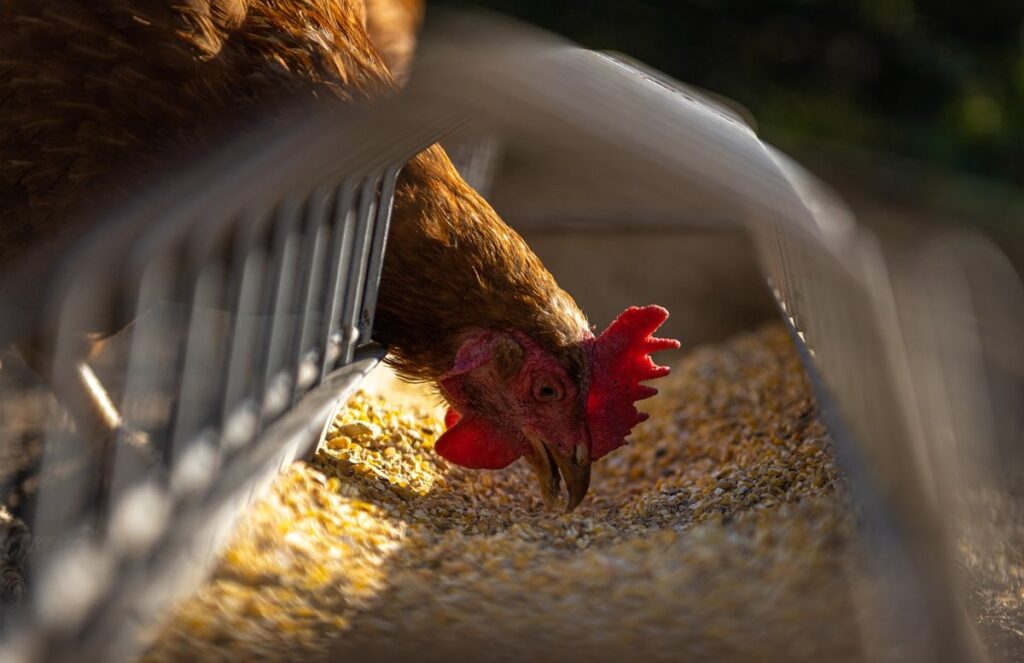
Understanding Feeder Height Importance
When it comes to optimizing your flock’s nutrition, feeder height is a crucial aspect that can make all the difference in their health and happiness. Let’s break down why it matters so much.
The Role of Feeder Height in Reducing Stress and Aggression
When it comes to feeder height, many backyard chicken keepers overlook its impact on their flock’s behavior. However, research has shown that proper feeder height can significantly reduce stress and aggression among birds.
Chickens are naturally inclined to compete for food, especially if the feeder is placed too high or too low. When feeders are set too high, chickens may feel anxious about accessing food, leading to increased pecking and feather plucking as they jostle for position. On the other hand, when feeders are placed at ground level, dominant birds may bully their flockmates away from the feeder.
To mitigate these issues, it’s essential to find a balance between allowing chickens to access food easily and preventing overcrowding around the feeder. A good rule of thumb is to place the feeder so that all birds can comfortably reach food without having to stretch or strain. This typically falls within 6-8 inches from the ground for most breeds. By adjusting your feeder height, you can create a more harmonious and stress-free environment for your flock.
Benefits of Elevated Feeders for Improved Egg Production
Elevating feeders can have a significant impact on egg production. When chickens have to forage and scratch for their food, they expend energy that could be better utilized for producing eggs. Elevated feeders eliminate the need for foraging, allowing hens to focus on laying eggs. Studies have shown that using elevated feeders can increase egg production by up to 10% in some cases.
One key advantage of elevated feeders is that they reduce competition among hens for food. By providing a consistent and reliable source of nutrition at eye level, you minimize the stress and tension associated with pecking order disputes over food. This leads to a more relaxed flock environment, where hens are free to focus on their natural behaviors, including laying eggs.
By incorporating elevated feeders into your coop design, you can optimize your flock’s egg production potential.
Choosing the Right Feeder Type
When selecting a feeder for your flock, it’s essential to consider the different types available, including hanging feeders and ground-level models, each with its own advantages.
Overview of Different Feeder Types (Ground-Level, Hanging, Trough)
When it comes to feeding your flock, choosing the right feeder type is crucial. There are three primary types of feeders: ground-level, hanging, and trough feeders. Each has its advantages and disadvantages.
Ground-level feeders are ideal for small flocks or beginners as they’re easy to clean and simple to use. They usually come with a tray that catches spillage, reducing waste. However, they can be prone to contamination if not cleaned regularly.
Hanging feeders, on the other hand, offer a more space-efficient option. They hang from a tree branch or hook, keeping the feeding area clean and off the ground. This type of feeder is great for flocks that are active during the day and tend to make messes. One drawback is that they can be tricky to refill without spilling feed.
Trough feeders are often used in commercial settings but can also work well for larger backyard flocks. They provide a large capacity and are easy to clean, but may require more space. It’s essential to choose the right feeder type based on your flock’s size, feeding habits, and space constraints.
Considerations for Selecting the Best Feeder for Your Flock
When selecting the best feeder for your flock, there are several key factors to consider. The size of your coop is a crucial consideration, as you’ll want to choose a feeder that can accommodate your birds comfortably without overcrowding or making feeding a chore. A general rule of thumb is to allow at least 2-3 square inches of space per bird.
The number of birds in your flock also plays a significant role in selecting the right feeder. If you have a large flock, you may need to opt for a larger capacity feeder that can handle multiple hens at once. On the other hand, if you’re raising a smaller flock, a compact feeder may be more suitable.
You’ll also want to consider your desired feeding system. Do you prefer an easy-to-clean option or one with built-in watering systems? Are you interested in automated feeders or something more manual? Think about your lifestyle and what will work best for you and your birds.
Installation and Maintenance of Elevated Feeders
To ensure your elevated feeders function optimally, it’s essential to follow proper installation and maintenance procedures, as outlined below. This includes setting up the feeder correctly and performing routine checks for damage.
Step-by-Step Guide to Installing Hanging or Elevated Feeders
Installing an elevated feeder is a straightforward process that requires some basic tools and knowledge of your flock’s needs. Start by choosing the right location for your feeder, ideally near the roosting bar to reduce waste and make cleaning easier. Make sure it’s at least 2-3 feet off the ground to accommodate chickens with mobility issues.
To install the feeder, follow these steps:
* Attach the feeder to a sturdy post or beam using screws or brackets.
* Ensure the feeder is level and secure to prevent tipping over.
* Adjust the feeding height according to your flock’s needs. Most elevated feeders come with adjustable legs or shelves to accommodate different heights.
* Consider adding a slope or lip to the feeder to prevent food from spilling onto the ground.
Remember, proper installation is key to minimizing waste and keeping your flock healthy. With these simple steps, you can create an efficient and accessible feeding system for your chickens.
Tips for Regularly Cleaning and Inspecting Elevated Feeders
Regular cleaning and inspection of elevated feeders are crucial for maintaining the health and well-being of your flock. It’s essential to establish a routine that includes regular maintenance to prevent contamination and disease spread.
We recommend daily inspections to ensure the feeder is free from debris, droppings, or mold. Remove any uneaten food, clean the feeder with soap and water, and dry it thoroughly before refilling. This will help maintain a hygienic environment for your birds.
For more thorough cleaning, set aside time each week (e.g., every Saturday morning) to scrub the feeder with a brush, remove any stubborn stains or buildup, and replace worn-out parts. Make sure to clean all areas, including corners and crevices where food particles tend to accumulate.
Remember, regular maintenance not only keeps your flock healthy but also saves you time in the long run by preventing more severe problems from developing. By incorporating these cleaning tasks into your routine, you’ll be able to provide a safe and nutritious feeding environment for your feeder height chickens.
Benefits of Elevated Feeders in Different Chicken Systems
When it comes to optimizing your flock’s nutrition, understanding the benefits of elevated feeders is crucial, regardless of whether you’re running a backyard coop or a large commercial operation.
Small-Scale Backyard Flocks: How Feeder Height Impacts Daily Operations
When it comes to small-scale backyard flocks, feeder height can have a significant impact on daily operations. One of the most notable benefits is the reduction of mess. By positioning feeders at a comfortable height for chickens, you’ll minimize the likelihood of droppings and spilled feed getting tracked into the coop or run.
This increased efficiency also translates to reduced maintenance time for you as the flock owner. Imagine being able to spend more time tending to your birds’ overall health and well-being, rather than constantly cleaning up after them. To implement this in your own backyard flock, consider installing a feeder that can be adjusted to various heights. This will allow you to tailor the setup to suit the needs of your birds as they grow or change.
Aim for feeders at around 2-3 inches above the hens’ backs when standing comfortably. This ensures easy access without sacrificing efficiency. Some chicken owners even report a significant decrease in waste and mess by using elevated feeders.
Large-Scale Commercial Farms: Optimization Strategies for Maximum Output
In large-scale commercial farms, optimizing output is crucial for maximizing profits. Elevated feeders play a significant role in achieving this goal. By placing feeders at an elevated height, farmers can significantly improve productivity.
Studies have shown that birds fed at higher levels tend to eat more efficiently, leading to reduced waste and increased nutrient uptake. In fact, a study conducted by the University of Illinois found that broilers fed at 24 inches above the floor consumed up to 10% more feed than those fed at ground level. This translates to significant cost savings for farmers.
To implement elevated feeders in large-scale commercial farms, consider the following strategies:
* Install feeders at a height of around 18-24 inches to encourage birds to eat naturally without strain
* Ensure adequate aisle space between rows to prevent overcrowding and promote easy access to feed
* Regularly clean and maintain feeders to prevent contamination and optimize feeding efficiency
By implementing these strategies, large-scale commercial farmers can significantly improve their output, reduce waste, and enhance the overall health of their flock.
Health Considerations and Potential Drawbacks
While feeder height chickens can be a nutritious choice for your flock, there are some health considerations to keep in mind when raising them. Let’s explore some potential drawbacks you should be aware of.
Overcrowding Risks Associated with Elevated Feeders
When using elevated feeders for your flock, it’s essential to be aware of the potential overcrowding risks associated with this feeding system. As chickens are naturally inclined to gather and socialize around food sources, elevated feeders can inadvertently encourage overcrowding.
If not properly managed, crowded feeding areas can lead to aggressive behavior among birds, particularly when competing for food or space at the feeder. This can result in stress, injury, or even death. Monitor your flock’s behavior closely, especially during peak hours of activity or feeding times. Look out for signs such as rapid movement around the feeder, pecking at each other, or refusing to eat due to discomfort.
To mitigate overcrowding risks with elevated feeders:
* Install multiple feeding stations and elevate them to different levels to provide various vantage points.
* Ensure adequate space between feeders to prevent congestion.
* Consider implementing feeding schedules that allow for staggered access to the feeder, reducing peak crowds.
* Regularly inspect your flock’s health and adjust feeder placement or configuration as needed.
Strategies for Minimizing Disruptions and Maintaining Healthy Flocks
When it comes to feeder height chickens, maintaining healthy flocks is crucial despite potential drawbacks. One way to mitigate disruptions and ensure a healthy flock is by introducing feeder types that minimize commotion. For instance, consider using feeders with multiple feeding stations or those with adjustable heights to accommodate birds of varying sizes.
Another effective strategy is to implement measures to maintain flock health. This can be achieved through regular cleaning and disinfection of feeding areas to prevent the spread of diseases. Monitor your birds’ behavior and adjust feeder placement accordingly; for example, placing feeders in a way that encourages social interaction but prevents overcrowding.
Additionally, consider implementing enrichment activities around feeding times to reduce competition and stress among flock members. You can try incorporating puzzle toys or hiding treats around the feeding area to keep your birds engaged and stimulated. By implementing these strategies, you’ll be able to minimize disruptions and maintain a healthy, thriving flock of feeder height chickens.
Conclusion: Maximizing Efficiency with Feeder Height Optimization
In conclusion, optimizing feeder height for your chickens can have a significant impact on their overall nutrition and well-being. By placing feeders at the right height, you can prevent waste, reduce competition, and promote healthy eating habits. This not only saves you money but also ensures that your birds receive the nutrients they need to thrive. One practical tip is to observe your flock’s behavior and adjust feeder heights accordingly. For example, if you notice some birds struggling to reach the feed or others hogging all the food, it may be time to reassess the height of your feeders. By making these adjustments, you can maximize efficiency and create a more balanced and harmonious coop environment for your feathered friends.
Frequently Asked Questions
How Do I Measure the Optimal Feeder Height for My Flock?
Measure your chickens’ height to determine the ideal feeder height, which should be about 1-2 inches above their back when standing comfortably. You can also consider using adjustable feeders or consult with a poultry expert to ensure optimal feeder placement.
What If I Have Chickens of Different Heights in My Flock? Can I Use Adjustable Feeders?
Yes! Adjustable feeders are an excellent solution for multi-age flocks, as they allow you to adjust the height according to your chickens’ needs. This can help prevent competition and stress among birds of different heights.
Are Elevated Feeders Suitable for Chickens with Mobility Issues?
Elevated feeders may not be ideal for chickens with mobility issues, as they require more effort to access food. Consider using ground-level feeders or exploring adaptive feeding solutions designed for birds with mobility impairments.
How Do I Prevent Overcrowding and Competition at Elevated Feeders?
To minimize overcrowding and competition, ensure each bird has enough space around the feeder (about 2-3 square feet per chicken). You can also consider providing multiple feeders or using elevated feeders in separate areas to reduce congestion.
Can Elevated Feeders Be Used for Chickens with Different Dietary Needs?
Yes! Elevated feeders can accommodate different dietary needs by offering separate feeding areas or using divider systems. This allows you to provide tailored nutrition for chickens with specific requirements, such as layers, broilers, or pullets.