
As a backyard breeder or commercial quail farmer, you’re likely all too familiar with the challenges of managing waste in your quail cages. Proper waste management is crucial to maintaining health, hygiene, and productivity in your flock. However, traditional waste trays often fall short, leading to issues like ammonia buildup, bacterial growth, and even escapes. If you’re struggling to keep your quail population thriving due to poor waste management, it’s time to rethink your design. In this article, we’ll explore the importance of efficient waste trays in quail cage design, common problems with traditional systems, and innovative solutions that can make a real difference. We’ll dive into the latest designs, materials, and technologies that are revolutionizing the way quail farmers manage waste, keeping their birds healthy and happy.
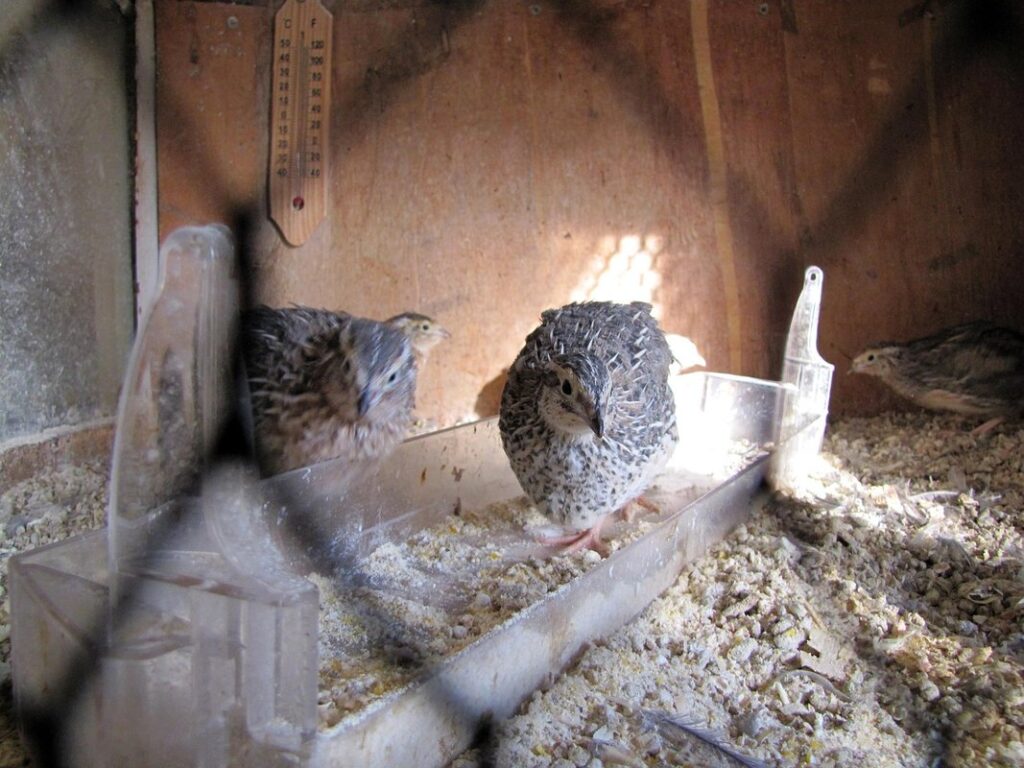
Importance of Proper Waste Management in Quail Cages
Now that we’ve covered how to design optimal waste trays, let’s talk about why proper waste management is crucial for your quails’ health and well-being. Effective waste removal can make a significant difference in their living conditions.
Understanding Quail Waste and Its Impact on Health
Quail waste can be a significant health risk for birds and humans alike. One of the primary concerns is disease transmission. Quails are susceptible to various diseases such as avian influenza, E. coli, and Salmonella. These pathogens can spread through contaminated droppings, dust, or contact with infected birds. Proper waste management is crucial in minimizing this risk.
Respiratory issues are another significant concern associated with quail waste. The ammonia in the droppings can cause respiratory problems such as coughing, sneezing, and even pneumonia in severe cases. Furthermore, a high concentration of dust particles in the environment can exacerbate these symptoms. To mitigate this risk, ensure that your waste trays are designed to minimize dust buildup.
In addition to disease transmission and respiratory issues, quail waste can also lead to parasite infestations. Internal parasites such as worms and mites can be transmitted through contaminated droppings or direct contact with infected birds. Regular cleaning and disinfection of the cage and waste trays can help prevent these infestations. Ensure that your waste tray design allows for easy removal and replacement, making it easier to maintain a clean environment.
Common Issues with Traditional Waste Trays
When it comes to traditional waste trays used in quail cages, several common issues arise that can compromise the health and welfare of these birds. One of the primary concerns is leakage. As droppings accumulate, they can seep through the tray’s material or gaps, creating an unsanitary environment that attracts pests and spreads disease.
Clogging is another significant issue with traditional waste trays. Over time, the buildup of droppings and debris can cause the tray to become clogged, making it difficult for quails to access food and water or even escape if they’re stuck in their own waste. This not only leads to stress but also affects the birds’ overall well-being.
Moreover, traditional waste trays often prove challenging to clean. The sticky nature of droppings makes them hard to remove without leaving residue behind. When left uncleaned for extended periods, these trays can harbor bacteria and fungi that exacerbate health problems in quails. In reality, many quail owners report scrubbing the same tray daily but still struggle with odors and pest infestations. It’s clear that traditional waste trays have their limitations when it comes to maintaining a clean, healthy environment for quails.
Design Considerations for Efficient Quail Cage Waste Trays
When designing quail cage waste trays, several key considerations must be taken into account to ensure efficient and effective waste collection. Proper planning is crucial here.
Sloping and Angled Designs for Easy Cleaning
When designing quail cage waste trays, incorporating sloping or angled elements can significantly enhance their functionality and efficiency. Easy cleaning is a crucial aspect of maintaining quail health, as it helps prevent the buildup of bacteria and diseases that thrive in filthy environments.
A sloping design allows for improved drainage, ensuring that waste materials are swiftly carried away from the tray’s surface. This reduces the risk of clogging, which can occur when debris accumulates at the bottom of a flat tray. Imagine a scenario where you have to manually scrub away days’ worth of waste – not only is it an unpleasant task but also increases the likelihood of bacterial transfer.
Consider implementing a gentle slope (about 2-3% incline) in your design, allowing for smooth flow and easy disposal. This simple modification can make a substantial difference in maintaining a clean and hygienic environment for your quails. Moreover, angled designs enable easier removal of waste trays for cleaning or replacement, minimizing the risk of contamination during these processes.
Materials Selection: Durability and Sanitization
When selecting materials for quail cage waste trays, durability and sanitization are top priorities to prevent bacterial growth and maintain a healthy environment. Plastic waste trays are lightweight and easy to clean, but may crack over time, compromising their structural integrity.
Metal waste trays, on the other hand, are more durable than plastic but can be prone to rust if not properly coated or maintained. Ceramic waste trays offer excellent durability and ease of sanitization due to their non-porous surface, making them an ideal choice for high-maintenance applications.
Regardless of the material chosen, it’s essential to ensure that the waste tray is designed with drainage in mind. This can be achieved through the incorporation of a slight incline or lip to prevent liquids from accumulating and creating an ideal breeding ground for bacteria.
Effective Quail Cage Waste Tray Features and Components
When selecting a quail cage design, understanding the features and components of its waste tray is crucial for keeping your birds healthy and happy. Let’s dive into what makes an effective waste tray feature set.
Large Capacity and Adjustable Trays for Customization
When it comes to effective quail cage design waste trays, having a large capacity is crucial for several reasons. For one, it allows you to accommodate multiple quails without the need for frequent cleaning and replacements. Imagine being able to manage a flock of 10-15 quails in a single tray, minimizing your workload and ensuring a healthier environment for your birds.
Another significant advantage of adjustable trays is their ability to adapt to different quail sizes. Whether you’re raising miniature or standard-sized quails, an adjustable tray ensures that each bird has enough space to move around comfortably without overcrowding the area. This not only promotes better health but also reduces the risk of stress and disease transmission.
To get the most out of your waste trays, look for models with easy-to-use adjustment mechanisms. Some popular options include trays with removable dividers or adjustable grid sizes. By investing in a high-capacity, adjustable tray, you’ll be able to customize your quail cage design to meet the unique needs of your flock, resulting in improved overall health and well-being.
Integrated Systems: Automation and Monitoring
When it comes to quail cage design waste trays, integrating automation and monitoring systems can significantly enhance overall efficiency and bird health. Automated cleaning cycles are designed to minimize manual intervention, reducing labor costs and minimizing the risk of human error. These cycles can be programmed to run at specific times or triggered by real-time monitoring of waste levels.
Real-time monitoring allows for early detection of potential issues, enabling timely interventions that prevent disease outbreaks and maintain a healthy environment. Advanced sensors can track temperature, humidity, and ammonia levels, providing valuable insights into quail health and well-being. This data can be used to adjust cleaning cycles, air quality systems, or even notify farmers of potential problems.
By integrating automation and monitoring, you’ll not only save time but also improve the living conditions for your birds. For instance, automated waste removal can reduce the spread of diseases like coccidiosis, which often thrive in unhygienic environments.
Best Practices for Cleaning and Maintaining Quail Cage Waste Trays
When it comes to keeping your quails healthy, maintaining clean waste trays is crucial. Here, we’ll walk you through our top tips for cleaning and sanitizing these essential components regularly.
Regular Scheduling and Cleaning Protocols
Regular cleaning and maintenance of quail cage waste trays are crucial to preventing bacterial growth, maintaining hygiene, and reducing the risk of disease transmission. It’s essential to establish a regular cleaning schedule that includes daily spot-cleaning and weekly deep-cleaning.
Daily spot-cleaning involves removing droppings and uneaten food from the tray as soon as possible, ideally within 1-2 hours after feeding. This helps prevent the buildup of ammonia and reduces the risk of bacterial growth. You can use a soft-bristled brush or a paper towel to gently remove debris.
Weekly deep-cleaning involves disinfecting the entire waste tray with a solution of 1 part white vinegar to 9 parts water. Allow the solution to sit for 10-15 minutes before rinsing thoroughly with clean water. This protocol helps maintain the integrity of the waste tray and prevents the growth of bacteria, mold, and mildew.
Remember to always follow proper hygiene practices when cleaning quail cage waste trays, including wearing gloves and washing your hands thoroughly afterward. By adhering to these regular cleaning protocols, you can help ensure a healthy environment for your quails and prevent disease transmission.
Tips for Effective Disposal and Hygiene Management
Effective disposal and hygiene management are crucial for maintaining a healthy environment in quail cages. To reduce stress and promote the overall well-being of your birds, it’s essential to handle waste removal and storage with care.
Regularly remove waste from trays at least once a day, ideally twice if possible. Clean the trays thoroughly using mild soap and warm water, followed by rinsing with clean water to prevent bacterial growth. Store removed waste in sealed bins or bags to prevent odors and pests. Label these containers for easy identification, ensuring you can quickly determine how long they’ve been stored.
In addition to regular cleaning, maintain a clean environment by disinfecting high-touch areas like feeding troughs and perches daily. Use a pet-safe disinfectant and follow the manufacturer’s instructions to avoid harming your quails. This simple yet crucial step will significantly reduce stress on your birds and help prevent health issues caused by poor hygiene.
By adopting these best practices, you’ll create an optimal environment for your quails, ensuring they thrive in their home.
Advanced Quail Cage Waste Tray Technologies and Innovations
As we dive deeper into optimal quail cage design, let’s explore some of the latest innovations that are revolutionizing waste tray management. From automated cleaning systems to self-cleaning designs, these technologies can greatly improve your flock’s health and happiness.
Smart Sensors and Real-Time Monitoring Systems
Smart sensors and real-time monitoring systems are revolutionizing the way quail farmers manage waste trays. These advanced technologies enable quail farmers to monitor waste levels, temperature, and humidity in real-time, allowing for prompt interventions to maintain optimal conditions. This leads to improved efficiency, reduced labor costs, and enhanced quail health.
For instance, smart sensors can detect changes in waste composition, alerting farmers to potential issues before they become major problems. Real-time monitoring systems also enable remote tracking of waste tray levels, enabling farmers to make informed decisions about when to replace or clean trays. This not only reduces waste disposal costs but also minimizes the risk of disease outbreaks associated with poor waste management.
To implement smart sensors and real-time monitoring systems, quail farmers should consider investing in integrated farm management software that allows for seamless data collection and analysis. Some popular options include FarmLogs, Granular, or Cropio, which offer features such as automated alerts, weather forecasts, and performance tracking. By leveraging these technologies, quail farmers can optimize their waste tray management, improve overall flock health, and increase productivity while reducing costs.
Eco-Friendly Materials and Sustainable Designs
As quail farmers and enthusiasts become increasingly aware of their environmental footprint, eco-friendly materials and sustainable designs are gaining traction in the industry. The growing trend towards reducing waste and minimizing the impact on the environment is not only beneficial for the planet but also contributes to a healthier and more productive flock.
When it comes to quail cage design waste trays, using eco-friendly materials can significantly reduce the environmental impact. For instance, some manufacturers are now producing waste trays made from recycled plastic or bioplastics, which are durable, easy to clean, and non-toxic for the birds. These alternatives not only minimize waste but also offer a cost-effective solution in the long run.
Another essential aspect of sustainable designs is ensuring that the waste tray’s design minimizes bacterial growth and odors. A well-designed waste tray with adequate ventilation and easy access for cleaning can make all the difference. To achieve this, farmers can consider incorporating features such as sloping surfaces, removable parts, or even automated cleaning systems.
Ultimately, adopting eco-friendly materials and sustainable designs in quail cage waste trays is a crucial step towards reducing our environmental impact while promoting bird health and welfare. By making informed choices and investing in innovative technology, we can create a more sustainable and efficient quail farming industry.
Frequently Asked Questions
What is the ideal material for quail cage waste trays to ensure durability and sanitization?
While there are various materials available, such as plastic, metal, or wood, it’s essential to choose one that can withstand frequent cleaning and disinfection. Consider using high-density polyethylene (HDPE) or stainless steel, which are resistant to corrosion, easy to clean, and maintain a sanitary environment for your quails.
How often should I replace the waste trays in my quail cages?
Regular replacement is crucial to prevent bacterial growth and ammonia buildup. We recommend replacing waste trays every 2-3 months, depending on the size of your flock and their droppings output. Monitor your quails’ health and adjust your tray replacement schedule accordingly.
What are some common mistakes to avoid when designing my own quail cage waste trays?
When creating custom waste trays, ensure they have a smooth, non-porous surface for easy cleaning and disinfection. Avoid using sharp edges or corners that can trap droppings and create bacteria-friendly environments. Also, consider the tray’s angle and slope to prevent waste from accumulating.
Can I use smart sensors and real-time monitoring systems with my existing quail cage waste trays?
While many modern quail farms are incorporating advanced technologies, you don’t necessarily need to replace your existing equipment. You can integrate smart sensors and monitoring systems into your current setup, allowing for more efficient waste management and improved bird health.
How do I maintain the optimal slope and angle of my quail cage waste trays during cleaning and maintenance?
To ensure proper drainage and easy cleaning, it’s essential to maintain the designed slope and angle of your waste trays. Use a level tool or consult the manufacturer’s guidelines for accurate installation. During cleaning, avoid overfilling or tampering with the tray’s design to prevent damage or compromise its functionality.