
Choosing the right layer feed protein percentage is crucial for your chickens to thrive and produce optimal eggs. As a backyard farmer or commercial producer, you want to ensure that your hens receive the nutrients they need to stay healthy and productive. However, with so many different breed-specific requirements and formulation options available, it can be overwhelming to decide on the perfect feed for your flock. In this article, we’ll break down the importance of protein percentage in layer feeds, common mistakes to avoid when formulating your own feed, and provide strategies for adjusting feed formulations to meet the unique needs of your birds. By the end of this post, you’ll be well-equipped to make informed decisions about your chickens’ diet and optimize their performance.
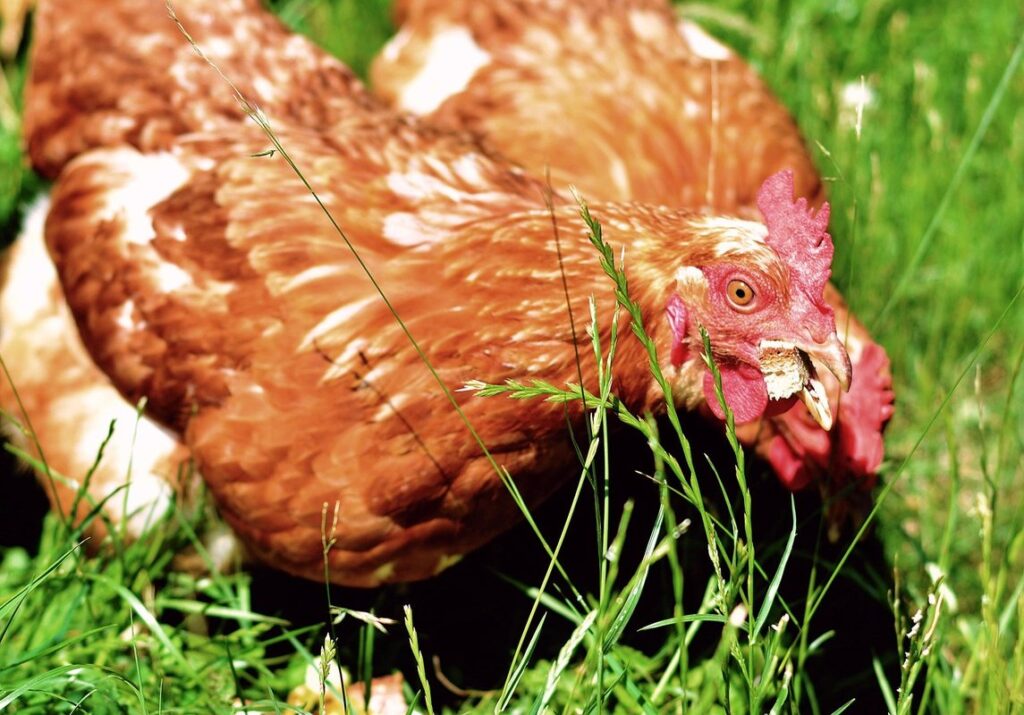
Understanding the Importance of Protein in Layer Feed
Protein plays a crucial role in layer feed, and understanding its importance is essential for keeping your flock healthy and productive. Let’s dive into why protein is so vital for laying hens.
Benefits of Adequate Protein in Layer Diets
Protein is a crucial component of layer diets, and its adequate levels play a significant role in maintaining overall health, egg production, and flock performance. When protein is present in the right amounts, it enables layers to produce high-quality eggs with optimal nutritional value.
Protein deficiency can lead to a decrease in egg production, resulting in fewer eggs per hen. This can be due to weakened immune systems or inadequate nutrient intake. Conversely, excessive protein levels can also cause problems, such as increased excretion costs, decreased feed efficiency, and potential health issues like kidney strain.
To ensure optimal performance, it is essential to find a balance between protein levels that meet the layer’s nutritional needs without exceeding them. The ideal protein percentage for layers varies depending on factors like breed, age, and production goals. A well-formulated layer feed should contain around 16-18% crude protein, with a balanced amino acid profile.
Aiming for this target will help you achieve peak performance from your flock while minimizing health risks associated with inadequate or excessive protein levels.
Common Mistakes in Layer Feed Formulation
When formulating chicken feed for layers, it’s easy to make mistakes that can have a significant impact on their health and productivity. One common error is underestimating the protein needs of laying hens. While it may seem counterintuitive, layer birds require more protein than broilers due to their intense egg-laying cycle.
Conversely, overestimating protein needs can also be detrimental, leading to excessive feed costs and potential environmental concerns. A study by the University of Wisconsin-Madison found that high-protein diets in layers resulted in higher nitrogen excretion and ammonia emissions. To avoid these mistakes, it’s essential to strike a balance between providing adequate protein for egg production and minimizing waste.
To ensure optimal layer feed formulation, consider the following: consult with experienced nutritionists or veterinarians; regularly monitor flock performance and adjust feeds accordingly; and prioritize using high-quality protein sources such as soybean meal or canola meal. By doing so, you can prevent costly mistakes and create a healthy, productive environment for your laying hens.
Protein Percentage Requirements for Different Breeds and Ages
When it comes to feeding your layers, you need to consider their breed and age when determining the optimal protein percentage. This section will break down the specific requirements for different breeds and ages of laying hens.
Nutritional Needs of Laying Hens at Different Stages
As laying hens mature from point-of-lay to peak production, their nutritional requirements change. Breed, age, and expected egg production all influence protein needs. For example, a Leghorn breed may require more protein than a Rhode Island Red due to its higher egg production rate.
At the point-of-lay stage (around 18-20 weeks), hens need about 1.2% protein in their diet to support growth and development. As they enter peak production (around 28-30 weeks), this requirement increases to around 1.5-1.7% protein. However, some breeds may require more or less protein depending on their individual needs.
It’s essential to consider the expected egg production when determining protein requirements. Hens producing more than 280 eggs per year will need a higher protein diet (around 2%) compared to those producing fewer eggs (around 1%). A general rule of thumb is to provide 0.25-0.5% more protein for every additional 10 eggs produced above the base level.
Providing the right amount of protein at different stages can help optimize egg production, reduce the risk of health issues, and improve overall flock performance.
Protein Percentage Recommendations by Breed Type
When it comes to protein percentage recommendations for layer breeds, there’s no one-size-fits-all approach. Different breeds have unique nutritional needs based on their growth rate, egg-laying potential, and overall health.
For example, Leghorns are a high-producing breed that requires more protein to support their rapid growth and prolific egg laying. A recommended protein percentage of 16-18% is suitable for Leghorns, ensuring they get the necessary amino acids for optimal performance.
On the other hand, Orpingtons and Marans are slower-growing breeds that prioritize quality over quantity when it comes to eggs. These breeds benefit from a slightly lower protein percentage of 15-17%, which supports their steady growth and egg production without compromising overall health.
These breed-specific recommendations are determined by factors such as growth rate, egg size, and the bird’s genetic potential for egg production. It’s essential to consult with a poultry expert or veterinarian to determine the optimal protein percentage for your flock based on its specific needs and characteristics. By choosing the right protein level for your layer breed, you can ensure they thrive and produce high-quality eggs.
How to Measure Protein Levels in Layer Feed
To accurately assess the protein levels in your layer feed, you’ll need to learn how to measure and calculate its protein percentage. This involves understanding the types of protein tests available.
Laboratory Analysis vs. On-Farm Testing
When it comes to determining protein levels in layer feed, two common methods are laboratory analysis and on-farm testing. While both have their advantages, they also come with distinct pros and cons.
Laboratory analysis involves sending a sample of the feed to an external lab for analysis. This method is generally considered more accurate and reliable due to the use of sophisticated equipment and techniques. However, it can be time-consuming and costly, which may not be feasible for small-scale producers. On the other hand, on-farm testing allows farmers to analyze their feed on-site using a kit or by sending a sample to an in-house lab. This method is faster and more affordable but may lack the precision of laboratory analysis.
The accuracy of both methods can be influenced by factors such as sample preparation, handling, and storage. For example, improper sampling techniques can lead to inaccurate results, while contamination during transportation can compromise the integrity of the sample. To ensure reliable results, it’s essential to follow standard protocols for collecting and processing feed samples. By understanding the strengths and limitations of each method, farmers can choose the best approach for their operation.
Calculating Protein Percentage Using Crude Protein (CP)
Calculating protein percentage using crude protein (CP) content is a straightforward process that requires some basic math skills and knowledge of nutritional values. To calculate the protein percentage, you need to know the CP content of the feed as a decimal value. For example, if the label indicates 18% CP, this means 18 grams of protein per 100 grams of feed.
To convert the CP value to protein percentage, multiply the CP value by 6.25. This is because one pound of feed contains approximately 0.893 pounds of protein, which is equivalent to 6.25 times the CP content. So, in our example, 18% CP multiplied by 6.25 gives you a protein percentage of around 112%. However, this calculation assumes that all the nitrogen in the feed is in the form of protein, which may not be the case.
A more accurate approach is to use a conversion factor specific to the type of feed and ingredients used. For instance, if your feed contains soybean meal, you can use a conversion factor of 5.7 instead of 6.25. This takes into account the varying nitrogen-to-protein ratios in different feed ingredients.
Choosing the Right Layer Feed with Optimal Protein Levels
When selecting a layer feed, it’s crucial to consider protein levels that support egg production without overfeeding your hens. Let’s explore how to choose the right protein percentage for your flock.
Factors Influencing Protein Level Selection
When selecting a layer feed with optimal protein levels, several factors come into play. These factors not only influence the type of feed to choose but also the specific protein level that suits your flock’s needs.
Budget constraints are often a significant consideration for farmers and backyard chicken keepers alike. A smaller farm or limited budget may necessitate opting for a lower-protein layer feed, which is generally more affordable than high-protein feeds. On the other hand, larger farms with more extensive resources can invest in higher-quality feeds that might offer better performance but come at a higher price.
Another crucial factor to consider is available resources on your farm. For instance, if you have a small farm with limited space for crop rotation and grassland management, you may need to opt for layer feeds that are formulated to meet specific nutritional needs, which can impact the protein level selection. Similarly, farms with more abundant resources can prioritize higher-protein feeds that support maximum egg production.
It’s essential to weigh these factors against your flock’s requirements and adjust accordingly. A general rule of thumb is to aim for a protein level between 16% and 18% for layers, but this may vary depending on the breed, age, and individual bird performance.
Label Claims vs. Actual Nutrient Content
When it comes to choosing the right layer feed with optimal protein levels, it’s essential to understand the difference between label claims and actual nutrient content. Label claims refer to the percentage of protein listed on the feed bag, but what does that actually mean in terms of the nutrients your flock is getting?
In reality, discrepancies can occur between labeled and actual protein levels due to various factors such as manufacturing processes, ingredient quality, and testing methods. For instance, a feed might be formulated with 18% protein, but the actual protein content may vary depending on how the ingredients are processed and mixed.
To put this into perspective, a study by the National Research Council found that protein content can differ by up to 10% between feed samples from the same batch. This highlights the importance of verifying the protein levels through third-party testing or using feeds from reputable manufacturers with transparent labeling practices. By being aware of these potential discrepancies, you can make more informed decisions about your flock’s nutrition and ensure they receive the optimal amount of protein for optimal health and egg production.
Managing Protein Levels to Optimize Layer Performance
To optimize layer performance, you’ll want to manage protein levels carefully, which means getting the right balance of essential amino acids into your flock’s feed. This section will explore how to do that effectively.
Strategies for Adjusting Feed Formulations
When it’s time to adjust the protein levels in layer feed formulations, a strategic approach is crucial to avoid disrupting the flock’s performance. Gradual changes are usually recommended to allow the hens’ digestive system to adapt to the new nutrient profile.
For example, if you need to increase the protein percentage from 16% to 18%, it’s best to make a gradual adjustment over several days or weeks. Start by increasing the protein level by 0.5-1% every few days and monitor the flock’s response. This can help prevent digestive issues and ensure that the birds continue to perform optimally.
In emergency situations, such as when a sudden increase in egg production requires additional protein, emergency adjustments may be necessary. However, these should still be done with caution and under close monitoring. It’s essential to consult with a poultry nutritionist or feed expert to determine the best course of action for your specific flock and environment. By being mindful of gradual changes and seeking professional advice when needed, you can optimize layer performance and keep your flock healthy and thriving.
Monitoring Flock Response to Protein Level Changes
Monitoring flock response to changes in protein levels is crucial to optimize layer performance. When introducing adjustments to protein levels, it’s essential to closely monitor the flock’s reaction. This involves observing changes in egg production, feed intake, and overall health.
Signs of inadequate protein levels include a decrease in egg production, pale or soft-shelled eggs, and an increase in mortality rates. On the other hand, excessive protein can lead to increased waste output, kidney damage, and reduced egg quality.
To monitor flock response effectively, regular checks on feed consumption, water intake, and litter conditions are necessary. Keep a detailed record of changes made to the feed and corresponding flock responses. Identify specific signs of nutrient deficiencies or excesses and adjust protein levels accordingly. For example, if you notice a significant drop in egg production after increasing protein levels, it may be necessary to reassess the current feeding strategy.
Regular monitoring will help you fine-tune your layer’s nutrition, preventing both under- and over-proteinization.
Conclusion: Optimizing Chicken Feed Protein Percentage for Layers
Now that you’ve learned how to choose the right protein percentage for your layers, let’s wrap up by exploring ways to optimize their feed to ensure maximum health and productivity. We’ll discuss practical tips to fine-tune their diet.
Recap of Key Takeaways
In conclusion, we’ve covered the essential aspects of chicken feed protein percentage for layers. To recap, accurate protein levels are crucial for optimal layer performance. We discussed the ideal protein percentage range for laying hens, which falls between 16% to 18%. This narrow window is vital for ensuring that your flock receives the right amount of protein for egg production and overall health.
We also highlighted the importance of not exceeding this upper limit, as excessive protein can lead to environmental pollution and negatively impact animal welfare. On the other hand, a deficiency in protein will result in decreased egg production and reduced feed efficiency. To give you a better understanding of these effects, consider this: research has shown that even a 1% increase in protein percentage can lead to a significant decrease in nitrogen excretion.
To optimize your chicken feed protein percentage for layers, follow these practical tips:
* Monitor your flock’s performance closely, adjusting the protein level as needed
* Use a reliable method to determine your hens’ actual protein requirements based on factors like age, breed, and production levels
* Consider consulting with a poultry nutritionist or using software that can help you formulate balanced feed rations
* Regularly check the nutritional content of your current feed and adjust it accordingly
By taking these steps and staying within the 16% to 18% protein range, you’ll be able to provide your layers with the right amount of protein for optimal performance. Remember, getting it just right is crucial – it’s not about overfeeding or under-feeding; it’s about finding that sweet spot where your hens thrive.
Frequently Asked Questions
What are the immediate steps I should take to adjust my current layer feed formulation to meet the optimal protein percentage requirements for my flock?
Start by reviewing your current feed label and identifying the protein percentage of your existing feed. Compare this with the recommended protein levels for your specific breed and age group, as outlined in our article. You can then begin to formulate a plan to either adjust your current feed or introduce a new feed that meets these requirements.
How do I monitor my flock’s response to changes in protein levels, and what signs should I look out for to ensure they are adapting well?
Monitoring your flock’s response to changes in protein levels is crucial. Look for signs such as egg production rates, overall health, feather condition, and behavior. If you notice any decline or significant changes, reassess the protein level adjustment and make necessary adjustments to optimize performance.
Can I use laboratory analysis versus on-farm testing for measuring protein levels in layer feed, and what are the benefits of each method?
Yes, both methods have their place. Laboratory analysis provides an accurate measure of protein levels but may not account for variations in individual hens’ nutrient requirements. On-farm testing allows you to monitor your flock’s specific needs over time but might be less precise than laboratory analysis.
What factors should I consider when calculating the crude protein (CP) percentage of my layer feed, and how can I ensure accuracy?
When calculating CP percentage, consider the type and quality of protein sources used in your feed. Ensure you’re using a reliable method for determining CP levels to avoid inaccuracies that might impact flock performance.
How do label claims versus actual nutrient content differ, particularly when it comes to protein levels in layer feeds?
Label claims may not always accurately reflect the actual protein levels present in the feed. This discrepancy can occur due to variations in feed manufacturing processes or differences in testing methods. Always verify the actual nutrient content through laboratory analysis or on-farm testing to ensure you’re providing your flock with optimal nutrition.