
The Oriental Dogwood tree is often overlooked as a stunning addition to any landscape, but its beauty and benefits make it well worth considering. If you’re looking for a low-maintenance yet visually striking tree that attracts birds and adds depth to your yard, look no further than the Oriental Dogwood.
With its rich history dating back thousands of years, this versatile tree has been prized for centuries in Eastern gardens for its unique foliage and showy white flowers. But beyond its aesthetic appeal, the Oriental Dogwood also offers a range of practical benefits, from providing food for wildlife to adding shade and texture to your outdoor space.
In this comprehensive guide, we’ll delve into the history, growth habits, and care requirements of the Oriental Dogwood tree, as well as explore expert tips on propagation and pruning. Whether you’re a seasoned gardener or just starting out, this article will provide you with everything you need to know to grow and maintain your own thriving Oriental Dogwood tree.
Introduction to the Oriental Dogwood
The Oriental dogwood tree is a stunning and versatile plant, often overlooked despite its numerous benefits. In this introduction, we’ll delve into what makes it so special.
History and Origins of the Tree
The Oriental dogwood tree has a rich history that spans thousands of years, with its origins dating back to ancient China. Native to the mountainous regions of East Asia, specifically in southern China and Japan, this stunning tree was highly prized for its unique beauty and medicinal properties. The tree’s introduction to new regions was largely facilitated by Buddhist monks who traveled along the Silk Road trade route, carrying seeds and saplings to cultivate in monasteries and gardens.
As Buddhism spread throughout Asia and beyond, so did the Oriental dogwood tree. In Europe, it was introduced in the 18th century through botanical gardens, where it quickly gained popularity for its showy white or pink flowers and attractive berries. Today, the Oriental dogwood is a common sight in many parts of North America, particularly in USDA zones 5-8, where it thrives in well-drained soils and full sun to partial shade conditions.
Despite its widespread cultivation, the Oriental dogwood remains an underappreciated gem in many gardens, often overshadowed by more popular ornamental trees. However, with proper care and attention, this remarkable tree can provide a lifetime of beauty, structure, and wildlife benefits for years to come.
Key Features and Characteristics
One of the most striking aspects of the Oriental Dogwood tree is its unique combination of distinctive features. Its bark, for instance, is a mottled gray and brown color, with deep furrows that give it a rugged texture. This rough exterior is not only visually appealing but also provides important protection against disease and pests.
The leaves of the Oriental Dogwood are another notable feature. They are dark green on top and pale yellow-green underneath, with 3 to 5 pointed lobes. In the fall, the leaves turn a vibrant red-purple color, creating a stunning display of autumn foliage. This beautiful leaf shape and coloration make the tree a popular choice for landscaping.
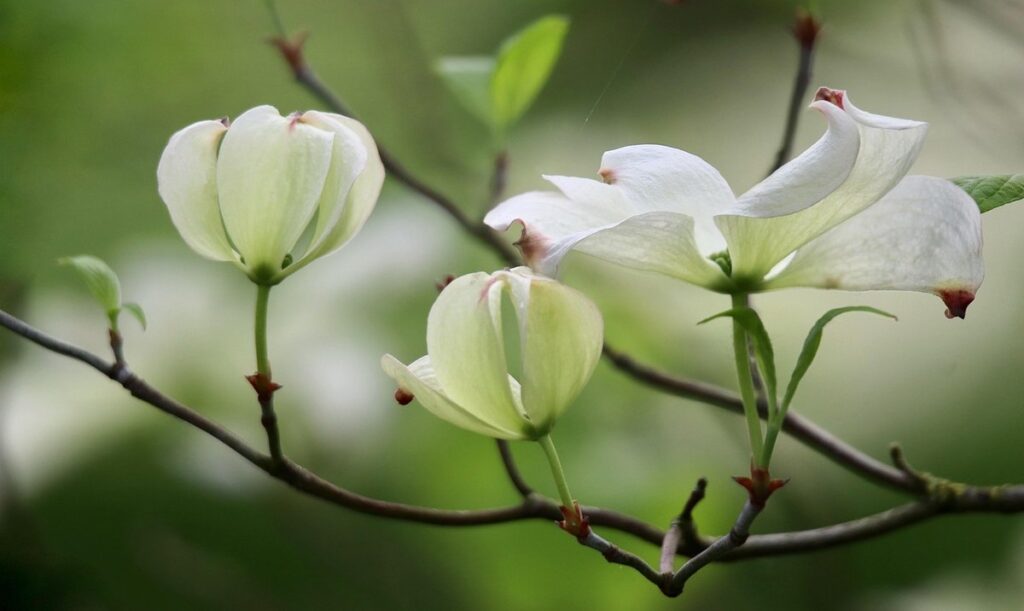
The flowers of the Oriental Dogwood are also worth noting. They are small, white, and clustered in flat-topped clusters at the ends of branches. In late spring, these flowers produce showy red fruit that is an important food source for birds and other wildlife. Overall, the combination of the tree’s bark, leaves, and flowers make it a visually appealing addition to any landscape.
Growing and Caring for the Oriental Dogwood
To ensure your Oriental Dogwood tree thrives, it’s essential to learn how to properly water, prune, and fertilize it. We’ll guide you through these crucial care practices in this section.
Planting and Site Selection
When planting an Oriental Dogwood tree, it’s essential to choose a location that provides optimal growing conditions. First and foremost, consider the amount of sunlight the area receives. While these trees can tolerate partial shade, they thrive in full sun to partial shade, so select a spot that gets at least four to six hours of direct sunlight per day.
In addition to sunlight, drainage is another crucial factor to consider. Oriental Dogwood trees prefer well-draining soil and can be susceptible to root rot if the soil is too wet or soggy. Look for an area with a gentle slope or elevation change to ensure excess water can drain away from the tree’s roots.
When selecting a specific location, also take into account nearby structures and power lines, as their branches can grow quite wide and high. Planting your Oriental Dogwood in a spot that leaves enough space for mature growth will save you headaches down the road.
In terms of soil type, these trees prefer slightly acidic to neutral soil with a pH between 5.5 and 7.0. Test your soil before planting to ensure it’s within this range.
Watering and Fertilization Needs
When it comes to watering and fertilizing your Oriental Dogwood tree, it’s essential to get it right. Overwatering can be detrimental to the tree’s health, while underwatering may not provide it with the necessary nutrients for growth.
Watering needs vary depending on the climate, soil type, and season. As a general rule of thumb, water your Oriental Dogwood tree regularly during its first year after planting, especially if it’s exposed to full sun. Aim to provide about 1 inch of water per week, either through rain or irrigation. During the spring and summer months, increase watering frequency to every 3-4 days in hot weather.
When it comes to fertilization, choose a balanced fertilizer with a 10-10-10 NPK ratio (nitrogen-phosphorus-potassium). Avoid high-nitrogen fertilizers, as they can promote weak growth. You can also use compost or well-rotted manure as a natural fertilizer alternative. Apply the fertilizer in early spring and late summer for optimal results. Some gardeners prefer using slow-release fertilizers to provide nutrients over an extended period.
Keep in mind that regular soil testing will help you determine if your tree is getting the necessary nutrients. Based on the test results, adjust your fertilization schedule accordingly. This ensures a healthy balance of nutrients for your Oriental Dogwood tree’s optimal growth and development.
Benefits and Uses of the Oriental Dogwood Tree
The Oriental dogwood tree offers a wide range of benefits and uses, from providing shade to attracting wildlife, making it a valuable addition to any landscape. Its versatility is one of its most appealing features.
Ornamental Value
When it comes to ornamental value, the Oriental Dogwood tree truly shines. Its stunning flowers and foliage make it a standout feature in any landscape design. Not only does it provide year-round interest with its vibrant blooms and changing leaf colors, but it also attracts pollinators like bees and butterflies to your garden.
In addition to its visual appeal, the Oriental Dogwood tree offers practical benefits as well. Its dense canopy provides excellent shade for outdoor living spaces, making it an ideal choice for patios and decks. This is especially important in warmer climates where shading can help reduce energy consumption and create a comfortable outdoor environment.
To maximize your Oriental Dogwood’s ornamental value, be sure to plant multiple trees together to create a stunning display of flowers and foliage. You can also prune the tree regularly to maintain its shape and promote healthy growth. By incorporating this beautiful tree into your landscape design, you’ll not only add visual interest but also create a haven for wildlife and a comfortable outdoor space for years to come.
Wildlife Habitat and Food Source
As a haven for wildlife, the Oriental dogwood tree offers an array of benefits to various species. Birds, in particular, are drawn to its berries, which ripen in late summer and early fall, providing a crucial food source during a time when other fruits are scarce. In fact, the Oriental dogwood’s fruit is often considered a vital component of many bird diets.
The tree’s structure also provides shelter for small mammals like rabbits and squirrels. Its dense foliage offers protection from harsh weather conditions, while its sprawling branches create an ideal habitat for these creatures to nest and raise their young. The Oriental dogwood’s ability to tolerate various soil types and moisture levels makes it a valuable resource for wildlife that inhabit areas with poor soil quality.
To attract more wildlife to your garden or yard, consider planting the Oriental dogwood tree in conjunction with other native species. This will not only enhance its appeal to local wildlife but also create a diverse ecosystem that promotes biodiversity.
Pests and Diseases Affecting the Oriental Dogwood Tree
Like any tree, your oriental dogwood can be vulnerable to certain pests and diseases that may threaten its health if left unchecked. We’ll cover these common issues below.
Common Pests and How to Manage Them
When it comes to pests affecting the Oriental dogwood tree, some common culprits include aphids and scale. Aphids are small, soft-bodied insects that feed on the sap of the tree’s leaves and stems, causing curled or distorted growth. They can also spread plant viruses as they feed.
To manage aphid infestations, inspect your tree regularly during peak growing seasons (spring-fall). Use a magnifying glass to spot early signs like sticky honeydew droplets on leaves or white, cottony patches where aphids cluster. For minor infestations, simply hose the tree with water to dislodge them.
Scale insects, on the other hand, secrete a waxy protective coating around themselves as they feed on plant sap. They can weaken the tree’s growth and spread diseases. To control scale populations, use insecticidal soap or horticultural oil sprays, following label instructions for application rates and timing.
In severe cases, consider consulting with a gardening professional for targeted treatments. By being proactive about pest management, you can minimize damage to your Oriental dogwood tree and keep it thriving.
Disease Prevention and Treatment
Preventing and treating diseases is crucial to maintaining the health and longevity of your Oriental Dogwood tree. Powdery mildew and root rot are two common issues that can be devastating if left unchecked.
Powdery mildew, caused by fungi such as Podosphaera anachroides, appears as a white, powdery coating on leaves and stems. To prevent it, ensure good air circulation around the tree by pruning nearby plants and maintaining a healthy distance between trees. Regularly inspect your tree for signs of infection and remove any affected areas to prevent further spread.
Root rot, typically caused by overwatering or poor drainage, can be identified by yellowing leaves, soft stems, and an unpleasant odor from the soil. To treat root rot, stop watering immediately and repot the tree in well-draining mix. Apply a fungicide specifically designed for root infections to prevent further damage.
Regular maintenance practices like pruning, watering carefully, and monitoring for pests can help prevent disease occurrence altogether. By being proactive and aware of potential issues, you can enjoy your Oriental Dogwood tree’s beauty and benefits for years to come.
Pruning and Maintenance Techniques for the Oriental Dogwood
To keep your Oriental Dogwood tree thriving, it’s essential to learn how to prune and maintain it properly, which we’ll cover in the following techniques. Regular pruning will encourage healthy growth and vibrant blooms.
When and How to Prune
Pruning is an essential aspect of maintaining your oriental dogwood tree’s health and appearance. When it comes to timing, late winter to early spring is the best season for pruning, as it allows the tree to recover from any damage before new growth begins.
To maintain the tree’s shape, prune any branches that are crossing or rubbing against each other, as well as those that are growing inwards towards the center of the tree. Remove any dead, diseased, or damaged branches to promote healthy growth and prevent the spread of disease. Prune back overgrown shoots by about one-third to encourage new branching.
When pruning your oriental dogwood, use clean, sharp tools to prevent spreading diseases. Cut just above a bud or lateral branch to encourage new growth from that point. Avoid making unnecessary cuts, as this can stress the tree and lead to disease or pest issues.
Regular pruning will also help promote blooming, as it allows for better air circulation around the flowers. Prune after blooming has finished to avoid cutting off flower buds. By following these simple steps, you’ll be able to maintain your oriental dogwood’s shape and promote healthy growth throughout the seasons.
Additional Tips for Healthy Tree Growth
To ensure your Oriental dogwood tree remains healthy and thrives for years to come, there are several additional tips you can follow. Mulching around the base of the tree is a great way to retain moisture, suppress weeds, and regulate soil temperature. This will help your tree conserve water and reduce its water consumption during hot summer months.
Another important tip is to provide support for young trees. If your Oriental dogwood is not yet fully established or has an uneven canopy, consider installing stakes to prevent damage from wind or heavy snowfall. Remove any stakes once the tree reaches maturity, as they can cause damage to the trunk if left in place too long.
Regular monitoring of your tree’s soil pH levels will also help promote healthy growth. Oriental dogwood trees prefer slightly acidic soil (pH 5.5-6.5), so if your soil is more alkaline, consider adding elemental sulfur or aluminum sulfate to lower it.
Finally, be mindful of nearby structures and power lines when pruning your tree to avoid accidental damage. Prune only what’s necessary to maintain the tree’s shape and promote air circulation around its interior branches.
Propagation Methods for the Oriental Dogwood Tree
To successfully grow and multiply your oriental dogwood tree, you’ll want to learn about its various propagation methods, which can be a bit tricky but rewarding. We’ll cover seed stratification, cuttings, and layering techniques in this next section.
Grafting and Budding
When it comes to propagating the Oriental Dogwood tree, grafting and budding are two popular techniques used by experienced arborists. Grafting involves joining a piece of stem (scion) from one plant onto the root system of another plant (rootstock). For Oriental Dogwoods, the scion is typically taken from a mature tree with desirable traits such as disease resistance or unique foliage patterns.
There are several grafting techniques used for Oriental Dogwood propagation, including whip and tongue, cleft, and bark grafting. The most common method used is whip and tongue grafting, where the scion is inserted into a trench cut in the rootstock, allowing the two to heal together. Budding involves inserting a single bud from one tree onto the stem of another tree.
Some key considerations for successful grafting include matching the scion with the correct rootstock species and ensuring that both plants are disease-free. Regular pruning and monitoring are also crucial for preventing any potential issues. With proper care, grafted Oriental Dogwood trees can thrive in a variety of environments and provide beautiful blooms and foliage for years to come.
Seed Germination and Sowing
Germinating seeds from an Oriental Dogwood tree requires patience and specific conditions. Begin by selecting healthy seeds that have been properly dried to maintain viability. Fill a small container with water, and gently submerge the seed, making sure it’s fully covered. Place the container in the refrigerator for 30 days, allowing the seed to undergo cold stratification. After this period, transfer the seed to a nursery or garden bed with well-draining soil. Sow the seed about 1/4 inch deep, and space them 12-18 inches apart.
When sowing multiple seeds, create rows that are spaced 3-4 feet apart, allowing for proper growth and air circulation. Water the soil gently but thoroughly after sowing. Keep the soil consistently moist during the germination period, which can take anywhere from 30 to 90 days. Maintain a temperature range of 65-75°F (18-24°C) to promote healthy seedling development.
It’s essential to note that not all Oriental Dogwood seeds will germinate successfully. However, by following these steps and providing the right conditions, you’ll increase the chances of successful seed germination and establishment.
Conclusion: The Versatility and Value of the Oriental Dogwood Tree
As you’ve learned about the unique characteristics and benefits of the Oriental dogwood tree, it’s clear that this plant is an excellent addition to any garden or landscape. Its versatility and value extend far beyond its attractive flowers and foliage. Not only does it provide a stunning display of color in the spring, but it also serves as a vital food source for various wildlife species during the summer months.
In terms of practical application, consider incorporating Oriental dogwood trees into your outdoor space to create a natural haven that benefits both you and local wildlife. With its adaptability to different soil types and sunlight conditions, this tree is an ideal choice for gardeners of all experience levels. By planting an Oriental dogwood tree in your yard, you’ll not only enhance the beauty of your surroundings but also contribute to the health of your ecosystem.
Frequently Asked Questions
Can I plant the Oriental Dogwood tree in a container or should it be directly planted in the ground?
You can successfully grow an Oriental Dogwood tree in a container, but make sure to choose a large enough pot with good drainage holes. This will help prevent waterlogged soil and root rot. Use a well-draining potting mix and consider adding fertilizer specifically formulated for trees.
How do I protect my Oriental Dogwood tree from severe weather conditions like strong winds or extreme temperatures?
To ensure your Oriental Dogwood tree withstands harsh weather, plant it in an area with some protection from direct wind and sun exposure. Regular pruning can also help maintain its shape and promote healthy growth. Additionally, mulching around the base of the tree will help retain moisture and regulate soil temperature.
What are some common pests that affect the Oriental Dogwood tree, and how can I prevent them?
The Oriental Dogwood tree is susceptible to pests like Japanese beetles, aphids, and spider mites. Regularly inspect your tree for signs of infestation and use organic or integrated pest management methods to control these pests. Keep your tree healthy by providing proper care, including watering, fertilization, and pruning.
Can I propagate the Oriental Dogwood tree from seed, and if so, what’s the best method?
While it is possible to propagate the Oriental Dogwood tree from seed, grafting or budding are generally more reliable methods for replicating the desirable characteristics of the parent tree. If you do choose to use seeds, make sure they come from a reputable source, and follow proper seed germination and sowing techniques.
How often should I prune my mature Oriental Dogwood tree, and what specific techniques should I use?
Regular pruning is essential for maintaining the shape, size, and health of your mature Oriental Dogwood tree. Prune it annually in late winter or early spring, removing dead, diseased, or damaged branches. Use proper pruning techniques like cutting just above a bud or branch collar to encourage new growth and prevent disease entry points.