
Are you ready to fall in love with one of the most charming and adorable chicken breeds around? Look no further than the Orpington Bantam! With their gentle nature, beautiful appearance, and affectionate personalities, it’s no wonder why these little birds have captured the hearts of many backyard flock owners. Whether you’re a seasoned breeder or just starting out with your first flock, understanding the history, characteristics, and needs of the Orpington Bantam is crucial for bringing joy and delight to your poultry keeping journey.
In this article, we’ll take an in-depth look at what makes these lovable birds so special. We’ll cover their rich history, unique temperament, and essential care requirements. From learning how to raise and breed them successfully to discovering the world of showing these charming birds, you’ll be well on your way to becoming an Orpington Bantam expert by the end of this article.
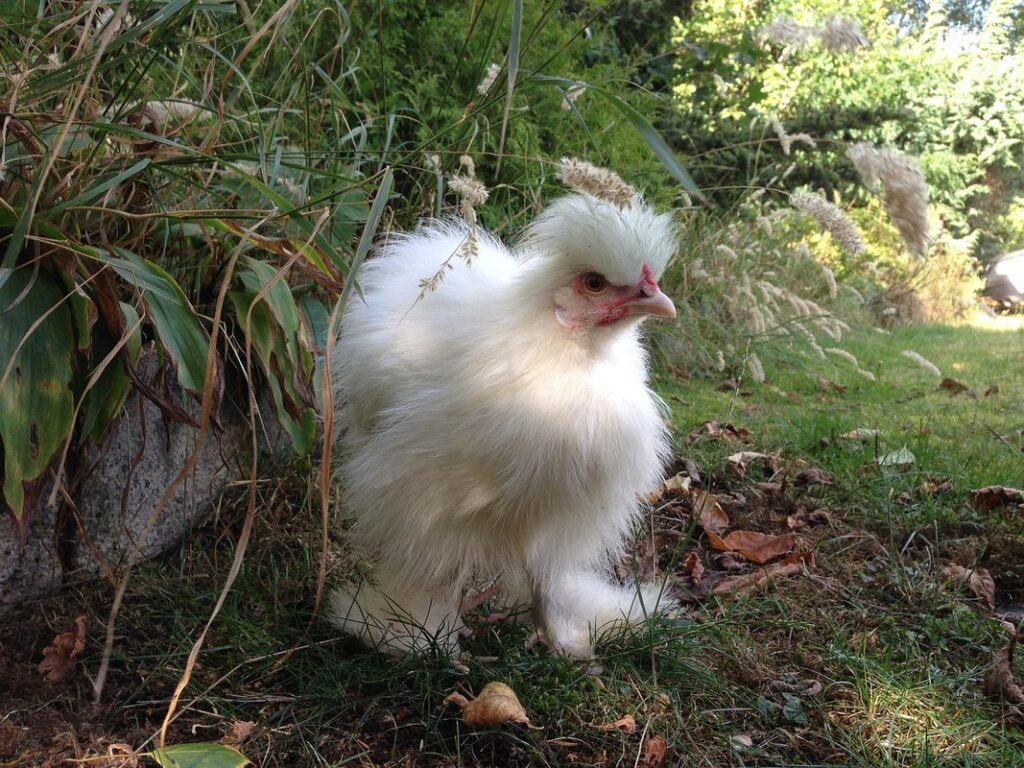
History and Origins of the Orpington Bantam
The origins of the lovable Orpington Bantam are steeped in history, dating back to the late 19th century when breeders first crossed the Langshan with other breeds. Let’s explore this fascinating past.
Early Development and Purpose
The story of the Orpington Bantam begins with its larger counterpart, the Orpington chicken. Developed in England in the mid-19th century by William Cook, the original Orpingtons were prized for their gentle nature and rich, luscious plumage. However, it wasn’t until later that breeders began experimenting with these birds to create a smaller companion animal.
By breeding down from the larger Orpingtons, farmers and enthusiasts aimed to produce a miniature version of this beloved breed. The result was the Orpington Bantam, characterized by its reduced size and endearing personality. Originally designed as lap chickens or pets, Orpington Bantams quickly gained popularity for their affectionate nature and manageable size.
One key factor in the development of the Orpington Bantam was the demand for smaller, more docile birds. With increasing urbanization and limited space, people sought animals that could thrive in confined areas while still providing companionship. Breeders successfully met this need by refining the Orpington Bantam’s temperament and physique to better suit domestic environments.
As a result of selective breeding, modern Orpington Bantams are known for their gentle disposition, relatively small size (around 6-8 pounds), and attractive feathering. Their ability to adapt to smaller living spaces has made them an ideal choice for families, apartment dwellers, or anyone seeking a low-maintenance yet affectionate companion animal.
Influence of Other Breeds on Its Creation
When the Orpington Bantam was first developed in the late 19th century, breeders drew inspiration from various breeds to create this unique and charming bird. Two notable influences on its creation were the Booted Bantam and the Japanese Bantam.
The Booted Bantam, with its compact size and friendly demeanor, is believed to have contributed significantly to the Orpington Bantam’s overall personality. Breeders also took note of the Japanese Bantam’s distinctive appearance, incorporating elements like its small beak and rounded feathers into the new breed. By combining these characteristics with the existing traits of the Old English Game Fowl, which was a foundational breed in itself, the Orpington Bantam began to take shape.
The result is a bird that embodies the best qualities from multiple breeds: hardiness, friendliness, and striking appearance. If you’re looking to raise an Orpington Bantam or are already familiar with this lovely breed, understanding its diverse ancestry can provide valuable insight into its needs, behavior, and unique characteristics.
Physical Characteristics and Varieties
When it comes to appearance, Orpington Bantams come in a range of colours and have distinct physical characteristics that make them instantly recognizable. Let’s take a closer look at what makes this breed so unique.
Size and Weight
One of the most distinctive features of the Orpington Bantam is its compact size. On average, an adult male Orpington Bantam will weigh around 28-30 ounces (800-850 grams) and stand about 7-9 inches (18-23 centimeters) tall at the shoulder. Females are slightly smaller, weighing in at around 26-28 ounces (740-800 grams). However, it’s essential to note that size can vary across different lines or bloodlines. Some breeders have developed Orpington Bantams with larger or smaller frames, so your bird may not fit this exact description.
When considering the size and weight of your Orpington Bantam, remember that they are a bantam breed, which means they are bred to be smaller than standard chickens. This compact size makes them an ideal choice for backyard flocks where space is limited. However, it’s still crucial to provide your Orpington Bantams with adequate living quarters and plenty of exercise opportunities to ensure their overall health and well-being.
If you’re planning to raise Orpington Bantam chicks from hatch, be aware that they will grow at different rates depending on their sex. On average, males will take around 18-20 weeks to reach full size, while females may take up to 22 weeks.
Plumage and Coloration
When it comes to the plumage and coloration of Orpington Bantams, one thing is clear: this breed is a rainbow of colors. The range of colors available for Orpington Bantams is quite extensive, with over 10 recognized varieties, including black, blue, buff, chocolate, lavender, lilac, red, silver-penciled, white, and wheaten.
The most striking feature of the Orpington Bantam’s coloration is its ability to display intricate patterns and markings. For example, the silver-penciled variety features a silvery-gray coat with black penciling on the wings and tail. Meanwhile, the buff variety boasts a beautiful golden-brown hue with white feathers on the face, breast, and belly.
According to the American Bantam Association breed standard, Orpington Bantams should have “a plump, compact body” and a “well-rounded head” with a “full, fluffed tail.” When it comes to coloration, the standard stipulates that the feathers on the wings and tail should be “strongly marked” and have “sharp edges.”
Temperament and Personality
Orpington Bantams are known for their gentle and affectionate nature, but how do they really stack up when it comes to temperament and personality?
Friendly Nature and Adaptability
One of the standout characteristics of the Orpington Bantam is their incredibly friendly and docile nature. This makes them an ideal addition to family farms or backyard flocks, as they are quick to form close bonds with their owners and other animals. They are known to be gentle and calm, even around young children, making them a great choice for families.
In fact, many Orpington Bantam owners report that their birds are so trusting and affectionate that they will often perch on their shoulders or lap while being handled. Their friendly nature also makes them relatively easy to train, as they are eager to please and quick to learn.
To harness the friendly nature of your Orpington Bantams, be sure to spend plenty of time with them from an early age, handling them gently and regularly. This will help them become confident and trusting, making it easier to care for them and build a strong relationship.
By recognizing and embracing their friendly and adaptable personalities, you can unlock the full potential of your Orpington Bantams and create a harmonious and loving backyard flock or farm environment.
Social Structure and Interaction with Humans
Orpington bantams are known for their gentle and affectionate nature, making them a delight to be around. They thrive on human interaction and attention, often following their owners around the yard and even seeking out cuddles on laps. This breed is particularly fond of being handled and will readily accept pets, scratches, and even snuggles.
In terms of social structure within the flock, Orpington bantams tend to be quite harmonious and get along well with other breeds, especially if introduced at a young age. However, as with any flock, it’s essential to monitor interactions and ensure that all birds are comfortable and secure around each other.
When introducing new birds to your existing flock, consider starting with similar-sized birds from the same breed group. This will help ease tension and prevent conflicts. With proper introduction and socialization, Orpington bantams can become an integral part of a peaceful and thriving multi-bird household.
As you build a relationship with your Orpington bantam, remember to set boundaries and respect their personal space when needed. By doing so, you’ll establish trust and strengthen the bond between you and your feathered friend.
Health Considerations and Care
When it comes to caring for your Orpington Bantam, understanding their unique health needs is crucial to ensuring they live a long and happy life. In this section, we’ll cover essential tips on maintaining their well-being.
Genetic predispositions to Certain Health Issues
As an owner of an Orpington Bantam, it’s essential to be aware of some genetic predispositions that can affect their health. One common issue is obesity, which can lead to a range of problems, including diabetes, heart disease, and mobility issues. Since Orpington Bantams are prone to overeating, monitor their food intake closely and provide regular exercise opportunities, such as foraging or playing in a secure outdoor area.
Respiratory problems, particularly bronchitis and pneumonia, can also affect this breed due to their compact body size and short beak shape. To mitigate this risk, keep your Orpington Bantam’s environment clean and free from dust, which can exacerbate respiratory issues. Consider using air purifiers or humidifiers in the coop to maintain optimal air quality.
Additionally, regular health checks with a veterinarian will help identify any potential issues early on. By being proactive about your Orpington Bantam’s health, you can prevent many of these problems and ensure they live a long, happy life.
Nutritional Requirements and Feeding Tips
When it comes to the nutritional requirements of Orpington Bantams, it’s essential to provide them with a balanced diet that meets their unique needs. As a small breed, they require more calories per pound than larger breeds, but their dietary needs are similar. A good quality layer feed should be the main staple of their diet, providing around 16-18% protein and 3-4% calcium.
In addition to layer feed, Orpington Bantams also benefit from a variety of fruits and vegetables, which can provide essential vitamins and minerals. Leafy greens like kale and spinach are particularly beneficial, as well as carrots and apples. However, it’s crucial to avoid overfeeding your birds, as this can lead to obesity and other health issues.
To ensure optimal nutrition, consider the following feeding tips:
* Provide fresh water at all times
* Offer a variety of fruits and vegetables daily
* Limit treats to no more than 10% of their total diet
* Avoid giving them high-sodium foods like table salt or processed meats
By following these guidelines, you can provide your Orpington Bantams with the nutrients they need to thrive.
Raising and Keeping Orpington Bantams
When it comes to raising and keeping Orpington Bantams, you’ll want to know how to provide them with a happy and healthy home environment. Let’s dive into the specifics of caring for these lovable birds.
Hatching and Brooding
When it comes to hatching and brooding Orpington Bantams, you’ll want to employ specific techniques that cater to their unique needs. As a breed known for their gentle nature, they are often favored by backyard flock owners who value their friendly demeanor.
For successful hatching, ensure the incubator is maintained at a precise temperature of 99-100°F (37-38°C) and humidity levels around 50-60%. Orpington Bantams typically take 21 days to hatch, so it’s essential to be patient and attentive throughout this period.
Once you’ve determined that eggs are fertile and viable, carefully transfer them to a brooder with adequate ventilation. A heat source, such as a heat lamp or heat plate, should maintain temperatures between 90-100°F (32-38°C) for the first week or two after hatching. Use a temperature gun to ensure accuracy.
As your chicks grow, gradually reduce the temperature by about 5°F (3°C) every week until they’re fully feathered and can tolerate ambient room temperature. Keep an eye on your brooder’s humidity levels, too – aim for around 40-50% during this period to prevent respiratory issues. With proper care and attention, your Orpington Bantam chicks will grow strong and healthy under your watch.
Integration into a Flock and Socialization
When introducing new Orpington Bantams to an existing flock, it’s essential to do so gradually and under close supervision. This allows the birds to become familiar with one another’s presence, reducing stress and aggression. Start by keeping the new birds in a separate enclosure near the main coop, allowing them to observe each other without direct contact.
Once they appear comfortable together, begin supervised introductions, initially in small groups and gradually increasing the number of birds. Monitor their behavior closely for signs of stress or aggression, such as feather plucking, screaming, or fighting. If you notice any adverse reactions, separate the birds immediately and reintroduce them at a slower pace.
A calm and stable environment will help your Orpington Bantams feel secure and accepted by each other. This is particularly important in the early stages of integration, when establishing social bonds within the flock.
Breeding and Showing Orpington Bantams
If you’re interested in breeding or showing your Orpington Bantam, you’ll want to learn about the specific characteristics and requirements for these endeavors. This section will guide you through what to expect.
Breed Standards and Judging Criteria
When showing Orpington Bantams, breeders and enthusiasts should understand what characteristics judges look for to award these charming birds. The first key characteristic is a balanced and symmetrical build, with well-set tails and a compact body. Judges also evaluate the bird’s size, as Orpington Bantams are expected to weigh between 22-26 ounces (620-740 grams).
The plumage of an Orpington Bantam is another crucial aspect in judging. The breed comes in several varieties, including Light, Dark, and Opal, each with unique characteristics such as a silvery or golden sheen on the wings and tail. Judges look for birds that have rich, vibrant colors and even feathering.
In addition to physical appearance, temperament plays a significant role in the judging process. Orpington Bantams are known for their friendly and docile nature, but judges also expect them to be alert and responsive to commands. A bird that is too aggressive or fearful may be penalized, while one that exhibits confidence and curiosity will fare better.
Ultimately, breeders who aim to succeed in shows must carefully select birds with the right combination of physical characteristics and temperament. By understanding what judges look for, enthusiasts can make informed decisions when choosing breeding stock and improve their chances of winning at Orpington Bantam shows.
Tips for Successful Breeding Programs
Developing a successful breeding program for Orpington Bantams requires careful consideration of genetics, egg production, and temperament. When selecting birds for your program, prioritize diversity to maintain genetic integrity and avoid inbreeding. This means choosing birds with a mix of ancestry from reputable breeders or registries.
When it comes to egg production, focus on birds that are both prolific layers and good mothers. A bantam hen should lay an average of 200-250 eggs per year, and be capable of raising her own chicks without assistance. Consider factors such as egg size, shell quality, and fertility when selecting breeding stock.
Temperament is also crucial in a successful breeding program. Orpington Bantams are known for their friendly and docile nature, so prioritize birds that exhibit these traits. A calm and gentle temperament will not only make your birds easier to handle but also help them thrive in the show ring or as backyard pets.
Frequently Asked Questions
What are some essential health checks I should perform regularly on my Orpington Bantams?
Regular health checks are crucial to detect any potential health issues early on. Make it a habit to inspect your birds’ feathers, beaks, and eyes for signs of mites, lice, or other parasites. Check their overall weight, posture, and movement, and look out for any unusual behaviors or sounds. It’s also essential to monitor their droppings and urine output for any signs of health problems.
How do I introduce new Orpington Bantams to my existing flock, especially if they have different personalities?
Introducing new birds to an existing flock requires careful planning to avoid stress and potential conflicts. Start by keeping the new birds in a separate enclosure or run for a few days before introducing them to the main flock. Observe their behavior and body language to ensure they’re comfortable with each other. Gradually introduce them under close supervision, rewarding calm behavior.
Can Orpington Bantams be kept as solo pets, or do they require company from other birds?
While Orpington Bantams are social birds that thrive in the company of others, it’s possible to keep a single bird as a pet with proper care and attention. However, you’ll need to provide them with plenty of space to move around, toys, and stimulation to prevent boredom and stress. Regular interaction and handling will also be essential to ensure they remain happy and healthy.
What are some common genetic predispositions I should be aware of when breeding Orpington Bantams?
As a responsible breeder, it’s essential to understand the genetic characteristics that can affect your birds’ health. Orpington Bantams may be prone to certain health issues, such as egg-related problems or reproductive issues in females. Research and work with reputable breeders to ensure you’re aware of these potential concerns and take steps to minimize their impact on your breeding program.
How often should I collect eggs from my Orpington Bantam hens, especially if they’re laying regularly?
Regular egg collection is crucial for maintaining a healthy flock. Aim to collect eggs at least once or twice daily, depending on the number of hens you have and their individual laying habits. This will prevent bacterial growth, reduce stress on your birds, and ensure you can monitor any potential issues with egg production or health.