
If you’re considering adding some new feathered friends to your backyard flock, the Orpington chicken breed is definitely worth a closer look. With their gentle nature and impressive size, it’s no wonder they’ve become a favorite among backyard keepers and small-scale farmers alike. But before you bring home those adorable fluffy faces, it’s essential to understand what makes this breed tick.
In this article, we’ll delve into the origins of the Orpington chicken breed, exploring its physical characteristics that make them such magnificent birds. We’ll also discuss their temperament, examining why they’re often described as docile and easy-going. Additionally, we’ll touch on some important health considerations to ensure you can provide the best possible care for your new feathered companions. By the end of this article, you’ll be well-equipped to decide if the Orpington is right for your backyard or farm.
Origins and History
The Orpington chicken breed has a rich history that dates back to the mid-19th century, originating from England’s famous poultry farm, Walcount. Let’s explore its fascinating origins and evolution.
The Early Development of Orpingtons
The Orpington breed has its roots in England during the mid-19th century. At that time, farmers were looking for a dual-purpose chicken that could provide both eggs and meat. The first Orpingtons were developed by William Cook of Orpington, Kent, who crossed various breeds to create a robust and fertile bird. This initial purpose was to meet the growing demand for eggs from small farms and villages.
The result was a chicken that excelled in both egg-laying and meat production. Initially, Orpingtons were marketed as a dual-purpose breed, suitable for both commercial and backyard farming. As their popularity grew, they became known for their gentle nature and attractive plumage. By the late 19th century, the Orpington had gained widespread recognition, with its unique characteristics drawing attention from poultry enthusiasts across England.
Cook’s innovative breeding efforts led to the creation of the first standardized breed standard in 1894. This marked a significant milestone in the development of the Orpington breed and paved the way for their global popularity.
The Impact of Robert Cox on the Breed’s Development
Robert Cox’s contributions to the Orpington breed cannot be overstated. As a pioneering poultry breeder and expert of his time, he played a pivotal role in shaping the characteristics that make this breed so beloved today. In 1886, Cox began selectively breeding chickens with exceptional feathering, temperament, and egg-laying abilities. His primary goal was to create a bird that could thrive on small farms or in urban environments, yet still provide an abundance of eggs.
Cox’s meticulous selection process involved choosing birds with the most striking plumage, combining characteristics from various breeds, including the Sussex and the Plymouth Rock. This led to the development of three distinct Orpington varieties: Black, White, and Buff. Cox’s experience as a breeder served him well in this endeavor; he understood what made for a desirable chicken and carefully selected traits that would make his birds both beautiful and productive.
As a result of Cox’s efforts, the Orpington breed quickly gained popularity among poultry enthusiasts worldwide. The breed’s exceptional qualities – from its rich colors to its impressive egg-laying abilities – have stood the test of time, ensuring the Orpington remains one of the most popular breeds in existence today.
Notable Features of Early Orpingtons
Early Orpingtons were renowned for their impressive size, with hens weighing up to 6 pounds and roosters reaching a whopping 10 pounds. Their large frame, combined with their gentle disposition, made them an instant hit among backyard chicken keepers. The breed’s distinctive feathering was another notable feature – soft, fluffy, and in shades of gold, blue, or black, it added to the Orpington’s charm.
Their temperament played a significant role in their popularity. Early Orpingtons were known for being calm, docile, and easy-going, making them an excellent choice for families with children or for those new to raising chickens. Their friendly nature also made them great foragers, allowing them to roam freely without the need for extensive fencing.
In terms of practicality, early Orpingtons laid a moderate number of large eggs – around 180-200 per year – making them a reliable choice for small-scale egg production. If you’re considering raising an Orpington flock, keep in mind their space requirements: they need plenty of room to roam and exercise. With proper care and attention, early Orpingtons made excellent companions and provided a steady supply of fresh eggs.
Physical Characteristics
The Orpington chicken breed boasts a stunning appearance, and in this next part, we’ll dive into their distinctive physical characteristics that make them such a beloved favorite among backyard flock owners.
Body Type and Size
When it comes to the physical characteristics of Orpington chickens, one of the most notable aspects is their body type. According to the breed standard set by organizations like the American Poultry Association (APA), Orpingtons are a medium to large-sized breed, with males weighing between 9-12 pounds and females weighing between 7-10 pounds.
In terms of height, Orpingtons typically stand around 20-24 inches tall. Their overall build is stout and compact, making them a popular choice for backyard flocks due to their ability to thrive in smaller spaces. When it comes to specific breed characteristics, the APA standards call for Orpingtons to have a “deep, rounded breast” and a “well-rounded body with a short, easy-fitting tail.” To achieve this ideal build, many breeders emphasize proper nutrition and exercise from an early age.
If you’re working with young Orpington chicks, be sure to provide them with plenty of space to roam and forage. As they mature, their diet should include high-quality feed that supports muscle growth and bone development. With careful attention to their physical needs, you can help your Orpingtons grow into healthy, well-proportioned birds that meet the breed standard in all aspects.
Plumage Varieties
The Orpington breed is renowned for its stunning plumage varieties, which come in a range of colors and patterns. Among these, the most popular and sought-after are the Black, Blue, Buff, Jubilee, Cuckoo, Lavender, and White.
When it comes to choosing an Orpington, the plumage variety is often a deciding factor for many breeders and enthusiasts. The Black Orpington, with its sleek and glossy feathers, is one of the most recognizable varieties. Their deep, rich color makes them stand out in any flock. On the other hand, the Blue Orpington has a softer, greyish-blue plumage that’s both elegant and sophisticated.
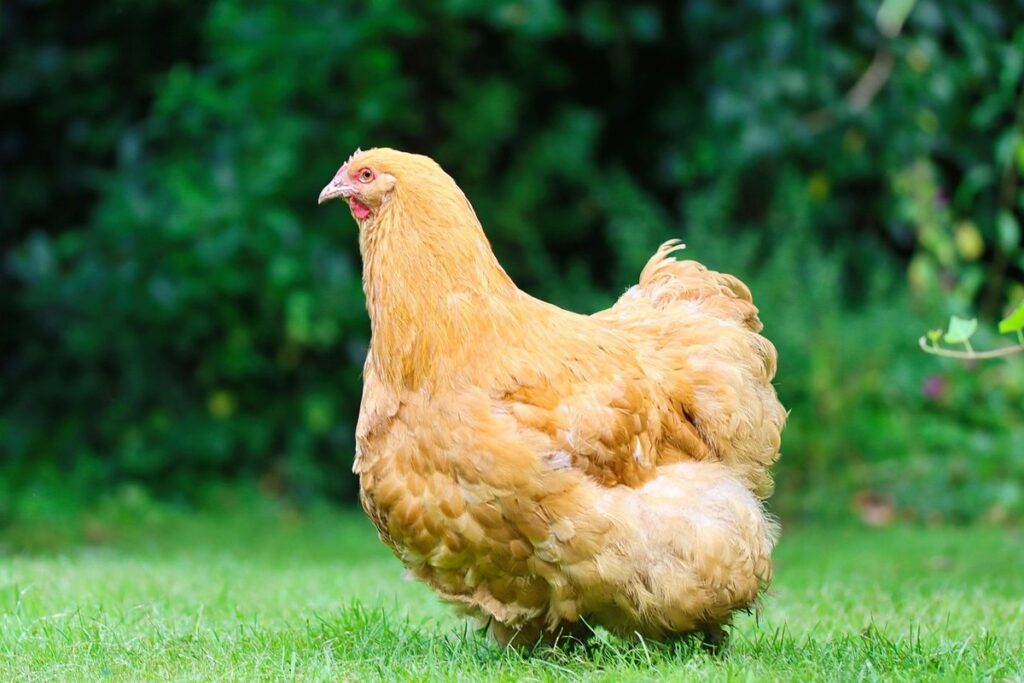
The Buff Orpington, with its warm golden tones, adds a touch of sunshine to any farm or backyard. Meanwhile, the Jubilee Orpington boasts a beautiful mottled mix of black and gold feathers, creating a unique and eye-catching appearance. If you’re looking for something truly rare and exotic, consider the Lavender or Cuckoo Orpingtons – their subtle sheens and delicate patterns will add a touch of whimsy to your flock.
One practical tip when selecting an Orpington is to research the specific needs and characteristics of each plumage variety. For example, some breeds may require more grooming than others due to their feathering or beak shape.
Comb Type and Other Features
One of the most distinctive features of Orpington chickens is their comb type. You’ll come across two main varieties: rose and single combs. The rose comb is a popular choice among breeders due to its striking appearance, with five rounded points that resemble a rosebud. On the other hand, the single comb is simpler in design, featuring a single peak on top of the chicken’s head. Both types have their pros and cons – rose combs tend to be more resistant to frostbite but may be more prone to disease, while single combs are generally easier to manage.
In addition to comb type, Orpingtons are also known for their distinctive wattles and earlobes. Wattles are the loose flaps of skin hanging from the chicken’s neck, and in Orpingtons, they’re typically long and curved. Earlobes, on the other hand, refer to the folds of skin surrounding the chicken’s ears. Both wattles and earlobes can vary in size and shape across individual birds, but in general, Orpingtons have quite prominent examples of both. When selecting an Orpington for breeding or purchase, be sure to inspect these features closely to get a better understanding of your bird’s overall health and quality.
Temperament and Behavior
One of the joys of owning an Orpington is their gentle, affectionate nature, which makes them a great fit for families and first-time chicken keepers. Let’s dive into the key personality traits you can expect from your feathered friends.
Known for Their Friendly Nature
One of the most endearing qualities of Orpington chickens is their incredibly friendly nature. These gentle giants are a joy to have around, making them an excellent choice for families with children or those new to chicken keeping. Their calm and docile temperament is perfect for beginners, as they’re unlikely to get aggressive even when handled regularly.
In fact, many Orpington owners report that their birds become quite tame, often seeking attention from family members and even visiting them in the backyard. This friendly nature makes them an excellent addition to any backyard flock, as they’ll easily integrate with other breeds and personalities. What’s more, their laid-back demeanor means they’re less likely to stress about predators or noise, making them a great choice for urban or suburban areas.
If you’re looking to bring some of this friendliness into your own backyard, consider introducing an Orpington chick to your flock when it’s around 4-6 weeks old. With gentle handling and regular socialization, these birds will quickly become part of the family – and they’ll reward you with plenty of eggs, affection, and entertainment in return!
Hens’ Egg-Laying Capacity
When it comes to egg-laying capacity, Orpington hens are known for their impressive productivity. On average, a healthy Orpington hen will lay around 200-220 eggs per year, although this can vary depending on factors such as breed quality, nutrition, and living conditions.
Some individual Orpingtons have been known to produce up to 250 or more eggs in a single year, but these are the exceptions rather than the rule. It’s also worth noting that egg production tends to decline with age, so hens typically lay fewer eggs as they get older.
To maximize your Orpington’s egg-laying capacity, make sure she has access to plenty of fresh water and high-quality feed, rich in protein and calcium. You should also provide a safe and comfortable living environment, free from stress and predators.
If you’re looking to breed or raise Orpingtons specifically for their eggs, consider selecting hens that are known for their high egg-laying potential. With proper care and attention, an Orpington hen can be a reliable and productive addition to your flock.
Tolerance and Adaptability
One of the most notable characteristics of Orpington chickens is their exceptional tolerance and adaptability. Whether you’re raising them in a bustling backyard flock or a cozy apartment dwelling, these gentle giants can thrive in almost any environment. Their ability to adjust to different climates and living conditions makes them an ideal choice for breeders and hobbyists alike.
Orpingtons are remarkably flexible when it comes to confinement versus free-range environments. They’re content with being cooped up in a small space as long as they have adequate ventilation, but they’ll also happily roam freely if given the chance. This adaptability is particularly useful for urban farmers or those living in areas with limited outdoor space.
In practice, this means you can raise Orpingtons in a variety of settings. They do well in apartments with large windows or screened-in porches, and they’re equally comfortable in spacious backyards or farmyards. As long as they have access to fresh air, clean water, and suitable shelter, these birds will be happy and healthy.
When choosing an environment for your Orpingtons, consider their individual needs and personalities. If you notice any signs of stress or discomfort, make adjustments accordingly. For example, if your birds seem anxious in a crowded space, try providing additional perches or enrichment activities to keep them occupied.
Health Considerations
When it comes to owning Orpington chickens, there are several health considerations you’ll need to keep in mind for their well-being and longevity. We’ll explore some of these key concerns here.
Common Health Issues in Orpingtons
As an Orpington owner, it’s essential to be aware of the common health issues that can affect your flock. Unfortunately, these lovely birds are prone to several problems that can impact their quality of life and lifespan. One of the most significant health concerns for Orpingtons is obesity. These birds love to eat, and if you don’t keep a close eye on their food intake, they can quickly become overweight.
Obesity can lead to various secondary health issues, such as diabetes, joint problems, and respiratory difficulties. To prevent this, make sure to provide your Orpingtons with plenty of exercise and fresh air. Consider letting them free-range in a secure area or creating a fun obstacle course for them to enjoy.
In addition to obesity, reproductive problems are another common issue affecting Orpington hens. Factors such as diet, stress, and genetics can contribute to issues like egg yolk peritonitis (EYP) and vaginal prolapse. Regular health checks, proper nutrition, and stress management can help minimize the risk of these problems.
Heat stress is also a significant concern for Orpingtons, especially in hot climates or during heatwaves. These birds have thick feathers that can trap heat, making them more susceptible to heat-related illnesses. Provide your flock with plenty of shade, ventilation, and access to cool water to help keep them comfortable and healthy.
Tips for Maintaining Healthy Flocks
As an Orpington owner, maintaining a healthy flock is crucial for their overall well-being and longevity. A balanced diet plays a significant role in keeping your birds happy and healthy. Ensure they have access to high-quality layer feed or starter feed depending on their age, as well as fresh water at all times.
In addition to a nutritious diet, exercise is essential for Orpingtons. Provide them with enough space to roam around, including perches and nesting boxes. Aim for at least 8-10 square feet of space per bird inside the coop and 12-15 square feet outside in the run. You can also consider adding toys or enrichment activities like scratch grains or puzzle feeders to keep their minds engaged.
Regular monitoring is also vital in identifying potential health issues early on. Keep an eye out for signs such as droopy wings, labored breathing, or changes in appetite. Schedule regular check-ups with a veterinarian experienced in poultry care, and follow any recommended vaccination schedules. By prioritizing diet, exercise, and health checks, you’ll be well on your way to maintaining a thriving Orpington flock.
Breeding and Raising
If you’re interested in raising Orpington chickens, understanding their breeding and raising requirements is crucial for a healthy flock. This section will walk you through those essential details.
Choosing the Right Parent Stock
When it comes to breeding Orpingtons, choosing the right parent stock is crucial for producing high-quality chicks. Genetics play a significant role in determining the characteristics of your birds, including their temperament, growth rate, and egg-laying ability. To ensure you’re getting the best genetics possible, look for parent stock with a proven track record of excellence.
When selecting parent stock, consider factors such as health clearances, fertility rates, and breed standard conformity. Check if the parents have been tested for diseases like Marek’s and Salmonella, which can be costly and time-consuming to treat. A healthy flock is essential for maintaining good egg production, reducing mortality rates, and minimizing veterinary expenses.
Temperament also matters when choosing parent stock. Select birds that are friendly, docile, and easy-going, as these traits will be passed down to their offspring. This is particularly important if you plan to show your Orpingtons or sell them to other breeders who value gentle natured birds.
Tips for Brooding and Raising Chicks
Raising Orpington chicks requires careful attention to their nutritional needs and environmental considerations. To begin with, it’s essential to provide a safe and warm brooding environment. A brooder should be draft-free and maintained at a temperature between 90-100°F (32-38°C) for the first week or two after hatching. You’ll also need to ensure access to fresh water and a starter feed that is high in protein.
Orpington chicks are naturally friendly and social, so it’s crucial to provide them with adequate space to move around. A minimum of 1/4 square foot per chick is recommended, but more space will always be beneficial. Make sure the brooder has adequate ventilation and isn’t too crowded, as this can lead to health issues.
Monitor their growth closely, checking for signs of distress or illness. It’s also essential to introduce new feed gradually, starting with a starter crumble around 4-5 days old and switching to layer pellets by around 16 weeks. By paying attention to these details, you’ll be well on your way to raising healthy and happy Orpington chicks that will thrive in the months to come.
Conclusion
If you’re considering adding an Orpington chicken breed to your backyard flock, we hope this guide has been informative and helpful. Now that you’ve learned about their gentle nature, beautiful plumage, and exceptional egg-laying abilities, it’s time to think about what makes the best home for these lovable birds. Remember that every farm or homestead is unique, so take into account your specific climate, available space, and chicken-keeping experience when deciding if an Orpington is right for you.
Make sure to factor in their need for regular exercise and social interaction – they thrive on human connection! With proper care and attention, these birds can become cherished companions and valuable additions to your farm or homestead. So, take the next step by researching local breeders, visiting farms that already have Orpingtons, or even asking fellow chicken keepers about their experiences with this wonderful breed.
Frequently Asked Questions
Can Orpingtons be raised in small backyards or urban areas?
Yes, despite their impressive size, Orpington chickens can thrive in smaller spaces with proper care and management. They are a good choice for backyard keepers due to their gentle nature and relatively low space requirements.
How do I ensure my Orpington flock stays healthy?
Regular health checks, vaccinations, and parasite control measures are crucial to maintaining a healthy Orpington flock. Provide clean living conditions, adequate nutrition, and access to fresh water to help prevent common issues like respiratory problems and mites.
Can I breed Orpingtons for specific characteristics or traits?
Yes, if you have experience in breeding and selecting for desired traits, you can work towards developing Orpington chickens with specific characteristics. However, this requires a solid understanding of genetics and careful selection to avoid compromising the overall health and fertility of your birds.
What’s the ideal number of roosters to hens ratio in an Orpington flock?
A general rule of thumb is to have one rooster for every 5-7 hens. This helps maintain social order, reduces aggression, and prevents over-mating stress on the females. Monitor your flock’s dynamics and adjust accordingly based on individual personalities.
How do I introduce new Orpington chickens to an existing flock?
Gradual introduction is key when introducing new birds to a resident flock. Start by keeping them separate for a few days, then allow supervised interactions under close observation. This helps prevent stress and potential conflicts between the old and new birds.