
Are you considering adding an Orpington chicken to your backyard flock? These lovable hens have captured the hearts of many with their gentle nature, beautiful plumage, and exceptional egg-laying abilities. Not only do they make wonderful pets, but they’re also a great choice for those looking to supplement their household’s egg supply.
In this article, we’ll delve into the world of Orpington chicken care, covering essential topics such as housing, nutrition, health care, and breeding. Whether you’re an experienced poultry keeper or just starting out, our comprehensive guide will equip you with the knowledge needed to raise happy and healthy Orpington hens. From their dietary requirements to tips on promoting egg production, we’ll explore the benefits of keeping these charming birds as pets or for egg production. Let’s get started!
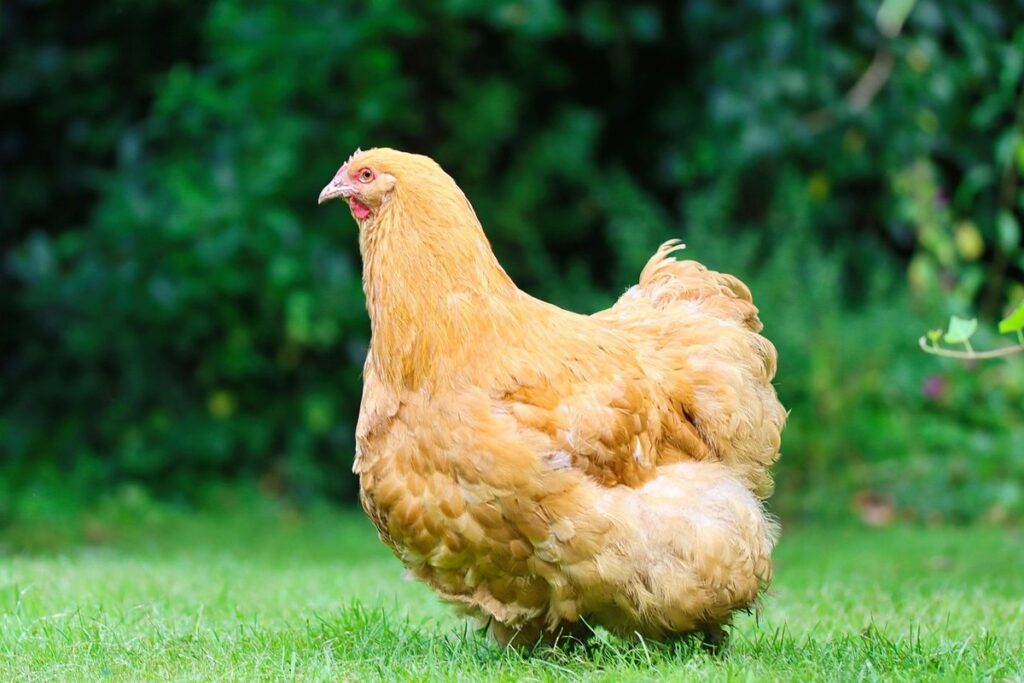
Overview of the Orpington Breed
Let’s start by learning more about the Orpington breed, which is known for its friendly and docile nature, making it a great choice for backyard chicken keepers.
Origin and History of the Breed
The Orpington breed has its roots in England, specifically in the town of Orpington in Kent. In 1886, William Cook, a local breeder and butcher, developed this magnificent breed by crossing various breeds to create a robust, docile, and beautiful bird. The goal was to produce a chicken that would thrive in the harsh English climate and provide a reliable source of fresh eggs.
The Orpington quickly gained popularity among farmers and enthusiasts due to its exceptional characteristics. It’s no wonder why this breed became a favorite among backyard keepers! Not only are they stunning, but their calm nature makes them an excellent choice for families with children or for those new to chicken keeping. The breed’s adaptability to various living conditions also made it a hit among farmers.
Interestingly, the Orpington’s unique appearance is not its only notable feature. They’re also prolific egg layers, producing an average of 200-220 brown eggs per year! This is just one reason why many backyard keepers swear by this breed. With proper care and attention, your Orpington hens will thrive in your backyard, providing you with a steady supply of fresh eggs and endless enjoyment.
Key Characteristics of Orpington Chickens
Orpington chickens are known for their distinctive physical characteristics that set them apart from other breeds. They come in a variety of colors, including black, blue, buff, and white, but one thing they all have in common is their beautiful, fluffy plumage. This soft, downy coat not only makes them look stunning but also helps to keep them warm in cold temperatures.
When it comes to temperament, Orpington chickens are friendly, docile birds that make excellent pets for families with children or for backyard chicken enthusiasts. They are known to be calm and gentle, which is why they’re often described as “laid-back” compared to other breeds.
Orpington hens are also prolific egg layers, producing an average of 200-220 brown eggs per year. While their egg-laying abilities may not be the highest among all chicken breeds, their steady production makes them a reliable choice for those looking for a consistent source of fresh eggs.
One thing to keep in mind when owning Orpington chickens is that they can be prone to obesity if overfed or under-exercised. To prevent this, make sure to provide plenty of space for them to roam and engage in physical activity, as well as limit their food intake to a balanced diet.
Choosing the Right Type of Orpington Hen
When it comes to bringing home your first Orpington hen, selecting the right breed is crucial for a harmonious flock. You’ll want to consider factors like egg-laying ability and temperament to make an informed decision.
Single-Cook or Black-Breasted Red: Which One is Right for You?
When it comes to choosing an Orpington hen, one of the most significant decisions you’ll make is selecting the right type. The breed offers several variations, but two popular options are the single-cocked and black-breasted red. To help you decide which one suits your needs, let’s break down the differences between these two types.
Single-cocked Orpington hens have a distinctive appearance with their white feathers and black hackle feathers. They are known for their friendly nature, making them an excellent choice for families or those who want a docile bird. Black-breasted red Orpingtons, on the other hand, boast striking plumage with their black breast feathers and reddish-brown body. These hens are often described as being more energetic than single-cocked Orpingtons.
Consider your lifestyle when choosing between these two types. If you’re looking for a low-maintenance bird that’s easy to handle, the single-cocked might be the better choice. However, if you want a more dynamic and lively companion, the black-breasted red could be the way to go.
Considerations When Selecting an Orpington Hen
When selecting an Orpington hen, it’s essential to consider several key factors to ensure you’re getting the right bird for your flock and living situation. First and foremost, think about space requirements. Orpingtons are a medium-sized breed, and while they don’t need as much room to roam as some other breeds, they still require adequate space to move around comfortably.
Noise levels are another crucial consideration. Orpingtons are known for their gentle and quiet nature, making them an excellent choice for backyard flocks or those who live in residential areas with noise restrictions. However, it’s worth noting that they can be a bit more vocal than some other breeds when communicating with each other.
Climate adaptability is also vital to consider. Orpingtons are generally hardy birds and can thrive in various climates, but they do prefer cooler temperatures. If you live in an extremely hot or cold region, it’s essential to provide your Orpingtons with adequate shelter and shade to protect them from the elements.
Ultimately, taking these factors into account will help ensure that you’re choosing the right Orpington hen for your specific needs and circumstances.
Housing and Environmental Requirements
When it comes to providing a happy home for your Orpington hen, you’ll want to create an environment that meets her specific needs. This includes designing a suitable coop and run space.
Providing Adequate Space for Your Orpington Hens
When it comes to housing your Orpington hens, providing adequate space is crucial for their overall health and well-being. These gentle giants need room to move around and exercise regularly, which can be challenging considering their large size and feathered plumage. As a general rule of thumb, ensure that each hen has at least 2-4 square feet of space inside the coop and about 8-10 square feet in the run.
To give you a better idea, consider this: a standard Orpington rooster can weigh up to 9 pounds and measure around 27 inches tall. With their impressive size comes the need for ample ventilation, natural light, and enough space to stretch out comfortably. A spacious coop with plenty of perches and nesting boxes will help keep your hens happy and healthy.
When designing or purchasing a coop and run, consider the following tips: ensure that the walls are sturdy and predator-proof, provide adequate ventilation and airflow, and incorporate easy cleaning features. For the run, add some shade structures to protect your girls from harsh sunlight and invest in durable fencing to prevent escape attempts. By giving your Orpington hens the space they need, you’ll be rewarded with happy, healthy, and thriving birds that will bring joy to your backyard or farm.
Climate and Shelter Considerations
When it comes to caring for Orpington hens, climate and shelter considerations are crucial to ensure their health and well-being. As these birds love to roam and exercise, they require protection from harsh weather conditions.
In hot climates, provide shade and ventilation by placing coops in a shaded area or using UV-blocking windows. You can also add misting systems or evaporative cooling pads to help regulate temperature. For example, in Arizona’s desert climate, one Orpington keeper installed a covered run with misting nozzles to keep her hens cool during summer months.
In cold climates, insulate coops and runs to maintain a warm environment. Add bedding materials like straw or pine shavings to absorb moisture and keep the coop dry. A good rule of thumb is to provide at least 1 square foot of space per hen inside the coop. For instance, in Minnesota’s frigid winters, an Orpington keeper built a insulated coop with ventilation windows to keep her hens warm and draft-free.
Regularly check on your hens’ shelter conditions, making adjustments as needed to ensure their comfort and safety. This may involve adding or removing bedding materials, repairing damaged coops, or even relocating the coop to a more favorable location. By providing optimal climate and shelter for your Orpington hens, you’ll be able to keep them happy, healthy, and thriving throughout the year.
Nutrition and Health Care
When it comes to keeping Orpington chickens healthy, proper nutrition and healthcare are crucial. This section will cover essential tips for feeding your flock and monitoring their health.
Providing Optimal Nutrition for Your Orpington Hens
When it comes to providing optimal nutrition for your Orpington hens, feeding practices are crucial. These gentle giants require a balanced diet that meets their nutritional needs, particularly as they mature and lay eggs. A good starting point is to provide a high-quality layer feed specifically formulated for chickens like the Orpington.
However, many chicken keepers opt for supplementing with fruits, vegetables, and grains. While these additions can be beneficial in moderation, it’s essential to ensure that your hens’ diet doesn’t become too rich or unbalanced. For example, overfeeding on treats like corn or oats can lead to issues such as obesity, while a lack of calcium can cause eggshell problems.
Some key nutritional requirements for Orpingtons include adequate protein (15-18%), essential vitamins and minerals, and sufficient calcium to support strong eggshells. Providing fresh water at all times is also vital. By paying attention to your hens’ individual needs and adjusting their diet accordingly, you can help prevent common health issues related to nutrition, such as digestive problems or reproductive issues.
Managing Common Health Issues Affecting Orpington Chickens
As an Orpington chicken keeper, it’s essential to be aware of common health issues that can affect this breed. Orpingtons are generally a healthy and hardy breed, but like all chickens, they can be prone to certain conditions.
One of the most common health problems affecting Orpington hens is obesity. This is often due to overeating or lack of exercise, so make sure your girls have plenty of space to roam and a balanced diet. A good rule of thumb is to provide at least 10-12 hours of foraging time per day.
Another issue that can affect Orpingtons is mites and lice infestations. These parasites can cause discomfort and even lead to health problems if left unchecked. Regular cleaning and disinfecting of the coop, as well as using a dust bath or powders, can help keep these pests under control.
Additionally, Orpington hens can be susceptible to respiratory issues such as bronchitis and sinus infections. To prevent this, ensure your girls have good ventilation in their living space and provide regular dust baths to help clear their lungs.
By being aware of these common health issues and taking preventative measures, you can keep your Orpington hens happy and healthy for years to come.
Breeding and Raising Orpington Chicks
When it comes time to expand your flock, breeding and raising Orpington chicks can be a rewarding experience, but requires careful planning and attention. This process is essential for maintaining healthy, high-quality birds.
How to Breed and Raise Healthy Orpington Chicks
If you’re an experienced farmer or breeder looking to raise healthy Orpington chicks, follow these steps for a successful breeding program. When selecting parents, choose birds that exhibit excellent temperament, egg-laying ability, and feather quality. Consider the genetic diversity of your flock to prevent inbreeding.
For incubation, use a reliable incubator or hatcher with a consistent temperature range between 99°F and 100°F (37°C to 38°C). Monitor the eggs closely for any signs of cracking or damage, as this can compromise chick viability. Once the chicks hatch, place them in a warm, draft-free brooder with adequate ventilation.
To promote healthy growth and development, provide a starter feed that’s high in protein (around 20%) until they’re about four weeks old. Also, make sure their water is clean and accessible at all times. Monitor their health closely during this critical period, keeping an eye out for signs of respiratory issues or disease.
Tips for Integrating New Chickens into the Flock
Introducing new chickens into an existing flock can be challenging, but with the right approach, it can also be a great way to add new genetics and diversity to your farm. When integrating new chicks or adult birds into an existing flock, it’s essential to do so safely to avoid stressing out both the new and existing birds.
Start by quarantining the new chickens for at least 30 days before introducing them to the main flock. This will help prevent the introduction of diseases and parasites that could harm your existing birds. Once they’ve had time to settle in, start by keeping them separate from the rest of the flock with visual barriers such as chicken wire or netting.
When it’s time to integrate, do so gradually over a period of several days or even weeks. Start by allowing them to see and smell each other through the barrier before finally introducing them under close supervision. Be prepared for some initial stress and conflict, but with patience and persistence, your flock will eventually settle into a harmonious unit.
Some additional tips include introducing new chickens at the same time of day, when the existing birds are most calm, and providing plenty of food and water to reduce competition and stress. By following these steps, you can minimize disruption and create a smooth transition for both old and new members of your flock.
Benefits of Keeping Orpington Hens
If you’re thinking of bringing home Orpington hens, there are plenty of advantages to consider – let’s explore the benefits of keeping these gentle girls. From egg-laying prowess to friendly personalities, you’ll soon see why they make great additions to any backyard flock.
The Joy of Backyard Chicken Keeping: Why You’ll Love Your Orpingtons
Keeping chickens as pets has become increasingly popular, and for good reason. One of the main benefits is egg production, with Orpington hens laying a steady supply of large, brown eggs. But it’s not all about utility – these lovely birds bring endless entertainment to backyard flocks. Watch them roam around, pecking at bugs and seeds, or witness their antics when they discover a new scratching post.
For families with children, keeping Orpingtons can be an excellent educational experience. Kids learn valuable lessons about responsibility, animal care, and where food comes from. Many parents also appreciate the opportunity to spend quality time outdoors with their kids, teaching them about science, nature, and compassion. To get started, choose a safe and suitable area of your yard for the coop and run, and be sure to involve children in the decision-making process to foster a sense of ownership and investment.
Orpingtons are also known for their gentle temperament, making them an excellent choice for families with small children. With proper care and attention, these beautiful birds will thrive, providing years of joy and companionship.
Economic and Environmental Benefits of Raising Orpington Chickens
Raising Orpington chickens can be incredibly beneficial for both your wallet and the environment. One of the most significant advantages is the cost savings on food expenses. With a steady supply of fresh eggs from your backyard flock, you’ll significantly reduce your grocery bills. According to the United States Department of Agriculture (USDA), raising just five hens can produce 280-300 eggs per week, which translates to around $1,000 in annual egg production costs.
On the environmental side, Orpington chickens are a sustainable choice for several reasons. Firstly, they require minimal space and resources compared to other livestock options. A single hen will produce about 5-6% of its body weight in waste daily, but this can be easily managed with proper composting practices. Moreover, raising chickens promotes local food systems and reduces carbon emissions associated with transporting eggs from industrial farms.
By integrating Orpington hens into your backyard or small-scale farm, you’ll enjoy both economic benefits through reduced egg costs and environmental advantages by adopting a more sustainable approach to poultry farming.
Frequently Asked Questions
How often should I collect eggs from my Orpington hens to promote continued egg production?
Collecting eggs daily is essential for maintaining a healthy and productive flock. Regular egg collection encourages your Orpington hens to continue laying, as they’ll be stimulated by the removal of their eggs. Make sure to handle the eggs gently to avoid breaking them.
Can I keep multiple breeds together with my Orpington hens?
Yes, it’s possible to integrate multiple breeds into your flock, but it requires careful planning and introduction. Introduce new birds gradually, ensuring a safe and stress-free transition for both existing and new chickens. Monitor their behavior and adjust as necessary to maintain peace within the flock.
How do I recognize signs of molting in my Orpington hens?
Molting is a natural process where your Orpington hens shed old feathers to regrow new ones. Look for reduced egg production, changes in plumage color or texture, and loss of feathers around the vent area. Provide a balanced diet rich in protein to support their molting phase.
What are some common health issues affecting Orpington chickens, and how can I prevent them?
Common health issues include respiratory problems, mites, lice, and Marek’s disease. Implement good hygiene practices, ensure adequate ventilation in coops, monitor for pests regularly, and practice vaccinations to protect your flock from diseases.
How long do Orpington hens typically live, and what factors influence their lifespan?
Orpington hens can live up to 8-10 years with proper care and attention. Factors influencing their lifespan include nutrition, health conditions, living environment, and management practices. Ensure access to fresh water, balanced feed, and regular veterinary check-ups to promote a long and healthy life for your Orpingtons.