
If you’re considering bringing home an Orpington chicken, you’re probably eager to know more about their charming personality. These lovable birds have won many hearts with their friendly and affectionate nature, making them a great addition to any family farm or backyard flock. But what makes Orpingtons so special? Their temperament is truly one-of-a-kind, and it’s essential to understand how to care for these gentle giants if you want to integrate them seamlessly into your family life. In this article, we’ll delve into the unique characteristics of Orpington chicken temperament, explore their behavior and personality traits, and provide tips on how to create a happy and harmonious home for these lovable birds. By the end of this post, you’ll be well-equipped to bring an Orpington into your life and enjoy the many benefits that come with sharing your space with one of these loving companions.
Understanding Orpington Temperament Basics
When it comes to understanding your Orpington’s personality, knowing their temperament basics is essential for creating a harmonious coop environment and building trust. We’ll explore these crucial traits next.
Origins and History of Orpington Chickens
The Orpington breed has a rich and fascinating history that dates back to the 19th century. Developed by William Cook, an English breeder from Orpington, Kent, the first Orpington chickens were born in 1886. Cook’s goal was to create a chicken that was not only beautiful but also friendly, docile, and hardy. To achieve this, he crossed different breeds, including the Black Minorca, Langshan, and Plymouth Rock.
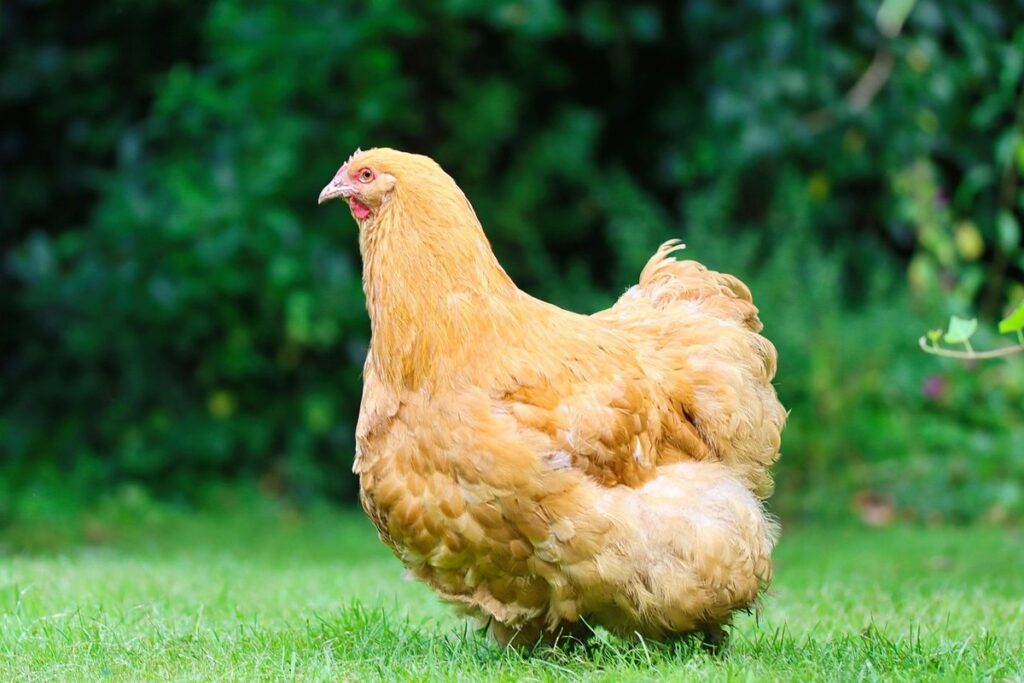
The result was a chicken with a unique combination of characteristics: stunning plumage, gentle nature, and impressive egg-laying abilities. Orpingtons quickly gained popularity among backyard farmers and enthusiasts due to their friendly disposition and adaptability to various climates. Over time, the breed has undergone several selective breeding programs, leading to the development of different varieties such as Buff, Black, Blue, White, and Cuckoo.
Today’s Orpington chickens owe their temperament to Cook’s original vision of creating a chicken that is both beautiful and endearing. Their friendly nature makes them an ideal choice for families with children or for those who want a low-maintenance pet.
Breed Standards and Expectations
When it comes to Orpington temperament, one of the most defining characteristics is their friendly and docile nature. According to breed standards, an ideal Orpington should be calm, gentle, and laid-back. This means they are perfect for families with children or as pets in small backyards.
Orpingtons were originally bred to be easy-going companions, not just egg-laying machines. Their temperament is a result of careful selection over the years to emphasize friendly traits. In fact, many breeders prioritize temperament over physical characteristics, ensuring that their birds are not only stunning but also delightful to be around.
If you’re considering bringing an Orpington into your flock or home, it’s essential to understand what to expect from their behavior. Here are a few key points to keep in mind: they tend to follow people and can become quite attached; they are relatively quiet birds, especially compared to other breeds; and they often form close bonds with other chickens, making them excellent flock members.
When introducing an Orpington to your existing flock or home, make sure to provide a calm and peaceful environment. Give them space to get used to their new surroundings, and don’t be surprised if they take a little time to warm up to you – but rest assured, with patience and gentle care, they’ll become loving companions in no time.
Personality Traits: What Makes Orpingtons Unique?
One of the most endearing aspects of Orpington chickens is their distinct personality, which sets them apart from other breeds. In this section, we’ll explore what makes these lovable birds so unique.
Friendliness and Affectionateness
One of the most distinctive and endearing characteristics of Orpingtons is their exceptional friendliness and affectionateness towards humans. This trait makes them an ideal choice for families with children, first-time chicken keepers, or anyone looking for a low-maintenance yet loving pet.
Orpingtons have a natural instinct to bond strongly with their owners, often seeking out human interaction and attention. They are known to follow their owners around the yard, nudge their hands for pets, and even snuggle up in their laps. This friendly nature is likely due in part to their gentle and docile temperament, which makes them less prone to stress and anxiety.
In fact, Orpingtons have been bred specifically for their friendly and docile characteristics, making them an excellent choice for backyard flocks or families with smaller children. With proper socialization from an early age, it’s not uncommon for Orpingtons to become extremely attached to their owners, following them everywhere and even recognizing individual family members.
To foster a strong bond with your Orpington, be sure to spend quality time with them each day, offering treats and gentle interactions. Regular handling and socialization can also help calm any potential anxiety or stress, allowing your Orpington to thrive in its surroundings.
Calmness and Quiet Nature
One of the most distinctive and appealing aspects of Orpington temperament is their calmness and quiet nature. This characteristic makes them an excellent choice for families with children or as companions for older adults who may not be able to care for more energetic breeds. Orpingtons are known to adapt easily to household environments, even in areas with high noise levels.
Their peaceful nature also means they don’t require a lot of space to roam, making them perfect for small backyards or even apartment living. In fact, many Orpington owners have reported that their chickens will often follow them around the house, seeking attention and affection. This behavior is not only endearing but also a testament to the breed’s ability to form strong bonds with their human caregivers.
If you’re looking to bring an Orpington into your family, be prepared for a low-maintenance companion that will provide endless entertainment and companionship.
Temperament Characteristics Across Life Stages
As you raise Orpingtons, it’s essential to understand how their temperament changes across different life stages, from pullets to mature adults. In this section, we’ll explore these developmental shifts in more detail.
Chick to Adult: Developmental Changes
As Orpington chicks grow into adult birds, you’ll notice significant changes in their temperament and behavior. At around 1-2 weeks old, chicks are most vulnerable to external stressors, such as loud noises or harsh handling. During this period, it’s essential to provide a calm and stable environment, minimizing interactions with people and other animals.
As they mature (around 4-6 weeks), Orpingtons begin to exhibit more curious behavior, pecking at their surroundings and interacting with each other. You may notice some chicks becoming more assertive or dominant, while others remain more docile. This is a normal phase of development, but it’s crucial to establish gentle handling practices to avoid imprinting or stressing the birds.
By around 8-12 weeks, Orpingtons have largely developed their adult temperament, with most birds displaying friendly, outgoing personalities. They may still be skittish around sudden noises or new environments, but they generally become more confident and social. As your flock grows, consider introducing a mix of older, more mature birds to help calm and guide the younger ones.
Mature Adult Behavior: Predicting Future Personality Traits
As Orpingtons mature, their behavior can provide valuable insights into their future personality traits. By paying attention to these early signs, owners can better prepare themselves for potential issues and ideal living situations. For instance, if a young Orpington is hesitant to explore its surroundings or appears fearful of new people, it may grow into a more timid adult bird.
On the other hand, a confident and curious youngster is likely to develop into a friendly and outgoing mature Orpington. Observe how your Orpington interacts with you and other animals in the flock. Does it assertively defend its space or quietly retreat when confronted? These early behaviors can be strong indicators of future personality traits.
As an owner, keep a close eye on your Orpington’s behavior during this critical development phase. If you notice any concerning trends, consider adjusting your living situation to better suit their needs. For example, if your mature Orpington is prone to stress or anxiety, providing a calm and peaceful environment can help mitigate these issues.
By recognizing and responding to these early signs, you can build a stronger bond with your Orpington and create a more harmonious home environment.
Living with Orpingtons: Tips for Harmonious Coexistence
If you’re bringing home an Orpington, getting to know their unique personality is key to creating a harmonious flock. In this section, we’ll share expert tips on living with these gentle giants.
Integrating Orpingtons into Family Life
Integrating Orpingtons into family life requires some effort and patience, but with the right approach, you can create a harmonious household where both humans and chickens thrive. One of the key aspects to consider is training. Orpingtons are intelligent birds that respond well to positive reinforcement training. Start by introducing them to basic commands like “come,” “stay,” and “follow me.” Use treats and praise to encourage good behavior, and be consistent in your approach.
To ensure a harmonious household, it’s essential to establish clear boundaries and rules for interacting with the Orpingtons. For example, teach children how to gently handle the birds, and set aside dedicated time for feeding, cleaning, and playtime. This will help prevent conflicts and promote a sense of respect between humans and chickens.
Some practical tips to keep in mind include:
* Supervise interactions between children and the Orpingtons to ensure everyone’s safety.
* Set up a safe and comfortable coop that provides ample space for the birds to move around.
* Establish a routine for feeding, cleaning, and handling the Orpingtons to create a sense of predictability and structure.
Managing Potential Issues: Training and Exercise
Living with Orpingtons requires a thoughtful approach to training and exercise. Their affectionate nature can sometimes lead to overfeeding, as owners may indulge them with treats due to their endearing personalities. To prevent this, establish clear boundaries early on and limit the frequency of treats.
To keep your Orpingtons physically and mentally stimulated, incorporate regular exercise into their daily routine. Start with short sessions (15-20 minutes) of foraging or free-ranging in a securely fenced area. Gradually increase duration as they grow accustomed to the activity. Introduce obstacles like tunnels, bridges, or ramps to challenge them and encourage exploration.
Rotate toys regularly to prevent boredom and stimulate problem-solving skills. Consider activities that promote social interaction, such as introducing a compatible breed companion or engaging them in playtime with you. Exercise caution when introducing new chickens, as Orpingtons can become overly attached. By incorporating these strategies into your daily routine, you’ll help maintain your Orpington’s overall well-being and prevent potential behavioral issues related to overfeeding or lack of stimulation.
Breeder Selection and Purchasing an Orpington
When it comes time to bring an Orpington into your flock, selecting a reputable breeder is crucial. Choosing the right breeder will ensure you get a healthy, well-socialized chicken.
Finding Reputable Breeders: Red Flags and Warning Signs
When searching for reputable breeders to purchase an Orpington from, it’s essential to be cautious and aware of potential red flags. Unscrupulous breeders can prioritize profit over the health and well-being of their birds, leading to temperament issues and other problems down the line.
Start by researching local breeders through online directories or word-of-mouth recommendations. Look for breeders who are transparent about their breeding practices, health testing, and animal welfare policies. Be wary of breeders who:
* Refuse to let you visit their farm or meet the parents of the bird you’re interested in
* Are unwilling to provide health guarantees or veterinary records
* Have multiple breeds on site but lack proper identification or registration for each bird
* Are pushy about making a sale and won’t answer your questions about the breed’s temperament
If you do decide to visit a breeder, pay attention to the overall cleanliness and living conditions of their facility. A reputable breeder will prioritize the health and happiness of their birds, providing spacious housing, nutritious food, and regular veterinary care. Always trust your instincts – if something feels off or you don’t click with the breeder, it’s best to keep looking.
Preparing for Your New Pet: Essential Supplies and Considerations
Congratulations on bringing home your new Orpington! As you prepare to welcome these lovable birds into your family, it’s essential to have all the necessary supplies and consider a few crucial factors to ensure their happiness and health. Let’s start with the basics.
First and foremost, housing is key for any chicken breed. Your Orpingtons will need a spacious coop with adequate ventilation, protection from predators, and a safe roosting area. A minimum of 2-3 square feet per bird inside the coop and at least 8-10 square feet in an enclosed run will provide them with ample space to move around.
When it comes to nutrition, Orpingtons are large birds that require a balanced diet rich in protein and calcium for optimal growth. Provide a high-quality layer feed specifically formulated for chickens, supplemented with fresh fruits and vegetables daily. Avoid overfeeding, as this can lead to obesity and other health issues.
Regular veterinary care is also vital. Schedule annual check-ups with an avian-savvy vet to ensure your Orpingtons are healthy and receive any necessary vaccinations. Don’t forget to invest in a first-aid kit specifically designed for chickens, which should include essentials like bandages, antiseptic wipes, and a thermometer.
As you settle into life with your new feathered friends, remember that their health and happiness depend on your attention to these essential supplies and considerations. With proper care and attention, your Orpingtons will thrive and reward you with years of companionship and joy.
Conclusion: Embracing the Joy of Owning an Orpington
As you’ve now gained a deeper understanding of the Orpington’s temperament, it’s time to reflect on what this breed brings to your life and how to truly appreciate their unique qualities.
Recap of Key Points and Takeaways
In conclusion to our comprehensive guide on Orpington chicken temperament, let’s recap the key points that will help you make an informed decision when bringing these lovable birds into your flock. First and foremost, it’s essential to understand that Orpingtons are known for their friendly and docile nature, making them an excellent choice for families with children or beginners in the world of chicken-keeping.
They are also relatively quiet compared to other breeds, producing around 200-220 eggs per year. In terms of training, Orpingtons are relatively easy to handle and can learn basic commands such as coming when called. However, consistency is key when it comes to training these birds, so be sure to establish clear routines from an early age.
When integrating Orpingtons into your existing flock, remember that they tend to get along well with other breeds but may require some extra attention due to their large size. With proper care and attention, Orpingtons can thrive in a variety of environments, making them a great choice for backyard chicken enthusiasts. By keeping these key points in mind, you’ll be well on your way to creating a harmonious and joyful environment for both you and your feathered friends.
Final Thoughts on Enjoying Your Orpington Companion
As you’ve learned about the wonderful temperament of Orpington chickens, it’s essential to remember that these lovable birds require patience, understanding, and love to thrive. Building a strong bond with your Orpington companion takes time and effort, but the rewards are immeasurable.
When interacting with your Orpington, be mindful of their gentle nature and avoid sudden movements or loud noises, which can startle them. Instead, move slowly and calmly around them, allowing them to become comfortable with your presence. You’ll soon find that they come to recognize you as a trusted friend and will eagerly anticipate your visits.
To foster this bond further, try offering treats by hand, letting them peck at your fingers, or simply spending quiet time with them in their enclosure. Remember, every Orpington is unique, so take the time to understand their individual personalities and quirks. By doing so, you’ll unlock a deeper connection with your feathered friend and enjoy the companionship of these loving birds for years to come.
Frequently Asked Questions
Can I raise Orpingtons with other breeds, or do they prefer to be alone?
Orpingtons are known for their friendly and outgoing nature, making them an excellent choice for mixed-breeding flocks. They tend to get along well with other gentle breeds, but introducing new birds to the flock should always be done gradually to prevent stress. A harmonious coop environment can be achieved by providing enough space, food, water, and attention to all birds.
How long does it take for an Orpington to mature and reach its full potential?
Orpingtons are considered a slow-growing breed, taking around 26-30 weeks to reach maturity. During this time, they require regular care, including proper nutrition, exercise, and socialization. Be patient and allow your Orpington plenty of time to develop its unique characteristics and temperament.
Are Orpingtons suitable for small backyards or are they better suited to large farms?
While Orpingtons do have a larger size requirement, they can thrive in smaller spaces as long as they receive regular exercise and attention. Consider providing them with enough space to roam and engage in physical activity, such as dust baths or scratching posts, to keep them happy and healthy.
Can I expect my Orpington to be broody, or are they more likely to be non-broody?
Orpingtons can exhibit broodiness, but it’s not a guaranteed trait. Many owners have reported successful breeding experiences with their Orpingtons, while others have found them to be non-broody. Understanding your Orpington’s individual characteristics and providing proper care will help you determine whether they’re likely to be broody or not.
How do I manage aggression in my Orpington if it starts showing signs of dominance?
Aggression in Orpingtons is relatively rare, but if you notice any dominant behavior, address the issue promptly. Provide a safe and secure environment for all birds, ensuring each one has its own space and resources. Consult with an expert or veterinarian for guidance on how to manage aggression and maintain a harmonious flock dynamic.