
If you’re an avid chicken enthusiast or just starting your backyard flock, you might be curious about Orpington eggs. These gentle giants have been delighting egg collectors and farmers for over a century with their rich, brown treasures. But what sets Orpingtons apart from other breeds? In this article, we’ll delve into the unique characteristics of Orpington eggs, including their history, physical traits, and remarkable egg-laying habits.
We’ll also discuss the benefits of raising Orpingtons for their eggs, such as their high fertility rate and rich flavor. However, it’s essential to consider the needs of these birds, from their dietary requirements to potential health concerns that may arise. By the end of this article, you’ll have a comprehensive understanding of what makes Orpington eggs special and how to care for your own Orpington flock.
History of the Orpington Breed
The Orpington breed has a rich history dating back to 19th century England, where it was developed from various breeds including the Black Dominique and Langshan. Let’s explore how this heritage shapes their unique characteristics today.
Origins and Development
The Orpington breed has a rich history that dates back to 19th-century England. Developed by William Cook, an English poultry breeder, the first Orpington bird was exhibited at the Royal Poultry Exhibition in London in 1886. Initially known for its exceptional egg-laying abilities, the Orpington quickly gained popularity as a dual-purpose breed, meaning it excelled both as a meat and egg producer.
The breed’s origins can be attributed to Cook’s efforts to create a bird that was hardy, easy to manage, and produced an abundance of large eggs. He cross-bred various breeds, including the Black Orpington, which became the foundation of the modern-day Orpington. The breed’s success can be measured by its rapid rise in popularity, with over 100,000 Orpingtons being sold within a year of its exhibition.
By the early 1900s, the Orpington had become one of the most sought-after breeds globally, prized for its gentle nature and impressive egg production. As a result, many farmers and breeders adopted the Orpington as a primary source of eggs and meat, leading to its widespread availability in markets.
Key Developments and Influences
The Orpington breed has undergone significant transformations over the years, shaped by key figures and breeding programs. One notable influence is William Cook, who developed the first Orpingtons in the late 19th century. His breeding program focused on creating a bird that was both productive and stunningly beautiful, with a focus on soft, fluffy plumage.
The development of the Orpington’s distinctive characteristics can also be attributed to the work of Robert Bakewell, who experimented with crossing different breeds to create a more robust and efficient bird. His efforts laid the foundation for the modern Orpington breed. The introduction of new bloodlines from across Europe further solidified the breed’s unique traits.
These breeding programs not only contributed to the Orpington’s impressive egg-laying abilities but also influenced its friendly, docile nature. Today, Orpingtons remain a popular choice among backyard flock owners and commercial farmers alike due in part to their adaptability and ease of management. By understanding the key developments that shaped this beloved breed, you can appreciate the rich history behind each Orpington egg you collect or purchase.
Physical Characteristics of Orpingtons
When it comes to the physical characteristics of Orpingtons, you’re likely curious about their distinctive plumage and overall appearance. Let’s take a closer look at what makes these birds so beautiful.
Coat Types and Colors
Orpingtons come in an astonishing array of coat types and colors, each with its unique characteristics. The most common coat type is the laced Orpington, which features a soft, fluffy coat with distinctive lace patterns on its neck, breast, and tail feathers. Frizzled Orpingtons have a crimped or wavy texture to their feathers, giving them a charmingly rustic appearance.
In terms of color, you’ll find Orpingtons in a wide range of hues, from the classic black and white to more exotic shades like lavender and blue. Buff Orpingtons have a warm golden coat with a subtle sheen, while silver-laced Orpingtons boast a stunning silvery-gray lacing pattern on their black or dark-brown feathers.
When choosing an Orpington egg for hatching, it’s essential to consider the breed’s unique characteristics and how they might influence your poultry-keeping experience. For instance, if you’re new to raising chickens, a frizzled Orpington’s distinctive texture may require more frequent grooming. Conversely, the laced pattern on a silver-laced Orpington can add visual interest to your flock. By understanding these coat types and colors, you’ll be better equipped to select an Orpington egg that suits your needs and preferences.
Size and Build
Orpingtons are known for their distinctive size and build, making them one of the most recognizable breeds among backyard chicken keepers. On average, adult Orpington hens weigh between 8-12 pounds (3.6-5.4 kg) and stand about 20-25 inches (51-63 cm) tall at the shoulder. Roosters, on the other hand, can grow up to 13-15 pounds (5.9-6.8 kg) in weight and reach heights of 24-28 inches (61-71 cm).
While there are some variations within the breed, such as the miniature Orpington, which weighs around 4-6 pounds (1.8-2.7 kg), the standard size is what most people associate with this beloved breed. Their sturdy build and fluffy feathers make them a delight to have in any backyard flock.
It’s worth noting that size can also impact egg production, as larger birds tend to lay more eggs over time. However, even smaller Orpingtons can be prolific layers, producing an average of 200-220 brown eggs per year. By understanding the unique characteristics of your Orpingtons’ size and build, you can better plan for their care and feeding needs, ensuring they thrive and continue to provide you with plenty of delicious eggs.
Egg-Laying Characteristics
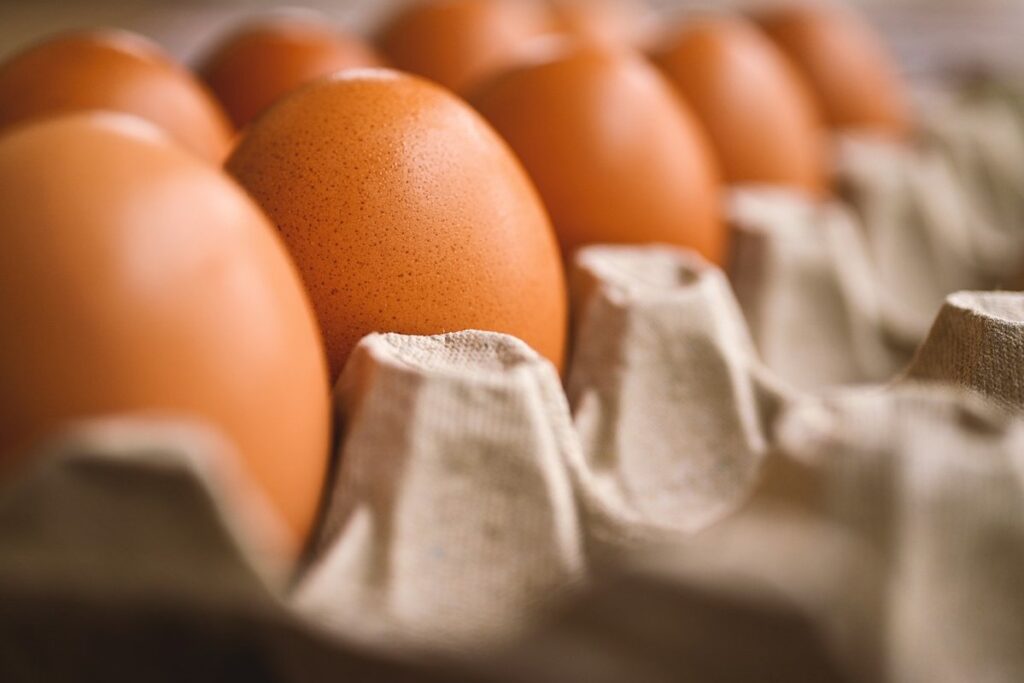
Orpington eggs are prized for their generous size, rich brown color, and robust texture. This section delves into the specifics of their egg-laying patterns and habits.
Average Production and Frequency
Orpington hens are known for their moderate egg-laying habits, making them an excellent choice for small-scale poultry keepers. On average, a healthy Orpington hen will lay around 200-220 large brown eggs per year. This translates to about 5-6 eggs per week, with most hens producing eggs every other day.
It’s essential to note that individual egg-laying frequency can vary depending on factors such as age, nutrition, and overall health of the bird. As Orpingtons mature, their egg production will slow down, but they’ll continue laying eggs regularly throughout their lifespan. If you’re new to keeping Orpingtons, it’s crucial to provide a balanced diet rich in protein, calcium, and other essential nutrients to support their reproductive needs.
To optimize your Orpington hen’s egg-laying potential, ensure she has access to clean water, a nutritious diet, and adequate space to roam. Regular health checks will also help you identify any potential issues affecting her egg production.
Egg Size and Shape
Orpington eggs are known for their distinctive size and shape. On average, an Orpington egg measures around 60-65 grams in weight and is roughly 5.5-6 cm (2.2-2.4 inches) in length. In terms of shape, Orpington eggs tend to be slightly oval or elongated, with a small pointed end.
One notable feature of Orpington eggs is their shell quality. Orpington hens are known for laying eggs with strong, smooth shells that resist cracking and breakage. The eggshell color can range from creamy white to light brown, often with subtle flecks of darker pigment. If you’re interested in breeding or purchasing Orpingtons specifically for their eggs, look for birds with consistent shell quality and desirable egg traits.
When it comes to judging the size and shape of an Orpington’s egg, consider the overall appearance and weight rather than just measuring its length. Experience breeders often recommend gently holding the egg up to a light source to assess the color and texture of the shell.
Health and Welfare Considerations
When collecting Orpington eggs, it’s essential to consider their welfare and health, as improper handling can cause stress and harm to both the mother and chicks. We’ll walk you through some key considerations for a smooth and safe egg-gathering process.
Common Health Issues
As an Orpington owner, it’s essential to be aware of the potential health issues that can affect this breed. One common concern is obesity, which can lead to a range of problems including diabetes, joint issues, and heart disease. To prevent obesity, ensure your Orpington gets regular exercise through supervised playtime in a secure area or by incorporating activities into their daily routine.
Another issue affecting Orpingtons is egg-binding, a condition where the hen experiences difficulty laying eggs due to a narrow pelvic structure or other reproductive problems. To minimize the risk of egg-binding, provide an adequate amount of calcium-rich foods and ensure your hens have easy access to clean water and proper ventilation.
Regular health checks with a veterinarian can help identify any potential issues early on, allowing for prompt treatment and prevention of more severe problems. Monitoring your Orpington’s overall health through weight management, exercise, and nutritious feeding can also contribute to their overall well-being and longevity.
Nutrition and Care Requirements
When it comes to meeting the optimal nutrition and care needs of Orpingtons, several key factors come into play. First and foremost, ensure they have access to a balanced layer feed that meets their dietary requirements. A nutrient-rich layer feed will provide them with the necessary energy and nutrients for overall health and egg production.
In addition to a well-balanced diet, it’s also essential to provide your Orpingtons with fresh water at all times. Ensure the water is clean and free from contamination to prevent any potential health issues. Providing a calcium supplement may also be beneficial in supporting strong bone growth and development.
As for living conditions, ensure they have adequate space to move around comfortably, as overcrowding can lead to stress and health problems. Provide plenty of ventilation and maintain a clean and dry coop environment to promote overall well-being.
Orpingtons are generally a hardy breed but may be prone to certain health issues such as obesity if overfed or under-exercised. Regular exercise and monitoring their food intake will help prevent this from occurring.
Breeding and Raising Orpingtons
Are you ready to hatch your very own Orpington chicks? This section will walk you through the process of breeding and raising these lovable birds from day one.
Selection Criteria for Breeders
When selecting Orpington breeding stock, it’s essential to look for specific characteristics that ensure the continuation of this beloved breed’s unique traits. As a breeder, you want parents that embody the Orpington’s signature gentle disposition, rich plumage, and impressive egg-laying abilities.
First and foremost, consider the Orpington’s temperament. You’re looking for birds that are calm, friendly, and easy to handle. Avoid individuals with aggressive or flighty tendencies, as these can be passed down to their offspring. Evaluate potential parents’ behavior in a group setting, observing how they interact with each other and with humans.
Also, inspect the plumage of your potential breeding stock. Orpingtons are known for their lustrous, soft feathers, which require regular maintenance. Look for birds with well-maintained coats, paying attention to any signs of molting or excessive feather loss.
When it comes to egg-laying, prioritize birds that consistently produce large, brown eggs with thick shells. This not only indicates a strong reproductive system but also ensures the continuation of the Orpington’s signature egg-laying abilities in their offspring.
Assessing the conformation and bone structure of your potential breeding stock is also crucial. A well-proportioned body, sturdy legs, and strong feet are essential for optimal health and fertility. Evaluate each bird’s overall appearance, considering any signs of deformity or weakness.
In addition to these physical characteristics, consider the genetics and ancestry of your potential breeding stock. Research their pedigree, looking for birds with a proven track record of producing high-quality offspring. This will help you avoid introducing unwanted traits into your flock while ensuring the continuation of desirable characteristics.
Tips for Raising Healthy Chicks
Raising healthy Orpington chicks from hatch is crucial for their development into happy, thriving hens. When it comes to feeding, a high-quality starter feed specifically formulated for young chickens should be introduced within the first 24 hours of life. A good rule of thumb is to provide around 20% protein content in the starter feed, which will support rapid growth and development.
A brooder setup with adequate ventilation, heat, and light is essential for maintaining a healthy environment. Aim for a temperature range between 90-100°F (32-38°C) during the first week, gradually reducing it by 5°F (3°C) each subsequent week until it reaches ambient temperatures. Monitor the chicks’ behavior to ensure they’re comfortable – if they’re huddled together or panting excessively, it’s likely too hot.
Proper socialization is also vital for raising confident and friendly Orpington hens. Introduce the chicks to new surroundings, people, and other animals regularly to promote exploration and curiosity. With proper care, attention, and handling from an early age, your Orpington chicks will grow into beautiful, egg-laying hens that bring joy to any backyard flock.
Frequently Asked Questions
How do I determine the fertility rate of my Orpington hens?
To ensure high fertility rates, it’s essential to provide a balanced diet rich in protein and calcium. Also, maintain a clean and healthy coop environment, as stress can negatively impact egg fertility. Monitor your flock’s overall health and adjust their care accordingly.
What are some common health issues I should watch out for in my Orpingtons?
Common health concerns in Orpingtons include obesity, respiratory problems, and reproductive issues. Regular veterinary check-ups, proper nutrition, and a clean living environment can help mitigate these risks. Keep an eye out for signs of illness, such as lethargy or changes in appetite.
Can I raise Orpingtons on a small backyard farm with limited space?
Yes, Orpingtons are relatively adaptable to smaller spaces. However, ensure you provide enough room for them to move around comfortably. Also, consider their specific needs, like ample ventilation and protection from extreme weather conditions.
How do I choose the right breeders or suppliers for my Orpington chicks?
When selecting breeders or suppliers, look for reputable sources with a history of producing healthy, well-nourished birds. Research their breeding practices, read reviews from other customers, and ask about their guarantee or return policies in case of any issues.
What’s the best way to handle egg collection and storage to maintain freshness?
Collect eggs daily to prevent breakage and maintain cleanliness. Store them in a cool, dry place, away from direct sunlight, to preserve their quality and extend shelf life. Wash your hands before handling eggs and avoid storing them in direct contact with each other to prevent cross-contamination.