
If you’re considering adding Orpington chickens to your backyard flock, one crucial decision is choosing between hens and roosters. While both have their charm, they require different care and attention. Temperament-wise, Orpington hens are known for being friendly, docile, and great with children, making them an excellent choice for families. In contrast, the males tend to be more boisterous and may not be suitable for smaller spaces or noise-conscious neighbors. Breeding requirements also differ between the two, so it’s essential to understand these differences before deciding on your flock. In this article, we’ll delve into the key differences between Orpington hens and roosters, helping you make an informed decision that suits your needs and lifestyle.
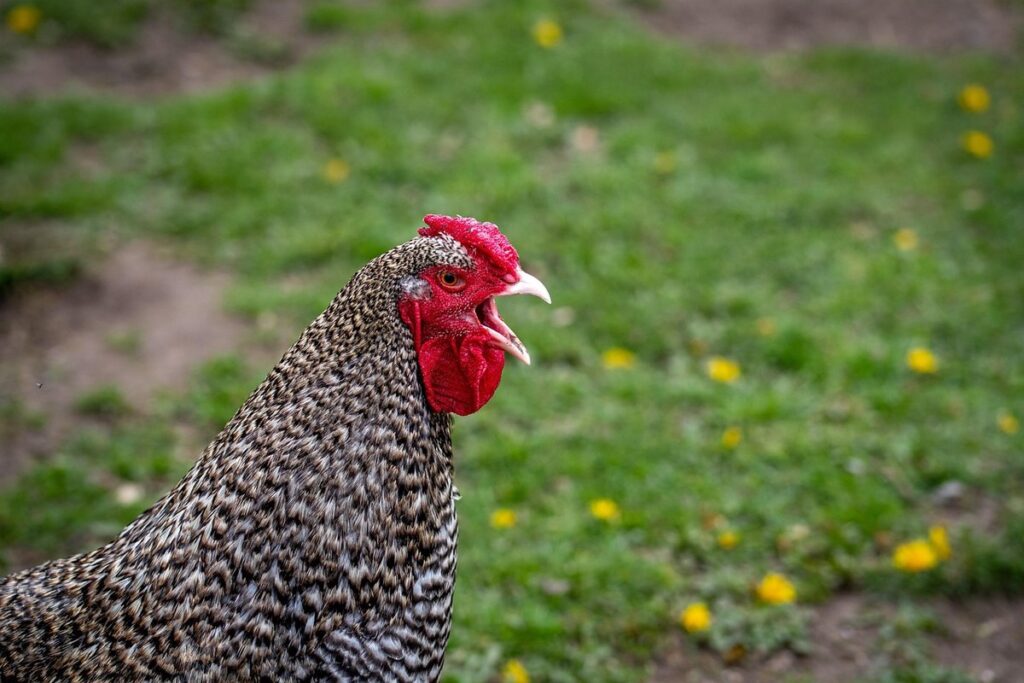
Understanding Orpington Breeds
Orpington breeds are a popular choice among chicken enthusiasts, and understanding their characteristics is crucial when deciding between a hen and rooster for your flock. Let’s take a closer look at what makes them unique.
Characteristics of Orpington Chickens
If you’re considering bringing Orpington chickens into your flock, it’s essential to understand their characteristics. Originating from England in the late 19th century, Orpingtons were bred for their unique appearance and friendly temperament.
One of the most distinctive features of Orpingtons is their gentle nature. They are known for being docile and easy-going, making them an excellent choice for families with children or for those who want a stress-free flock experience. In fact, Orpingtons have been described as having a “sweet” personality by many breeders.
Orpingtons come in a variety of colors, including black, blue, buff, golden-laced, and white, among others. They are large birds, with hens weighing around 9-10 pounds (4-5 kg) and roosters reaching up to 13 pounds (6 kg). Their size, combined with their calm demeanor, makes them an excellent choice for backyard flocks.
When choosing an Orpington, look for birds that are friendly and curious. They should be eager to explore their surroundings and interact with humans. Avoid birds that appear aggressive or fearful, as this can indicate underlying health issues or genetic problems.
Physical Differences Between Hens and Roosters
One of the most noticeable differences between Orpington hens and roosters is their size. On average, an adult male Orpington rooster will weigh around 9-11 pounds (4-5 kg) compared to a hen’s 7-8 pounds (3-4 kg). The larger size of the rooster can make them appear more impressive, but it also requires more food and space to accommodate their needs.
When it comes to plumage, both hens and roosters have beautiful lustrous feathers that are characteristic of the Orpington breed. However, a rooster’s feathers tend to be slightly longer and more vibrant in color. His hackle feathers on the neck will often be more pronounced, creating a striking display when he puffs them out.
In terms of beak characteristics, the roosters typically have a slightly thicker and darker bill than their hens counterparts. This can make a significant difference if you’re planning to keep your Orpingtons for breeding purposes or if you need to distinguish between males and females in a large flock.
Selecting an Orpington Hen or Rooster for Your Flock
When it comes time to add a new bird to your flock, you’ll want to carefully consider which type of Orpington will thrive in your environment. This section explores the characteristics that set hens and roosters apart.
Factors to Consider When Choosing a Hen
When choosing an Orpington hen for your flock, several factors come into play. To ensure you get a healthy and productive bird, consider egg-laying capacity as one of the top priorities. Orpington hens are known for their moderate egg production, laying around 200-220 brown eggs per year. However, some individuals can produce up to 280 eggs annually.
Temperament is another crucial aspect to evaluate when selecting an Orpington hen. They’re generally docile and friendly, making them an excellent choice for small farms or backyard flocks with children. A calm temperament also reduces the likelihood of stress-related health issues in your flock.
Lastly, examine the bird’s overall health by checking for any visible signs of illness or injury. Look out for feather plucking, labored breathing, or unusual droppings. Consult a veterinarian if you’re unsure about any aspect of an Orpington hen’s health.
When purchasing, ask breeders about the birds’ lineage and breeding history to gauge their likelihood of producing quality offspring in the future.
Identifying the Ideal Rooster for Your Flock
When it comes to choosing an Orpington rooster for your flock, several factors come into play. One of the most crucial considerations is aggression level. Some breeds are naturally more aggressive than others, and this can be a concern if you’re introducing them to a existing flock.
Look for roosters with a calm demeanor and a moderate level of activity. Avoid those that appear overly dominant or assertive, as they may not integrate well with your hens. A good rule of thumb is to observe the rooster’s behavior in its current environment before making a purchase decision.
It’s also essential to consider mating behavior, particularly if you’re planning to breed your Orpingtons. Some roosters are more inclined to mate frequently, while others may be less enthusiastic about this aspect of their role.
When selecting a rooster, pay attention to factors such as:
• Age: A younger rooster (around 6-12 months) is usually more energetic and has not yet developed any aggressive tendencies.
• Temperament: Opt for a rooster that is friendly, docile, and easy-going, especially if you’re introducing him to an existing flock.
• Heritage: If you’re looking to breed your Orpingtons, choose a rooster with a proven track record of fertility and good mating behavior.
Caring for Orpington Hens and Roosters
If you’re planning to bring home some adorable Orpingtons, it’s essential to know how to care for both hens and roosters to ensure they thrive in their new environment. Proper care will also boost your flock’s overall health and happiness.
Nutrition and Diet Requirements
When it comes to ensuring the optimal health and egg production of your Orpington flock, nutrition plays a vital role. A balanced diet is essential for both hens and roosters, but their needs differ slightly.
For Orpington hens, high-quality layers feed is recommended to support egg production. Look for feeds that contain around 16-18% protein, which will help maintain the hen’s energy levels and promote healthy egg laying. Calcium-rich foods are also crucial, as they will help strengthen the hen’s bones and beaks.
Roosters, on the other hand, require a more robust feed to meet their high energy needs. A layer or starter feed with around 18-20% protein is ideal for roosters, as it will support their growth and maintenance. Additionally, consider providing supplements such as oyster shells or crushed eggshells to ensure they receive adequate calcium.
A general rule of thumb is to provide your Orpingtons with a layer feed during the laying season (around 18-20 weeks), and switch to a starter feed for roosters until they reach maturity.
Health Considerations for Both Sexes
When it comes to caring for Orpington hens and roosters, understanding common health issues is crucial for maintaining a healthy flock. Both sexes are prone to certain conditions, so it’s essential to be aware of the potential risks.
Orpington hens are susceptible to obesity, particularly if they’re overfed or not provided with adequate exercise. This can lead to mobility problems and increase their risk of developing respiratory issues like asthma. Regular monitoring of feed intake and encouraging daily foraging activities can help prevent this.
Roosters, on the other hand, are more prone to conditions such as pericarditis (inflammation of the heart sac) and testicular torsion. The latter is a medical emergency that requires immediate attention. Ensuring they have access to clean water and regular veterinary check-ups can reduce their risk of developing these issues.
Regular health checks, proper nutrition, and a safe living environment are crucial for maintaining a healthy flock. By being aware of the potential risks and taking preventative measures, you can enjoy happy and long-lasting companionship with your Orpington hens or rooster.
Breeding and Raising Orpington Chickens
If you’re planning to start raising your own flock, learning how to breed and raise Orpington chickens is essential for a healthy and happy brood. This section covers the basics of breeding and raising these gentle giants from chick to maturity.
Understanding the Breeding Process
When it comes to breeding Orpington chickens, understanding the process is crucial for producing healthy and well-structured birds. Genetics play a significant role in determining sex-linked traits, which can be beneficial when selecting specific characteristics for hatching.
The breeder’s primary goal is to create a chick that will grow into a mature Orpington with desired features such as size, feather color, or temperament. This is achieved by crossing two Orpington birds of contrasting sex-linked traits. For instance, breeding an Orpington rooster (male) with a hen having the recessive gene for silkie feathers can result in offspring displaying varying degrees of silkiness.
However, it’s essential to note that not all breeds exhibit clear-cut sex-linkage, and some may require advanced genetic knowledge to breed accurately. To minimize mistakes, new breeders often opt for sex-linked feathered breeds like Silkies or Polish, which simplify the process by allowing easy identification of chicks’ sex based on plumage.
When choosing an Orpington rooster for breeding, ensure he has a strong family tree and desirable traits. Similarly, select hens with characteristics you want to pass down to your next generation.
Raising Chicks from Hatchlings to Adults
Raising Orpington Chicks from Hatchlings to Adults
Caring for newly hatched Orpington chicks requires attention to their nutritional needs, vaccinations, and parasite control measures. As soon as they hatch, the chicks need a high-protein starter feed that contains around 20% protein, which is crucial for growth and development.
Provide a shallow dish of fresh water and a warm, draft-free area for brooding. The ideal temperature for brooding is between 90°F to 95°F (32°C to 35°C) during the first week. Afterward, you can gradually reduce it by 5°F every few days until it reaches around 70°F (21°C).
It’s essential to administer vaccinations and parasite control measures at specific stages of growth. Consult with a veterinarian for guidance on when to vaccinate your chicks against diseases such as Marek’s and Infectious Bronchitis. Monitor the flock regularly for signs of parasites, such as mites or lice, and take prompt action if necessary.
As the chicks grow into pullets (young hens), they’ll require a transition from starter feed to layer feed around 16-20 weeks old. Ensure you provide adequate space and nutrition for them to mature healthily.
Managing Your Orpington Flock
Managing your Orpington flock effectively requires a solid understanding of their unique personalities and needs, which can vary between hens and roosters. Knowing these differences will help you create a harmonious coop environment.
Integrating New Birds into an Existing Flock
Introducing new birds to an existing flock can be a daunting task, especially when it comes to minimizing stress and conflicts between individuals. When integrating Orpington birds into your existing flock, it’s essential to do it slowly and carefully to avoid causing unnecessary tension.
Firstly, start by introducing the new bird in a separate enclosure or coop, allowing them to get familiar with their surroundings without being exposed to the existing flock. This also helps you monitor the newcomer’s behavior and ensure they’re adapting well to their new environment. Once they seem comfortable, begin the introduction process by keeping the birds separated but still able to see and smell each other.
To ease the transition, keep the birds’ diets consistent for a while after the introduction. Orpingtons are social birds and tend to get along with others of the same breed. However, introducing them too quickly or without proper supervision can lead to conflicts over food, resources, and space. Always prioritize their safety and take it one step at a time.
It’s also crucial to assess the personalities of your existing flock members before bringing in new birds. Some Orpingtons may be more dominant than others, while some may be submissive. Understanding these dynamics will help you make informed decisions about introducing new birds to your flock.
Establishing a Balanced Sex Ratio in Your Flock
Establishing an optimal sex ratio within your flock is crucial for maintaining harmony and overall health. In an Orpington flock, it’s common to have more hens than roosters due to their friendly and docile nature. A good starting point is to have 10-12 hens per rooster. This balance helps reduce aggression and stress among the birds.
However, as your flock grows or matures, you may need to adjust the ratio. For instance, if you notice increased aggression among the males, it’s likely due to an imbalance in the sex ratio. In such cases, introducing a new rooster or removing one of the existing ones can help restore balance.
Keep in mind that individual personalities also play a significant role in determining the ideal sex ratio. Some flocks might require more space and fewer roosters to prevent conflict. It’s essential to monitor your birds’ behavior and adjust the ratio accordingly, rather than sticking to a one-size-fits-all approach.
To ensure a harmonious flock, observe your birds regularly and make adjustments as needed. With patience and attention to detail, you can create an environment where both hens and roosters thrive together.
Conclusion
Now that you’ve weighed the pros and cons of each, let’s summarize our findings and determine which bird is right for your backyard flock.
Recap of Key Points for Choosing Between Hens and Roosters
When choosing between Orpington hens and roosters for your backyard flock, there are several key points to consider. One of the most significant factors is the noise level you’re willing to tolerate. Roosters, being male birds, are known for their loud crowing, which can be a concern for those living in close proximity to neighbors or in residential areas.
On the other hand, Orpington hens are generally quiet and docile, making them an excellent choice for smaller spaces or for those who prefer a more peaceful environment. However, if you’re looking to add some extra security to your flock, having one rooster can be beneficial as they tend to alert the hens to potential predators.
Another important consideration is egg production. While Orpington hens are prolific layers, producing an average of 200-220 brown eggs per year, roosters do not lay eggs at all. So, if you’re looking for a flock that will provide you with a steady supply of fresh eggs, hens are the way to go.
In terms of management requirements, both Orpington hens and roosters require regular care and attention. This includes providing a balanced diet, access to clean water and shelter, as well as regular health checks and vaccinations. However, roosters tend to be more aggressive and dominant within the flock, so it’s essential to introduce them slowly and under close supervision.
Ultimately, the decision between Orpington hens and roosters comes down to your individual needs and preferences. If you’re looking for a peaceful, egg-producing flock with minimal noise, hens are likely the better choice. However, if you’re willing to tolerate some noise and want to add an extra layer of security to your flock, one rooster can be a great addition.
Frequently Asked Questions
Can Orpington hens be used for breeding, or are they primarily for egg production?
Orpington hens can indeed be used for breeding, as they have excellent mothering instincts and can produce large clutches of eggs. However, it’s essential to consider their temperament, which should remain docile even under breeding conditions.
How do I handle aggression in an Orpington rooster if it becomes a problem?
If you notice aggression in your Orpington rooster, address the issue promptly by removing any stressors and providing a safe environment. You can also consult with a veterinarian or experienced poultry breeder for guidance on handling aggressive behavior.
Can I integrate an adult Orpington rooster into my existing flock of hens, or will this cause problems?
While integrating a new rooster into your existing flock can be challenging, it’s not impossible. Monitor the flock’s dynamics closely and ensure the new rooster is introduced gradually to prevent conflicts and stress.
Are there any specific health concerns I should watch out for in Orpington hens versus roosters?
Both sexes are generally healthy, but females may be more prone to reproductive issues due to breeding or egg-laying. Regular check-ups with a veterinarian and maintaining good flock management practices can help prevent these issues.
How do I determine the sex of an Orpington chick if it’s not clear from its physical characteristics?
If you’re unsure about the sex of your Orpington chick, consult with a poultry expert or veterinarian for guidance. They can assess the chick’s development and provide an accurate determination based on their experience.